

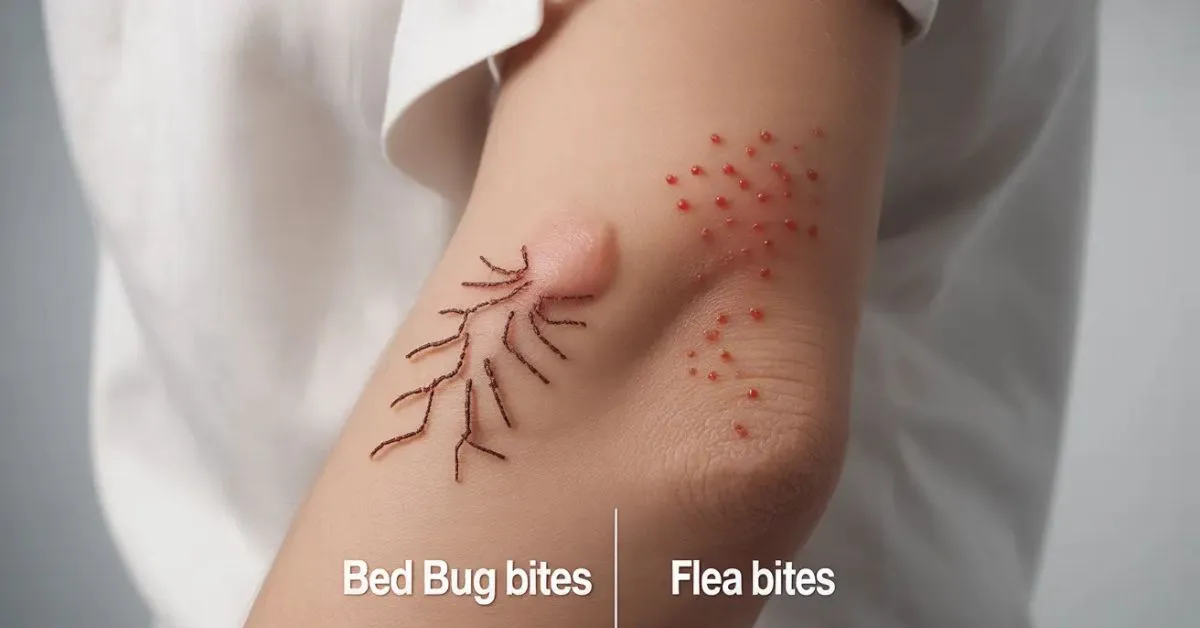
Waking up with mysterious red, itchy bumps can be alarming, especially if you’re unsure what caused them.
One common culprit many people overlook is the bed bug. Bed bug bites are small but can leave noticeable marks on your skin, often causing discomfort and sleepless nights.
Recognizing what a bed bug bite looks like is essential not only for your health but also to prevent a potential infestation in your home.
Unlike mosquito or flea bites, bed bug bites often appear in clusters or lines and can trigger different reactions depending on your skin type.
Some people may barely notice them, while others experience severe itching and swelling.
Understanding the signs of bed bug bites, how to differentiate them from other insect bites, and knowing what steps to take afterward can save you time, discomfort, and stress.
In this guide, we’ll cover everything you need to know about identifying and responding to bed bug bites.
What Bed Bug Bites Look Like
Bed bug bites can be tricky to identify because they often resemble bites from other insects, such as mosquitoes or fleas. Typically, a bed bug bite appears as a small, red bump on the skin. Some bites are flat, while others may be slightly raised or swollen. In more sensitive individuals, the bites can even form tiny blisters or develop into a rash. A unique feature of bed bug bites is their pattern they often appear in lines or clusters, sometimes called the “breakfast, lunch, and dinner” pattern, as a single bug may bite multiple times in a row while feeding.
The size and severity of the bite also vary depending on the person’s reaction. People with sensitive skin may experience redness, intense itching, and inflammation, whereas others may have only a faint mark that disappears quickly. Common bite locations include exposed areas of the body such as the arms, legs, neck, and face places most accessible while sleeping.
It’s important to distinguish bed bug bites from other insect bites. Mosquito bites are usually isolated and randomly scattered, while flea bites tend to appear around the ankles and lower legs. Bed bug bites, on the other hand, are often grouped or lined up, giving them a distinctive look. Observing the pattern, location, and reaction can help you identify whether you’re dealing with bed bugs or another type of pest.
Common Symptoms Associated With Bed Bug Bites
Bed bug bites often cause more than just visible red marks they can trigger a range of symptoms that vary depending on an individual’s sensitivity. The most common symptom is itching, which can range from mild to intense. Scratching the bites can sometimes lead to skin irritation or infection, so it’s important to avoid scratching whenever possible.
Other common symptoms include redness, swelling, and inflammation around the bite area. In some cases, the bites may develop into small blisters or hives, particularly in people with sensitive skin or allergic reactions. These reactions may take several hours or even a few days to appear, which can make it difficult to immediately identify bed bug bites.
Some people may experience systemic symptoms, such as fatigue or mild fever, though this is less common. It’s also possible for certain individuals to show no visible reaction at all, even after multiple bites, which can delay detection of an infestation.
Timing and location of bites are also key indicators. Bed bugs typically bite exposed areas of the body while you sleep, such as arms, legs, neck, and face. Multiple bites often appear in a line or cluster, distinguishing them from other insect bites. Recognizing these symptoms early is crucial, as it can help you take action to relieve discomfort and address a potential infestation before it worsens.
How to Differentiate Bed Bug Bites from Other Bites
One of the biggest challenges in identifying bed bug bites is distinguishing them from bites caused by other insects. While bed bug bites share some similarities with mosquito, flea, and spider bites, there are key differences that can help you pinpoint the culprit.
Mosquito bites are typically isolated, random, and appear suddenly after being outdoors or near standing water. They often swell quickly and are intensely itchy but do not usually form clusters or lines. In contrast, bed bug bites often appear in a series of lines or clusters, reflecting the bug’s repeated feeding pattern.
Flea bites are generally smaller, extremely itchy, and most commonly occur around the ankles and lower legs. Fleas usually jump onto the skin rather than crawl, so their bites are more sporadic. Bed bug bites, however, appear on exposed areas like the arms, neck, and face, which are accessible while sleeping.
Spider bites are usually solitary, painful, and may leave a puncture mark at the center. Severe spider bites can cause swelling, bruising, or even blistering, but they lack the repetitive pattern typical of bed bug bites.
Other clues that point to bed bugs include bites appearing after waking up, multiple bites in a row, and the presence of small blood spots or dark excrement on sheets or mattresses. Paying attention to these patterns, bite location, and timing can help you identify bed bug bites accurately and take action before the infestation worsens.
Where Bed Bugs Typically Bite
Bed bugs are nocturnal pests that feed on human blood while you sleep, which largely determines where their bites appear. They usually target exposed areas of the body that are accessible during the night. The most common bite locations include arms, hands, legs, feet, neck, and face. These areas are easy for bed bugs to reach while you’re lying down and often remain uncovered during sleep.
The bite pattern also provides clues. Bed bugs often bite in lines or clusters, rather than isolated spots, because a single bug may feed multiple times along the same area. This repetitive feeding pattern is a hallmark of bed bug activity and helps distinguish their bites from those of other insects, like mosquitoes or fleas.
Bite location can also give insight into the severity of an infestation. If bites appear on multiple exposed areas, it may indicate multiple bugs in the sleeping area. Additionally, bites concentrated around the torso or arms could suggest that bed bugs are hiding in nearby furniture, mattress seams, or bedding.
Understanding where bed bugs typically bite can also aid in inspection and prevention. Checking bedding, mattress edges, and headboards near areas with frequent bites can help identify the source of an infestation early. By knowing where bites commonly appear, you can act quickly to reduce discomfort, monitor bite patterns, and take steps to prevent further bites.
Immediate Steps After Suspecting Bed Bug Bites
If you notice red, itchy bumps that may be bed bug bites, taking immediate action can help relieve discomfort and prevent further problems. The first step is to clean the affected area. Wash your skin thoroughly with soap and warm water to remove any bacteria and reduce the risk of infection. Pat the skin dry gently and avoid scratching, as scratching can worsen irritation and lead to secondary infections.
To ease itching and inflammation, you can apply over-the-counter anti-itch creams or topical corticosteroids. Antihistamines can also be taken orally to reduce allergic reactions and control itching, especially if multiple bites are present. Applying a cool compress for 10–15 minutes can help soothe the skin and reduce swelling.
It’s also important to document the bites. Take clear photos or note the bite locations and timing. This information is useful if you need to consult a doctor or professional pest control service.
Finally, inspect your sleeping area for signs of bed bugs, including small blood stains, dark excrement spots, or shed skins on sheets and mattresses. Removing clutter, washing bedding in hot water, and vacuuming the surrounding area can help limit further exposure until the infestation is properly addressed.
Acting quickly after noticing bed bug bites not only relieves discomfort but also helps prevent the problem from worsening. Early attention to both the bites and the environment is key to effective control and recovery.
When to Seek Medical Attention
Most bed bug bites are mild and can be treated at home, but there are situations where medical attention is necessary. Seek help immediately if you experience a severe allergic reaction, such as intense swelling, widespread hives, difficulty breathing, or dizziness. These symptoms indicate a potentially serious condition called anaphylaxis, which requires urgent medical care.
Bites that show signs of infection should also prompt a doctor’s visit. If you notice pus, increasing redness, warmth, or pain around the bite area, it may indicate a bacterial infection caused by scratching or bacteria entering the wound. Infections can worsen quickly, so timely medical treatment is important.
Persistent or worsening bites are another reason to consult a healthcare professional. Some individuals react more severely to bed bug bites, and repeated exposure can lead to prolonged itching, swelling, or even blistering. A dermatologist can provide stronger topical treatments, prescription antihistamines, or other therapies to reduce discomfort and prevent complications.
Additionally, if you suspect a large infestation in your home, a doctor can advise on the risks and recommend appropriate measures to protect your health while dealing with the problem. Medical professionals can also help distinguish bed bug bites from bites caused by other insects or skin conditions, ensuring accurate treatment.
Recognizing the signs that require medical care is essential. While most bites are harmless, prompt attention to severe reactions, infections, or persistent symptoms can prevent complications and provide faster relief.
Preventing Future Bites
Preventing bed bug bites requires a combination of inspection, hygiene, and proactive measures to reduce the risk of infestation. The first step is to regularly inspect your sleeping areas, including mattresses, box springs, bed frames, and headboards. Look for small dark spots, shed skins, or tiny blood stains these are common signs of bed bug activity.
Maintaining clean bedding and clothing is another key preventive step. Wash sheets, pillowcases, and blankets in hot water and dry them on high heat to kill any bed bugs or eggs that may be present. Vacuuming floors, carpets, and furniture, especially near the bed, can also help remove stray bugs before they multiply.
Mattress encasements and protective covers are highly effective tools. They trap existing bed bugs inside and prevent new ones from hiding in seams or crevices. When traveling, inspect hotel beds and luggage areas, and avoid placing suitcases directly on the bed or floor to reduce the risk of bringing bed bugs home.
If you suspect an active infestation, it’s often best to seek professional pest control services. Experts can identify the extent of the problem and implement targeted treatments that are safe and effective, reducing the chances of future bites.
By combining these preventive strategies, you can protect your home, minimize exposure, and avoid the discomfort and stress of recurring bed bug bites. Early detection and consistent preventive measures are key to maintaining a bite-free environment.
Common Misconceptions About Bed Bug Bites
Bed bug bites are often misunderstood, leading to confusion and delayed action. One common misconception is that bed bugs only infest dirty homes. In reality, bed bugs can appear in any environment, including clean homes, hotels, and offices. They are attracted to human blood, not dirt or grime, so even spotless spaces are not immune.
Another widespread myth is that bed bugs spread diseases. Unlike mosquitoes or ticks, bed bugs are not known to transmit illnesses to humans. While bites can be uncomfortable and cause secondary infections if scratched, they are primarily a nuisance, not a health threat in terms of disease transmission.
Many people also believe that everyone reacts to bed bug bites in the same way. In truth, reactions vary widely. Some individuals may develop large, itchy welts, while others may have barely noticeable marks or no reaction at all. This variation can make detection challenging, especially in households where only one person is sensitive to bites.
A final misconception is that bed bugs are easily eliminated with simple DIY methods. While cleaning and washing bedding can help, infestations often require professional pest control to fully eradicate the problem. Underestimating the persistence of these pests can lead to repeated bites and ongoing discomfort.
Understanding the truth about bed bugs helps homeowners take appropriate and timely action, reduces anxiety, and prevents the spread of infestations. Knowledge is the first step in protecting your home and skin from these persistent pests.
Frequently Asked Questions About Bed Bug Bites
1. How long do bed bug bites last?
Bed bug bites usually take a few days to two weeks to heal, depending on your skin type and reaction. Mild bites may fade quickly, while more sensitive individuals could experience lingering redness and itching.
2. Can bed bug bites get infected?
Yes, scratching bites can break the skin and allow bacteria to enter, leading to secondary infections. Signs of infection include pus, increasing redness, swelling, and warmth around the bite. Seek medical attention if these symptoms occur.
3. Do bed bugs spread disease?
Unlike mosquitoes or ticks, bed bugs are not known to transmit diseases. While the bites can cause discomfort, anxiety, and sleep disturbance, they are primarily a nuisance rather than a health threat.
4. How can I tell if it’s a bed bug bite or another insect bite?
Bed bug bites often appear in lines or clusters, mainly on exposed areas like arms, legs, neck, and face. Mosquito bites are usually isolated and random, while flea bites are concentrated around the ankles or lower legs. Spider bites are typically solitary and may be painful.
5. What should I do if I find bed bug bites?
Wash the affected area with soap and water, apply anti-itch creams, and avoid scratching. Inspect your sleeping area for signs of bed bugs, such as blood spots, dark droppings, or shed skins. Consider professional pest control if an infestation is suspected.
By addressing these common questions, you can better identify, manage, and prevent bed bug bites, giving you peace of mind and practical steps to protect your home and skin.
Conclusion
Recognizing and responding to bed bug bites is essential for both your comfort and the health of your home.
While the bites themselves are generally not dangerous, they can cause intense itching, redness, and swelling, and scratching may lead to secondary infections.
Understanding the appearance, pattern, and common locations of bed bug bites can help you quickly differentiate them from mosquito, flea, or spider bites, allowing you to take prompt action.
Early identification also plays a crucial role in preventing a full-blown infestation.
Regularly inspecting mattresses, bedding, and furniture for blood stains, dark spots, or shed skins can alert you to the presence of bed bugs before the problem escalates.
Implementing preventive measures such as washing sheets in hot water, using mattress encasements, and minimizing clutter helps reduce hiding places and limits the chances of repeated bites.
It’s also important to know when to seek professional help.
Severe allergic reactions, persistent bites, or signs of infection warrant medical attention, while suspected infestations often require professional pest control to eliminate bed bugs effectively.
By understanding the signs, symptoms, and preventive strategies, you can protect yourself and your home from these persistent pests.
Awareness, prompt action, and consistent preventive habits are the keys to managing bed bug bites and avoiding unnecessary discomfort.
With the right knowledge and approach, you can ensure a safe, bite-free environment and regain peace of mind.

Rafael Domínguez Gamas (born February 14, 1883 in Cárdenas, Tabasco; died January 23, 1959 in Veracruz) was a prominent Mexican lawyer, educator, journalist, writer, and academic. He studied law at the Instituto Juárez and also worked as a professor there. Early in his career he directed schools in various towns in Tabasco and contributed frequently to publications such as Alba, El Renacimiento, and El Eco de Tabasco. In 1914 he moved to Veracruz, where he worked with the journal El Dictamen. He was later elected a corresponding member of the Academia Mexicana de la Lengua for his contributions to Mexican literature and language studies. Domínguez authored numerous books and essays including Azul como tus ojos (1925) and Diccionario general de gentilicios (1948).