
If you’ve ever experienced sudden, intense pain in your lower back or side and wondered what was happening to your body, you’re not alone.
Many people ask, what does a kidney stone feel like, especially when the pain seems to come out of nowhere and refuses to ease with rest or movement.
Kidney stones are small, hard mineral deposits that form inside the kidneys, and when they begin to move, they can cause some of the most severe pain a person can experience.
The sensation is often described as sharp, stabbing, or cramping, and it may spread from the back to the abdomen or groin as the stone travels through the urinary tract.
Along with pain, symptoms like nausea, vomiting, and blood in the urine are common.
In this guide, we’ll break down exactly how kidney stone pain feels, where it occurs, how it changes over time, and when it’s a sign you should seek medical help.
Understanding Kidney Stones (Basics You Need to Know)
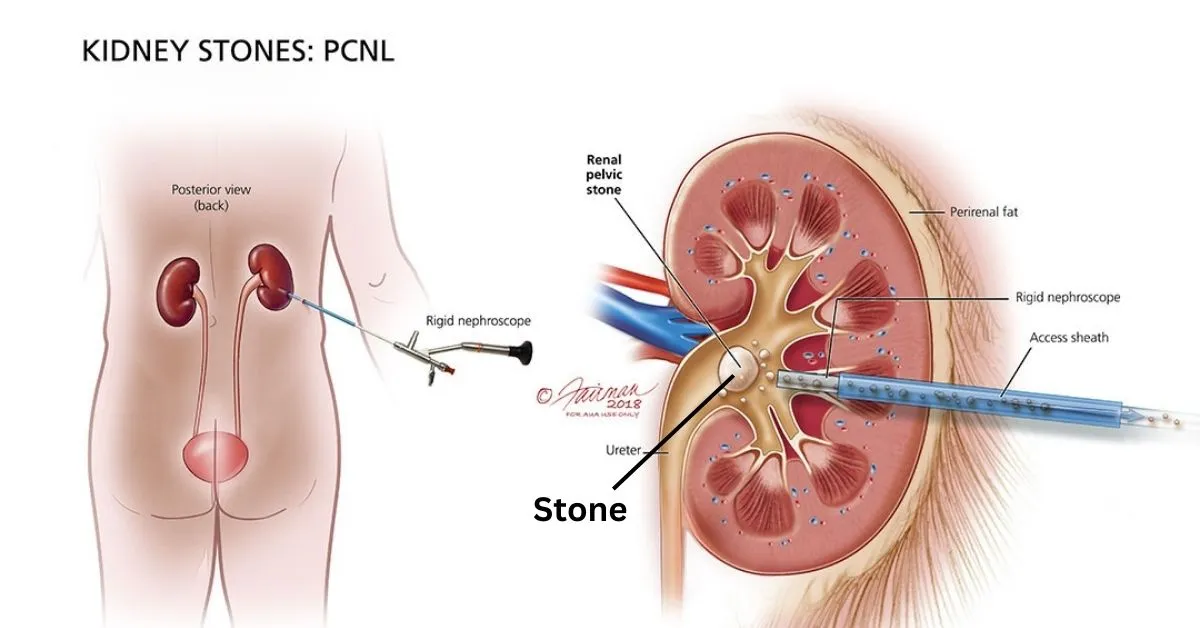
Kidney stones are hard, crystal-like deposits made from minerals and salts that form inside the kidneys. They develop when urine becomes concentrated, allowing substances like calcium, oxalate, and uric acid to crystallize and stick together. Over time, these crystals can grow into stones that range in size from a grain of sand to something as large as a pebble or even bigger. While small stones may pass through the urinary tract without causing symptoms, larger stones can block the flow of urine and trigger intense pain.
There are several types of kidney stones, each with different causes. Calcium stones are the most common and are often linked to diet, dehydration, or metabolic issues. Uric acid stones can form in people who eat a high-protein diet or have gout. Struvite stones are usually caused by urinary tract infections, while cystine stones are rare and related to a genetic condition. Regardless of the type, the pain associated with kidney stones usually begins when a stone moves from the kidney into the ureter, the narrow tube connecting the kidney to the bladder.
The ureter isn’t designed to handle hard objects, so when a stone passes through, it causes spasms and irritation. This leads to pressure buildup in the kidney and triggers what doctors call renal colic, a type of severe, wave-like pain. Understanding how kidney stones form and why they cause pain helps explain why the symptoms can feel sudden, overwhelming, and difficult to ignore.
What Does a Kidney Stone Feel Like? (In-Depth Description)
Kidney stone pain often begins suddenly and without warning, even if you felt completely fine just moments earlier. Many people describe the sensation as one of the most intense pains they have ever experienced. It is commonly sharp, stabbing, or cramping, and it typically comes in waves rather than staying constant. This wave-like pattern happens because the ureter contracts as it tries to push the stone forward, creating periods of severe pain followed by brief relief.
Unlike muscle or back pain, kidney stone pain does not improve when you change positions, stretch, or lie down. In fact, people experiencing a kidney stone attack often feel restless and unable to find a comfortable position. The pain usually starts in the lower back or side beneath the ribs and may spread to the abdomen or groin as the stone moves through the urinary tract. As the stone travels, the location and intensity of the pain can change, which is a key sign that a kidney stone may be involved.
The intensity of kidney stone pain can range from moderately uncomfortable to completely unbearable. Some people rate it as a 9 or 10 on a pain scale, often comparing it to childbirth or severe gallbladder attacks. Along with physical pain, kidney stones can also cause nausea, vomiting, sweating, and dizziness. These symptoms occur because the body reacts strongly to severe pain and internal pressure. Altogether, the experience can feel overwhelming, frightening, and exhausting, especially if the pain lasts for several hours or returns repeatedly over days.
Where Is Kidney Stone Pain Felt in the Body?
Kidney stone pain can appear in several areas of the body, and its location often changes as the stone moves through the urinary tract. Most commonly, the pain begins in the flank, which is the area on either side of the lower back just below the ribs. This pain is usually felt on one side of the body rather than both and can be sudden and intense. At first, it may feel deep and sharp, making it difficult to tell exactly where it’s coming from.
As the kidney stone travels from the kidney into the ureter, the pain often shifts forward toward the abdomen. Some people feel strong pain in the lower belly that can be mistaken for stomach problems or digestive issues. As the stone continues its path downward, the pain may radiate into the groin area, including the inner thigh, testicles in men, or the pelvic region in women. This downward movement of pain is a classic sign of a moving kidney stone.
In some cases, kidney stone pain may also be felt near the bladder, especially when the stone is close to being passed. At this stage, symptoms like frequent urination, urgency, or a burning sensation while urinating often appear. Because kidney stone pain can spread and shift, it’s commonly confused with back strain, appendicitis, or gynecological pain. Paying attention to how the pain moves, rather than staying in one spot, can help distinguish kidney stone pain from other conditions and provide important clues for diagnosis.
Stages of Kidney Stone Pain (Step-by-Step Progression)
Kidney stone pain usually develops in stages, reflecting the stone’s journey from the kidney to the bladder. Understanding these stages can help identify the cause of the pain and anticipate how it may progress.
Stage 1: Early Discomfort
Some kidney stones remain silent at first, causing little or no pain. When a stone starts moving, mild discomfort or a dull ache in the lower back or side may appear. This early stage can be easily mistaken for muscle strain or general fatigue.
Stage 2: Acute Flank Pain
As the stone enters the ureter, pain intensifies dramatically. This is often called renal colic. The pain is sharp, cramping, and severe, usually located on one side. It often comes in waves as the ureter contracts to push the stone forward. Nausea, sweating, and restlessness are common at this stage.
Stage 3: Pain Shifts and Radiates
When the stone moves further down the ureter, pain often shifts toward the lower abdomen, groin, or genital area. The sensation may feel like burning, pulling, or a constant pressure. People may feel an urgent need to urinate or notice blood in their urine.
Stage 4: Passage Pain
As the stone reaches the bladder and begins to exit through the urethra, sharp stinging or burning may occur during urination. Pain may lessen as the stone exits, but mild discomfort can persist for a short period afterward.
Recognizing these stages helps patients understand why the pain changes in intensity and location. While the pain can be severe, knowing its progression allows for better preparation, symptom tracking, and timely medical attention if necessary.
How Painful Is a Kidney Stone Compared to Other Pain?
Kidney stone pain is widely recognized as one of the most intense types of pain a person can experience. Many patients describe it as sharp, cramping, and unbearable, often comparing it to extreme conditions like childbirth, gallbladder attacks, or severe back injuries. On a standard pain scale of 1 to 10, kidney stone pain frequently ranks between 8 and 10, reflecting both its severity and unpredictability.
Unlike muscle or joint pain, kidney stone pain doesn’t respond well to typical comfort measures such as rest, stretching, or changing positions. This is because the pain originates internally from the ureter’s contractions as it tries to move the stone along. Each contraction can produce waves of severe pain that last anywhere from several minutes to a few hours, making it difficult for sufferers to find relief.
Kidney stone pain also has a unique pattern of radiating sensations. It often begins in the lower back or flank and then spreads toward the lower abdomen, groin, or genital area. This movement is linked to the stone’s path through the urinary tract, making the pain dynamic and often confusing for patients who may misinterpret it as digestive, muscular, or gynecological pain.
In addition to the physical intensity, kidney stone pain can trigger secondary symptoms such as nausea, vomiting, sweating, and dizziness. These reactions occur because the body experiences extreme stress in response to internal pressure and intense pain. Overall, kidney stone pain is not only physically overwhelming but emotionally draining, leaving many sufferers anxious, restless, and desperate for relief.
Other Symptoms That Come With Kidney Stone Pain
While intense pain is the hallmark of kidney stones, several other symptoms often accompany the discomfort. Recognizing these can help distinguish kidney stones from other conditions like urinary tract infections, muscle strain, or digestive problems.
One of the most common additional symptoms is blood in the urine, medically known as hematuria. The urine may appear pink, red, or brown due to irritation of the urinary tract by the stone. Alongside this, urine can sometimes look cloudy or have a strong, unpleasant odor.
Nausea and vomiting frequently occur, especially during episodes of severe pain. The body responds to the intense internal pressure and spasms in the ureter by triggering gastrointestinal distress. Some people also experience sweating, dizziness, and restlessness, reflecting the body’s reaction to acute pain.
Another common symptom is a frequent or urgent need to urinate. Stones near the bladder can irritate its lining, creating the sensation that you need to empty your bladder even when it’s not full. This may be accompanied by burning or stinging during urination, which can be alarming and is often mistaken for a urinary tract infection.
Some patients may develop fever and chills, particularly if a urinary tract infection is present alongside the stone. This combination of infection and obstruction is a medical emergency and requires immediate attention.
Understanding these symptoms alongside pain helps patients recognize kidney stones early and seek appropriate medical care. While pain draws immediate attention, accompanying signs like blood in urine, nausea, and urinary changes provide crucial clues about the stone’s location, size, and severity.
Kidney Stone Pain in Men
Kidney stones affect both individuals, but men are statistically more likely to develop them. While the underlying causes are similar dehydration, diet, genetics, and certain medical conditions the way pain presents in men can sometimes differ due to anatomy. Men may experience the classic flank or lower back pain, but the discomfort often radiates into the testicles or groin area, which can be alarming and confusing. This occurs because the ureter and reproductive organs share nerve pathways, causing the brain to interpret pain as coming from the genital area.
Other symptoms in men include abdominal pressure, nausea, and frequent urination, similar to general kidney stone symptoms. Because the pain can radiate downward, it is sometimes misdiagnosed as a hernia, muscle strain, or even appendicitis. In addition, men may notice blood in the urine, burning during urination, or sudden urgency to urinate, all signs that the stone is moving through the urinary tract.
Kidney stone pain in men can be particularly severe because the stone often has a longer ureter to travel, increasing the likelihood of prolonged and intense renal colic episodes. Men should be aware that severe, persistent pain accompanied by fever, chills, or vomiting could indicate a medical emergency, such as a blocked or infected kidney. Prompt evaluation is crucial to prevent complications.
Understanding how kidney stones manifest in men helps distinguish the symptoms from other conditions and ensures timely medical care, reducing the risk of prolonged pain and potential kidney damage.
Kidney Stone Pain in Women
Kidney stones in women can present differently than in men, and this sometimes leads to misdiagnosis or delayed treatment. Women often experience the classic flank or lower back pain, but because the urinary tract is anatomically close to the reproductive organs, the pain may radiate to the lower abdomen, pelvis, or vaginal area. This overlap can make it easy to confuse kidney stone pain with ovarian cysts, menstrual cramps, or urinary tract infections.
In addition to localized pain, women may notice nausea, vomiting, and blood in the urine, which are common symptoms of kidney stones in all patients. Frequent urination and burning sensations while urinating may also occur, especially if the stone is near the bladder. Because of the similarity to gynecological conditions, women sometimes seek care for pelvic or abdominal pain without realizing the source is a kidney stone.
The intensity of kidney stone pain in women can be extreme, with sharp, cramping waves known as renal colic. Pain often comes in episodes that can last from minutes to several hours, making rest difficult and contributing to anxiety and distress. Stones that are larger or become lodged in the ureter can prolong the discomfort and increase the risk of complications, such as urinary tract infections or kidney obstruction.
Awareness of how kidney stones present in women is crucial for timely diagnosis. Recognizing the combination of flank pain, radiating abdominal discomfort, urinary changes, and nausea can help women seek the right treatment quickly, reducing pain duration and preventing potential kidney damage.
Does Kidney Stone Pain Come and Go?
One of the confusing aspects of kidney stone pain is that it often comes and goes rather than remaining constant. This intermittent nature is linked to the way the ureter, the narrow tube connecting the kidney to the bladder, reacts to the stone’s movement. As the stone travels, the ureter contracts and relaxes in an effort to push it forward. Each contraction can trigger a wave of sharp, cramping pain, followed by short periods of relief when the ureter temporarily relaxes.
These pain episodes can last anywhere from a few minutes to several hours, creating a pattern of sudden, intense discomfort followed by temporary ease. This wave-like sensation is a hallmark of renal colic, the type of pain most commonly associated with kidney stones. Some patients may experience multiple waves in a single day, while others may have long intervals of relative calm, making it difficult to predict when pain will return.
The intermittent nature of the pain can also vary depending on the size and location of the stone. Smaller stones may move more easily, producing short bursts of discomfort, whereas larger stones can cause prolonged, severe episodes. Certain activities, like walking or sudden movement, may trigger the pain, while resting in a particular position may provide temporary relief.
Understanding that kidney stone pain can be sporadic yet intense helps patients distinguish it from other types of back or abdominal pain. Recognizing these recurring waves is important for timely diagnosis and treatment, as ignoring intermittent pain can allow the stone to grow or cause complications.
How Long Does Kidney Stone Pain Last?
The duration of kidney stone pain varies widely depending on factors such as the size of the stone, its location, and how quickly it moves through the urinary tract. Small stones, often less than 4 millimeters, may pass relatively quickly, sometimes within a few hours to a few days, causing intermittent or mild pain. Larger stones, on the other hand, can take weeks to pass and often lead to prolonged episodes of intense discomfort.
Kidney stone pain typically follows a wave-like pattern, with sharp episodes of pain followed by temporary relief. These waves can last from minutes to several hours and may occur multiple times a day. During this period, the pain can feel unpredictable, which can be stressful and exhausting for the person experiencing it. For stones that remain lodged in the ureter, the pain may persist almost constantly until the stone moves or is removed medically.
The location of the stone also affects the duration of pain. Stones that are higher in the kidney may initially produce flank pain, which can last for hours or days. As the stone travels down the ureter toward the bladder, the pain may shift location, sometimes becoming sharper in the lower abdomen or groin. Pain typically decreases once the stone reaches the bladder, though mild discomfort may linger during urination.
It’s important to note that persistent, severe pain lasting more than a few hours, especially when accompanied by fever or vomiting, should be evaluated immediately. Timely medical attention can help relieve pain faster and prevent complications such as infection or kidney damage.
What Kidney Stone Pain Does Not Feel Like
Understanding what kidney stone pain does not detect like is just as important as recognizing its typical symptoms. Many people confuse kidney stone pain with other common conditions, which can delay proper diagnosis and treatment. By identifying key differences, you can distinguish kidney stone pain from other sources of discomfort.
Muscle or back pain is often dull, aching, or constant and usually improves with rest, stretching, or changes in posture. In contrast, kidney stone pain is sharp, cramping, and comes in waves that don’t respond to movement or position changes. It also tends to radiate from the lower back or flank toward the abdomen, groin, or genitals something muscle pain rarely does.
Gas or digestive discomfort can mimic kidney stone pain in the abdomen. However, gas pain often improves after passing gas or using over-the-counter remedies, whereas kidney stone pain persists and usually intensifies over time. Gas pain may also be accompanied by bloating or changes in bowel movements, which are not characteristic of kidney stones.
Urinary tract infections (UTIs) can cause burning sensations during urination and lower abdominal discomfort, which might feel similar to a stone near the bladder. Unlike kidney stones, UTIs rarely produce the sudden, severe, wave-like pain in the flank or groin and generally do not cause the intense radiating discomfort associated with stones.
Finally, menstrual cramps or gynecological pain in women may overlap with kidney stone symptoms. However, menstrual pain is typically cyclical, predictable, and centered in the lower abdomen or pelvis, while kidney stone pain is sudden, severe, and often radiates unpredictably.
Recognizing what kidney stone pain is not helps patients avoid misdiagnosis, seek timely medical care, and differentiate between conditions requiring different treatments.
Can You Have a Kidney Stone Without Severe Pain?
Yes, it is possible to have a kidney stone without experiencing the intense, sharp pain that most people associate with the condition. These are often referred to as “silent” kidney stones. Small stones, usually less than 4 millimeters, can pass through the urinary tract with minimal or no symptoms. In some cases, a person may not even realize they have a stone until it is discovered during an imaging test for an unrelated issue.
Even when symptoms do appear, they may be mild or subtle. Some people report dull, intermittent discomfort in the lower back, flank, or abdomen rather than the severe, wave-like renal colic typical of larger stones. Others may notice minor urinary changes, such as slightly cloudy urine or a mild burning sensation while urinating, without any significant pain. These symptoms can easily be overlooked or mistaken for fatigue, muscle strain, or a minor urinary tract irritation.
Silent kidney stones are often a concern because they can grow over time without detection. As the stone enlarges or moves into a narrower part of the ureter, the risk of severe pain, urinary obstruction, infection, and kidney damage increases. That’s why routine medical checkups, imaging, and paying attention to subtle urinary changes are important, even if no intense pain is present.
Although most kidney stones cause noticeable discomfort, awareness that stones can sometimes be asymptomatic emphasizes the need for vigilance. Early detection allows for timely treatment, reducing the likelihood of complications and preventing sudden, severe episodes of pain that might otherwise appear unexpectedly.
When Kidney Stone Pain Is a Medical Emergency
While kidney stones often pass on their own, certain symptoms indicate a medical emergency that requires immediate attention. Recognizing these warning signs can prevent serious complications such as kidney damage, infection, or urinary blockage.
One of the most urgent signs is severe, unrelenting pain that does not improve with rest, hydration, or over-the-counter pain medications. This is often accompanied by waves of intense cramping in the flank, lower back, or groin, indicating that the stone may be lodged in the ureter and causing a blockage.
Fever and chills are particularly concerning, as they may indicate a urinary tract infection or kidney infection. When combined with kidney stones, infections can become life-threatening if not treated promptly. Persistent vomiting, especially when it prevents fluid intake, is another red flag, as dehydration can worsen kidney function and prolong pain.
Difficulty urinating, a sudden inability to pass urine, or the presence of large amounts of blood in the urine are additional warning signs that the urinary tract may be obstructed. In such cases, medical intervention is necessary to remove the blockage and prevent further complications.
If any of these symptoms appear, it is crucial to seek emergency care immediately. Doctors may perform imaging tests to locate the stone and determine its size, prescribe pain relief, and provide treatments such as lithotripsy or surgical removal if necessary. Acting quickly can relieve pain, prevent kidney damage, and reduce the risk of life-threatening infections.
How Doctors Diagnose Kidney Stone Pain
Diagnosing kidney stone pain begins with a detailed medical history and physical examination. Doctors first ask about the location, intensity, and pattern of your pain, as well as any accompanying symptoms such as nausea, vomiting, urinary changes, or blood in the urine. This helps differentiate kidney stones from other conditions like urinary tract infections, muscle strain, or gastrointestinal issues.
A physical exam may involve palpating the abdomen and back to check for tenderness, particularly in the flank area. While the exam itself cannot confirm a kidney stone, it helps localize pain and assess severity. In some cases, doctors may also look for signs of infection, dehydration, or fever.
Even a small amount of blood in the urine can indicate that a stone is moving through the urinary tract.
A CT scan is the gold standard, providing detailed images that reveal the size, shape, and exact location of the stone. Ultrasound is a safer alternative for patients who want to avoid radiation, though it may be less precise. In some cases, an X-ray of the abdomen or kidneys can also detect certain types of stones.
Combining patient history, lab tests, and imaging allows doctors to accurately diagnose kidney stones, determine their severity, and develop an effective treatment plan. Early diagnosis not only helps relieve pain but also reduces the risk of complications such as obstruction, infection, or long-term kidney damage.
What Helps Relieve Kidney Stone Pain
Relieving kidney stone pain often requires a combination of medications, hydration, and lifestyle strategies, along with medical intervention for larger stones. Pain management is usually the first priority, as kidney stones can produce extreme, wave-like discomfort that is difficult to endure.
For more severe pain, doctors may prescribe stronger pain medications or opioids for short-term use.
Hydration is another key strategy. Drinking plenty of water helps flush the urinary tract, potentially aiding in the stone’s passage and preventing further formation. Warm compresses or heat therapy applied to the lower back or abdomen can also soothe muscle tension and provide temporary relief from cramping.
In cases where the stone is too large to pass naturally or causes persistent pain, medical procedures may be necessary. Extracorporeal shock wave lithotripsy (ESWL) uses sound waves to break the stone into smaller pieces, making it easier to pass. Ureteroscopy involves a small scope inserted into the ureter to remove or break the stone directly.
Lifestyle adjustments can help prevent recurrence. Maintaining adequate hydration, reducing excessive salt intake, and moderating foods high in oxalates, purines, or animal protein can lower the risk of forming new stones. Combining pain relief, medical treatment, and preventive strategies provides the best approach to managing kidney stone discomfort effectively.
What Passing a Kidney Stone Feels Like
The sensation typically begins when the stone moves from the kidney into the narrow ureter, triggering spasms that push the stone forward. These contractions produce waves of pain, often called renal colic, which can be sudden, severe, and radiate from the lower back or flank toward the abdomen, groin, or genitals.
As the stone progresses, many people notice a burning or stinging sensation while urinating. This occurs because the stone irritates the urethra as it exits the body. The frequency of urination may also increase, and there may be blood in the urine, giving it a pink, red, or brown tint. These symptoms, combined with intense cramping, make passing a stone a physically and emotionally challenging process.
The size of the stone greatly affects the experience. Smaller stones may pass relatively quickly with moderate discomfort, while larger stones can take hours or even days to fully exit, prolonging pain and urinary irritation. During this process, nausea, vomiting, and sweating are common responses to severe pain.
Despite the discomfort, many patients report a profound sense of relief once the stone passes, as the sharp waves of pain subside and urinary function returns to normal. Staying well-hydrated, following medical advice, and monitoring symptoms are crucial during this stage to ensure safe passage and prevent complications like infection or obstruction.
Emotional & Psychological Effects of Kidney Stone Pain
Kidney stone pain is not only physically intense but also mentally and emotionally challenging. The sudden onset of severe, wave-like pain can provoke anxiety, panic, and fear, especially for people experiencing it for the first time. The unpredictable nature of the pain, which can strike without warning and intensify in waves, often leaves sufferers feeling restless and helpless.
The emotional impact is amplified by the uncertainty surrounding the condition. People may worry about whether the pain indicates a serious problem, how long it will last, or whether they will require medical procedures. This constant worry can lead to stress, irritability, and difficulty concentrating, making daily tasks feel overwhelming.
During acute pain episodes, sufferers often experience sleep disruption, restlessness, and fatigue. Nausea, vomiting, and sweating add to the discomfort, further heightening feelings of frustration and helplessness. Some people may also suffer socially isolated, as kidney stone attacks can occur suddenly, limiting their ability to work, drive, or participate in normal activities.
In addition to acute emotional responses, repeated kidney stone episodes can cause anticipatory anxiety, where patients live in fear of the next attack. This can affect lifestyle choices, hydration habits, and even mental health, increasing stress levels over time.
Recognizing the psychological effects of kidney stone pain is important. Combining pain management, medical treatment, and emotional support including reassurance from healthcare providers and loved ones can help reduce fear and anxiety. Understanding that these emotional responses are a normal reaction to severe, unpredictable pain can empower patients to cope more effectively during and after an attack.
Preventing Kidney Stones in the Future
Preventing kidney stones is largely about lifestyle choices and dietary habits, along with attention to hydration and overall health. People who have had kidney stones are at higher risk of recurrence, so taking proactive steps can help reduce the likelihood of future episodes.
Hydration is the single most effective preventive measure. Drinking plenty of water typically 2 to 3 liters per day dilutes urine and decreases the concentration of minerals that can form stones. For individuals prone to kidney stones, tracking urine color to ensure it stays light yellow is a simple way to monitor hydration levels.
Diet also plays a critical role. Limiting high-oxalate foods such as spinach, nuts, and chocolate can help prevent calcium oxalate stones, the most common type. Reducing excessive salt and animal protein intake is also beneficial, as both can contribute to stone formation. At the same time, consuming foods rich in citrate, such as lemons and oranges, may help inhibit crystal formation.
Lifestyle habits like maintaining a healthy weight and exercising regularly also reduce kidney stone risk.
For those with recurrent stones, doctors may recommend medical monitoring and medication to prevent specific types of stones. Regular checkups, urine tests, and imaging can help detect potential stones early before they cause pain.
By combining proper hydration, dietary adjustments, healthy lifestyle choices, and medical guidance, individuals can significantly lower their risk of forming kidney stones. Preventive measures not only reduce physical discomfort but also provide peace of mind and protect long-term kidney health.
Frequently Asked Questions About Kidney Stone Pain
Kidney stones raise many questions because their symptoms can be sudden, severe, and confusing. Addressing these common concerns helps people recognize warning signs, manage discomfort, and know when to seek medical care.
Is kidney stone pain always severe?
Not always. While kidney stone pain is often intense, smaller stones can pass with mild or even no pain.
Can kidney stone pain bear like gas or digestive discomfort?
Yes, especially if the stone is in the lower ureter. Pain may radiate to the lower abdomen and mimic gas, bloating, or cramping. Unlike digestive issues, kidney stone pain comes in sharp, wave-like episodes and may radiate toward the groin or genitals.
Does walking or movement help kidney stone pain?
Some patients find walking or pacing provides distraction, but the ureter’s contractions continue regardless of activity.
Can kidney stones cause back pain only?
Yes, flank or lower back pain is often the first symptom. However, as the stone moves, pain typically radiates toward the abdomen, groin, or urinary tract.
When should I go to the ER for kidney stone pain?
Seek immediate care if you experience uncontrollable pain, fever, persistent vomiting, difficulty urinating, or blood in large amounts. These symptoms may indicate obstruction or infection, which can be dangerous if untreated.
Yes. Proper hydration, dietary adjustments, and lifestyle changes can reduce risk. People with recurrent stones should consult a doctor for individualized preventive strategies.
Answering these FAQs equips readers to recognize symptoms early, differentiate kidney stone pain from other conditions, and take prompt action, minimizing complications and improving overall health.
Final Thoughts:
Kidney stone pain can be sudden, severe, and frightening, leaving many people unsure whether their symptoms require medical attention.
While some kidney stones pass naturally with minimal discomfort, others can lead to serious complications if ignored. Understanding the key signs, patterns, and associated symptoms is crucial in determining when to seek care.
Severe flank or lower back pain that radiates to the abdomen, groin, or genitals is a strong indicator of a kidney stone in motion.
Pain often comes in waves, known as renal colic, and may be accompanied by nausea, vomiting, blood in the urine, burning during urination, or urgent need to urinate.
These signs, especially when combined with fever or chills, signal that immediate medical evaluation is necessary.
Even if the pain is mild or intermittent, paying attention to changes in urinary habits, discomfort in the lower back or abdomen, and any unusual urinary coloration can help detect kidney stones early.
Early intervention not only reduces pain but also prevents potential complications such as kidney obstruction or infection.
While kidney stone pain can be distressing, awareness and timely action are the best defenses.
Maintaining hydration, monitoring symptoms, and seeking professional guidance when warning signs appear ensures that you manage your health proactively.
Ultimately, recognizing the difference between ordinary discomfort and kidney stone pain empowers you to make informed decisions, protect your kidneys, and avoid prolonged suffering.
This concludes your comprehensive article on what a kidney stone feels like, covering symptoms, stages, gender differences, emergency signs, diagnosis, pain management, and prevention strategies.

Daniel Johansson is an acclaimed Swedish operatic tenor, celebrated internationally for his powerful voice, dramatic presence, and versatile repertoire spanning from Puccini to Wagner. Born in Småland, Sweden, he trained at the University College of Opera in Stockholm, where he laid the foundation for a distinguished career in classical music and opera performance.