

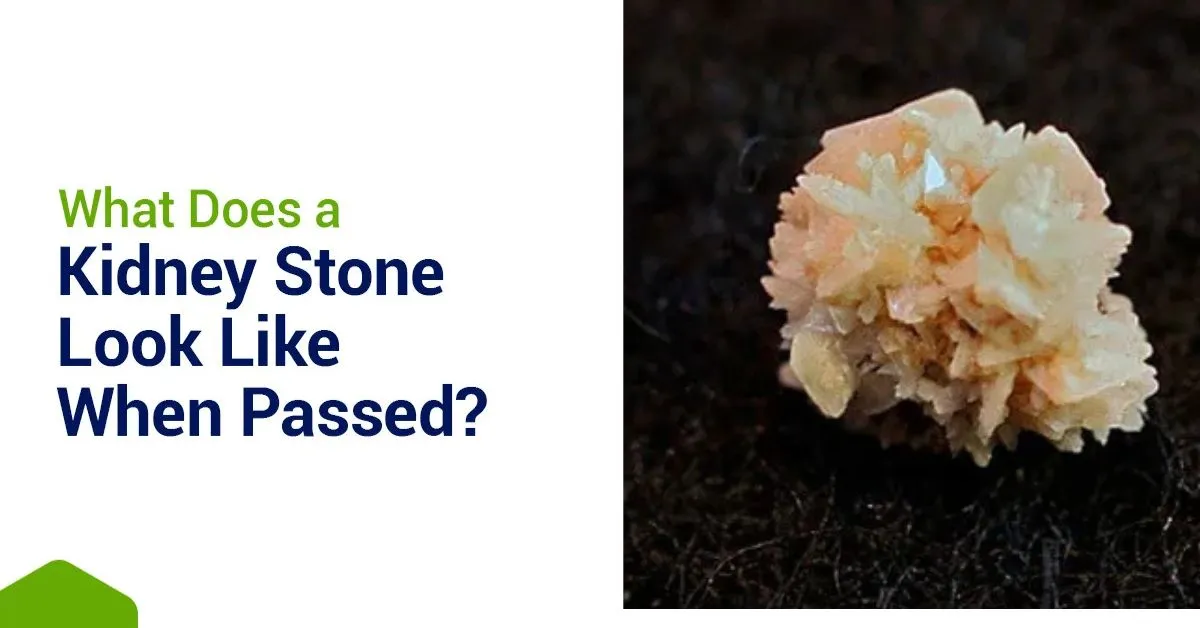
If you’ve ever wondered what does a kidney stone look like, you’re not alone. Many people search this question after experiencing sudden back pain, discomfort while urinating, or noticing something unusual in their urine.
Kidney stones are hard mineral deposits that form inside the kidneys when certain substances like calcium, oxalate, or uric acid become concentrated.
While they’re often talked about in terms of pain, their appearance is just as important for understanding what’s happening inside the body.
Kidney stones can vary widely in size, shape, color, and texture. Some are as small as a grain of sand, while others can grow large enough to block the urinary tract.
They may appear smooth or jagged, light or dark in color, and sometimes resemble tiny pebbles or crystals.
Knowing how kidney stones look can help you recognize them early, understand medical test results, and know when it’s time to seek professional care. This guide breaks down every visual detail in simple, clear terms.
Can You Actually See a Kidney Stone?
Yes, in many cases, a kidney stone can be seen, but it depends largely on its size and whether it has passed out of the body. Very small kidney stones, often called microstones, may be too tiny to notice with the naked eye and can pass through urine without being detected. These stones may feel like sand or fine grit and are sometimes only discovered through urine tests or imaging scans.
Larger kidney stones, however, are often visible once they leave the body. When a stone passes through the urinary tract and exits during urination, it may appear as a small, hard object in the toilet or urine strainer. Some people describe it as looking like a tiny pebble, grain of rice, or rough crystal. The surface may look uneven or spiky, which explains why kidney stones can cause significant discomfort while moving through narrow passages.
Inside the body, kidney stones cannot be seen directly without medical imaging. Doctors use CT scans, ultrasounds, or X-rays to detect stones that are still in the kidneys or ureters. These tests reveal the stone’s size and location rather than its exact color or texture. This is why many people are surprised when they finally see a kidney stone after passing it it often looks very different from what they imagined.
It’s also important to note that not everything visible in urine is a kidney stone. Blood clots, mineral crystals, or debris can look similar. If you’re unsure whether you’ve passed a kidney stone, collecting the object and showing it to a healthcare provider is the safest way to confirm it.
What Does a Kidney Stone Look Like? (General Appearance)
In general, a kidney stone looks like a small, solid mineral mass rather than a smooth medical object. Most kidney stones have an irregular, uneven shape, which is why they’re often compared to tiny pebbles, gravel, or crystal shards. Unlike rounded stones found in nature, kidney stones rarely look perfectly smooth, especially in their early or untreated stages.
The surface texture can vary significantly. Some kidney stones appear rough and jagged, with sharp edges that can irritate the lining of the urinary tract as they move. Others may look smoother or slightly rounded, particularly stones that have been worn down while traveling through the urinary system. The texture is a key reason kidney stones can cause intense pain, even when they are relatively small.
Kidney stones also differ in hardness. They are typically hard to the touch and do not crumble easily between fingers. Many have a crystalline or layered appearance, showing how minerals gradually built up over time. In certain lighting, a stone may even look slightly shiny or glass-like, depending on its composition.
Another noticeable feature is variation. Two kidney stones from different people or even from the same person may look completely different. Factors such as diet, hydration levels, medical conditions, and genetics all influence how a stone forms and what it ultimately looks like. This wide range of appearances is why kidney stones don’t have one “standard” look, making professional evaluation important if you suspect you’ve passed one.
Kidney Stone Size Explained (With Real Comparisons)
Kidney stones can vary dramatically in size, and their size plays a major role in how noticeable and painful they are. Some kidney stones are extremely small so tiny that they pass through the urinary tract without causing symptoms. These microstones are often compared to grains of sand or fine salt and may go completely unnoticed unless they are detected in a urine test.
Slightly larger stones are often described as being the size of a grain of rice or a small seed. These stones are usually visible to the naked eye once passed and may cause mild to moderate discomfort. As kidney stones grow larger, they can reach the size of a pea or marble, which significantly increases the likelihood of pain, urinary blockage, and visible blood in the urine.
In rare cases, kidney stones can grow much larger, sometimes several centimeters wide. These large stones, often called staghorn stones, can fill part of the kidney and may not pass naturally. Instead, they usually require medical intervention. Despite their size, some large stones cause surprisingly few symptoms until they interfere with kidney function or trigger infection.
It’s important to understand that even small kidney stones can be extremely painful if they have sharp edges or become lodged in a narrow part of the urinary tract. Conversely, a smoother stone may pass more easily despite being larger. This is why size alone doesn’t determine severity. Knowing these size comparisons helps people better visualize kidney stones and understand why experiences can differ so widely from person to person.
Kidney Stone Shape and Texture
The shape and texture of a kidney stone play a major role in how it feels and how easily it moves through the urinary tract. Most kidney stones are irregularly shaped, meaning they don’t have smooth, rounded edges like typical pebbles. Instead, many develop sharp points, spikes, or jagged surfaces as minerals crystallize and bind together over time.
Stones with a rough or spiky texture tend to cause more discomfort. As they travel from the kidney through the ureter, their uneven edges can scrape and irritate the delicate lining of the urinary tract. This irritation is one of the main reasons kidney stones are associated with intense, wave-like pain and sometimes bleeding. In contrast, smoother stones with more rounded edges may pass with fewer symptoms, even if they are relatively large.
Texture also reflects how the stone formed. Some kidney stones have a layered or crystalline appearance, showing visible lines or ridges where minerals built up gradually. Others may look dense and compact, while certain types appear porous or grainy on the surface. When viewed closely, a passed kidney stone can resemble a rough crystal rather than a solid rock.
Another important factor is durability. Kidney stones are usually very hard and do not dissolve in water or break apart easily without medical treatment. Even after passing, they often remain intact unless they have been shattered by procedures such as lithotripsy. Understanding the shape and texture of kidney stones helps explain why some pass quietly while others cause severe symptoms, despite being similar in size.
Kidney Stone Colors and What They Mean
Kidney stones come in a variety of colors, and their appearance often reflects the type of minerals they contain. While you can’t always determine the exact composition just by looking at a stone, color can provide helpful clues. Most kidney stones fall into shades of yellow, brown, or white, but some may even appear dark red, black, or pale gray.
Yellow or golden stones are among the most common and often indicate calcium-based stones, particularly calcium oxalate. These stones are usually hard and may have jagged edges. Brown or dark stones can form from calcium or uric acid and may appear layered or crystalline due to mineral buildup over time. White or pale stones often result from struvite stones, which can develop due to infections and may grow rapidly if untreated.
Less commonly, reddish or black stones may form due to certain metabolic conditions or rare types like cystine stones. The exact hue can also be influenced by diet, hydration levels, and other chemicals in the urine. For example, dehydration can intensify the color, making stones appear darker or more opaque.
While color gives some indication of composition, it doesn’t always predict how painful or dangerous a stone might be. A small, sharp yellow stone can be far more painful than a larger, smoother white one. Recognizing these color variations can help patients understand what type of stone they might have passed and provide useful information for healthcare providers when diagnosing or planning treatment.
What Do Kidney Stones Look Like in Urine?
Sometimes, kidney stones can be seen in urine after they pass, but the appearance can vary depending on the stone’s size, color, and composition. Small kidney stones, often referred to as microstones, may appear as tiny grains of sand or specks floating in the urine. These tiny fragments are often difficult to notice without a strainer or special container, but larger stones can be more visible and look like small pebbles or crystals.
The color of stones in urine generally reflects their mineral composition. For example, calcium stones may appear yellow, off-white, or brown, while uric acid stones can be reddish-brown or golden. Occasionally, stones may look slightly translucent or have a crystalline sparkle when light hits them. When multiple fragments pass together, urine may contain tiny clusters of stones, sometimes resembling coarse sand or gravel.
Passing a kidney stone often comes with other visual changes in urine. Blood may be present, causing pink, red, or brown discoloration, even if the stone itself is lighter in color. Cloudy or murky urine can also occur due to the presence of sediment or minerals from the stone.
It’s important to differentiate kidney stones from other particles in urine. Blood clots, mucus, or crystals unrelated to stones can look similar. If you see something unusual in your urine, collecting the object and showing it to a healthcare professional is the safest way to determine if it is truly a kidney stone. Proper evaluation ensures accurate diagnosis and timely treatment.
Different Types of Kidney Stones and Their Appearance
Kidney stones are not all the same they vary in composition, shape, texture, and color. Understanding these differences can help you recognize the type of stone and guide prevention or treatment strategies.
1. Calcium Oxalate Stones
These are the most common type of kidney stones. They are typically hard, jagged, and irregularly shaped, with colors ranging from yellow to dark brown or black. Their sharp edges make them particularly painful when passing through the urinary tract. Calcium oxalate stones often have a crystalline or layered surface, reflecting how the minerals accumulated over time.
2. Uric Acid Stones
Uric acid stones are usually smooth or slightly rough and often yellow, orange, or reddish-brown in color. They tend to form in people with high uric acid levels, including those with gout. These stones can be smaller and may pass more easily than calcium stones, but they can still cause significant discomfort.
3. Struvite Stones
Struvite stones are often associated with urinary tract infections. They can grow quickly and become large, pale, or off-white, sometimes filling parts of the kidney. Struvite stones may appear layered or smooth and can form complex shapes called staghorn stones due to their branching growth.
4. Cystine Stones
These are rare, genetically linked stones. Cystine stones often look yellow, waxy, or slightly translucent, with a smooth surface and occasionally a hexagonal crystal structure. Their formation is caused by a genetic disorder that affects amino acid metabolism.
Recognizing the type of kidney stone from its appearance can provide clues about its cause and guide prevention, diet, and treatment decisions. However, only a medical professional can confirm the stone type through testing.
What Does a Passed Kidney Stone Look Like?
When a kidney stone passes naturally, its appearance can be quite surprising. Many people expect a uniform, smooth pebble, but in reality, passed stones can vary widely in size, shape, color, and texture. Small stones may resemble grains of sand or tiny crystals, while larger stones can look like pebbles or even fragments of rough rock. Their surfaces may be jagged, spiky, or irregular, which explains why passing even a small stone can be extremely painful.
The color of a passed kidney stone often reflects its mineral composition. Calcium oxalate stones typically appear brown, yellow, or dark, while uric acid stones are usually orange, red, or golden. Struvite stones, often related to infections, are usually pale or white, whereas cystine stones may look yellowish and slightly waxy. Some stones even have a crystalline or layered appearance, showing how they formed over time.
Fragments are common, especially if the stone has been broken up naturally or through medical procedures like lithotripsy. These smaller pieces may pass gradually over several days, sometimes mixed with blood or urine sediments, giving the urine a cloudy appearance.
Even though passed kidney stones can vary, collecting and examining them is important. Doing so allows healthcare providers to analyze their composition, which helps in preventing future stones. Understanding what a passed kidney stone looks like not only gives insight into your health but also reassures patients that these tiny, often unusual-looking objects are a normal part of the condition’s process.
Kidney Stones vs Other Look-Alike Particles
It’s important to know that not everything you see in urine or notice while passing a kidney stone is actually a kidney stone. Several other particles can look similar, making visual identification alone sometimes tricky.
1. Bladder Stones
Bladder stones form in the bladder rather than the kidneys. They can be similar in size and color to kidney stones often yellow, brown, or off-white but their location differs. Bladder stones may cause discomfort lower in the abdomen or frequent urination rather than the intense flank pain typical of kidney stones.
2. Urine Crystals
Certain crystals, such as uric acid or phosphate crystals, can appear in urine and mimic the appearance of a small stone. These are usually tiny, shiny, or sand-like particles that may settle at the bottom of a toilet or strainer. Unlike true kidney stones, these crystals often dissolve with hydration and do not require medical removal.
3. Blood Clots
Blood clots from the urinary tract may sometimes be mistaken for kidney stones. They are typically dark red or brown, soft, and irregular in shape. Unlike hard stones, blood clots are pliable and may break apart easily in water.
4. Debris or Sediment
Other debris, including mucus, bacteria clusters, or mineral deposits, may appear as small specks or fragments. These can float or settle in urine, sometimes causing confusion for someone expecting a passed stone.
Because visual similarities exist, confirming the identity of a passed object is crucial. Collecting the stone and having a healthcare provider analyze it ensures proper diagnosis, determines its composition, and helps guide future prevention strategies. Mistaking another particle for a kidney stone could delay treatment or overlook an underlying condition.
How Doctors Identify Kidney Stones (Beyond Looks)
While knowing what a kidney stone looks like is helpful, doctors rarely rely on visual inspection alone. Most kidney stones are inside the body and cannot be seen without medical imaging. Healthcare providers use several methods to confirm the presence, size, and location of kidney stones and to plan appropriate treatment.
1. CT Scans
CT (computed tomography) scans are the most accurate method for detecting kidney stones. They can reveal very small stones, their exact position in the kidneys or ureters, and their approximate size. CT scans are often preferred in emergency situations because they provide rapid, detailed results.
2. Ultrasound
Ultrasound imaging uses sound waves to detect stones, particularly in the kidneys and bladder. While not as detailed as a CT scan, ultrasound is radiation-free, making it safer for repeated use or for children and pregnant patients. It can also help identify stones causing urinary blockage.
3. X-Rays
Some kidney stones, especially calcium-based ones, are visible on standard X-rays. While less detailed than CT scans, X-rays can provide useful information for follow-up and monitoring stone growth over time.
4. Urine Tests and Lab Analysis
Analyzing urine can indicate stone-forming substances such as calcium, oxalate, uric acid, or cystine. If a stone has already passed, lab analysis of the stone itself can reveal its composition, which is essential for preventing future stones.
5. Physical Symptoms
Doctors also consider pain patterns, blood in urine, and urinary changes. Sharp flank pain, nausea, and frequent urination often accompany stone formation.
Ultimately, combining imaging, lab tests, and patient history provides the most accurate diagnosis. Visual inspection of a passed stone is helpful but only one part of a comprehensive medical evaluation. This ensures proper treatment and reduces the risk of complications.
When the Appearance of a Kidney Stone Is Dangerous
Not all kidney stones are harmless, and sometimes their appearance can indicate a more serious problem. While most stones are small and pass naturally, certain visual characteristics or associated symptoms can signal danger and require immediate medical attention.
1. Extremely Large Stones
Some kidney stones can grow unusually large, sometimes called staghorn stones. These stones may occupy a significant portion of the kidney and are often pale or off-white. Large stones are unlikely to pass naturally and can block urine flow, increasing the risk of infection or kidney damage.
2. Sharp, Jagged Stones
Stones with spiky or irregular edges can be particularly dangerous. Their rough texture can scrape the urinary tract, causing severe pain, bleeding, and inflammation. Even a relatively small stone with sharp edges can trigger extreme discomfort compared to a smooth, larger stone.
3. Persistent Blood in Urine
If the urine shows continuous pink, red, or brown discoloration, it may indicate that a stone is causing significant internal bleeding. Blood in the urine should always be evaluated promptly to rule out serious complications.
4. Signs of Infection
Certain stones, especially struvite stones, are associated with urinary tract infections. Symptoms like fever, chills, foul-smelling urine, or cloudy urine alongside stone passage can indicate a dangerous infection that requires urgent treatment.
5. Difficulty Passing a Stone
A stone stuck in the urinary tract can cause severe pain, nausea, and reduced urine flow. If a stone appears unusually large, misshapen, or persists despite hydration, medical intervention is necessary.
Recognizing these warning signs ensures timely treatment and prevents complications. While most kidney stones are manageable, stones with concerning size, shape, color, or associated symptoms should never be ignored.
Can Kidney Stones Change Appearance Over Time?
Yes, kidney stones can change in appearance as they form, grow, or even begin to break down. Understanding these changes helps explain why stones can look different from one person to another or even at different stages of the condition.
Kidney stones begin as tiny crystals in the kidney. At this early stage, they may be nearly invisible to the naked eye, sometimes resembling fine sand or sediment in urine. As minerals like calcium, oxalate, or uric acid accumulate, the stone gradually grows, and its shape and texture evolve. Some stones develop jagged edges, while others become smoother as they move through the urinary tract.
Color can also change over time. Stones may start as pale or translucent formations and gradually darken to shades of yellow, brown, or reddish hues, depending on their chemical composition and exposure to urine minerals. Certain stones, such as struvite stones, can grow rapidly and form large, layered structures that change shape as they branch out in the kidney.
Fragmentation is another change. Stones may naturally break into smaller pieces while moving through the ureters or after medical treatments like lithotripsy. These fragments often appear different from the original stone, with smoother edges or a crystalline appearance.
Even after passing, kidney stones can sometimes retain traces of their previous layers, giving them a slightly textured or striped appearance. While appearance alone cannot fully diagnose the type or severity of a stone, tracking these changes alongside medical imaging and lab tests helps doctors manage treatment and provides insight into preventing future stone formation.
Prevention Tips Based on Kidney Stone Type
Preventing kidney stones often depends on understanding the type of stone you’re prone to, as different stones form under different conditions. Making lifestyle and dietary changes can reduce the risk of recurrence and improve overall kidney health.
1. Calcium Oxalate Stones
The most common type, calcium oxalate stones, often form when urine is concentrated or high in oxalate. Prevention strategies include drinking plenty of water to dilute urine, moderating foods high in oxalate like spinach, beets, and nuts, and maintaining a balanced calcium intake. Surprisingly, getting enough dietary calcium can actually help bind oxalate in the gut, reducing stone formation.
2. Uric Acid Stones
These stones form when urine is too acidic, often linked to high-purine diets, dehydration, or gout. Preventive measures include limiting purine-rich foods like red meat and shellfish, staying well-hydrated, and maintaining a healthy weight. Doctors may also recommend medications to reduce uric acid levels in certain cases.
3. Struvite Stones
Struvite stones are often caused by urinary tract infections. Preventing them focuses on treating infections promptly and practicing good urinary hygiene. Drinking enough water to flush bacteria and following prescribed antibiotics when necessary can reduce the risk of struvite stone formation.
4. Cystine Stones
These rare stones result from a genetic disorder affecting amino acid metabolism. Prevention involves increased hydration, sometimes up to 4 liters per day, and medications that reduce cystine levels in urine. Regular monitoring by a healthcare provider is crucial.
Overall, staying well-hydrated, maintaining a healthy diet, managing underlying medical conditions, and consulting a healthcare professional for personalized guidance are the most effective ways to prevent kidney stones. These measures help reduce recurrence and support long-term kidney health.
Frequently Asked Questions (FAQs)
1. What is the smallest kidney stone you can see?
Even tiny kidney stones, often called microstones, can sometimes be visible if passed in urine. These are usually the size of grains of sand or salt and may appear as tiny crystals or specks. Many microstones pass without causing noticeable symptoms.
2. Are kidney stones always painful?
Not necessarily. Some small stones pass silently without pain, while others, particularly jagged or larger stones, can cause intense flank pain, nausea, and blood in the urine. Pain severity depends on size, shape, and location in the urinary tract.
3. Can kidney stones look like sand?
Yes, particularly very small stones or stone fragments. These may appear as fine sand-like particles in urine, often accompanied by cloudy or discolored urine. Using a urine strainer can help capture them for examination.
4. Do kidney stones have a smell?
Kidney stones themselves are generally odorless. However, stones related to infections, like struvite stones, may be associated with foul-smelling urine due to bacteria.
5. Can individuals have different stones?
The types of stones can occur in human beings , but men are more prone to kidney stones overall. Certain factors, such as pregnancy, hormonal changes, or urinary tract infections, may affect stone formation in women.
6. How long does it take to pass a kidney stone?
Passage time varies. Small stones may pass within a few days, while larger or jagged stones may take weeks and sometimes require medical intervention. Hydration and movement can help speed up the process.
7. Can a kidney stone change color after formation?
Yes, stones may darken or develop layers over time depending on mineral accumulation, urine acidity, and hydration levels. Color alone does not indicate pain or severity.
Conclusion
Kidney stones are a common but often misunderstood condition, and knowing what they look like can help you identify them early and understand the risks involved.
These stones vary widely in size, shape, texture, and color from tiny grains of sand to larger, jagged pebbles, and from pale yellow to dark brown or reddish hues.
Understanding these visual characteristics can provide insight into the type of stone, its potential causes, and how it may affect your urinary tract.
While some kidney stones pass quietly with little discomfort, others especially larger, jagged, or infection-related stones can cause severe pain, bleeding, and even kidney complications.
Stones may appear differently depending on whether they are still inside the kidney, passing through the urinary tract, or collected after passing.
Certain stones, such as struvite or cystine stones, have unique appearances that reflect their origin and underlying conditions.
Prevention is just as important as recognition. Staying well-hydrated, maintaining a balanced diet, addressing underlying health conditions, and consulting a healthcare professional for personalized advice can greatly reduce the risk of recurrence.
Understanding the differences in appearance and composition helps guide preventive measures, dietary choices, and treatment options.
In summary, paying attention to the size, shape, color, and texture of kidney stones alongside symptoms can improve awareness, facilitate early diagnosis, and aid in prevention.
By combining visual understanding with professional medical care, you can manage kidney stones effectively and reduce their impact on your health. Recognizing these small but significant formations is the first step toward protecting your kidneys.

Elena Moretti is a highly accomplished Italian business executive and Country Business Unit Head for Building Products at Siemens S.p.A., known for her expertise in leadership, digital transformation, smart buildings, and strategic business growth. With a degree in Business Administration from Bocconi University, Moretti has built a distinguished career spanning finance, operations, and executive management in complex engineering‑driven industries.