

In today’s fast-paced business environment, organizations run on projects whether it’s launching a new product, building software, running a marketing campaign, or constructing a building.
Behind every successful project is a professional responsible for planning, organizing, and guiding the work from start to finish: the project manager.
Many people hear the title but are unsure what a project manager actually does on a day-to-day basis or why the role is so important.
A project manager acts as the central point of coordination, ensuring that goals are clearly defined, deadlines are met, and teams stay aligned.
They balance multiple responsibilities, including managing time, budget, scope, and quality, while also communicating with stakeholders and solving problems as they arise.
Without effective project management, projects can quickly fall behind schedule, exceed budgets, or fail to deliver expected results.
In this article, we’ll break down exactly what a project manager does, explore their key responsibilities and skills, and explain why project managers are essential across industries.
Whether you’re considering a career in project management or simply want to understand the role better, this guide will give you a clear and practical overview.
Who Is a Project Manager?
A project manager is a professional responsible for leading a project from its initial idea to its final completion. They are the person who ensures that a project is delivered on time, within budget, and according to the agreed scope and quality standards. Rather than doing all the technical work themselves, project managers focus on planning, coordination, and decision-making to keep everything moving in the right direction.
In an organization, a project manager acts as the bridge between stakeholders, clients, and the project team. Stakeholders may include company executives, clients, vendors, or end users, each with different expectations. The project manager’s role is to understand these expectations and translate them into clear tasks and goals for the team. This helps reduce confusion and ensures everyone is working toward the same outcome.
It’s also important to understand the difference between a project and regular operations. A project is temporary it has a clear start and end date and aims to create a specific result, such as launching a website or implementing a new system. Ongoing operations, on the other hand, are repetitive and continuous. Project managers specialize in handling this temporary, goal-focused work.
Project managers can be found in almost every industry, including IT, construction, healthcare, marketing, finance, and manufacturing. While the type of projects may differ, the core role remains the same: to organize resources, manage people, control risks, and ensure successful delivery. In short, a project manager is the driving force that turns ideas into real, measurable results.
What Does a Project Manager Do? (Core Responsibilities)
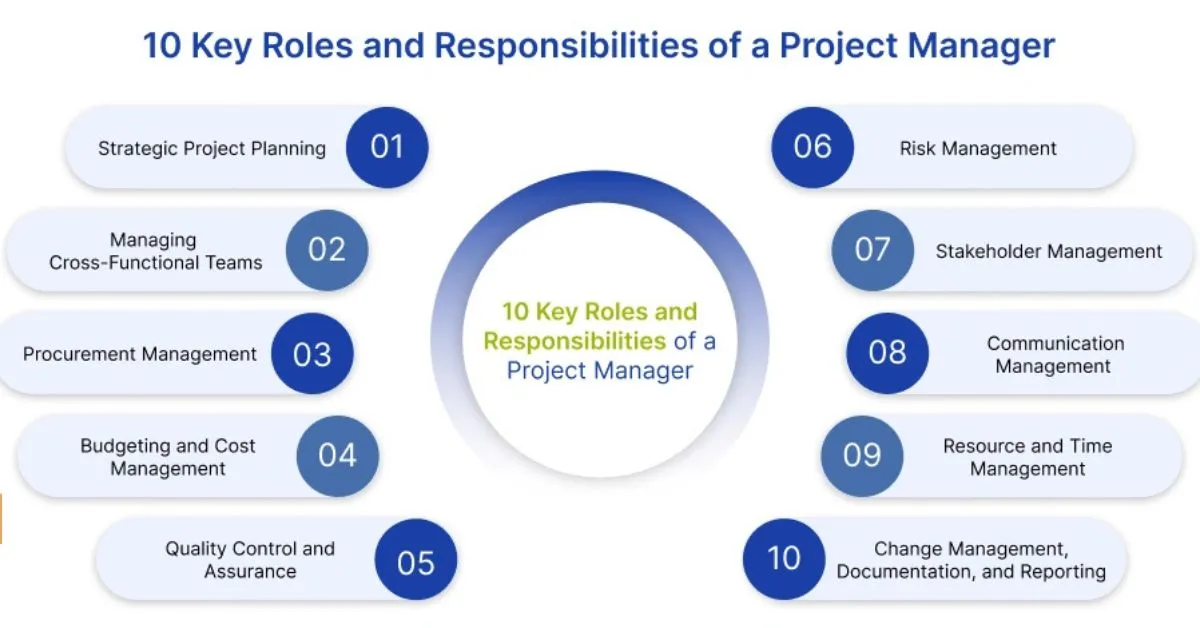
A project manager’s role is both broad and dynamic, combining planning, leadership, and problem-solving to ensure a project succeeds. At its core, the job revolves around managing the triple constraint of project management: time, cost, and scope. This means making sure that the project is completed on schedule, stays within budget, and delivers the agreed-upon results without compromising quality.
One of the most critical responsibilities is project planning. A project manager develops a roadmap that outlines the project’s objectives, deliverables, timelines, and milestones. This plan helps the team stay focused and ensures that everyone understands what needs to be done. Planning also includes defining the scope of the project to prevent “scope creep,” which can cause delays and increased costs.
Another key duty is team management and coordination. Project managers assign tasks, track progress, and ensure that team members have the resources and support they need. They act as a central point of communication, keeping the team aligned and resolving conflicts as they arise.
Stakeholder communication is equally important. Project managers regularly update clients, executives, and other stakeholders about progress, risks, and changes. They translate technical details into clear updates so that everyone involved can make informed decisions.
Finally, project managers are responsible for risk and quality management. They anticipate potential challenges, develop mitigation strategies, and monitor deliverables to ensure they meet established standards. By balancing planning, communication, leadership, and problem-solving, project managers play a vital role in turning ideas into successful projects.
Daily Tasks of a Project Manager
While project managers have broad responsibilities, their work is also defined by the day-to-day tasks that keep projects on track. A typical day involves a mix of planning, monitoring, coordinating, and communicating with both the team and stakeholders. Understanding these daily activities helps illustrate how project managers turn strategy into action.
One of the most common daily tasks is running meetings. These can include team stand-ups, progress updates, or client check-ins. During meetings, the project manager reviews completed work, identifies obstacles, and adjusts schedules or resources as needed. Effective meetings ensure everyone is aligned and aware of their responsibilities.
Another essential activity is tracking project progress. Project managers regularly monitor timelines, budgets, and task completion to ensure the project remains on course. This involves using project management software or dashboards to analyze data and identify areas that require attention. Early detection of delays or budget issues allows proactive solutions.
Problem-solving is a constant part of the day. Unexpected challenges like resource shortages, technical issues, or changes in client requirements require quick decision-making and flexibility. The project manager acts as the first line of defense, resolving conflicts and keeping the project moving forward.
Documentation and reporting are also important daily tasks. Project managers maintain records of decisions, progress reports, and risk assessments. These not only help with accountability but also provide valuable information for stakeholders and future projects.
In short, a project manager’s daily life is a careful balance of planning, monitoring, communicating, and problem-solving. By performing these tasks consistently, they ensure projects meet objectives, deadlines, and quality standards.
Key Skills a Project Manager Needs
Being an effective project manager requires a combination of soft skills, technical skills, and leadership abilities. While tools and methodologies are important, it’s often these core skills that determine whether a project succeeds or fails.
Communication skills are at the top of the list. Project managers must clearly convey expectations, deadlines, and responsibilities to team members and stakeholders. They also need to listen actively, understand concerns, and resolve misunderstandings before they escalate. Without strong communication, even the best project plan can fail.
Leadership and team management are equally essential. A project manager motivates team members, delegates tasks effectively, and fosters collaboration. Good leaders inspire confidence and accountability, creating a work environment where everyone strives to achieve the project goals.
Time management and organizational skills are crucial because project managers juggle multiple tasks, deadlines, and priorities simultaneously. They must be able to schedule work efficiently, allocate resources wisely, and ensure milestones are met without compromising quality.
Problem-solving and critical thinking are daily necessities. Projects rarely go exactly as planned, and unexpected issues technical, financial, or interpersonal can arise. A project manager must evaluate options quickly, make decisions under pressure, and implement solutions effectively.
Technical knowledge and familiarity with project management tools also matter. Understanding project management methodologies such as Agile, Scrum, or Waterfall helps a project manager plan and execute projects efficiently. Familiarity with tools like Jira, Trello, or Microsoft Project allows them to track progress and manage resources effectively.
Finally, adaptability and emotional intelligence enable project managers to navigate changes, handle stress, and maintain strong relationships with team members and stakeholders. These combined skills allow project managers to guide projects successfully from start to finish, even in challenging environments.
Project Management Methodologies
Project managers don’t just oversee tasks they follow structured approaches called project management methodologies to ensure projects are completed efficiently and effectively. Different methodologies suit different types of projects, and choosing the right one can make the difference between success and failure.
Waterfall is one of the traditional approaches. It follows a linear, step-by-step process where each phase must be completed before moving on to the next. This method works well for projects with clearly defined requirements, like construction or manufacturing projects, where changes are minimal once work begins.
Agile is a more flexible methodology, popular in software development and creative industries. Agile focuses on iterative progress, with work divided into short cycles called “sprints.” Teams regularly review and adapt their plans based on feedback, allowing projects to respond quickly to changes or unforeseen challenges.
Scrum is a framework within Agile that emphasizes teamwork, accountability, and regular progress tracking. Scrum teams hold daily stand-up meetings to discuss what they accomplished, what they plan to do, and any obstacles they face. This constant communication keeps the team aligned and focused on delivering value.
Kanban is another Agile-inspired method that visualizes work using boards and cards, helping teams track progress and identify bottlenecks. It’s particularly effective for ongoing projects or operations with continuously changing priorities.
Many project managers also adopt hybrid approaches, combining elements of Agile and Waterfall to suit complex projects. Understanding these methodologies allows project managers to select the approach that best aligns with project goals, timelines, and team structure. By following the right methodology, project managers ensure projects are well-organized, transparent, and adaptable to change.
Tools and Software Used by Project Managers
Project managers rely heavily on tools and software to plan, execute, and monitor projects effectively. These tools help organize tasks, track progress, facilitate communication, and manage resources. Using the right software can save time, reduce errors, and keep projects on schedule.
One of the most commonly used tools is project planning software. Tools like Microsoft Project and Smartsheet allow project managers to create detailed timelines, assign tasks, and visualize dependencies between activities. These tools are essential for complex projects with multiple teams and tight deadlines.
For teams following Agile methodologies, Jira and ClickUp are popular options. These platforms help track progress through sprints, monitor task completion, and identify bottlenecks. Kanban boards and task lists in these tools make it easier to prioritize work and adapt quickly to changes.
Collaboration tools are equally important. Platforms like Slack, Microsoft Teams, or Zoom facilitate team communication, ensuring everyone stays aligned even in remote or distributed teams. They also allow project managers to share updates, files, and decisions in real-time.
Project managers also use reporting and analytics tools to track KPIs, monitor budgets, and measure project performance. Dashboards and automated reports provide stakeholders with clear, actionable insights without overwhelming them with details.
Additionally, some project managers use document management systems like Google Workspace or SharePoint to organize project documents, plans, and reference materials. This ensures that all team members have access to the latest versions and reduces the risk of miscommunication.
By leveraging these tools, project managers can coordinate teams more efficiently, make informed decisions, and maintain transparency throughout the project lifecycle, ensuring a higher likelihood of successful project delivery.
Project Manager vs Other Roles
While the project manager role is widely recognized, it is often confused with other leadership positions. Understanding the differences between a project manager and related roles helps clarify responsibilities and expectations.
Project Manager vs Product Manager is a common point of confusion. A project manager focuses on completing a specific project within time, scope, and budget constraints. They manage resources, schedules, and team coordination to deliver the project successfully. In contrast, a product manager is responsible for the vision, strategy, and lifecycle of a product. While the product manager decides what to build, the project manager focuses on how to execute it efficiently.
Project Manager vs Program Manager involves the scope of oversight. Program managers handle multiple related projects and align them with broader business goals. While project managers concentrate on the details of a single project, program managers ensure that all projects within a program work together to achieve strategic objectives.
Project Manager vs Team Lead differs primarily in authority and responsibility. Team leads oversee specific teams or technical work and often report to project managers. They ensure tasks are completed correctly and provide guidance on technical matters, while the project manager coordinates across teams, manages timelines, and handles stakeholder communication.
Despite overlaps, the project manager’s role is unique in its cross-functional coordination, risk management, and overall accountability for project success. Understanding these distinctions helps organizations assign roles appropriately and allows professionals to choose the career path that best suits their skills and interests. Clear role definitions also prevent duplication of effort and ensure smoother project execution.
Industries That Rely on Project Managers
Project managers are essential in nearly every industry because organizations of all types undertake projects that require coordination, planning, and execution. While the responsibilities may vary depending on the sector, the core role of ensuring that projects are completed on time, within budget, and according to scope remains the same.
Information Technology (IT) and Software Development is one of the most prominent industries for project managers. Projects such as software development, system implementation, or IT infrastructure upgrades require careful planning, Agile methodologies, and constant communication between developers, designers, and clients.
Construction and Engineering rely heavily on project managers to oversee complex projects like building bridges, commercial buildings, or industrial facilities. These projects involve strict deadlines, budget constraints, and safety standards, making project management critical for success.
Marketing and Advertising projects like campaigns, product launches, or social media strategies require project managers to coordinate creative teams, track deliverables, and measure campaign effectiveness.
Healthcare projects, such as implementing new hospital systems, launching wellness programs, or rolling out medical research initiatives, also benefit from structured project management to ensure compliance and efficiency.
Finance and Banking use project managers for initiatives like regulatory compliance projects, system upgrades, and operational improvements. Project managers ensure that projects meet legal requirements while staying on schedule and within budget.
Other industries include manufacturing, education, government, and energy, all of which manage projects that demand resources, timelines, and stakeholder coordination.
Across industries, the project manager’s ability to plan, communicate, and solve problems makes them indispensable. Their work ensures that organizations can successfully complete projects, meet objectives, and deliver value to clients, stakeholders, and teams.
Is Project Management a Good Career?
Project management is widely regarded as a rewarding and in-demand career, offering opportunities for growth, diverse experiences, and strong earning potential. For individuals who enjoy planning, problem-solving, and leadership, it can provide both professional satisfaction and stability.
One of the main advantages of a project management career is high job demand. Across industries like IT, construction, healthcare, marketing, and finance, organizations need skilled professionals to manage projects efficiently. According to labor statistics, project management roles are expected to grow steadily over the coming years, making it a relatively secure career choice.
Career growth and advancement are other benefits. Entry-level project coordinators can progress to project manager roles, and with experience, advance to senior project manager, program manager, or director of project management positions. Those with certifications such as PMP (Project Management Professional), CAPM (Certified Associate in Project Management), or PRINCE2 can further accelerate their careers and command higher salaries.
Project management also offers diverse opportunities. Professionals may work across different industries, gaining exposure to new challenges and business environments. Some roles even allow for remote work or freelance project management, providing flexibility in work location and schedule.
However, it is important to note that project management can be demanding. The role requires handling multiple responsibilities simultaneously, making tough decisions under pressure, and balancing stakeholder expectations. Effective stress management and strong organizational skills are essential.
Overall, project management is a dynamic career that combines leadership, strategy, and problem-solving. For those who thrive in structured yet challenging environments, it offers long-term growth, a variety of opportunities, and the satisfaction of seeing projects succeed under their guidance.
How to Become a Project Manager
Becoming a project manager requires a combination of education, practical experience, and professional certifications. While there is no single path, following structured steps can help aspiring professionals enter and succeed in this career.
Education is often the first step. Many project managers hold a bachelor’s degree in business, management, engineering, information technology, or related fields. While some industries may prefer specific technical backgrounds, the key is understanding organizational processes, communication, and planning.
Gaining experience is equally important. Entry-level roles such as project coordinator, assistant project manager, or team lead provide hands-on exposure to planning, scheduling, and managing tasks. Working under experienced project managers allows newcomers to learn best practices, develop leadership skills, and understand project workflows.
Professional certifications can significantly boost a project manager’s credentials. The Project Management Professional (PMP) certification is widely recognized and demonstrates a strong understanding of project management principles and methodologies. For those just starting, the Certified Associate in Project Management (CAPM) is an excellent stepping stone. Other options include PRINCE2, Agile Certified Practitioner (PMI-ACP), or Scrum certifications, depending on the industry or methodology.
Soft skills development is also critical. Communication, leadership, problem-solving, time management, and adaptability are essential for managing teams and projects effectively. These skills are often developed through hands-on experience and mentorship.
Finally, building a professional network can open doors to job opportunities and mentorship. Joining professional associations, attending industry events, and connecting with experienced project managers can accelerate career growth.
By combining education, experience, certifications, and strong interpersonal skills, aspiring project managers can build a successful career and take on increasingly complex projects across industries, guiding teams toward achieving their goals.
Project Manager Career Path
The career path of a project manager offers clear growth opportunities for professionals who demonstrate strong leadership, organizational skills, and the ability to deliver successful projects. While the journey may vary depending on industry and experience, most project managers progress through a series of increasingly responsible roles.
At the entry level, individuals often start as Project Coordinators or Assistant Project Managers. In these roles, they support senior project managers by handling administrative tasks, tracking schedules, preparing reports, and coordinating team activities. This stage is crucial for gaining hands-on experience with project workflows and understanding team dynamics.
After gaining experience, professionals can advance to a Project Manager position. At this level, they take full responsibility for managing projects, including planning, budgeting, team coordination, risk management, and stakeholder communication. Success in this role requires strong problem-solving skills and the ability to handle multiple tasks simultaneously.
With further experience, a project manager can progress to Senior Project Manager. These professionals handle larger, more complex projects or multiple projects simultaneously. They may also mentor junior project managers, shape project strategies, and make critical decisions that impact the organization’s success.
The next step is often a Program Manager or PMO (Project Management Office) Lead, overseeing multiple projects or programs to ensure they align with the organization’s strategic goals. Program managers coordinate across departments, manage resources, and optimize project portfolios for efficiency.
At the executive level, project managers can become Directors of Project Management or Chief Project Officers, focusing on strategic planning, organizational improvement, and high-level stakeholder engagement.
A project management career path rewards competence, certifications, and leadership. With dedication, professionals can move from entry-level coordination roles to influential executive positions, shaping how organizations deliver value through successful projects.
Challenges Faced by Project Managers
Project managers play a crucial role in guiding projects to success, but their job comes with a variety of challenges. These challenges can be technical, organizational, or interpersonal, requiring project managers to be proactive, adaptable, and skilled problem-solvers.
One of the most common challenges is scope creep. This occurs when project requirements expand beyond the original plan, often due to changing stakeholder expectations or unclear initial objectives. Managing scope creep requires strong communication, careful documentation, and the ability to negotiate priorities without compromising deadlines or budgets.
Tight deadlines are another major challenge. Projects often have fixed delivery dates, and unforeseen obstacles like team absences, technical issues, or supplier delays can make meeting these deadlines difficult. Project managers must balance time, quality, and cost while keeping the team motivated and focused.
Budget constraints also pose a significant challenge. Project managers are responsible for ensuring that projects are completed within the allocated budget. Unexpected expenses or miscalculations can put pressure on managers to find creative solutions without sacrificing quality.
Team dynamics and conflicts can impact project success. Managing a diverse group of professionals with varying skills, personalities, and work styles requires strong leadership, emotional intelligence, and conflict-resolution abilities.
Finally, stakeholder management can be complex. Different stakeholders may have competing interests or unrealistic expectations. Project managers must communicate effectively, provide regular updates, and align stakeholders with project objectives to avoid misunderstandings.
Despite these challenges, successful project managers thrive by staying organized, using the right tools, and applying problem-solving and communication skills. Overcoming these obstacles not only ensures project success but also strengthens a project manager’s professional growth and reputation.
Real-World Example of a Project Manager at Work
To better understand the role of a project manager, consider a real-world scenario in a software development company. Suppose a company wants to launch a new mobile application within six months. The project manager is responsible for planning, coordinating, and overseeing the entire process to ensure the app is delivered on time and meets quality standards.
The first step for the project manager is project planning. They define the scope, set goals, and create a detailed roadmap with milestones and deadlines. This plan outlines what needs to be done, by whom, and when. The project manager also identifies potential risks, such as delays in development or unexpected technical challenges, and develops strategies to mitigate them.
During the execution phase, the project manager coordinates between developers, designers, and quality assurance teams. They assign tasks, monitor progress, and ensure that team members have the resources they need. Daily stand-up meetings help identify obstacles early, allowing the project manager to address issues before they escalate.
Stakeholder communication is another key responsibility. The project manager regularly updates executives and clients on progress, highlighting completed milestones, potential delays, and solutions. This transparency builds trust and ensures everyone is aligned.
Finally, in the testing and delivery phase, the project manager ensures the app meets quality standards, resolves any last-minute issues, and oversees the final release. They also conduct a project review to identify lessons learned for future projects.
This example illustrates how a project manager acts as the central coordinator, problem-solver, and communicator, turning complex ideas into successful, tangible outcomes. Their leadership ensures the project is completed efficiently and effectively.
FAQs About Project Managers
When learning about project management, many common questions arise. Addressing these frequently asked questions can help clarify the role and guide aspiring professionals.
1. What qualifications do project managers need?
While formal education helps, project managers can come from various academic backgrounds, including business, IT, engineering, or management. What matters most is understanding project workflows, communication, and organizational processes. Professional certifications, such as PMP (Project Management Professional) or CAPM (Certified Associate in Project Management), are highly valued and often improve career prospects.
2. Can you be a project manager without experience?
Yes, though it’s easier to start in entry-level roles like project coordinator or assistant project manager. These positions provide hands-on experience, exposure to project planning and execution, and the opportunity to develop leadership skills. Over time, gaining certifications and experience can lead to a full project manager role.
3. How long does it take to become a project manager?
The timeline varies depending on education, experience, and industry. Some individuals transition into project management within a few years after starting in related roles, while others may take longer if pursuing certifications and specialized experience. Typically, 2–5 years of relevant experience is common before taking on full project manager responsibilities.
4. How much do project managers earn?
Salaries vary by industry, location, and experience. Entry-level project managers earn less, while senior project managers and program managers can earn significantly more. Certifications and demonstrated success in delivering projects often lead to higher pay.
5. What skills are most important for project managers?
Communication, leadership, time management, problem-solving, and adaptability are essential. Technical knowledge of project management tools and methodologies also helps in effectively guiding teams and managing projects.
These FAQs provide a practical overview, helping readers understand the role, requirements, and opportunities associated with project management.
Conclusion
Project managers play a pivotal role in turning ideas into successful, tangible outcomes.
They act as the central point of coordination, balancing multiple responsibilities such as planning, scheduling, budgeting, risk management, and team leadership.
By ensuring that projects are completed on time, within budget, and according to defined quality standards, project managers contribute directly to an organization’s success.
Throughout a project’s lifecycle, from initiation to closing, project managers guide teams, communicate with stakeholders, and solve problems that arise along the way.
Their work requires a unique combination of technical expertise, leadership abilities, and soft skills like communication, adaptability, and emotional intelligence.
By mastering these skills, project managers can handle challenges such as scope creep, tight deadlines, and resource constraints while keeping teams motivated and productive.
Project management is not limited to a single industry.
Professionals are needed in IT, construction, healthcare, finance, marketing, and countless other sectors, making it a versatile and in-demand career.
With the right education, certifications, and practical experience, aspiring project managers can build a rewarding career path that offers growth opportunities, diverse challenges, and the satisfaction of seeing projects succeed under their guidance.
In conclusion, understanding what a project manager does highlights the complexity and importance of the role.
Whether you are considering a career in project management or seeking to hire one for your organization, recognizing their responsibilities, skills, and impact is essential.
Project managers are the driving force behind successful projects, ensuring that organizational goals are achieved efficiently and effectively.

Elena Moretti is a highly accomplished Italian business executive and Country Business Unit Head for Building Products at Siemens S.p.A., known for her expertise in leadership, digital transformation, smart buildings, and strategic business growth. With a degree in Business Administration from Bocconi University, Moretti has built a distinguished career spanning finance, operations, and executive management in complex engineering‑driven industries.