
If you spend any time texting, scrolling through social media, or reading online comments, you’ve probably seen the term ASF pop up and wondered what it actually means.
Internet slang moves fast, and new abbreviations appear almost daily, making it easy to feel out of the loop.
ASF is one of those expressions that looks confusing at first but is surprisingly simple once you understand the context.
Short for “as f*,”** ASF is a slang term people use to add strong emphasis to a statement. Instead of saying something is very good, extremely funny, or really annoying, people use ASF to intensify their feelings in a casual, often humorous way.
You’ll commonly see it in text messages, TikTok comments, Instagram captions, and memes.
However, ASF isn’t appropriate in every situation, and its meaning can feel unclear if you don’t know the tone behind it. In this article, we’ll break down exactly what ASF means, how it’s used, and when you should or shouldn’t use it.
What Does ASF Mean?
At its core, ASF is an abbreviation of the phrase “as f*”**, used in casual conversation, texting, and online content to intensify a statement. Essentially, it functions as a slang intensifier, allowing people to emphasize how extreme or intense something is. For example, if someone says, “I’m tired ASF,” they are expressing that they are extremely tired. Similarly, “That pizza was good ASF” communicates that the pizza was exceptionally delicious. The key thing to understand is that ASF is not meant to be taken literally; it’s simply a modern, informal way of saying very or extremely.
ASF is part of a larger trend in internet and texting slang where profanity is shortened or censored for convenience and style. By using ASF instead of spelling out the expletive, users can convey strong emotion while keeping their messages short and punchy. This abbreviation is particularly popular among younger generations, especially on platforms like TikTok, Instagram, and Twitter/X, where brevity is important.
It’s also worth noting that ASF is flexible in how it’s used. It can describe emotions, physical states, objects, or experiences. For instance, someone might say, “This party is lit ASF,” meaning the party is extremely exciting, or “I’m cold ASF,” meaning they are freezing. The versatility of ASF makes it a common choice in casual digital communication.
Understanding ASF’s meaning helps readers interpret online messages accurately, avoid misunderstandings, and even join in on popular internet slang without feeling lost or confused.
How ASF Is Used in Texting and Social Media
ASF has become a staple in casual texting and social media because it allows people to communicate strong feelings quickly and efficiently. The abbreviation is often used to emphasize emotions, opinions, or reactions, giving sentences extra punch without requiring long explanations. For instance, someone might text, “I’m bored ASF,” to convey that they are extremely bored, or post on Instagram, “This view is beautiful ASF,” to express that they are deeply impressed by a scenery. Its brevity makes it perfect for platforms with character limits, like Twitter/X, or for quick messaging in apps such as WhatsApp and Snapchat.
In social media captions, ASF often appears alongside hashtags, emojis, or other slang to enhance tone and relatability. For example, a TikTok caption reading “This song is catchy ASF 😍🔥” not only shows enthusiasm but also engages viewers in a playful, informal way. Memes and viral content frequently adopt ASF as well, adding comedic exaggeration or sarcasm.
However, the context of ASF is crucial. Depending on the sentence and the writer’s tone, ASF can indicate excitement, frustration, humor, or exaggeration. Unlike formal language, it’s not about precision but about conveying feeling and attitude. Readers familiar with online slang immediately understand the intensity, while newcomers may find it confusing without context.
Learning how to interpret ASF correctly helps users navigate the modern digital language landscape confidently.
Is ASF Offensive or Inappropriate?
ASF, short for “as f*,”** contains an expletive, which naturally raises questions about whether it’s offensive or inappropriate. For example, texting “I’m hungry ASF” to a close friend is unlikely to cause any offense it simply emphasizes your extreme hunger.
However, ASF is not suitable for formal or professional settings. Using it in emails, school assignments, workplace chats, or public communications can appear unprofessional and disrespectful. Even in semi-formal online discussions, the presence of the implied profanity may make some readers uncomfortable.
Another important factor is tone. ASF can intensify both positive and negative expressions. Misreading the tone can lead to misunderstandings, especially for those unfamiliar with internet slang.
Overall, ASF is a casual, expressive slang term best reserved for informal communication. Understanding the context and audience ensures you use it appropriately and avoid offending others. By being mindful of where and how ASF is applied, you can participate in online conversations confidently without coming across as rude or insensitive.
ASF Meaning by Context
In contrast, using the same phrase in a more formal or unfamiliar setting could confuse readers or come across as inappropriate.
On social media platforms, ASF is often used to exaggerate emotions, make content more engaging, or add humor. TikTok, Instagram, and Twitter/X are hotspots for ASF usage in captions, comments, and memes. For example, a TikTok caption like “This outfit is cute ASF 😎✨” conveys strong admiration for the clothing, while also showing playfulness through emojis. In memes, ASF frequently appears to exaggerate situations, making them funnier or more relatable.
ASF can also vary by tone of emotion. Positive contexts might include excitement, joy, or approval, such as “This cake is delicious ASF.” Negative contexts might express frustration, annoyance, or exhaustion, like “Work is stressful ASF.” Because of its intensity, ASF works best when the emotional emphasis aligns with the audience’s expectations.
Finally, ASF’s versatility is part of why it has become so widely adopted online. Understanding the context is essential for using it correctly knowing when it’s appropriate and what feeling it conveys ensures clear communication and avoids misunderstandings in digital conversations.
ASF vs Similar Slang Terms
ASF is one of several internet slang terms used to intensify statements, but it’s important to understand how it compares to similar expressions. The most direct comparison is AF, which also stands for “as f***.” While AF and ASF are essentially interchangeable in meaning, ASF is slightly less common in some circles and can feel a bit more casual or playful depending on the user. Both are used to emphasize feelings, but the choice often comes down to personal style or platform trends.
Another comparison is with words like “very,” “extremely,” or “so.” These traditional intensifiers serve the same purpose as ASF emphasizing a state or emotion but they lack the informal, edgy tone that ASF carries.
ASF is also sometimes compared to other online slang expressions like “lit,” “mad,” or “hella.” While these words add emphasis or exaggeration, they often carry specific cultural or regional nuances. ASF, in contrast, is more universal in online English slang and can modify nearly any adjective or situation for dramatic effect.
Understanding these comparisons is useful because it helps readers choose the right intensifier depending on tone, audience, and platform. For casual texting, memes, or social media captions, ASF (or AF) is perfect. In professional writing or neutral conversation, traditional intensifiers like “very” or “extremely” are more appropriate. Recognizing these differences ensures that your messages are clear, expressive, and contextually suitable.
Common Misunderstandings About ASF
Although ASF is widely used online, it is often misunderstood, especially by people who are new to internet slang. One of the most common misconceptions is that ASF stands for multiple different phrases. In reality, ASF almost always means “as f*”**, serving as a casual intensifier.
Another misunderstanding involves its level of offensiveness. Some people assume that ASF is extremely rude or vulgar. While it does contain a profane word, the abbreviation softens the impact.
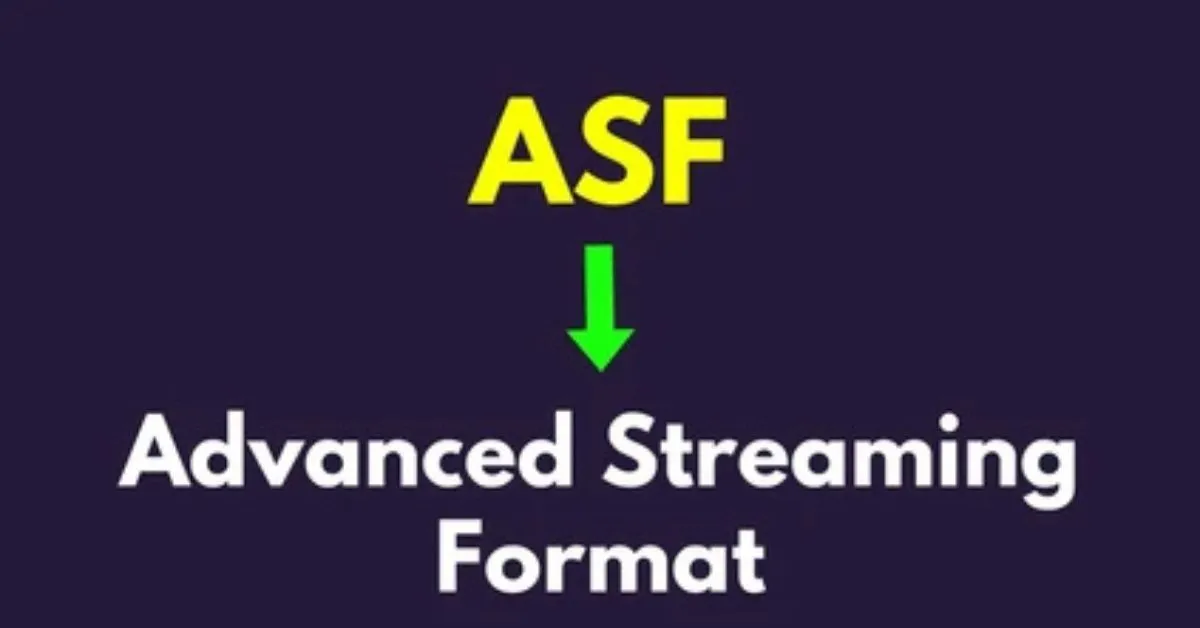
Some users also confuse ASF with similar acronyms or abbreviations, such as AF, which technically means the same thing, or with unrelated technical terms like ASF (Advanced Systems Format) in computing.
Finally, ASF is sometimes overused or misapplied in sentences where it doesn’t make sense, such as attaching it to words that aren’t easily intensified. For example, “I saw a tree ASF” feels awkward and unclear. Understanding how to use ASF correctly helps prevent these common mistakes. By learning its proper meaning, context, and tone, readers can participate in digital communication confidently and avoid misinterpretations.
Examples of ASF Used in Sentences
One of the best ways to understand ASF is to see how it is used in real-life examples. ASF functions as an intensifier, meaning it emphasizes a state, feeling, or experience. For instance, someone might text, “I’m tired ASF,” which clearly communicates extreme exhaustion. Similarly, a friend posting “This cake is delicious ASF” on Instagram is showing that the cake is exceptionally tasty. In these cases, ASF conveys emphasis and adds a casual, expressive tone.
ASF can also be used humorously or sarcastically. For example, “I’m broke ASF” can exaggerate financial stress in a playful way, while “This homework is hard ASF” expresses frustration but in a relatable, informal tone. Social media users often combine ASF with emojis or hashtags to further enhance tone: “This concert was amazing ASF 😍🔥 #BestNightEver.” The emojis and hashtags amplify enthusiasm, while ASF conveys intensity.
Similarly, in memes or TikTok captions, ASF can exaggerate reactions for comedic effect, such as “When the Wi-Fi finally works ASF 😩.”
Overall, ASF’s versatility makes it a widely used intensifier across platforms. Understanding these examples helps readers interpret meaning correctly and use ASF in their own casual communication without confusion. By seeing ASF in context, its purpose as a slang intensifier becomes clear and easy to apply.
Can ASF Be Used in Professional or Academic Writing?
While ASF is widely accepted and understood in casual texting, social media, and online communities, it is not appropriate for professional or academic writing. The abbreviation contains an implied expletive, which makes it informal and potentially offensive in formal contexts. Using ASF in emails, reports, essays, or presentations can appear unprofessional, diminish credibility, and distract readers from the intended message. For example, writing “This project is difficult ASF” in a workplace email would be considered inappropriate and could give the impression of carelessness or immaturity.
In academic writing, clarity, precision, and formality are critical. Slang terms like ASF do not meet these standards, and professors or editors may view them as unprofessional.
Even in professional settings online, such as LinkedIn or company forums, ASF should be avoided. Using it in comments, captions, or group chats could inadvertently offend colleagues or damage your professional image. Context matters, but when in doubt, it is safer to use formal language.
The key takeaway is that ASF is a tool for casual expression, not for professional or academic communication.
How to Respond When Someone Uses ASF
Encountering ASF in a text, comment, or social media post can be confusing if you’re not familiar with internet slang. The key to responding appropriately is understanding the context and tone in which ASF is used. Since ASF is an intensifier, it typically expresses strong emotion whether excitement, frustration, humor, or exaggeration. Recognizing this helps you interpret the message accurately and respond in a way that matches the tone.
In casual conversations with friends or peers, responding naturally works best.
On social media, ASF often appears in comments or captions, and responses can be short, playful, or emoji-based to reflect the casual tone. For instance, reacting to a TikTok caption “This food is delicious ASF 😋” could involve leaving a heart emoji, a laughing face, or a comment like “Looks so good!”
It’s important to note that ASF should be interpreted as casual language rather than a literal statement. Avoid overreacting or taking offense if the tone seems exaggerated. By understanding ASF’s meaning and intent, you can respond appropriately, join in on digital slang, and communicate confidently in informal online spaces.
Frequently Asked Questions About ASF
Since ASF is a common internet slang term, many people have questions about its meaning, usage, and appropriateness. Addressing these FAQs helps clarify confusion and ensures readers understand the term fully.
1. What does ASF mean in text?
ASF stands for “as f*”** and is used as a slang intensifier. It emphasizes a feeling, state, or opinion, such as “I’m tired ASF” or “This movie was amazing ASF.”
2. Is ASF the same as AF?
Yes, AF and ASF are interchangeable in meaning. Both are abbreviations of “as f***,” though ASF may feel slightly more casual or playful depending on the context.
3. Is ASF offensive?
ASF contains an implied profanity, so it is informal and potentially offensive in certain contexts. Among friends or in casual online conversations, it is usually harmless. Avoid using ASF in professional, academic, or formal settings.
4. Can ASF be used in social media captions?
Absolutely. ASF is widely used on TikTok, Instagram, Twitter/X, and memes to exaggerate emotions or add humor. Emojis and hashtags often accompany it to enhance tone.
5. Can ASF have other meanings?
In casual texting and online slang, ASF almost always means “as f***.” Technically, ASF can have other unrelated meanings in technical or professional contexts (like computing), but these are rarely relevant in social media or texting.
6. How do I respond when someone uses ASF?
Understand the tone and context. Match the intensity in casual responses, or use emojis and short comments to show understanding or agreement.
By answering these common questions, readers can confidently interpret ASF and use it correctly in everyday digital communication.
Final Thoughts: What ASF Really Means Today
In today’s digital world, ASF has become a staple of casual communication, allowing people to emphasize feelings, experiences, and opinions in a quick, expressive way.
At its core, ASF stands for “as f*”** and serves as a modern intensifier, conveying emotions like excitement, frustration, humor, or exaggeration.
Its versatility and brevity make it ideal for texting, social media captions, memes, and online comments, where conveying tone quickly is essential.
While ASF is widely understood, context remains key. It works best among friends, peers, and informal communities where casual, playful language is the norm.
Using it in professional, academic, or formal settings, however, can be inappropriate, as the implied profanity may offend or reduce credibility.
Understanding the boundaries of ASF ensures effective communication without misunderstandings.
Like many slang terms, it evolves rapidly, with usage patterns shifting depending on platform trends and generational preferences.
Staying familiar with terms like ASF helps users navigate online conversations, pop culture references, and social media more confidently.
Ultimately, ASF is more than just a short, edgy abbreviation it is a cultural tool that reflects how people express intensity and emotion in the digital age.
By understanding its meaning, tone, and context, anyone can interpret ASF correctly, participate in casual online communication, and enjoy the playful side of modern language.

Margaret Johnson was an American blues and early jazz vocalist and pianist active during the 1920s. She began her recording career in the early part of that decade, performing in vaudeville and jazz ensembles, and is best remembered for her work in blues music.