

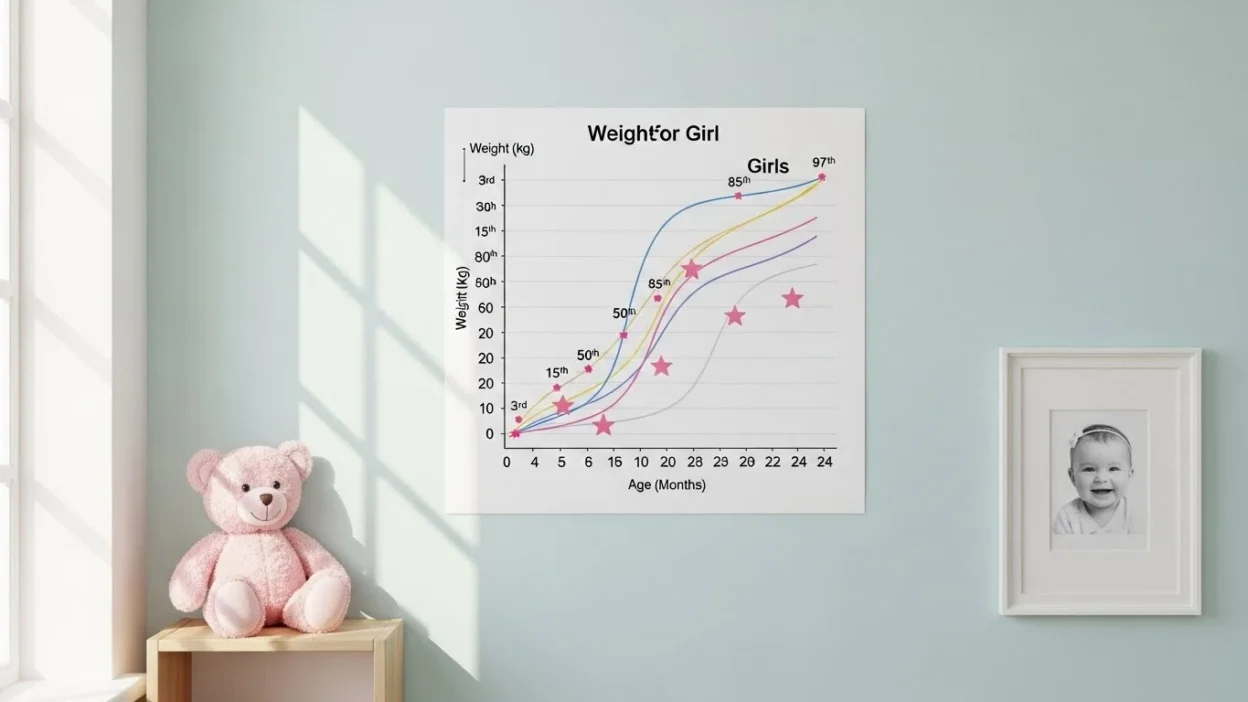
Tracking your baby girl’s growth is one of the most important tasks for new parents. A baby girl weight chart helps you understand whether your little one is developing at a healthy pace and gives peace of mind about her growth journey.
Many parents wonder, “Is my baby gaining enough weight?” or “How much should a baby girl weigh at different ages?” Using a baby girl growth chart can answer these questions clearly.
These charts show the average weight of baby girls by month and year, helping you track her growth compared to standard percentiles. It’s important to remember that every baby is unique, and minor variations are normal.
This guide provides detailed weight charts, tips for monitoring healthy growth, factors affecting weight, and advice on when to consult a pediatrician. By the end, you’ll have everything you need to confidently track your baby girl’s health and development.
Baby Girl Weight Chart Quick Overview
A baby girl weight chart is a helpful tool for parents and caregivers to monitor a child’s growth over time. It shows the average weight of baby girls at different ages, usually from birth to five years, and helps track whether your baby is gaining weight at a healthy rate. Most weight charts use percentiles, which indicate how a baby compares to other children of the same age and sex. For example, a baby in the 50th percentile weighs more than 50% of peers and less than the other 50%.
Using a baby girl growth chart is not about comparing your child to others but understanding her unique development. These charts are based on data collected by pediatric organizations, reflecting healthy ranges for newborns, infants, and toddlers. Weight alone does not determine health; height, head circumference, and overall growth patterns are equally important.
Parents can track their baby’s weight by regularly measuring her at home or during pediatric check-ups and plotting it on the chart. This makes it easier to notice trends, such as steady growth or sudden changes. A quick overview of the chart helps parents feel confident about their baby girl’s progress and ensures early attention if growth appears unusual.
Average Baby Girl Weight by Age (0–12 Months)
Knowing the average weight of a baby girl during her first year helps parents track healthy growth. While every baby grows at her own pace, pediatricians provide standard ranges to guide parents. Below is a month-by-month weight guide for baby girls:
| Age | Average Weight (lbs) | Average Weight (kg) |
|---|---|---|
| Birth | 7.5 | 3.4 |
| 1 month | 9 | 4.1 |
| 2 months | 10 | 4.5 |
| 3 months | 11 | 5 |
| 4 months | 12 | 5.5 |
| 5 months | 13 | 5.9 |
| 6 months | 14 | 6.4 |
| 7 months | 15 | 6.8 |
| 8 months | 16 | 7.3 |
| 9 months | 17 | 7.7 |
| 10 months | 17.5 | 7.9 |
| 11 months | 18 | 8.2 |
| 12 months | 19 | 8.6 |
It’s normal for some babies to be slightly above or below these numbers. Growth may also fluctuate during the first year due to factors like feeding type, genetics, and activity level. Regular check-ups allow pediatricians to assess growth trends rather than single measurements.
Parents should remember that weight percentiles are more important than exact numbers. For example, a baby staying around the 25th percentile is perfectly healthy if she follows her own growth curve consistently. Using a baby girl growth chart alongside this month-by-month guide helps parents track development confidently and spot any early concerns.
Weight Chart for Baby Girls (1–5 Years)
After the first year, a baby girl’s growth begins to slow compared to her rapid infant months. Tracking her weight from ages 1 to 5 years helps parents ensure she maintains a healthy growth pattern and meets developmental milestones. Pediatric growth charts provide average weight ranges for each age, allowing parents to compare their child’s progress over time.
Here’s a typical weight guide for baby girls aged 1–5 years:
| Age | Average Weight (lbs) | Average Weight (kg) |
|---|---|---|
| 1 year | 19 | 8.6 |
| 2 years | 24 | 10.9 |
| 3 years | 28 | 12.7 |
| 4 years | 32 | 14.5 |
| 5 years | 36 | 16.3 |
These numbers represent general averages, and individual growth may vary depending on genetics, nutrition, and activity levels. Staying on a consistent growth percentile is more important than exact weight, as children naturally grow at slightly different rates.
Parents should continue tracking weight alongside height and BMI to get a full picture of overall health. Regular pediatric visits allow for adjustments if weight gain appears too slow or too rapid. Using a baby girl weight chart from infancy through early childhood provides reassurance, helps identify potential health concerns early, and supports lifelong healthy habits.
By monitoring these trends, parents can confidently ensure their baby girl grows steadily and maintains a healthy weight during her toddler and preschool years.
Factors That Affect Baby Girl’s Weight
A baby girl’s weight is influenced by several factors, and understanding them can help parents interpret growth charts more accurately. Genetics plays a major role—parents’ heights and weights often influence the baby’s natural growth patterns. For example, a baby born to taller parents may naturally weigh more, while babies from smaller parents may be lighter yet perfectly healthy.
Birth weight is another key factor. Babies born prematurely or with low birth weight may gain weight differently during the first year, requiring careful monitoring. Feeding type also has a significant impact. Breastfed babies often gain weight more steadily, while formula-fed babies may gain weight faster in some cases. Introducing solids at the right age ensures proper nutrition without overfeeding.
Activity levels also matter. Active babies may burn more calories, which can influence weight gain, while less active infants may gain weight faster. Sleep patterns are indirectly linked to growth, as growth hormone is mostly released during deep sleep.
Finally, medical conditions or illnesses can affect weight. Conditions like digestive disorders or metabolic issues may slow weight gain, while other conditions may cause excessive weight gain. Regular pediatric check-ups help identify these issues early.
Understanding these factors ensures parents use the baby girl weight chart as a helpful guide rather than a strict rule. It emphasizes that healthy growth depends on a combination of genetics, nutrition, activity, and overall well-being, not just the numbers on a chart.
How to Use a Baby Girl Weight Chart
Using a baby girl weight chart is a simple yet effective way for parents to monitor their child’s growth over time. The first step is to weigh your baby accurately. For infants, use a digital baby scale or measure during pediatric visits. For toddlers and older children, a standard scale at home works well. Always weigh at the same time of day and under similar conditions for consistency.
Next, plot the weight on the chart. Most charts use percentiles, which indicate how your baby compares to other girls of the same age. For example, being in the 50th percentile means your baby weighs more than 50% of peers but less than the other 50%. Staying along the same percentile over time is more important than the exact number.
Parents should also track growth trends rather than focusing on single measurements. Sudden spikes or drops may indicate changes in nutrition, health, or activity levels. Combine weight tracking with height and head circumference for a full picture of overall growth.
A baby girl growth chart can also help guide feeding decisions. For instance, a baby consistently below average weight may benefit from more frequent feeding or consultation with a pediatrician, while babies above average may require portion adjustments.
Finally, remember that minor variations are normal. The chart is a tool for awareness, not a source of stress. By using it regularly, parents can ensure healthy growth, catch potential issues early, and provide the best care for their baby girl.
Signs of Healthy Growth in Baby Girls
Healthy growth in baby girls isn’t just about numbers on a baby girl weight chart. Parents should look for several key signs that indicate proper development and overall well-being. One of the most important indicators is consistent growth along a percentile curve. Even if your baby is below or above the average, following her own growth pattern steadily shows healthy development.
Weight gain patterns are also significant. Babies should gain weight gradually and steadily each month. Rapid drops or spikes may signal nutritional or medical concerns. Along with weight, height and head circumference are essential to track, as they provide a complete picture of growth.
Developmental milestones are another indicator. Babies who roll over, sit, crawl, or walk on schedule are generally growing well. Energy levels, alertness, and responsiveness to interaction also reflect good nutrition and overall health.
Feeding habits play a role, too. Babies with a healthy appetite and regular feeding schedules often show consistent weight gain. On the other hand, poor feeding, frequent vomiting, or refusal to eat may affect weight and require pediatric guidance.
Finally, appearance and vitality matter. A healthy baby typically has bright eyes, healthy skin, and normal muscle tone. These signs, combined with steady progress on a baby girl growth chart, reassure parents that their child is developing appropriately. By observing these indicators, parents can ensure their baby girl grows healthily and thrives during her early years.
When to Consult a Pediatrician About Weight Concerns
While tracking your baby girl’s growth using a baby girl weight chart is helpful, it’s important to know when to seek professional advice. Pediatricians can provide guidance if your child’s weight deviates significantly from her usual percentile or the average ranges for her age.
Red flags include sudden weight loss, failure to gain weight consistently, or rapid weight gain that exceeds normal growth patterns. Babies who fall below the 5th percentile or above the 95th percentile may require evaluation, especially if the trend continues over multiple months.
Other signs that warrant consultation include feeding difficulties, such as poor appetite, frequent vomiting, or refusal to eat, as well as persistent digestive issues or frequent illnesses that might affect growth. Parents should also seek advice if their baby shows delayed developmental milestones, low energy levels, or unusual fatigue, as these can be linked to nutritional or health concerns.
Regular well-baby visits are essential, as pediatricians can track weight alongside height, head circumference, and developmental progress. They can identify underlying causes like metabolic conditions, food sensitivities, or hormonal imbalances that might impact growth.
Remember, using a baby girl growth chart is a guide, not a diagnostic tool. Consulting a pediatrician ensures that any weight concerns are addressed early, helping your baby girl achieve healthy growth and development. Early intervention can prevent complications and support her overall well-being.
Tips for Supporting Healthy Weight in Baby Girls
Helping your baby girl maintain a healthy weight involves a combination of proper nutrition, activity, and consistent monitoring. A baby girl weight chart is a useful guide, but active steps can support her overall growth and well-being.
Feeding practices are the foundation. For infants, frequent breastfeeding or formula feeding ensures adequate calorie intake. As your baby transitions to solids, offer nutrient-rich foods such as fruits, vegetables, whole grains, and proteins. Avoid overfeeding or giving sugary snacks, as these can lead to unhealthy weight gain.
Encourage physical activity appropriate for her age. Tummy time, crawling, walking, and playful exercises help burn energy, strengthen muscles, and support healthy development. Even small daily movement routines are beneficial.
Ensure proper sleep, as growth hormone is released primarily during deep sleep. Establish consistent sleep schedules to promote optimal growth.
Monitor growth regularly using a baby girl weight chart. Track trends rather than single measurements, and note any sudden changes. This helps identify potential issues early and allows for timely adjustments in diet or routine.
Hydration and balanced nutrition remain important as she grows. Introduce a variety of healthy foods to develop long-term healthy eating habits.
Lastly, provide emotional support and patience. Babies grow at their own pace, and minor fluctuations in weight are normal. By combining monitoring with healthy lifestyle habits, parents can confidently support their baby girl’s growth and ensure she reaches her full developmental potential.
FAQs
1. How often should I weigh my baby?
For infants, weekly or biweekly weigh-ins can help track early growth. After the first year, monthly or quarterly checks are usually sufficient, alongside pediatric visits.
2. What if my baby falls below the 5th percentile?
A baby below the 5th percentile may still be healthy if she follows her own growth curve. Consult a pediatrician for evaluation if the trend continues or there are other concerns.
3. Can a baby be healthy above the 95th percentile?
Yes, some babies naturally weigh more due to genetics. Consistent growth and overall development are key indicators of health.
4. Do growth charts vary by country?
Yes, growth charts may differ slightly due to regional population data. Pediatricians typically use standardized charts from organizations like WHO or CDC.
5. How do I track my baby’s growth at home?
Use a digital scale for infants or a standard scale for toddlers. Record weight consistently and plot it on the chart. Track trends rather than single measurements.
6. What other measurements should I track?
Height/length, head circumference, and developmental milestones give a complete picture of growth alongside weight.
Conclusion:
Tracking your baby girl’s growth with a baby girl weight chart is a valuable tool for ensuring she develops healthily.
While the chart provides a clear reference for average weight by age, it is most useful when combined with consistent monitoring, proper nutrition, and attention to overall development.
Every baby grows at her own pace, so minor variations are normal and should not cause alarm.
Parents should focus on trends rather than single measurements, paying attention to percentile curves and growth patterns.
Regular pediatric check-ups, balanced feeding, adequate sleep, and age-appropriate activity all contribute to healthy weight gain.
By observing developmental milestones and overall well-being alongside chart data, parents can confidently support their baby’s growth.

Rafael Domínguez Gamas (born February 14, 1883 in Cárdenas, Tabasco; died January 23, 1959 in Veracruz) was a prominent Mexican lawyer, educator, journalist, writer, and academic. He studied law at the Instituto Juárez and also worked as a professor there. Early in his career he directed schools in various towns in Tabasco and contributed frequently to publications such as Alba, El Renacimiento, and El Eco de Tabasco. In 1914 he moved to Veracruz, where he worked with the journal El Dictamen. He was later elected a corresponding member of the Academia Mexicana de la Lengua for his contributions to Mexican literature and language studies. Domínguez authored numerous books and essays including Azul como tus ojos (1925) and Diccionario general de gentilicios (1948).