

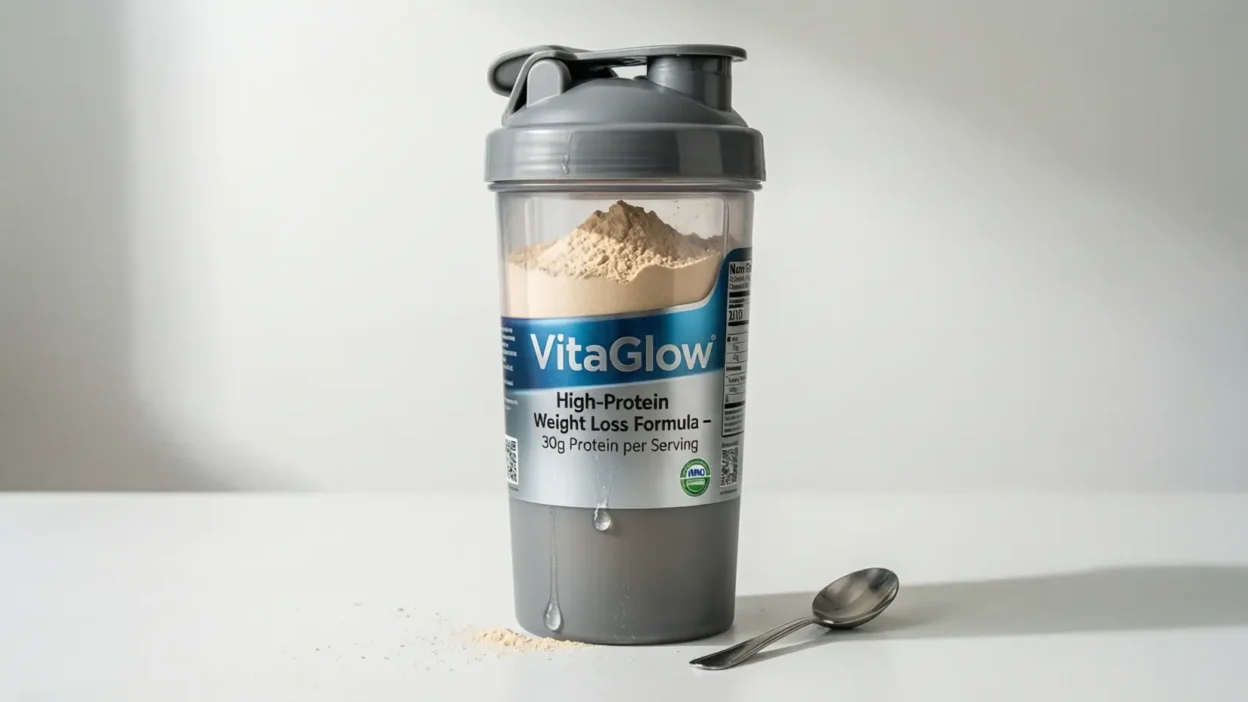
Losing weight can feel like an uphill battle, especially when juggling diet, exercise, and a busy lifestyle.
One of the most effective tools many people overlook is protein powder. Not only does it help you stay fuller for longer, but it also supports muscle retention, boosts metabolism, and reduces cravings, all of which are essential for sustainable weight loss.
With so many options on the market—from whey and casein to plant-based proteins—choosing the right one can be overwhelming.
This guide will break down the best protein powders for weight loss, highlighting their benefits, how to use them effectively, and key factors to consider before buying.
Whether you’re looking for a low-calorie meal replacement, a post-workout shake, or a vegan-friendly option, this article will help you find the perfect protein powder to support your weight loss journey and achieve your fitness goals.
Why Protein Is Essential for Weight Loss
Protein is one of the most important nutrients for anyone looking to lose weight. Unlike carbohydrates or fats, protein has a unique ability to keep you full and satisfied, which helps reduce overall calorie intake. When you include enough protein in your diet, you’re less likely to snack on unhealthy foods or overeat at meals. This effect, known as satiety, makes protein powders a convenient and effective tool for weight management.
Another key benefit of protein is its role in muscle preservation. When you lose weight, the goal is to burn fat while maintaining lean muscle mass. Muscle is metabolically active, meaning it burns calories even at rest. Consuming enough protein, especially in combination with exercise, helps prevent muscle loss and ensures that most of the weight you lose comes from fat.
Protein also has a higher thermic effect of food (TEF) compared to carbs and fats. This means your body burns more calories digesting protein than other macronutrients, giving a small but significant boost to your metabolism.
Additionally, protein can help stabilize blood sugar levels and reduce cravings, making it easier to stick to a calorie-controlled diet. With these benefits, protein powders become an ideal supplement for weight loss—they provide a high-quality, convenient source of protein that supports fat loss, muscle retention, and overall health.
By understanding these benefits, you can see why choosing the right protein powder is a critical step in achieving your weight loss goals efficiently.
Types of Protein Powder and Their Weight-Loss Benefits
Not all protein powders are created equal, and choosing the right type can make a big difference in your weight-loss journey. Here’s a breakdown of the most popular options:
1. Whey Protein
Whey protein is one of the most popular and effective options for weight loss. It is quickly absorbed by the body, making it ideal for post-workout recovery. Whey helps curb hunger, supports muscle retention, and can slightly boost metabolism due to its high protein content.
2. Casein Protein
Casein is a slow-digesting protein, which makes it perfect for nighttime use. It provides a steady release of amino acids, helping you stay full longer and preventing late-night cravings. Casein is especially helpful for preserving muscle while losing fat.
3. Plant-Based Protein
Plant-based powders such as pea, hemp, and rice protein are excellent for vegans or those with lactose intolerance. Many plant proteins are rich in fiber, which further promotes satiety and supports digestive health. Blended plant proteins can provide a complete amino acid profile, making them as effective as animal-based options.
4. Collagen Protein
Collagen protein is less common but can aid in weight loss by supporting joint health, improving skin elasticity, and providing a feeling of fullness. While not ideal for building large amounts of muscle, it complements other protein sources.
5. Blended Proteins
Some powders combine multiple protein types to balance fast and slow digestion, making them versatile for any time of day.
Understanding these options helps you select the protein powder that aligns with your dietary needs, lifestyle, and weight-loss goals.
Key Factors to Consider When Choosing Protein Powder
Choosing the right protein powder for weight loss can be overwhelming, but focusing on a few key factors can make the decision easier.
1. Protein Content per Serving
For weight loss and muscle maintenance, aim for a protein powder that provides 20–30 grams of protein per serving. This amount helps keep you full, supports metabolism, and promotes lean muscle retention during a calorie deficit.
2. Low Sugar and Carbs
Many protein powders contain added sugar, which can slow weight loss and increase cravings. Look for powders labeled low sugar or no added sugar. If you’re following a low-carb plan, check the carb content as well.
3. Minimal Additives
Some powders include artificial flavors, thickeners, or fillers. While these may improve taste or texture, they add unnecessary calories and may affect digestion. Choosing a powder with clean, simple ingredients is always better.
4. Digestibility and Allergens
Consider any dietary restrictions or allergies. For example, lactose-intolerant individuals may prefer whey isolate or plant-based proteins, while those avoiding soy or gluten should check labels carefully.
5. Taste and Mixability
A protein powder you enjoy is more likely to become a regular part of your routine. Try powders that mix well with water, milk, or smoothies for convenience and consistency.
6. Price and Availability
Finally, consider your budget and how easy it is to purchase the product. A protein powder that’s affordable, high quality, and accessible will help you stay consistent over time.
By paying attention to these factors, you can select a protein powder that not only supports weight loss but also fits your lifestyle and preferences.
Top Protein Powders for Weight Loss (Product Reviews)
When it comes to choosing the best protein powder for weight loss, certain products stand out due to their high protein content, low sugar, and quality ingredients. Here are some top options:
1. Whey Protein – Best Overall
Whey protein remains one of the most effective choices for fat loss. It digests quickly, helping curb hunger and support post-workout recovery. Many brands offer whey protein with minimal sugar and 20–30 grams of protein per serving, making it ideal for muscle retention while losing weight.
2. Plant-Based Protein – Best Vegan Option
For vegans or those avoiding dairy, plant-based proteins like pea, hemp, or brown rice provide a clean, fiber-rich option. Some blends combine multiple plant proteins to ensure a complete amino acid profile. These powders help promote satiety and can be used in smoothies, shakes, or recipes.
3. Casein Protein – Best for Nighttime
Casein is a slow-digesting protein that keeps you full for longer periods, making it perfect for bedtime use. This helps prevent late-night snacking and supports muscle retention during weight loss.
4. Low-Calorie Meal Replacement Protein Powder
Some powders are designed specifically as meal replacements. They are low in calories, high in protein, and often enriched with vitamins and minerals. These are great for busy individuals who want a controlled, convenient calorie option.
Choosing a protein powder depends on your dietary needs, lifestyle, and weight-loss goals. Whether you prefer whey, plant-based, casein, or meal replacement powders, incorporating the right protein powder into your routine can help accelerate fat loss and maintain lean muscle.
How to Use Protein Powder for Maximum Weight Loss
Using protein powder correctly is just as important as choosing the right type. When incorporated strategically into your diet, it can significantly enhance weight loss results.
1. Timing Matters
For optimal results, consume protein powder at key times. Post-workout is ideal because your muscles need protein for recovery and growth. A shake in the morning or as a mid-day snack can also help curb cravings and keep you full, preventing unnecessary snacking. Casein protein is particularly effective before bedtime because it digests slowly and promotes satiety overnight.
2. Portion Control
Even the healthiest protein powder can hinder weight loss if overconsumed. Stick to the recommended serving size, usually 20–30 grams per shake, and account for any additional protein from meals to stay within your daily targets.
3. Meal Replacement or Supplement
Protein powder can be used as a meal replacement for lunch or snacks, or as a supplement to your existing meals. When using it as a meal replacement, pair it with fiber-rich fruits or vegetables to increase fullness and nutrient intake.
4. Incorporate into Recipes
Protein powder is versatile. You can add it to smoothies, oatmeal, pancakes, or even baking recipes. This makes it easier to stay consistent while enjoying a variety of flavors.
5. Stay Consistent
Consistency is key. Incorporate protein powder regularly into your diet while maintaining a calorie-controlled plan and exercising. This combination ensures you maximize fat loss while preserving lean muscle.
By following these strategies, protein powder becomes a powerful tool to support your weight-loss journey effectively and sustainably.
Benefits Beyond Weight Loss
While protein powder is widely used for weight loss, its benefits extend far beyond just shedding pounds. Incorporating protein powder into your diet can improve overall health, fitness, and daily energy levels.
1. Muscle Retention and Strength
Protein supports lean muscle mass, which is crucial not only for metabolism but also for strength and physical performance. When combined with resistance training, protein powder helps preserve muscle while you’re in a calorie deficit, ensuring that most of the weight lost comes from fat, not muscle.
2. Faster Recovery After Exercise
Protein aids in muscle repair and recovery, reducing soreness and fatigue after workouts. This allows you to train more consistently and effectively, supporting both weight loss and overall fitness goals.
3. Convenient Nutrition
In today’s busy world, protein powder offers a quick and convenient source of high-quality protein. It’s ideal for people who struggle to meet their protein needs through whole foods alone, whether at home, work, or on the go.
4. Appetite Control and Satiety
High-protein meals and shakes help control hunger, reduce cravings, and prevent overeating. This effect supports a sustainable calorie deficit, making weight loss more manageable over the long term.
5. Supports Healthy Aging
Protein is essential for maintaining muscle, bone health, and immune function, especially as we age. Regular protein intake can reduce the risk of sarcopenia (muscle loss) and support overall vitality.
Common Mistakes to Avoid When Using Protein Powder
Protein powder is a powerful tool for weight loss, but using it incorrectly can reduce its effectiveness or even hinder your progress. Avoiding these common mistakes will help you get the best results.
1. Relying on Protein Powder Alone
One of the biggest mistakes is using protein powder as a magic solution. While it can support weight loss, it won’t replace the need for a balanced diet and regular exercise. Protein powder should complement whole foods, not replace them entirely.
2. Overconsumption
Consuming too much protein can be counterproductive. Extra protein that your body doesn’t need can be stored as fat. Stick to the recommended serving size, usually 20–30 grams per shake, and account for protein from other meals to avoid exceeding your daily requirement.
3. Choosing High-Sugar or Low-Quality Products
Not all protein powders are created equal. Some contain added sugars, artificial flavors, and fillers, which can sabotage weight loss and affect digestion. Always read labels carefully and choose a clean, low-sugar option.
4. Ignoring Timing and Meal Planning
Using protein powder without planning when and how to consume it may reduce its benefits. Timing protein around workouts or using it as a snack replacement can maximize satiety and muscle retention.
5. Neglecting Hydration
High-protein diets require adequate water intake. Not drinking enough water can lead to digestive discomfort or kidney strain.
FAQ:
Many people have questions about using protein powder for weight loss. Here are some of the most common concerns answered:
1. Can protein powder alone help me lose weight?
Protein powder is not a magic solution. It can support weight loss by increasing satiety, preserving muscle, and boosting metabolism, but it must be combined with a calorie-controlled diet and regular exercise to be effective.
2. Is whey or plant protein better for fat loss?
Both whey and plant-based proteins can support weight loss. Whey is quickly absorbed and ideal post-workout, while plant-based options like pea or hemp protein are high in fiber and suitable for vegans or those with lactose intolerance. Choose the type that fits your dietary needs and preferences.
3. How much protein powder should I consume daily?
Most adults aiming for weight loss benefit from 20–30 grams per serving, 1–2 times per day, depending on your total protein needs from meals. Be mindful of total daily protein intake to avoid overconsumption.
4. Are there side effects of consuming too much protein?
Excess protein can strain the kidneys in people with pre-existing conditions and may cause digestive discomfort or bloating. Stick to recommended servings and balance your diet with fruits, vegetables, and whole foods.
5. Can I replace a meal with protein powder?
Yes, protein powders can be used as a meal replacement, especially low-calorie powders enriched with vitamins and minerals. Pairing them with fiber-rich foods like fruits or oats improves fullness and nutrition.
Conclusion
Protein powder can be a highly effective tool for anyone looking to lose weight, but choosing the right type and using it correctly is key.
From whey and casein to plant-based and collagen powders, each option offers unique benefits that can support fat loss, muscle retention, and overall health.
Incorporating protein powder into your diet can help you feel fuller for longer, reduce cravings, and improve metabolism, making it easier to maintain a calorie-controlled plan.
However, it’s important to remember that protein powder is a supplement, not a replacement for a balanced diet and regular exercise.
Avoid common mistakes such as overconsumption, relying solely on shakes, or choosing powders with added sugar and fillers.
Timing your protein intake around workouts, using meal replacements wisely, and staying consistent will maximize results and make your weight-loss journey more sustainable.
Ultimately, the best protein powder is one that fits your dietary needs, lifestyle, and personal preferences.
Whether you prefer a quick whey shake after exercise, a slow-digesting casein at night, or a fiber-rich plant-based option, incorporating high-quality protein into your routine can accelerate fat loss while supporting lean muscle and long-term health.

Margaret Johnson was an American blues and early jazz vocalist and pianist active during the 1920s. She began her recording career in the early part of that decade, performing in vaudeville and jazz ensembles, and is best remembered for her work in blues music.