
Perimenopause is a natural phase in a woman’s life that usually occurs in her 40s, marking the transition toward menopause.
One of the most frustrating symptoms during this period is unexpected weight gain, even when diet and exercise remain consistent.
Hormonal changes, especially declining estrogen and progesterone levels, can slow metabolism, increase fat storage around the abdomen, and affect energy levels.
Alongside lifestyle factors like stress, sleep, and activity level, these changes make weight management more challenging than ever.
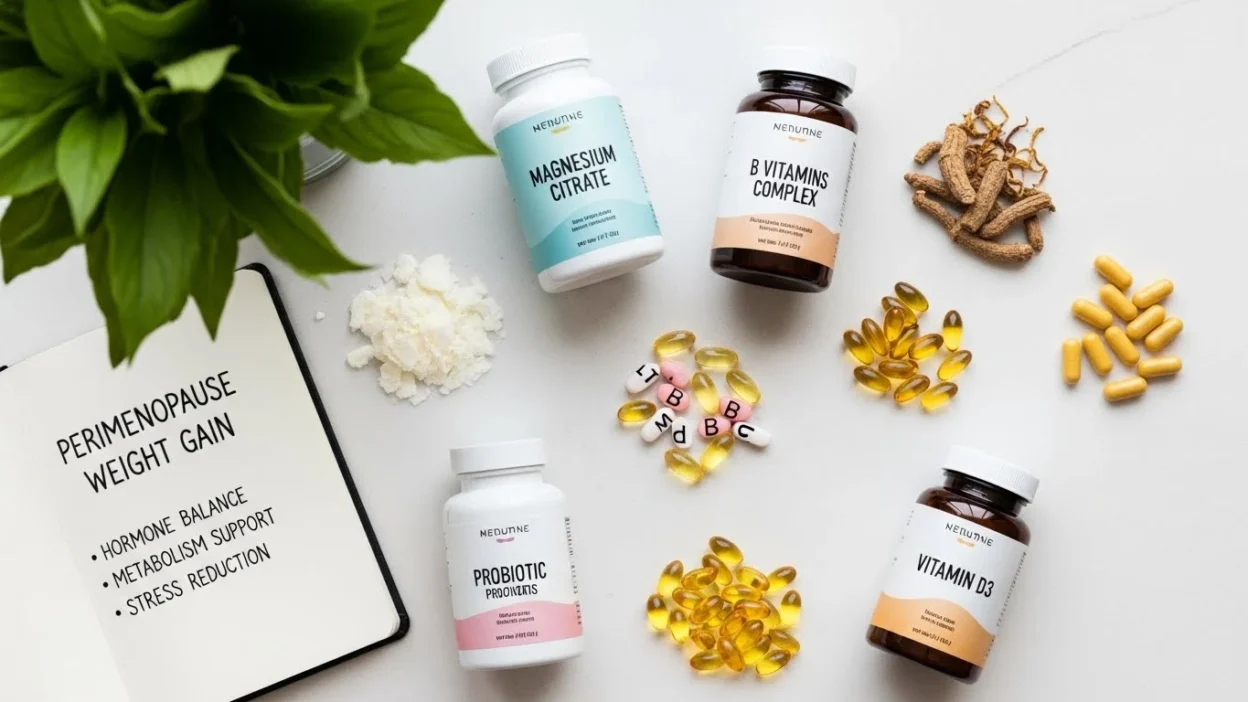
Fortunately, certain supplements can support hormonal balance, boost metabolism, control appetite, and maintain muscle mass, helping women navigate perimenopause more smoothly.
This article explores the best supplements for perimenopause weight gain, providing evidence-based recommendations, usage tips, and lifestyle strategies to help you manage your weight effectively and feel your best during this transitional stage.
What is Perimenopause and Why Does It Cause Weight Gain?
Perimenopause is the transitional period leading up to menopause, typically starting in a woman’s 40s and lasting several years. During this stage, the body undergoes significant hormonal changes, most notably a decline in estrogen and progesterone levels. These shifts not only affect menstrual cycles and mood but also play a crucial role in how the body stores fat. Many women notice an increase in abdominal fat, even if their diet and exercise habits remain consistent.
One reason for weight gain during perimenopause is a naturally slowing metabolism. As estrogen decreases, the body becomes less efficient at burning calories, and muscle mass tends to decline. Since muscles burn more calories than fat, this reduction further contributes to weight gain. Additionally, hormonal fluctuations can increase cravings for sugary and processed foods, which can lead to overeating.
Other contributing factors include stress, sleep disturbances, and lifestyle changes that commonly occur during midlife. High stress levels trigger cortisol production, a hormone linked to fat accumulation, particularly around the belly. Poor sleep can disrupt appetite-regulating hormones, leading to increased hunger and cravings.
While these changes are natural, they don’t mean weight gain is inevitable. Alongside balanced diet and regular exercise, certain supplements can help regulate hormones, support metabolism, and maintain muscle mass. In the following sections, we will explore the best supplements for perimenopause weight gain and how they can help you manage your weight effectively.
Key Supplements to Support Hormonal Balance
During perimenopause, fluctuating hormone levels are a major contributor to weight gain, mood swings, and fatigue. Certain supplements can help support hormonal balance, making it easier to manage weight and overall well-being.
Black Cohosh is one of the most researched supplements for perimenopause. It may help reduce hot flashes, night sweats, and mood disturbances by supporting estrogen activity in the body. Maca Root, a natural adaptogen, is known to improve energy, stamina, and mood, while also promoting hormonal harmony. Many women find it helpful for stabilizing their menstrual cycles and reducing perimenopausal symptoms.
Vitex (Chasteberry) is another effective herbal supplement that supports progesterone balance. By regulating menstrual cycles and reducing hormonal fluctuations, it can indirectly help prevent weight gain caused by water retention and mood-related cravings.
Omega-3 Fatty Acids, found in fish oil or algae-based supplements, play a crucial role in reducing inflammation, supporting heart health, and aiding metabolic function. These healthy fats may also help balance hormones, reduce insulin resistance, and improve overall energy levels.
It’s important to remember that while these supplements can support hormonal balance, they are most effective when combined with a balanced diet, regular exercise, and adequate sleep. Consulting with a healthcare professional before starting any new supplement is recommended, especially for women with pre-existing conditions or those taking medications.
Supplements That Boost Metabolism
During perimenopause, a slowing metabolism is one of the main reasons women gain weight, even without changes in diet or activity. Certain supplements can help increase metabolic rate, support fat burning, and maintain energy levels.
Green Tea Extract is a popular metabolism-boosting supplement. Its high content of EGCG (epigallocatechin gallate) promotes fat oxidation and helps the body burn more calories at rest. It can also improve energy levels, making workouts more effective.
L-Carnitine is an amino acid that helps transport fat into the mitochondria, where it is converted into energy. This process supports fat burning, particularly when combined with regular exercise. L-Carnitine supplementation can also reduce fatigue and improve workout performance, which is important as energy levels naturally decline during perimenopause.
Conjugated Linoleic Acid (CLA) is another supplement known for supporting lean body mass. CLA may help reduce body fat while preserving muscle tissue, which is crucial because maintaining muscle mass directly impacts metabolic rate.
Vitamin B Complex is essential for energy production and metabolism. B vitamins aid in converting carbohydrates, fats, and proteins into usable energy, helping to combat the fatigue often experienced during perimenopause.
When using metabolism-boosting supplements, combining them with a balanced diet and regular exercise yields the best results. These supplements are not magic solutions but act as supportive tools to help the body work more efficiently.
Supplements for Blood Sugar and Appetite Control
During perimenopause, hormonal changes can lead to blood sugar fluctuations, increased cravings, and overeating, all of which contribute to weight gain. Certain supplements can help stabilize blood sugar levels and manage appetite, making it easier to maintain a healthy weight.
Chromium Picolinate is widely used for improving insulin sensitivity. By helping the body use insulin more effectively, it reduces blood sugar spikes after meals and can curb sugar cravings. This makes it easier to stick to a balanced diet without overeating.
Fiber Supplements, such as psyllium husk or glucomannan, are also highly effective for appetite control. These soluble fibers absorb water in the digestive system, creating a feeling of fullness that helps reduce overall calorie intake. They also slow down digestion, preventing rapid spikes in blood sugar.
Berberine, a natural plant compound, has been shown to regulate blood glucose and improve insulin sensitivity. It can also support metabolic health by promoting the breakdown of fats and reducing inflammation, which are common challenges during perimenopause.
In addition to these supplements, pairing them with a diet rich in whole foods, lean proteins, healthy fats, and complex carbohydrates enhances their effectiveness. Regular exercise and stress management also play a vital role in stabilizing blood sugar levels and controlling appetite.
By combining these blood sugar and appetite-regulating supplements with lifestyle changes, women can better manage weight gain and reduce cravings during the perimenopause transition.
Supplements for Muscle and Bone Health
Maintaining muscle and bone health is critical during perimenopause, as declining estrogen levels can lead to muscle loss, decreased metabolism, and an increased risk of osteoporosis. Certain supplements can help preserve muscle mass, strengthen bones, and support overall metabolic function.
Protein Supplements, such as whey or plant-based protein powders, are essential for maintaining lean muscle mass. Adequate protein intake not only supports muscle repair but also boosts metabolism since muscle tissue burns more calories than fat. Including protein in meals and snacks can also help control appetite and reduce fat gain.
Vitamin D and Calcium are vital for bone health. Vitamin D improves calcium absorption, while calcium helps maintain bone density. Together, they reduce the risk of osteoporosis and fractures, which become more common as women age. Maintaining strong bones also supports physical activity, which further helps with weight management.
Magnesium is another important nutrient for perimenopausal women. It plays a key role in energy production, muscle function, and maintaining healthy bones. Magnesium can also help improve sleep quality, which is often disrupted during perimenopause, indirectly supporting weight management and hormonal balance.
Combining these supplements with resistance training and regular physical activity maximizes results. Strength exercises help maintain and build muscle, support metabolism, and protect bone health.
Focusing on muscle and bone health is a critical component of managing perimenopause weight gain. In the next section, we’ll explore lifestyle practices that enhance the effectiveness of supplements for optimal results.
Lifestyle Practices to Maximize Supplement Effectiveness
While supplements can be highly beneficial for managing perimenopause weight gain, their effects are significantly enhanced when combined with healthy lifestyle practices. Supplements work best as part of a holistic approach that includes diet, exercise, sleep, and stress management.
Balanced Diet:
Focus on whole foods, lean proteins, healthy fats, and complex carbohydrates. Protein-rich meals support muscle maintenance, while fiber-rich foods help control appetite and stabilize blood sugar. Limiting processed foods, added sugars, and refined carbs reduces fat storage and cravings.
Regular Exercise:
Combining cardiovascular activity with strength training is essential. Cardio helps burn calories and supports heart health, while resistance exercises maintain or build muscle, boosting metabolism and preventing fat accumulation. Even light weight training a few times a week can make a noticeable difference.
Sleep Optimization:
Adequate sleep (7–9 hours per night) helps regulate hormones that control hunger, metabolism, and stress. Poor sleep can increase cortisol levels, leading to abdominal fat storage and cravings for unhealthy foods.
Stress Management:
Chronic stress triggers cortisol production, which contributes to weight gain. Practices like yoga, meditation, deep breathing, or even short daily walks can help manage stress and support weight management.
Hydration:
Drinking enough water aids digestion, supports metabolism, and can reduce unnecessary snacking caused by mild dehydration.
Safety, Precautions, and Consultation
While supplements can be helpful in managing perimenopause weight gain, it’s important to approach them safely. Not all supplements are suitable for everyone, and some can interact with medications or cause side effects. Consulting a healthcare professional before starting any new supplement is strongly recommended, especially if you have pre-existing conditions like diabetes, high blood pressure, or thyroid disorders.
Possible Side Effects:
Even natural supplements can cause digestive issues, headaches, or mild allergic reactions in some individuals. For example, black cohosh may cause stomach upset or dizziness, while high doses of omega-3 fatty acids can lead to loose stools or bleeding risks in certain cases.
Interactions with Medications:
Supplements like berberine or chromium may affect blood sugar-lowering medications, while others, like vitex, may interact with hormonal treatments. Always check with a doctor or pharmacist before combining supplements with prescription drugs.
Quality Considerations:
Choose supplements from reputable brands that provide standardized extracts and clear dosage instructions. Look for third-party testing certifications to ensure safety, potency, and purity. Avoid products with unnecessary fillers, additives, or proprietary blends that don’t disclose exact ingredient amounts.
Dosage and Monitoring:
Follow recommended dosages carefully. Start with lower doses when possible and monitor how your body responds. Track symptoms, energy levels, and weight changes to determine effectiveness.
FAQs
Can supplements alone prevent weight gain during perimenopause?
Supplements are supportive tools, not magic solutions. They work best alongside a balanced diet, regular exercise, adequate sleep, and stress management. Using supplements alone is unlikely to fully prevent weight gain.
How long does it take to see results?
Results vary depending on the supplement, dosage, and lifestyle factors. Some women notice changes in energy or appetite within a few weeks, while improvements in weight management may take 1–3 months of consistent use.
Are natural supplements safer than prescription options?
Natural supplements can be effective and are generally well-tolerated, but they are not risk-free. Some may interact with medications or cause mild side effects. Always consult a healthcare professional before starting any supplement.
Which supplements work best together?
A combination approach often yields the best results. For example, protein supplements, vitamin D, and resistance training support muscle health, while fiber, chromium, and berberine help control appetite and blood sugar. Green tea extract or L-carnitine can complement these by boosting metabolism.
Can supplements help with mood swings and fatigue too?
Yes, some supplements like maca root, omega-3 fatty acids, and B vitamins may improve energy levels, reduce fatigue, and support mood balance, making perimenopause more manageable overall.
Conclusion
Perimenopause is a natural transition that brings hormonal changes, slower metabolism, and a higher risk of weight gain, particularly around the abdomen.
While this phase can be challenging, it is possible to manage weight effectively with a combination of lifestyle changes and targeted supplements.
Supplements such as black cohosh, maca root, vitex, omega-3s, green tea extract, L-carnitine, fiber, and protein powders can support hormonal balance, boost metabolism, control appetite, and maintain muscle and bone health.
However, they are most effective when paired with a balanced diet, regular exercise, adequate sleep, and stress management. Safety is key, so consulting a healthcare professional before starting any supplement regimen is essential.
By taking a holistic, informed approach, women can navigate perimenopause with greater ease, maintain their health, and achieve sustainable weight management during this transitional stage.

Rafael Domínguez Gamas (born February 14, 1883 in Cárdenas, Tabasco; died January 23, 1959 in Veracruz) was a prominent Mexican lawyer, educator, journalist, writer, and academic. He studied law at the Instituto Juárez and also worked as a professor there. Early in his career he directed schools in various towns in Tabasco and contributed frequently to publications such as Alba, El Renacimiento, and El Eco de Tabasco. In 1914 he moved to Veracruz, where he worked with the journal El Dictamen. He was later elected a corresponding member of the Academia Mexicana de la Lengua for his contributions to Mexican literature and language studies. Domínguez authored numerous books and essays including Azul como tus ojos (1925) and Diccionario general de gentilicios (1948).