

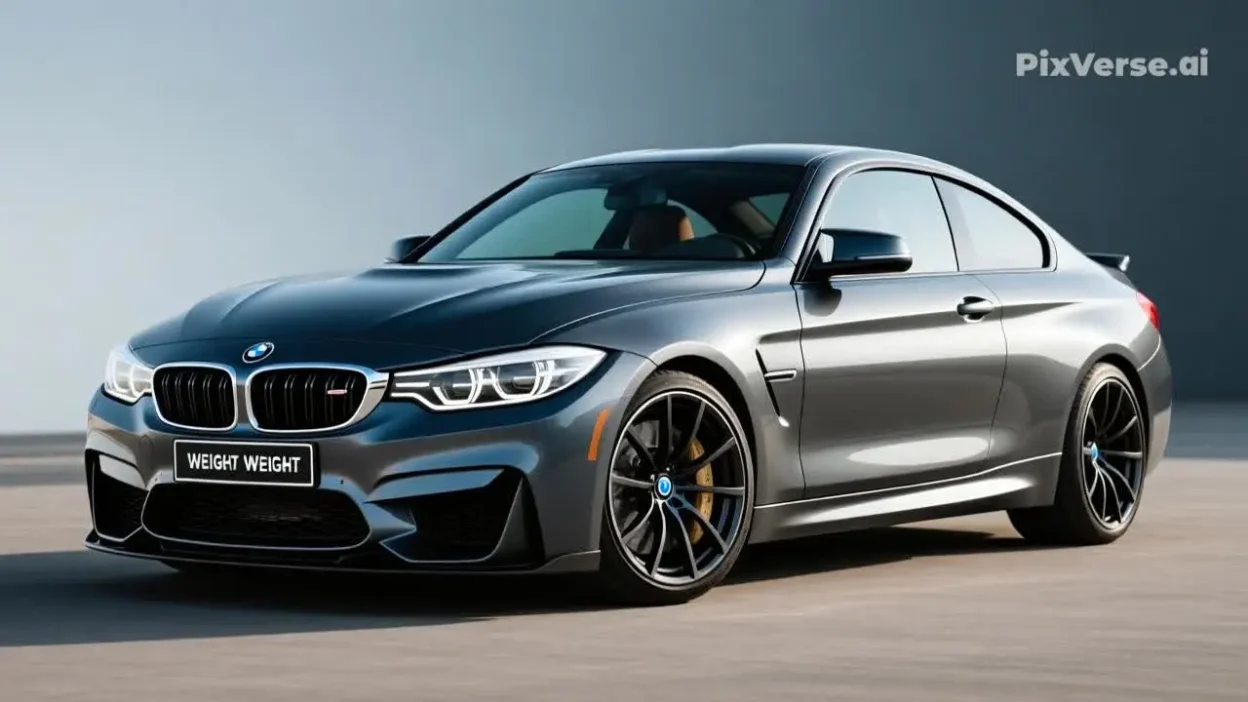
The BMW X5 is one of the most popular luxury midsize SUVs in the world, known for its strong performance, premium comfort, and advanced technology.
One important detail many buyers overlook is the BMW X5 weight, which plays a major role in how the vehicle drives, handles, and performs in real-world conditions.
From fuel efficiency and acceleration to towing capacity and safety, the overall weight of a BMW X5 can directly impact your ownership experience.
The weight of a BMW X5 is not the same across all models. It varies depending on the model year, trim level, engine type, and drivetrain, including options like xDrive all-wheel drive or plug-in hybrid systems.
Understanding these differences can help you choose the right X5 for daily driving, family use, or heavy-duty needs like towing.
In this guide, we’ll break down BMW X5 weight specifications and explain what they really mean for buyers.
What Is the Average Weight of a BMW X5?
The average weight of a BMW X5 typically falls between 4,800 and 5,700 pounds, depending on the model year, trim level, engine, and drivetrain. This wide range exists because BMW offers the X5 in multiple configurations, from efficient inline-six gasoline models to powerful V8 and plug-in hybrid variants. Each option adds different components that directly affect the vehicle’s overall mass.
Most base BMW X5 models with rear-wheel drive tend to be on the lighter end of the spectrum. Once you add xDrive all-wheel drive, larger wheels, luxury packages, or performance upgrades, the weight increases noticeably. Hybrid models, such as the X5 xDrive45e, are heavier due to their battery packs and electric motors, even though they deliver better fuel efficiency in certain driving conditions.
It’s also important to understand the difference between curb weight and gross vehicle weight rating (GVWR). Curb weight refers to how much the BMW X5 weighs when it’s empty but fully fueled, while GVWR includes passengers, cargo, and additional load. For everyday drivers, curb weight affects handling, braking, and fuel economy, whereas GVWR is critical for safety and load limits.
Overall, the BMW X5’s weight places it firmly in the luxury midsize SUV category. While it’s heavier than compact SUVs, BMW balances this weight with strong engines, advanced suspension systems, and lightweight materials. This balance allows the X5 to feel responsive on the road while still offering the stability and comfort buyers expect from a premium SUV.
BMW X5 Weight by Model Year
The BMW X5 weight by model year has changed over time as BMW introduced new technology, safety features, and powertrain options. Earlier generations of the X5 were generally lighter, with fewer electronic systems and simpler interior designs. As the SUV evolved, added luxury features, stronger body structures, and advanced driver-assistance systems contributed to gradual weight increases.
Older BMW X5 models from the early 2000s typically weighed less than newer versions because they lacked today’s hybrid systems, large infotainment screens, and reinforced crash structures. As BMW moved into later generations, the use of all-wheel drive, turbocharged engines, and improved suspension systems became more common, increasing overall curb weight.
In recent model years, BMW has focused on balancing weight with efficiency. Modern BMW X5 models use lightweight materials such as aluminum and high-strength steel to offset added features. This approach helps prevent the SUV from becoming excessively heavy while maintaining structural integrity and safety standards.
Another factor affecting model-year weight differences is the availability of plug-in hybrid variants. Hybrid X5 models are heavier than standard gasoline versions due to battery packs and electric motors. However, these models offer benefits such as improved fuel economy and reduced emissions, making the extra weight worthwhile for many drivers.
Overall, the BMW X5’s weight trend reflects the evolution of the luxury SUV market. Newer models may weigh more, but they also deliver better performance, improved safety, and enhanced comfort. Understanding these model-year weight differences helps buyers choose the right BMW X5 based on their driving needs and preferences.
BMW X5 Weight by Trim Level
The BMW X5 weight by trim level can vary significantly because each trim includes different performance features, luxury upgrades, and drivetrain options. Base trims are usually the lightest, while higher-end and performance-focused trims add extra components that increase overall weight.
Standard BMW X5 trims with rear-wheel drive tend to weigh less since they lack the additional hardware required for all-wheel drive. Once you move to xDrive trims, the added drivetrain components increase curb weight but also improve traction and stability, especially in wet or snowy conditions. This trade-off is important for buyers who prioritize year-round driving confidence.
Performance-oriented trims, such as those with the M Sport package, also add weight. Larger wheels, sport-tuned suspension systems, upgraded brakes, and enhanced interior materials all contribute to a heavier vehicle. While these trims increase the BMW X5’s mass, they also improve handling precision and visual appeal.
The BMW X5 M sits at the top of the weight range. It features a high-performance V8 engine, reinforced chassis components, and advanced cooling systems. These additions result in a heavier SUV, but they deliver exceptional power, acceleration, and driving dynamics that justify the extra weight for performance enthusiasts.
Luxury-focused trims can also raise the vehicle’s weight. Options such as panoramic sunroofs, premium sound systems, power-adjustable seats, and advanced safety features all add pounds. Buyers should consider how much weight matters to their driving needs. Choosing the right trim helps balance performance, comfort, and efficiency while ensuring the BMW X5 fits your lifestyle perfectly.
BMW X5 Weight by Engine Type
The BMW X5 weight by engine type varies because each engine option comes with different mechanical components, performance hardware, and efficiency systems. These differences play a major role in how the SUV drives and feels on the road.
BMW X5 models equipped with inline-six gasoline engines are typically lighter than higher-performance variants. These engines offer a strong balance of power and efficiency without adding excessive weight. For most daily drivers, this configuration delivers responsive acceleration and comfortable handling while keeping fuel consumption reasonable.
X5 models with V8 engines are noticeably heavier. The larger engine block, upgraded cooling systems, stronger brakes, and reinforced drivetrain components all contribute to the added weight. While this increases curb weight, it also provides significantly more horsepower and torque, making V8-equipped X5 models ideal for drivers who prioritize performance and towing capability.
The plug-in hybrid BMW X5 is the heaviest option in the lineup. Hybrid systems include electric motors, large battery packs, and additional electronics, all of which increase overall mass. However, this extra weight comes with advantages such as improved fuel efficiency, electric-only driving for short trips, and lower emissions.
In some markets, diesel-powered BMW X5 models are available. Diesel engines generally weigh more than gasoline engines due to their robust construction, but they offer excellent torque and fuel economy. This makes diesel X5 variants appealing for long-distance driving and towing.
Choosing the right engine depends on how you plan to use your BMW X5. Each engine type offers a unique balance of weight, performance, and efficiency.
Curb Weight vs GVWR: Understanding BMW X5 Weight Ratings
To fully understand BMW X5 weight, it’s important to know the difference between curb weight and gross vehicle weight rating (GVWR). These two figures serve different purposes and help drivers stay within safe operating limits.
Curb weight refers to how much the BMW X5 weighs when it’s empty but fully fueled and ready to drive. This includes standard equipment, fluids, and a full tank of fuel, but it does not include passengers or cargo. Curb weight affects how the X5 accelerates, brakes, and handles on the road. Heavier curb weight can lead to slightly slower acceleration and reduced fuel efficiency, but it also provides a more stable and comfortable ride.
GVWR, on the other hand, is the maximum safe weight the BMW X5 can handle, including passengers, cargo, and any additional load. This number is set by BMW to ensure the vehicle remains safe and reliable under full load conditions. Exceeding the GVWR can strain the suspension, brakes, and tires, potentially leading to safety issues and increased wear.
The difference between GVWR and curb weight gives you the payload capacity. This tells you how much weight you can safely add to the vehicle. For families, road trips, or towing situations, understanding payload capacity is crucial.
How BMW X5 Weight Affects Performance
The weight of the BMW X5 plays a significant role in its performance, influencing acceleration, handling, braking, and overall driving dynamics. While heavier SUVs like the X5 provide stability and comfort, they also require careful engineering to maintain agility and responsiveness.
Acceleration is directly affected by weight. Heavier X5 models, such as those with V8 engines or hybrid systems, may feel slightly slower off the line compared to lighter trims with inline-six engines. However, BMW compensates for this added mass with powerful engines and advanced transmission systems, ensuring that acceleration remains smooth and responsive.
Handling is another area influenced by weight. The X5’s weight distribution, combined with its chassis design, ensures stability during cornering and reduces body roll. While a heavier SUV may feel less nimble than a compact car, BMW uses adaptive suspension systems and dynamic handling features to deliver a balanced driving experience, even in the larger, heavier trims.
Braking performance is also impacted. Heavier vehicles require stronger brakes to stop efficiently. BMW equips the X5 with high-performance braking systems, which maintain reliable stopping power across all trim levels. Advanced safety technologies, including anti-lock brakes and stability control, further enhance braking performance.
Finally, ride comfort benefits from the X5’s weight. The heavier structure helps absorb road imperfections, creating a smoother, quieter ride. This combination of weight, suspension tuning, and engineering makes the BMW X5 a luxury SUV that balances power, stability, and comfort, regardless of its specific weight configuration.
Impact of BMW X5 Weight on Fuel Efficiency
The weight of a BMW X5 has a direct impact on its fuel efficiency, making it an important consideration for prospective buyers. Heavier vehicles require more energy to move, which can reduce miles per gallon (MPG), particularly in city driving or stop-and-go traffic. Understanding how different trims and engines affect fuel economy can help you choose the right X5 for your needs.
Base models with inline-six engines are lighter and generally achieve better fuel efficiency compared to heavier V8 or hybrid models. These trims strike a balance between performance and economy, making them ideal for daily commuting or long highway drives. All-wheel-drive versions are slightly heavier than rear-wheel-drive models, which can reduce MPG slightly, though they offer improved traction and stability.
Plug-in hybrid X5 models, such as the xDrive45e, weigh more due to the battery pack and electric motor system. While this adds curb weight, these models can drive short distances on electric power alone, significantly reducing fuel consumption in city driving. Over long distances, the heavier hybrid may consume slightly more fuel than lighter gasoline models, but overall emissions are lower.
Even V8-powered X5 trims, while heavier and thirstier, benefit from BMW’s advanced engine and transmission technology, including turbocharging and efficient gear ratios, which help offset some of the fuel penalty caused by added weight.
In short, weight is a key factor influencing BMW X5 fuel efficiency. Lighter trims deliver better MPG, while heavier, high-performance or hybrid variants trade weight for power, capability, and eco-friendly driving options. Understanding these trade-offs helps buyers make an informed choice.
BMW X5 Weight and Towing Capacity
The BMW X5’s weight plays a crucial role in its towing capacity and overall towing performance. While heavier SUVs like the X5 provide stability when hauling trailers or boats, added weight also affects acceleration, braking, and handling under load. Understanding how weight interacts with towing limits is essential for safe and efficient operation.
The BMW X5’s curb weight varies depending on engine, trim, and drivetrain, which directly impacts towing capacity. Lighter trims, such as inline-six rear-wheel-drive models, generally handle smaller loads, while heavier trims like V8 or hybrid versions can tow significantly more due to stronger engines and reinforced components. All-wheel-drive models improve stability when towing, especially on slippery or uneven surfaces.
BMW publishes the maximum towing capacity for each X5 model, usually ranging between 6,000 and 7,200 pounds, depending on the engine and configuration. Exceeding these limits can strain the suspension, brakes, and drivetrain, leading to safety risks and potential long-term damage. Payload capacity—the difference between curb weight and gross vehicle weight rating (GVWR)—also matters when carrying passengers or cargo in addition to a trailer.
Performance-oriented X5 trims, such as the M Sport or V8-powered X5, handle towing exceptionally well due to robust braking systems, reinforced frames, and advanced stability controls. Even hybrid models, despite added weight, maintain respectable towing ability thanks to torque-rich electric motors.
Ultimately, understanding BMW X5 weight in relation to towing helps owners choose the right trim for their hauling needs, ensuring safety, comfort, and optimal performance on every trip. Proper weight management is key to maximizing the X5’s towing capabilities.
Safety Benefits of BMW X5 Weight
The weight of the BMW X5 contributes significantly to its safety on the road, making it a key factor for families and drivers who prioritize protection. Heavier vehicles generally offer better crash protection because their mass can absorb impact forces more effectively, reducing the severity of collisions for passengers.
The BMW X5’s weight is carefully balanced with structural engineering to maximize safety without compromising performance. Its body is constructed using high-strength steel and aluminum, which adds rigidity while keeping the SUV from becoming excessively heavy. This combination of weight and material strength helps the X5 perform well in crash tests, offering strong protection in both frontal and side-impact collisions.
In addition to raw weight, BMW integrates advanced safety technologies to complement the SUV’s natural stability. Features like anti-lock braking systems (ABS), stability control, adaptive cruise control, and collision warning systems work alongside the vehicle’s weight to enhance overall safety. Heavier X5 models, such as V8 or hybrid trims, benefit from improved stability at high speeds, helping prevent rollovers and maintaining control during emergency maneuvers.
The X5’s weight also contributes to better braking performance under load. When carrying passengers, cargo, or towing a trailer, the SUV’s mass helps keep the vehicle planted while modern braking systems ensure stopping power remains strong.
Overall, BMW’s engineering ensures that the X5’s weight is not a drawback but a safety advantage. The combination of mass, advanced materials, and innovative technology delivers a secure driving experience for every occupant. Buyers can feel confident that the X5’s weight enhances protection without compromising luxury or performance.
BMW X5 Weight Compared to Competitors
When considering a luxury midsize SUV, the BMW X5’s weight is an important factor, especially compared to competitors like the Audi Q7, Mercedes-Benz GLE, and Lexus RX. While the X5 is slightly heavier than some rivals, its engineering ensures that performance, handling, and efficiency remain competitive.
The Audi Q7 has a curb weight ranging from approximately 4,800 to 5,400 pounds, depending on engine and trim. This is similar to the X5, though the BMW often benefits from more balanced weight distribution and sportier handling, making it feel more responsive despite comparable mass.
The Mercedes-Benz GLE is another key competitor, typically weighing between 4,900 and 5,700 pounds. Like the X5, GLE weights increase with higher trims and AMG variants. While both SUVs offer strong towing capabilities and passenger comfort, BMW emphasizes a dynamic driving experience, even in heavier trims.
The Lexus RX, a slightly smaller midsize SUV, weighs less—usually between 4,400 and 4,800 pounds. While lighter weight can improve fuel efficiency, the RX may not provide the same level of stability, towing capacity, or performance as the X5, especially in challenging driving conditions.
Ultimately, the BMW X5 strikes a balance between weight, luxury, and performance. Its slightly heavier build compared to some competitors contributes to better stability, enhanced ride comfort, and strong crash protection. For buyers seeking a midsize SUV with a combination of power, comfort, and safety, the X5 remains a top choice despite its added weight.
Does BMW Use Lightweight Materials in the X5?
Yes, BMW has incorporated lightweight materials in the X5 to balance its size, performance, and fuel efficiency. Despite being a midsize luxury SUV with curb weights ranging from approximately 4,800 to over 5,700 pounds, BMW uses advanced engineering techniques to prevent the X5 from becoming excessively heavy.
One of the key strategies is the use of aluminum components in the body and chassis. Aluminum is strong yet lighter than traditional steel, which reduces overall mass without compromising structural integrity. This includes parts such as the hood, suspension components, and some body panels. High-strength steel is also used strategically to reinforce critical areas like the passenger cabin, ensuring both safety and rigidity.
BMW also incorporates composite materials in certain interior and exterior components to further reduce weight. Lightweight construction benefits not only fuel efficiency but also handling and braking performance. By reducing unsprung mass in the suspension, the X5 can feel more responsive on the road despite its larger size.
Even in heavier trims, such as the V8 or plug-in hybrid models, BMW offsets additional weight from engines, batteries, and luxury features with these lightweight materials. This approach allows the X5 to maintain strong acceleration, stability, and driving dynamics while still providing ample space, comfort, and technology.
In summary, BMW’s careful use of aluminum, high-strength steel, and composites ensures that the X5 delivers a blend of luxury, safety, performance, and efficiency. Lightweight materials play a critical role in keeping the SUV agile and capable despite its substantial size.
How to Choose the Right BMW X5 Based on Weight Needs
Choosing the right BMW X5 often depends on understanding how weight affects performance, fuel efficiency, towing, and daily driving. With curb weights ranging from around 4,800 pounds for base trims to over 5,700 pounds for high-performance or hybrid models, it’s important to select the X5 that fits your lifestyle.
If your priority is daily commuting and fuel efficiency, lighter trims with inline-six engines and rear-wheel drive are ideal. These models offer a balance of power and efficiency, making them easier to maneuver in city traffic and more economical for long-term use. All-wheel-drive versions add stability but slightly increase weight and fuel consumption.
For those who plan to tow trailers, boats, or heavy cargo, heavier X5 trims with V8 engines or reinforced suspension systems are more suitable. The extra mass, combined with robust brakes and stability control, enhances towing safety and control. Plug-in hybrid models also handle towing reasonably well but may offer slightly reduced payload capacity due to battery weight.
Families seeking maximum safety and comfort may benefit from midsize or heavier trims, as additional weight contributes to stability, crash protection, and ride smoothness. Luxury packages, larger wheels, and advanced safety features do increase weight but add convenience and protection for passengers.
Ultimately, selecting the right BMW X5 is about balancing weight, performance, and your specific needs. By understanding how curb weight, GVWR, and payload capacity affect handling, efficiency, and towing, buyers can make an informed decision that ensures optimal performance, safety, and comfort in their new luxury SUV.
FAQs
Many potential buyers have questions about the BMW X5 weight and how it affects performance, safety, and efficiency. Understanding these factors helps drivers make informed decisions when choosing the right trim or model year.
How much does a BMW X5 weigh?
The BMW X5’s curb weight typically ranges from 4,800 to 5,700 pounds, depending on engine, trim, and drivetrain. Lighter trims, such as the inline-six rear-wheel-drive models, sit at the lower end of this range, while heavier trims like V8 or plug-in hybrid models are at the higher end.
Does the hybrid X5 weigh more?
Yes, plug-in hybrid models like the X5 xDrive45e are heavier due to battery packs and electric motors. While this adds weight, it also provides benefits like electric-only driving for short distances and improved fuel efficiency.
How does weight affect MPG?
Heavier BMW X5 models typically consume more fuel than lighter trims because moving additional mass requires more energy. However, engine type, transmission, and hybrid systems can offset some of this effect, helping maintain efficiency.
Is the X5 heavier than competitors?
The X5 is slightly heavier than some rivals like the Lexus RX but comparable to the Audi Q7 and Mercedes-Benz GLE. Its weight contributes to stability, handling, and crash protection.
Does weight affect towing capacity?
Yes, curb weight and GVWR directly influence towing limits. Heavier trims with powerful engines can tow more safely, while lighter trims are better suited for everyday driving and smaller loads.
By addressing these questions, buyers can better understand how BMW X5 weight impacts driving, safety, and performance. This knowledge ensures they select the best model for their needs.
Final Thoughts: Is BMW X5 Weight a Good or Bad Thing?
The weight of the BMW X5 is an important factor that influences nearly every aspect of the SUV, from performance and handling to fuel efficiency, towing capacity, and safety.
While some may view a heavier vehicle as a drawback, BMW has engineered the X5 to balance its mass with power, stability, and advanced technology.
Heavier trims, such as the V8 or plug-in hybrid models, provide enhanced stability, better crash protection, and improved towing capability.
These features make the X5 ideal for families, long trips, or drivers who need a versatile SUV capable of handling various driving conditions.
On the other hand, lighter trims with inline-six engines and rear-wheel drive offer better fuel efficiency and easier maneuverability, making them perfect for daily commuting and city driving.
BMW also offsets the X5’s weight with lightweight materials, including aluminum and high-strength steel, ensuring that even heavier versions remain agile, responsive, and safe.
Advanced suspension systems, braking technology, and weight distribution further enhance the driving experience, preventing the SUV from feeling cumbersome despite its size.
Ultimately, whether BMW X5 weight is a “pro” or “con” depends on your priorities. If you value performance, comfort, and safety, the added weight is an advantage.
If efficiency and lighter handling are your main concerns, lower-weight trims may be more suitable.
By understanding how weight affects each model, buyers can confidently choose the X5 that best fits their driving style and lifestyle.

Daniel Johansson is an acclaimed Swedish operatic tenor, celebrated internationally for his powerful voice, dramatic presence, and versatile repertoire spanning from Puccini to Wagner. Born in Småland, Sweden, he trained at the University College of Opera in Stockholm, where he laid the foundation for a distinguished career in classical music and opera performance.