

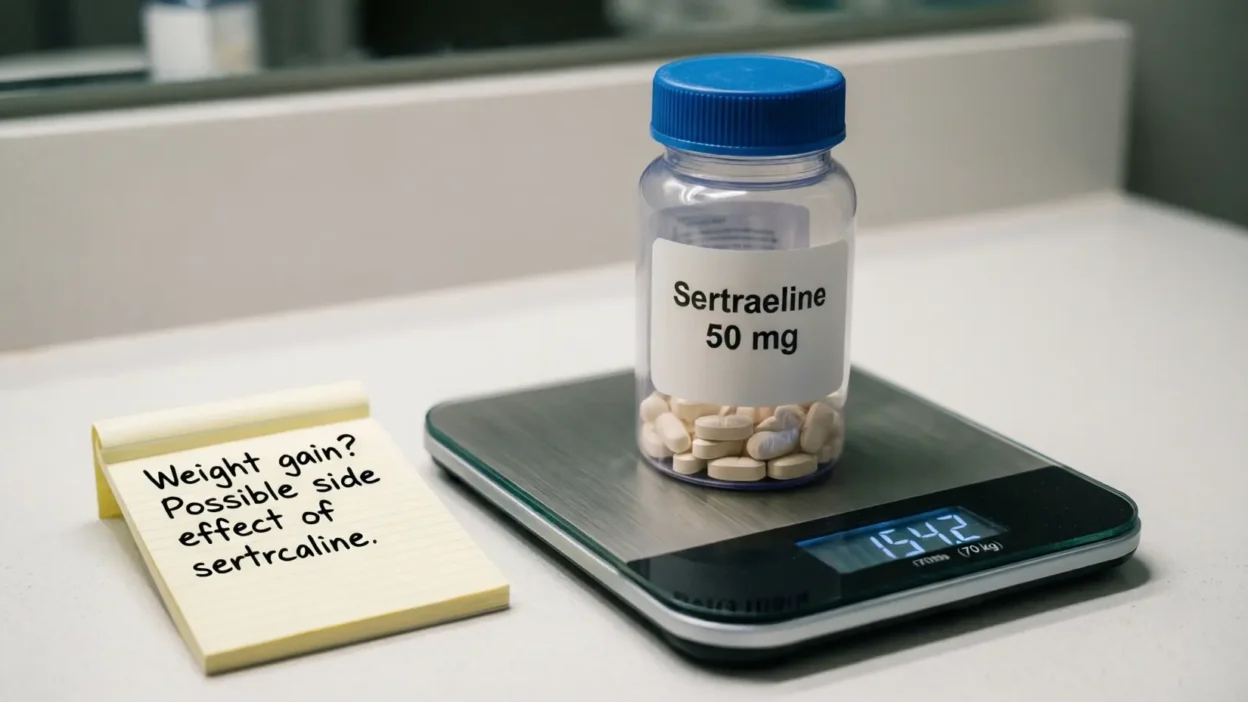
Sertraline, commonly known by the brand name Zoloft, is one of the most widely prescribed antidepressants in the world.
It belongs to a class of medications called selective serotonin reuptake inhibitors (SSRIs) and is commonly used to treat depression, anxiety disorders, obsessive-compulsive disorder, and post-traumatic stress disorder.
While sertraline is highly effective for improving mental health symptoms, many people worry about potential side effects—especially weight gain.
If you are taking sertraline or considering starting it, concerns about changes in body weight are completely understandable.
Some antidepressants have been linked to weight gain, but the effects can vary significantly depending on the medication, dosage, and individual factors. This often leads to confusion and conflicting information online.
In this article, we’ll take an evidence-based look at whether sertraline can cause weight gain, how common it is, why it may happen, and what you can do to manage or prevent weight changes while prioritizing your mental health.
What Is Sertraline?
Sertraline is a prescription medication classified as a selective serotonin reuptake inhibitor (SSRI). SSRIs work by increasing the availability of serotonin, a neurotransmitter that plays a key role in regulating mood, emotions, sleep, and appetite. By preventing serotonin from being reabsorbed too quickly in the brain, sertraline helps improve communication between nerve cells, which can reduce symptoms of depression and anxiety over time.
Sertraline is commonly prescribed to treat major depressive disorder, generalized anxiety disorder, panic disorder, obsessive-compulsive disorder (OCD), post-traumatic stress disorder (PTSD), and social anxiety disorder. Because of its broad effectiveness and generally favorable safety profile, it is often chosen as a first-line treatment for many mental health conditions.
The medication is available in tablet and liquid forms and is typically taken once daily. Dosages vary depending on the condition being treated and individual response, but most people start at a lower dose that is gradually increased to reduce side effects. Like most antidepressants, sertraline does not work immediately. It may take several weeks before noticeable improvements in mood or anxiety symptoms occur.
As symptoms improve, many people experience better sleep, increased energy, and a return of appetite. While these changes are often positive signs of recovery, they can also influence body weight in different ways. Understanding how sertraline works and why it is prescribed provides important context for evaluating its potential impact on weight, including whether weight gain is a direct side effect of the medication or the result of broader lifestyle and biological changes during treatment.
Understanding Weight Changes With Antidepressants
Weight changes are a commonly discussed concern when it comes to antidepressant use, but they are often misunderstood. Antidepressants, including SSRIs like sertraline, can affect body weight in different ways depending on the individual, the specific medication, and the length of treatment. Some people may experience weight gain, others may lose weight, and many see no significant change at all.
In the early stages of treatment, weight loss is actually more common than weight gain. Side effects such as nausea, reduced appetite, or digestive discomfort may temporarily decrease food intake. As treatment continues and mental health symptoms improve, appetite and eating patterns often normalize. For some individuals, this return of appetite can lead to gradual weight gain over time.
It is also important to recognize that depression and anxiety themselves can significantly influence weight. Many people experience appetite loss, emotional eating, or reduced physical activity before starting medication. When antidepressants begin to work, improved mood and energy levels may result in increased food intake or changes in daily routines that affect weight.
Long-term weight changes are more likely to be subtle and develop slowly rather than appearing suddenly. These changes are influenced by multiple factors, including metabolism, lifestyle habits, age, dosage, and duration of treatment. In many cases, weight gain is not solely caused by the medication but by a combination of biological and behavioral factors associated with mental health recovery.
Understanding these broader influences helps put sertraline-related weight concerns into perspective and highlights why individual experiences with antidepressants can vary so widely.
Can Sertraline Cause Weight Gain?
The short answer is yes—sertraline can cause weight gain in some people, but it is not a guaranteed or universal side effect. Research and clinical experience show that weight changes associated with sertraline are usually modest and vary significantly from person to person. Many individuals take sertraline for months or even years without experiencing any noticeable weight gain.
In the short term, particularly during the first few weeks of treatment, weight gain is uncommon. In fact, some people experience mild weight loss due to temporary side effects such as nausea, reduced appetite, or gastrointestinal discomfort. As the body adjusts to the medication and these effects subside, appetite often returns to normal.
Over longer periods of use—typically six months or more—some individuals may experience gradual weight gain. This is not always due to sertraline directly increasing body fat. Instead, weight changes are often linked to improved mental health. As depression or anxiety symptoms improve, people may regain interest in food, eat more regularly, and feel more motivated to engage in social activities that involve eating.
Clinical studies generally suggest that sertraline is associated with less weight gain than some other antidepressants, particularly when compared to medications like paroxetine or certain tricyclic antidepressants. When weight gain does occur, it is usually mild and develops slowly rather than rapidly.
Overall, while sertraline can contribute to weight gain in some cases, it is considered one of the more weight-neutral antidepressants. Individual factors such as dosage, duration of use, genetics, and lifestyle habits play a much larger role in determining whether weight changes occur.
Scientific Evidence and Clinical Studies
Scientific research on sertraline and weight gain provides a nuanced picture rather than a simple yes-or-no answer. Clinical trials and long-term observational studies suggest that while sertraline can be associated with weight changes, the effect is generally modest compared to many other antidepressants.
Short-term clinical trials, which often last 8 to 12 weeks, typically show little to no significant weight gain among people taking sertraline. In some cases, participants even experience slight weight loss early in treatment, likely due to temporary side effects such as nausea or reduced appetite. These findings suggest that sertraline does not strongly promote weight gain in the initial stages of use.
Longer-term studies, however, tell a slightly different story. Research following patients over six months to several years indicates that some individuals may experience gradual weight gain while taking sertraline. On average, this weight gain tends to be mild—often a few pounds rather than substantial increases. Importantly, these studies also show wide variation between individuals, highlighting that weight gain is not inevitable.
When compared with other SSRIs, sertraline consistently ranks as relatively weight-neutral. Medications such as paroxetine are more strongly associated with weight gain, while fluoxetine is often linked to weight stability or mild weight loss. Researchers believe these differences may be related to how each medication affects appetite regulation, metabolism, and energy balance.
Overall, clinical evidence suggests that sertraline has a lower risk of significant weight gain, especially when combined with healthy lifestyle habits and regular medical monitoring.
Why Sertraline May Lead to Weight Gain
When weight gain occurs during sertraline treatment, it is usually the result of multiple overlapping factors rather than a single direct effect of the medication. One of the most common reasons is a change in appetite. As sertraline helps relieve symptoms of depression or anxiety, many people experience a return of normal hunger cues. For individuals who previously had a reduced appetite, this improvement can lead to increased calorie intake over time.
Sertraline may also influence food preferences. Some people report stronger cravings for carbohydrates or comfort foods while taking SSRIs. Serotonin plays a role in appetite regulation and satiety, and changes in serotonin signaling may subtly affect eating behaviors, even if overall metabolism remains unchanged.
Another contributing factor is energy balance. Depression and anxiety often reduce motivation and physical activity, and while sertraline can improve mood, it does not automatically increase activity levels. If calorie intake rises without a corresponding increase in physical activity, gradual weight gain may occur.
There is also ongoing research into whether SSRIs, including sertraline, have mild metabolic effects. Some studies suggest possible changes in insulin sensitivity or fat storage, although these effects appear to be small and not consistent across all individuals. Genetics and individual biology likely play a significant role in determining susceptibility.
It is important to note that weight gain associated with sertraline is typically gradual and modest. Understanding these mechanisms helps shift the focus away from fear of the medication and toward practical strategies for maintaining a healthy balance while benefiting from improved mental health.
Why Some People Lose Weight on Sertraline
While weight gain is often discussed, it is equally important to recognize that some people lose weight while taking sertraline. This experience is most common during the early stages of treatment, particularly within the first few weeks to months after starting the medication.
One of the primary reasons for early weight loss is appetite suppression. Sertraline can cause side effects such as nausea, stomach discomfort, or a reduced desire to eat, especially when treatment first begins. These effects are usually temporary but may lead to decreased calorie intake and short-term weight loss.
Sertraline can also reduce anxiety-related or emotional eating. Individuals who previously used food as a coping mechanism for stress or anxiety may find that improved emotional regulation leads to healthier eating patterns. In these cases, weight loss reflects improved mental health rather than a negative side effect of the medication.
For some people, increased energy and motivation play a role. As depressive symptoms improve, daily activity levels may rise, leading to greater calorie expenditure. Even small increases in movement, such as walking more regularly or resuming daily routines, can contribute to gradual weight loss over time.
Individual biology is another key factor. Genetics, baseline metabolism, gut health, and hormonal balance all influence how the body responds to antidepressants. This explains why two people taking the same dose of sertraline can have very different weight-related outcomes.
Overall, weight loss on sertraline is not uncommon and is usually mild and temporary. Like weight gain, it varies widely between individuals and often stabilizes as the body adjusts to the medication.
Who Is Most at Risk for Weight Gain?
Not everyone who takes sertraline will experience weight gain, but certain factors may increase the likelihood. One of the most significant predictors is long-term use. Individuals who take sertraline for six months or longer are more likely to notice gradual changes in weight compared to those using it short term.
Dosage can also play a role. Higher doses of sertraline may have a greater impact on appetite regulation and eating behaviors, although this does not mean that increasing the dose will automatically lead to weight gain. The effect varies widely and depends on individual sensitivity to the medication.
Lifestyle factors are another important consideration. People with sedentary routines, irregular eating patterns, or high-calorie diets may be more prone to weight gain while on sertraline. Since the medication can improve appetite and mood, existing habits may become more pronounced over time.
A history of weight gain on antidepressants is also relevant. Individuals who previously gained weight while taking other SSRIs or antidepressants may have a higher risk due to genetic or metabolic factors. Age and hormonal changes, such as those occurring during midlife, can further influence how the body responds to medication.
Mental health recovery itself can be a factor. As depression or anxiety improves, social activities, dining out, and enjoyment of food may increase. While this is often a positive sign of recovery, it can contribute to unintentional weight gain if not balanced with physical activity.
Understanding these risk factors allows individuals and healthcare providers to monitor weight changes early and take proactive steps to support both mental and physical health during sertraline treatment.
Sertraline vs Other Antidepressants
When evaluating the risk of weight gain, it is helpful to compare sertraline with other commonly prescribed antidepressants. Not all antidepressants affect weight in the same way, and these differences often influence prescribing decisions.
Among selective serotonin reuptake inhibitors (SSRIs), sertraline is generally considered more weight-neutral. Medications such as paroxetine are more strongly associated with weight gain, particularly with long-term use. In contrast, fluoxetine is often linked to weight stability or mild weight loss, especially during early treatment. Escitalopram and citalopram fall somewhere in between, with some individuals experiencing modest weight gain over time.
Looking beyond SSRIs, certain antidepressant classes carry a higher risk of weight gain. Tricyclic antidepressants and some atypical antidepressants are more likely to cause noticeable increases in weight due to their effects on appetite, metabolism, and sedation. On the other end of the spectrum, medications like bupropion are often associated with weight loss or minimal weight change and may be considered for individuals who are particularly concerned about weight.
It is important to emphasize that antidepressant selection involves more than weight considerations alone. Effectiveness for specific symptoms, side effect profiles, medical history, and individual response all play critical roles. What causes weight gain in one person may not have the same effect in another.
Overall, compared to many alternatives, sertraline offers a balanced profile—effective symptom relief with a relatively lower risk of significant weight gain for most individuals.
How Much Weight Gain Is Typical?
For individuals who experience weight gain while taking sertraline, the amount is usually modest rather than dramatic. Most clinical studies and patient reports suggest that average weight gain ranges from a few pounds over several months to a year of treatment. Significant or rapid weight gain is uncommon and should prompt a discussion with a healthcare provider.
In the short term, particularly during the first three months of use, noticeable weight gain is rare. Early treatment is more often associated with stable weight or mild weight loss due to temporary side effects such as nausea or reduced appetite. Weight changes, when they occur, tend to develop gradually with long-term use.
What is considered “clinically significant” weight gain typically depends on overall health, starting weight, and metabolic risk factors. A small increase may have little impact on physical health, while larger or sustained weight gain could affect blood sugar levels, cholesterol, or cardiovascular risk in some individuals. This is why ongoing monitoring is important during long-term antidepressant treatment.
It is also important to recognize that weight gain does not continue indefinitely. For many people, weight stabilizes once the body adapts to sertraline and eating patterns become consistent. Lifestyle factors such as diet quality, physical activity, sleep, and stress management play a major role in determining long-term outcomes.
If weight gain feels sudden, excessive, or distressing, it may signal the need for medication review or additional support. In most cases, however, weight changes associated with sertraline are manageable and can be addressed without sacrificing the mental health benefits of treatment.
How to Prevent or Manage Weight Gain on Sertraline
Preventing or managing weight gain while taking sertraline is often achievable with mindful lifestyle adjustments rather than major changes. One of the most effective strategies is maintaining a balanced, nutrient-dense diet. Focusing on whole foods such as vegetables, fruits, lean proteins, whole grains, and healthy fats can help regulate appetite and reduce the likelihood of excess calorie intake. Paying attention to portion sizes and eating regular meals also supports stable blood sugar levels and satiety.
Physical activity plays a crucial role in weight management during antidepressant treatment. This does not require intense workouts—consistent, moderate exercise such as walking, cycling, or swimming can significantly improve energy balance, mood, and metabolic health. Incorporating strength training may also help preserve muscle mass and support metabolism over time.
Monitoring weight trends rather than daily fluctuations is another helpful approach. Gradual changes over weeks or months are more meaningful than short-term shifts. Keeping a simple record can make it easier to identify patterns early and address them proactively.
It is also important to prioritize sleep and stress management. Poor sleep and chronic stress can increase hunger hormones and cravings, making weight management more challenging. Sertraline may improve sleep quality for some individuals, which can further support healthy weight regulation.
If weight gain becomes concerning despite lifestyle efforts, discussing it with a healthcare provider is essential. Adjustments such as dosage changes, additional nutritional guidance, or exploring alternative medications may be considered. Importantly, sertraline should never be stopped abruptly without medical supervision.
Should You Stop Sertraline If You Gain Weight?
Experiencing weight gain while taking sertraline can be frustrating, but it is important not to stop the medication abruptly without medical guidance. Suddenly discontinuing sertraline may lead to withdrawal symptoms such as dizziness, irritability, flu-like sensations, and a return or worsening of depression or anxiety symptoms.
If weight gain becomes noticeable or distressing, the first step should be an open conversation with your healthcare provider. They can help determine whether the weight change is likely related to sertraline, lifestyle factors, or other medical conditions. In many cases, small adjustments—such as modifying the dosage or addressing diet and activity levels—can help manage weight without stopping treatment.
For some individuals, switching medications may be an appropriate option. Certain antidepressants are associated with lower risks of weight gain or may even promote weight neutrality or weight loss. However, medication changes should always be individualized and carefully monitored to ensure continued mental health stability.
It is also essential to consider the broader context of treatment. Improved mental health often leads to better quality of life, improved relationships, and increased daily functioning. For many people, these benefits outweigh mild or moderate weight changes, especially when weight gain is manageable and does not pose significant health risks.
Ultimately, decisions about continuing or adjusting sertraline should be made collaboratively with a healthcare professional. The goal is to find a balance that supports both mental and physical well-being, rather than sacrificing one for the other.
Mental Health vs Weight: Finding the Right Balance
When discussing weight changes associated with sertraline, it is important to keep mental health outcomes at the center of the conversation. Depression and anxiety can significantly affect quality of life, relationships, productivity, and physical health. Effective treatment with medications like sertraline can be life-changing, even when mild side effects occur.
Weight gain, when it happens, is often gradual and manageable. In contrast, untreated or poorly managed mental health conditions can lead to far-reaching consequences, including disrupted sleep, chronic stress, increased risk of substance use, and reduced ability to maintain healthy routines. For many individuals, stabilizing mental health creates the foundation needed to adopt healthier lifestyle habits over time.
Finding the right balance means recognizing that physical and mental health are closely connected. Improved mood and reduced anxiety can make it easier to engage in regular exercise, prepare nutritious meals, and maintain social connections. Rather than viewing weight changes as a failure or a reason to abandon treatment, they can be approached as one aspect of overall well-being that deserves attention and support.
Open communication with healthcare providers is essential. Discussing concerns early allows for monitoring, reassurance, and timely adjustments if needed. This collaborative approach helps ensure that treatment remains aligned with personal health goals.
Ultimately, the goal is not perfection but sustainability. A small amount of weight gain may be a reasonable trade-off for emotional stability, improved functioning, and a better quality of life. By focusing on long-term health rather than isolated side effects, individuals can make informed decisions that support both body and mind.
Frequently Asked Questions (FAQ)
Does sertraline slow your metabolism?
There is no strong evidence that sertraline significantly slows metabolism. Most research suggests that any weight changes are more closely related to appetite, eating habits, and lifestyle factors rather than a direct metabolic slowdown.
Is weight gain from sertraline permanent?
In most cases, weight gain associated with sertraline is not permanent. Many people find that their weight stabilizes over time, especially when healthy eating and regular physical activity are maintained. Weight gained during treatment can often be lost with appropriate lifestyle changes.
Can you lose weight while taking sertraline?
Yes, it is possible to lose weight while taking sertraline. Some individuals experience weight loss naturally, while others successfully manage or reduce weight through diet, exercise, and behavioral strategies while continuing the medication.
How long does it take to notice weight gain on sertraline?
If weight gain occurs, it typically develops gradually over several months rather than weeks. Rapid or sudden weight gain is uncommon and should be evaluated by a healthcare provider.
Does sertraline cause belly fat?
There is no evidence that sertraline specifically causes fat gain in one area of the body. Any weight gain is generally distributed according to individual genetics and body composition.
Does everyone gain weight on sertraline?
No. Many people experience no weight change at all. Individual response varies widely, and factors such as dosage, duration of use, and lifestyle play a significant role.
Conclusion
So, can sertraline cause weight gain? The evidence suggests that it can in some individuals, but it is neither inevitable nor typically severe.
For most people, sertraline is considered a relatively weight-neutral antidepressant, especially when compared with other medications in the same class.
When weight changes do occur, they are usually gradual and influenced by a combination of improved appetite, lifestyle factors, duration of use, and individual biology rather than the medication alone.
It is also important to keep weight concerns in perspective. Untreated depression or anxiety can have serious long-term effects on both mental and physical health.
For many individuals, the benefits of symptom relief, emotional stability, and improved quality of life far outweigh the risk of modest weight gain.
With mindful eating, regular physical activity, adequate sleep, and ongoing medical monitoring, weight changes can often be prevented or effectively managed.
If you notice unexpected or distressing weight gain while taking sertraline, do not stop the medication on your own.
Instead, speak with a healthcare professional who can help assess the situation and explore appropriate options, such as lifestyle adjustments or medication changes if necessary.
Ultimately, the goal of treatment is balance—supporting mental well-being while maintaining physical health.
With the right guidance and individualized care, many people are able to take sertraline successfully without significant impact on their weight.

Daniel Johansson is an acclaimed Swedish operatic tenor, celebrated internationally for his powerful voice, dramatic presence, and versatile repertoire spanning from Puccini to Wagner. Born in Småland, Sweden, he trained at the University College of Opera in Stockholm, where he laid the foundation for a distinguished career in classical music and opera performance.