

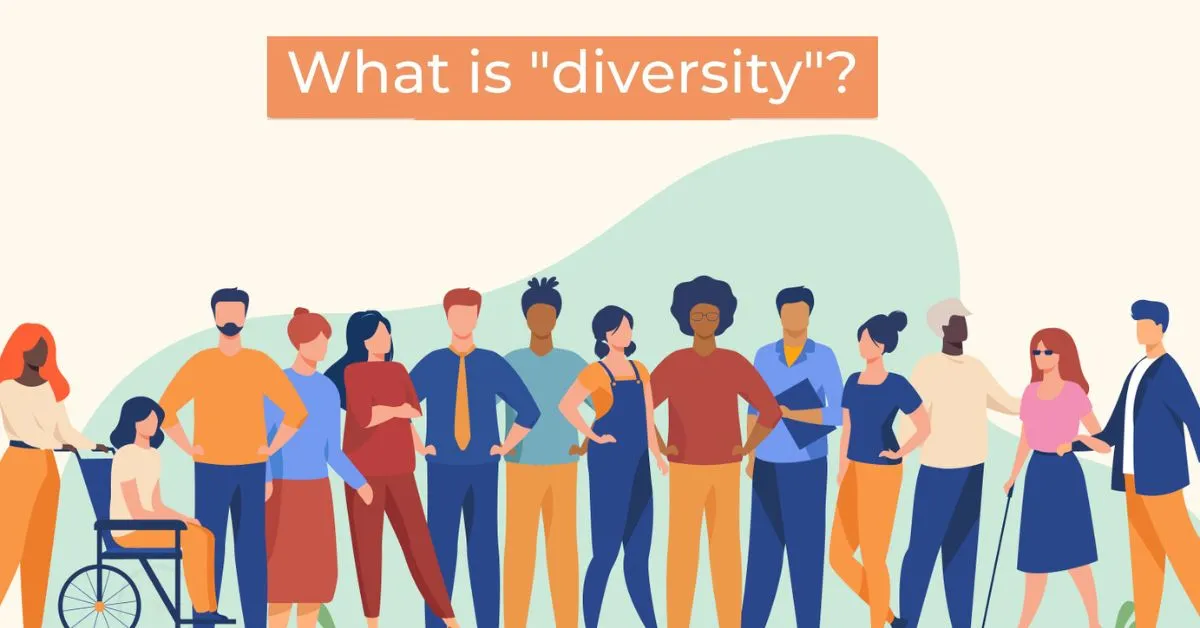
What does diversity mean, and why is it such an important topic in today’s world?
Diversity refers to the presence and acceptance of differences among people, including differences in culture, race, gender, age, religion, abilities, and life experiences.
In an increasingly connected and global society, diversity plays a vital role in shaping how communities, workplaces, and institutions function.
It encourages mutual respect, broadens perspectives, and helps create environments where everyone feels valued and included.
Understanding the meaning of diversity goes beyond simply recognizing differences. It involves appreciating unique identities, experiences, and viewpoints while promoting fairness and equal opportunity.
From schools and workplaces to media and everyday interactions, diversity influences how people communicate, collaborate, and grow together.
This article explores what diversity truly means, the different types of diversity, why it matters, and how embracing diversity can lead to stronger, more inclusive societies.
Definition of Diversity
The definition of diversity centers on the recognition and respect of differences among individuals and groups. At its core, diversity means acknowledging that people are not the same and that these differences whether visible or invisible shape perspectives, behaviors, and experiences. The word “diversity” comes from the Latin term diversitas, meaning variety or difference, which reflects the broad scope of the concept.
In a social context, diversity refers to the coexistence of people from different backgrounds, including race, ethnicity, gender, age, religion, disability, socioeconomic status, and cultural traditions. In academic and organizational settings, diversity also includes differences in education, skills, personality, values, and life experiences. This broader understanding helps move diversity beyond surface-level traits and toward a more meaningful appreciation of individuality.
It is important to clarify what diversity is not. Diversity does not mean division, favoritism, or lowering standards. Instead, it focuses on creating environments where differences are respected and valued equally. Diversity also differs from inclusion. While diversity refers to the presence of differences, inclusion is about ensuring that everyone feels welcomed, respected, and able to participate fully.
Understanding the true meaning of diversity lays the foundation for productive conversations about equality, inclusion, and fairness. When people understand diversity correctly, they are better equipped to challenge stereotypes, reduce discrimination, and contribute positively to diverse communities and organizations.
Types of Diversity
Diversity exists in many forms, each contributing to the richness of human interaction and understanding. Recognizing the different types of diversity helps people appreciate how varied experiences and perspectives shape societies, workplaces, and communities.
Cultural diversity refers to differences in traditions, languages, customs, and values. It reflects how people celebrate, communicate, and view the world based on their cultural backgrounds. Racial and ethnic diversity involves differences in physical characteristics, ancestry, and shared histories, often shaped by social and historical contexts. Understanding this type of diversity is essential for addressing inequality and promoting fairness.
Gender diversity includes differences in gender identity and expression, recognizing that gender exists beyond traditional categories. Religious and belief diversity acknowledges the wide range of faiths, spiritual practices, and belief systems that influence personal values and lifestyles. Respecting these differences supports peaceful coexistence and mutual respect.
Age diversity highlights the presence of multiple generations, each with unique skills, perspectives, and experiences. Disability and neurodiversity recognize physical, mental, and neurological differences, emphasizing accessibility and inclusion. Socioeconomic diversity relates to differences in income, education, and social class, which often shape opportunities and life outcomes.
Together, these types of diversity demonstrate that human differences extend far beyond appearance. Embracing all forms of diversity encourages empathy, reduces bias, and helps build inclusive environments where individuals feel valued for who they are rather than judged by a single trait.
Diversity vs Inclusion vs Equity
While diversity is about recognizing differences among people, it is closely connected to the concepts of inclusion and equity, which are often misunderstood or used interchangeably. Understanding the distinctions among these three terms is essential for creating truly fair and inclusive environments.
Diversity refers to the presence of differences. It is about who is in the room, whether in a workplace, classroom, or community. Diversity ensures that people of varying backgrounds, identities, and experiences are represented. However, representation alone does not guarantee that everyone can fully participate or thrive.
Inclusion takes diversity a step further. It involves creating an environment where everyone feels welcomed, respected, and empowered to contribute. Inclusion focuses on active participation and belonging, ensuring that diverse voices are heard and valued rather than overlooked or marginalized.
Equity, on the other hand, emphasizes fairness and justice. It involves recognizing that people have different starting points and may require varying levels of support to achieve equal opportunities. Equity is about removing barriers and addressing systemic imbalances so that everyone has a fair chance to succeed.
The three concepts work together. Diversity without inclusion can lead to tokenism, where representation exists but people feel excluded. Inclusion without equity may result in opportunities that appear equal but fail to address underlying disadvantages. When all three are practiced together diversity, inclusion, and equity organizations and communities can create environments that are not only representative but genuinely fair, supportive, and empowering for everyone.
History and Evolution of Diversity
The concept of diversity has evolved significantly over time, shaped by social, political, and cultural changes. Historically, societies were often homogeneous or segregated, with strict social hierarchies that limited interactions between different groups. Differences in race, ethnicity, gender, and religion were frequently viewed as sources of division rather than strength, leading to exclusion and discrimination.
Significant shifts began during the civil rights movements of the 20th century, when marginalized communities fought for equality, representation, and recognition. Laws and policies addressing racial segregation, gender inequality, and disability rights marked the first steps toward acknowledging diversity as a societal value. These movements highlighted that embracing differences is not only a moral imperative but also essential for social justice and progress.
In the late 20th and early 21st centuries, globalization and technological advancements further expanded the conversation around diversity. Increased migration, international trade, and digital communication exposed people to a wide range of cultures, lifestyles, and perspectives. Businesses, educational institutions, and governments began to recognize the practical benefits of diversity, including innovation, creativity, and better problem-solving.
Today, diversity is understood as a multidimensional concept, encompassing not only visible traits such as race or gender but also invisible differences like socioeconomic background, education, and personal experiences. Its evolution reflects a growing awareness that embracing diversity enriches societies, strengthens organizations, and fosters environments where every individual has the opportunity to contribute and thrive.
Why Diversity Matters
Diversity matters because it strengthens communities, organizations, and societies on multiple levels. At its core, diversity encourages the acceptance and appreciation of differences, fostering environments where individuals feel respected, valued, and included. When people from varied backgrounds come together, they bring unique perspectives, skills, and experiences that can improve problem-solving and creativity. This variety of thought is especially important in workplaces, educational institutions, and collaborative projects, where innovation often emerges from the blending of different ideas.
Socially, diversity promotes empathy, understanding, and tolerance. Exposure to people with different beliefs, cultures, and life experiences challenges stereotypes and biases, helping reduce discrimination and prejudice. It also builds stronger social cohesion by encouraging communication and cooperation across groups, contributing to a more harmonious and inclusive society.
Economically, diversity drives better decision-making and performance. Studies show that organizations with diverse teams often outperform homogeneous groups, as they are better equipped to address complex challenges, understand diverse customer needs, and adapt to change. Furthermore, diverse perspectives can uncover opportunities and solutions that might otherwise be overlooked.
On a personal level, embracing diversity enhances growth and learning. Interacting with people who think, behave, and live differently broadens horizons, encourages open-mindedness, and develops cultural intelligence. In short, diversity matters because it benefits everyone socially, economically, and personally creating environments where inclusion, fairness, and innovation can thrive.
Benefits of Diversity
Embracing diversity brings a wide range of benefits that extend across social, professional, and personal spheres. One of the most significant advantages is the enhancement of creativity and innovation. When people with different backgrounds, perspectives, and experiences collaborate, they approach problems from multiple angles, often generating more effective and original solutions. This makes diversity a key driver of progress in workplaces, communities, and educational settings.
Diversity also improves decision-making. Teams composed of individuals with varied viewpoints are less likely to suffer from groupthink and more likely to consider all potential outcomes. Research shows that diverse organizations outperform their peers financially and are better at identifying new opportunities, adapting to change, and understanding the needs of a broad customer base.
Socially, diversity strengthens empathy and understanding. Interacting with people from different cultures, religions, and life experiences fosters respect and reduces prejudices. It helps individuals develop cultural intelligence, an essential skill in today’s interconnected world. Communities and organizations that value diversity tend to be more inclusive, supportive, and resilient.
On a personal level, embracing diversity encourages self-awareness and personal growth. Exposure to new ideas and lifestyles challenges assumptions, broadens horizons, and enhances critical thinking. Moreover, it allows individuals to learn from one another, creating deeper connections and fostering a sense of belonging. Overall, the benefits of diversity are multifaceted enhancing innovation, improving relationships, and contributing to stronger, more equitable societies.
Diversity in the Workplace
Diversity in the workplace refers to the inclusion of employees with varied backgrounds, experiences, and perspectives. This includes differences in race, gender, age, culture, education, abilities, and socioeconomic status. Modern organizations recognize that workplace diversity is not just a moral responsibility but also a strategic advantage, contributing to innovation, productivity, and employee satisfaction.
A diverse workforce brings together unique skills and ideas, fostering creativity and problem-solving. Teams composed of individuals with different perspectives are better equipped to identify challenges, generate solutions, and make informed decisions. Additionally, diversity encourages learning and growth, as employees are exposed to different ways of thinking and collaborating, which enhances adaptability and critical thinking.
Inclusive workplace practices are equally important. Diversity alone does not guarantee success if employees feel excluded or undervalued. Organizations must ensure that all team members have equal opportunities for career advancement, access to resources, and a voice in decision-making. Leadership commitment, fair recruitment practices, and continuous training on cultural competency are essential for creating a genuinely inclusive environment.
Workplace diversity also strengthens company reputation and employee engagement. Companies that embrace diversity attract top talent, reflect the values of a global customer base, and demonstrate social responsibility. By promoting a culture of respect and inclusion, organizations not only improve performance but also foster a sense of belonging, ensuring that every employee can contribute fully and thrive in the workplace.
Diversity in Education
Diversity in education is essential for creating inclusive learning environments where students of all backgrounds feel valued and empowered. It encompasses differences in race, ethnicity, gender, socioeconomic status, abilities, learning styles, and cultural perspectives. Embracing diversity in schools and universities helps prepare students for a globalized world by fostering understanding, empathy, and collaboration across differences.
Inclusive educational settings allow students to interact with peers who think, behave, and experience life differently. This exposure challenges stereotypes, broadens perspectives, and encourages critical thinking. For example, group projects that include students from various cultural and academic backgrounds can lead to richer discussions and innovative solutions. Students also learn essential social skills, such as communication, teamwork, and conflict resolution, which are invaluable in personal and professional life.
Diversity in curriculum design is another critical aspect. Incorporating multiple perspectives, histories, and contributions into lessons ensures that all students see themselves represented and respected. It also helps students appreciate the complexity of social issues and understand global interconnections, promoting fairness and cultural awareness.
Educators and administrators play a vital role in promoting diversity by implementing equitable policies, providing support resources, and creating safe spaces for dialogue. By fostering inclusive classrooms, schools not only enhance academic outcomes but also contribute to the development of socially responsible, culturally aware individuals who can thrive in diverse communities and workplaces.
Diversity in Media and Society
Diversity in media and society plays a crucial role in shaping public perceptions, attitudes, and cultural understanding. Media, including television, film, news, and social platforms, reflects and influences society’s values and norms. When diverse voices and stories are represented, media can challenge stereotypes, promote empathy, and foster inclusivity.
Representation matters because it validates the experiences of individuals from different backgrounds. For instance, seeing characters of various races, genders, and abilities in media can help normalize differences and encourage acceptance. Conversely, lack of representation or the perpetuation of stereotypes can reinforce biases, marginalize groups, and limit opportunities for social cohesion.
Society also benefits from diversity through exposure to multiple perspectives in everyday interactions. Diverse communities allow people to experience a range of cultural practices, languages, and worldviews, promoting mutual understanding and reducing prejudice. Social diversity encourages dialogue, collaboration, and creative problem-solving, helping societies adapt to global challenges.
Social media has amplified the impact of diversity by giving underrepresented groups platforms to share their experiences and influence public discourse. Online campaigns, storytelling, and awareness initiatives can highlight social issues, celebrate cultural differences, and advocate for equity.
Ultimately, diversity in media and society reinforces the idea that all voices matter. By embracing varied perspectives and experiences, communities become more inclusive, empathetic, and resilient. Media, education, and social interactions together shape how diversity is understood and valued in the modern world.
Challenges and Barriers to Diversity
While diversity offers significant benefits, it also presents challenges and barriers that individuals and organizations must address. One of the most common obstacles is bias and discrimination, which can be both conscious and unconscious. People may make judgments based on stereotypes or preconceived notions, limiting opportunities for certain groups and creating environments where individuals feel undervalued or excluded.
Cultural misunderstandings can also hinder effective communication and collaboration. Differences in language, social norms, and communication styles can lead to misinterpretations, conflict, or frustration. Without awareness and sensitivity, these misunderstandings can escalate, reducing trust and cooperation within diverse teams or communities.
Resistance to change is another barrier. Individuals or organizations may be reluctant to embrace diversity initiatives due to fear of disruption, perceived complexity, or lack of understanding of its benefits. This resistance can slow the implementation of inclusive practices and perpetuate inequities.
Additionally, systemic and structural challenges can limit diversity. Policies, institutional norms, and societal inequalities often create barriers to equal participation, particularly for marginalized groups. Lack of access to education, resources, or decision-making positions can prevent diversity from being fully realized.
Addressing these challenges requires intentional effort. Education, training, and open dialogue can help reduce bias and build cultural competence. Implementing equitable policies, promoting inclusive leadership, and fostering a culture of respect are essential for overcoming barriers. By acknowledging and addressing these challenges, organizations and communities can create environments where diversity is genuinely valued and leveraged for growth and innovation.
How to Promote Diversity
Promoting diversity requires intentional strategies and consistent effort across all areas of society, from workplaces and schools to communities and media. One of the most important steps is education and awareness. Individuals and organizations should engage in training programs, workshops, and discussions that help identify unconscious biases, challenge stereotypes, and build cultural competence. Awareness fosters understanding and encourages respectful interactions among diverse groups.
Implementing inclusive policies and practices is another key strategy. Organizations should ensure equal opportunities in hiring, promotions, and leadership roles. Policies should also address accessibility, accommodation, and fair treatment for all employees, students, or community members. Inclusivity is not just about representation it’s about creating environments where everyone can contribute meaningfully and feel valued.
Representation matters. Including people from diverse backgrounds in leadership, media, and decision-making roles helps ensure that multiple perspectives are considered. This visibility also inspires others from underrepresented groups to pursue opportunities they might otherwise perceive as inaccessible.
Encouraging allyship and advocacy strengthens diversity initiatives. Individuals can support others by amplifying voices, challenging discrimination, and promoting equity in daily interactions. Small actions, such as mentoring, offering constructive feedback, and creating safe spaces for dialogue, contribute to a culture of inclusion.
Finally, fostering open communication and collaboration is essential. Encouraging dialogue between diverse groups helps build trust, resolve conflicts, and enhance cooperation. By combining awareness, policy, representation, advocacy, and communication, diversity can be effectively promoted, benefiting both individuals and the wider society.
Common Myths About Diversity
Despite its importance, diversity is often misunderstood, leading to myths and misconceptions that can hinder progress. One common myth is that diversity lowers standards. Some believe that including people from different backgrounds means compromising on quality or performance. In reality, diversity enhances problem-solving, creativity, and innovation. Teams with varied perspectives often outperform homogeneous groups because they consider a wider range of ideas and solutions.
Another misconception is that diversity causes division. Critics sometimes argue that focusing on differences can create conflict or tension. However, properly managed diversity promotes understanding, empathy, and collaboration. Differences become a source of learning rather than a cause for separation. When inclusion and equity accompany diversity, teams and communities are strengthened, not divided.
A third myth is that diversity is only about race or gender. While these are visible aspects, diversity encompasses many dimensions, including age, socioeconomic status, religion, disability, education, experiences, and thought. Limiting the concept to just one or two factors ignores the full richness of human differences.
Some also believe that diversity is unnecessary if merit is prioritized. This overlooks systemic inequalities and unconscious biases that can prevent equally qualified individuals from having opportunities. Diversity ensures that all individuals, regardless of background, have the chance to contribute and succeed.
Understanding and addressing these myths is crucial. By dispelling misconceptions, individuals and organizations can fully embrace diversity, leading to fairer, more inclusive, and higher-performing environments where everyone benefits.
Measuring Diversity and Inclusion
Measuring diversity and inclusion is essential for understanding how well organizations, communities, or institutions embrace differences and create equitable environments. Without measurement, it is difficult to identify gaps, track progress, or develop strategies to improve representation and participation. Effective measurement combines quantitative and qualitative approaches to provide a comprehensive view.
Quantitative metrics focus on representation. This includes tracking demographic data such as gender, race, age, disability, and other relevant factors. In workplaces, metrics may cover hiring rates, promotions, retention, and pay equity among different groups. In education, metrics can include enrollment, graduation rates, and participation in leadership or extracurricular activities. These data points help identify areas where certain groups may be underrepresented or facing barriers.
Qualitative measures assess inclusion and belonging. Surveys, interviews, and focus groups can reveal employees’ or students’ experiences, feelings of acceptance, and perceptions of fairness. Questions may explore whether individuals feel respected, valued, and empowered to contribute fully. Inclusion cannot be measured solely by representation; it requires understanding how people experience the environment on a day-to-day basis.
Combining these approaches allows organizations to monitor both diversity (who is present) and inclusion (how people feel and participate). Additionally, organizations can benchmark against industry standards, set goals, and implement strategies to address gaps. By measuring diversity and inclusion, leaders gain actionable insights, build accountability, and ensure that efforts to promote fairness and equity are effective and meaningful.
The Future of Diversity
The future of diversity is poised to become even more important as societies become increasingly interconnected through globalization, technology, and cultural exchange. In workplaces, schools, and communities, embracing diversity will be essential for fostering innovation, collaboration, and social cohesion. Organizations that prioritize diversity are likely to attract top talent, better understand global markets, and respond effectively to rapidly changing environments.
Technology plays a significant role in shaping the future of diversity. Digital communication, remote work, and virtual collaboration allow people from different countries, cultures, and backgrounds to connect more easily than ever before. This globalization of workforces and social networks emphasizes the need for cultural awareness, inclusive practices, and sensitivity to diverse perspectives.
Demographic changes also influence the future of diversity. Aging populations, migration, and increasing multicultural societies mean that generational, ethnic, and cultural diversity will become even more prominent. These changes require proactive policies and inclusive strategies to ensure equitable access to education, healthcare, employment, and leadership opportunities.
Furthermore, the ongoing focus on social justice and equity is likely to continue shaping diversity initiatives. Awareness of systemic inequalities and the importance of representation will push organizations and societies to create environments that are not only diverse but also inclusive and equitable.
Ultimately, the future of diversity is about moving beyond simple representation. It involves fostering genuine inclusion, equity, and collaboration, creating societies and organizations where differences are celebrated, opportunities are equal, and everyone can thrive.
Practical Examples of Diversity
Understanding diversity is easier when we look at real-world examples of how it is applied across workplaces, communities, and society. In organizations, diversity initiatives often include multicultural teams where employees from different backgrounds collaborate on projects. Such teams bring a variety of perspectives, leading to creative problem-solving and innovative solutions that might not emerge in more homogenous groups. For instance, technology companies often recruit talent globally to benefit from diverse skills and viewpoints, improving product development and market reach.
In education, practical diversity can be seen in inclusive classrooms and curricula. Schools that incorporate students from various cultural, racial, and socioeconomic backgrounds create opportunities for dialogue and mutual learning. Lessons that highlight multiple perspectives, histories, and contributions allow students to appreciate different experiences and develop empathy. Programs supporting students with disabilities or different learning styles further exemplify educational diversity in action.
Communities also demonstrate diversity through cultural festivals, local initiatives, and social organizations. Events celebrating different cultures, religions, and traditions foster understanding and social cohesion. Community programs that support underrepresented groups, such as mentoring for youth from disadvantaged backgrounds, promote equity and opportunity.
Even media and entertainment reflect diversity when films, television, and literature showcase stories from underrepresented voices. Representation in media helps normalize differences, challenge stereotypes, and inspire broader societal acceptance.
These practical examples illustrate that diversity is not just a concept it is a set of actionable strategies and real-world practices. By embracing diversity in daily life, organizations, schools, and communities can create inclusive, innovative, and fair environments for everyone.
How Diversity Impacts Individuals
Diversity has a profound impact on individuals, influencing personal growth, social awareness, and overall well-being. When people interact with diverse groups, they are exposed to different perspectives, lifestyles, and ways of thinking. This exposure challenges assumptions, encourages critical thinking, and fosters open-mindedness, helping individuals develop a broader understanding of the world.
On a social level, diversity enhances empathy and emotional intelligence. Interacting with people from different backgrounds teaches respect, patience, and effective communication. Individuals learn to navigate cultural differences, resolve conflicts, and appreciate experiences that differ from their own. This not only improves personal relationships but also equips individuals to work effectively in multicultural environments.
Diversity also contributes to professional growth. Exposure to varied skills, knowledge, and perspectives encourages learning and innovation. Employees in diverse workplaces often develop stronger problem-solving abilities and adapt more quickly to change. Moreover, inclusive environments where individuals feel valued and supported boost confidence, motivation, and engagement, resulting in higher performance and job satisfaction.
On a personal level, embracing diversity helps individuals explore their own identities and biases. Understanding the experiences of others can lead to self-reflection, personal development, and a sense of social responsibility. In educational, professional, and community settings, diversity encourages individuals to grow intellectually, socially, and emotionally, ultimately creating a more inclusive, understanding, and equitable society.
Diversity and Global Perspectives
Diversity takes on a unique and increasingly important dimension in a globalized world. As societies, businesses, and communities become interconnected across borders, understanding and embracing global diversity is essential for cooperation, innovation, and social harmony. People from different countries, cultures, and traditions bring varied perspectives, values, and experiences that enrich collaboration and broaden worldviews.
Global diversity is evident in workplaces that operate internationally. Multinational teams combine expertise from different regions, encouraging innovative solutions and more inclusive decision-making. For instance, marketing strategies must account for cultural preferences, language differences, and societal norms to effectively reach diverse audiences. Organizations that value global diversity are better positioned to adapt to changing markets and foster international partnerships.
In education, global diversity enhances learning by exposing students to multiple perspectives and global issues. International programs, exchange initiatives, and culturally inclusive curricula help students develop cultural intelligence, empathy, and critical thinking skills. These experiences prepare individuals to thrive in diverse professional and social environments.
Societal diversity also benefits from a global perspective. Exposure to global cultures, traditions, and viewpoints encourages tolerance, reduces ethnocentrism, and promotes social cohesion. Celebrating global holidays, sharing international cuisines, and learning foreign languages are simple ways communities embrace worldwide diversity.
Ultimately, recognizing diversity from a global perspective underscores the interconnectedness of humanity. By understanding and valuing differences on a worldwide scale, individuals, organizations, and societies can build inclusive, innovative, and harmonious environments that respect all cultures, identities, and experiences.
Ethical and Legal Aspects of Diversity
Diversity is not only a social and organizational priority but also an ethical and legal imperative. Ethically, embracing diversity means recognizing the inherent worth of every individual and promoting fairness, respect, and inclusion. It requires acknowledging differences without prejudice and ensuring that all people have the opportunity to participate fully in society, education, and the workplace. Ethical diversity practices encourage honesty, accountability, and responsible decision-making, fostering environments where everyone feels valued and empowered.
Legally, many countries have enacted laws and regulations to protect individuals from discrimination and promote equality. Anti-discrimination legislation covers areas such as race, gender, age, disability, religion, and sexual orientation. For example, workplace laws often require equal employment opportunities, non-discriminatory hiring practices, and accommodations for disabilities. Educational institutions may follow similar legal standards to ensure that students from all backgrounds have access to fair learning opportunities. Compliance with these laws is crucial, but legal frameworks alone are not enough; organizations must also cultivate a culture of inclusion to achieve meaningful diversity outcomes.
Ethical and legal considerations also intersect in addressing systemic inequalities. Organizations and societies are responsible for creating structures that remove barriers to participation, providing resources, mentorship, and opportunities to historically underrepresented groups. By combining ethical commitment with legal compliance, diversity efforts go beyond mere representation, fostering fairness, equity, and trust. This alignment of ethics and law ensures that diversity initiatives are both principled and enforceable, promoting long-term social and organizational success.
Conclusion
Diversity is a multifaceted concept that goes far beyond visible differences like race, gender, or age.
It encompasses a wide range of characteristics, including culture, religion, abilities, socioeconomic background, experiences, and perspectives.
Understanding what diversity means is essential for creating inclusive environments where all individuals feel valued, respected, and empowered to contribute.
True diversity is not just about representation it is about fostering inclusion, equity, and collaboration so that differences are celebrated rather than ignored or dismissed.
The benefits of embracing diversity are clear and far-reaching. It enhances creativity, innovation, and problem-solving in workplaces and schools, improves social cohesion and empathy in communities, and promotes personal growth and cultural awareness on an individual level.
Diversity also strengthens organizations, helping them adapt to change, connect with global audiences, and achieve higher performance.
Furthermore, by challenging biases, dismantling stereotypes, and promoting fairness, diversity contributes to a more equitable and just society.
However, achieving meaningful diversity requires intentional effort. It involves addressing challenges such as unconscious bias, systemic inequalities, and cultural misunderstandings.
Policies, education, representation, and advocacy play a key role in promoting inclusive practices that ensure diversity is experienced, not just observed.
Ultimately, diversity enriches every aspect of human life.
By understanding its meaning, recognizing its importance, and actively embracing it, individuals, organizations, and societies can build environments that are not only fair and inclusive but also innovative, resilient, and thriving.
Diversity is not merely a concept it is a pathway to a stronger, more connected, and harmonious world.

Fyodor Dostoevsky (1821–1881) was a renowned Russian novelist, short story writer, essayist, and philosopher whose works explore human psychology, morality, and existential dilemmas. Best known for classics like Crime and Punishment, The Brothers Karamazov, and The Idiot, Dostoevsky’s writing has influenced literature, psychology, and philosophy worldwide.