

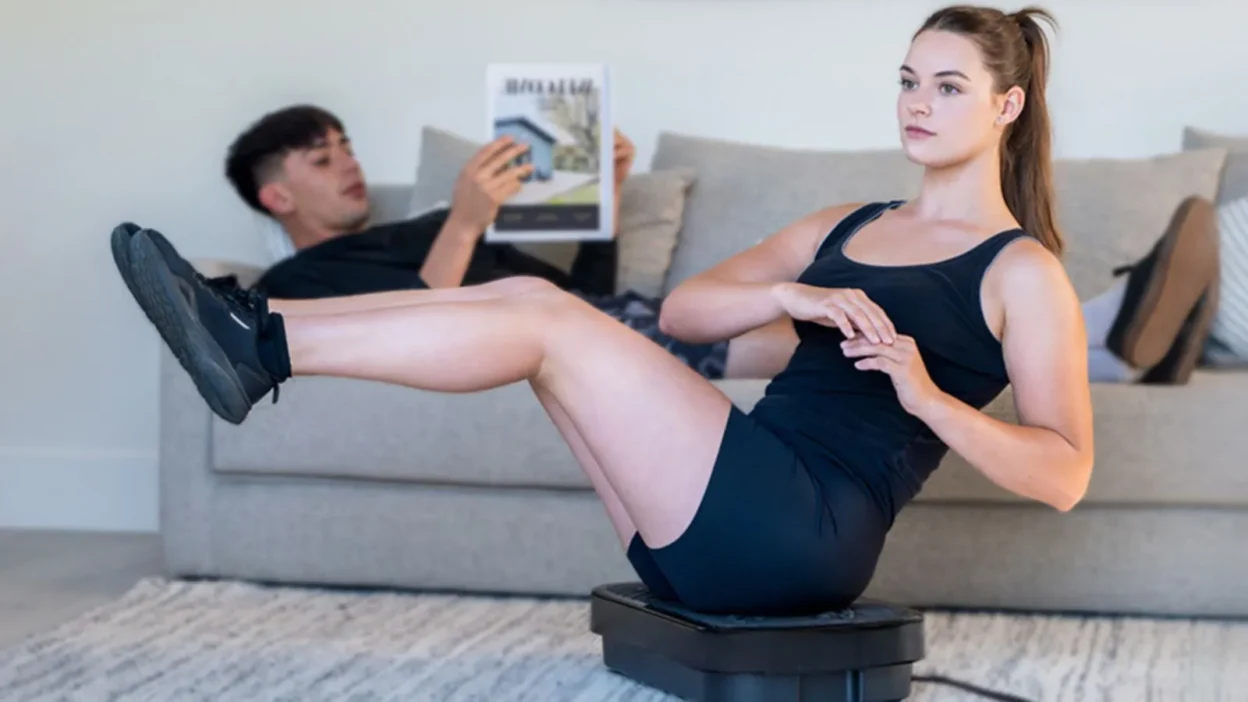
Vibration plates have become a popular fitness trend, promising a faster, low-impact way to burn calories and tone muscles.
Many people wonder: do vibration plates really work for weight loss, or are they just another gimmick? With gyms and home fitness setups offering whole-body vibration machines, it’s easy to get intrigued by claims of fat reduction, improved circulation, and muscle toning in just a few minutes a day.
But before you invest in an expensive machine or dedicate hours to standing on a vibrating platform, it’s important to understand the science behind it.
In this article, we’ll explore how vibration plates work, what research says about their weight loss potential, and the additional health benefits they may provide.
We’ll also discuss practical tips, safety considerations, and realistic expectations so you can make an informed decision about incorporating vibration training into your fitness routine.
What Are Vibration Plates?
Vibration plates, also known as whole-body vibration machines, are fitness devices designed to transmit mechanical vibrations through your body while you stand, sit, or perform exercises on them. These vibrations cause your muscles to contract and relax multiple times per second, creating an effect similar to traditional strength training, but with less joint strain.
There are several types of vibration plates: vertical, oscillating, and pivotal. Vertical plates move up and down, producing uniform vibrations, while oscillating plates tilt side to side, creating a see-saw motion. Pivotal plates combine these motions for a more complex muscle activation. Each type offers slightly different benefits, with oscillating plates being popular for balance and coordination improvements, and vertical plates often favored for direct muscle stimulation.
Vibration plates are commonly used in gyms, home fitness setups, and even rehabilitation clinics. Fitness enthusiasts use them for muscle toning, improved circulation, and as a supplement to their workouts. Physical therapists sometimes recommend vibration plates for older adults to enhance balance, bone density, and joint stability.
While the machines are easy to use—simply standing or performing light exercises on them—results vary depending on the type of vibration, session duration, and your overall fitness routine. Understanding what vibration plates are and how they work is the first step in evaluating whether they can truly aid in weight loss.
How Do Vibration Plates Work?
Vibration plates work by sending rapid mechanical vibrations through your body, which causes your muscles to contract and relax automatically. This process is called the tonic vibration reflex, and it forces your muscles to engage more frequently than during regular exercises. Even standing still on a vibration plate can activate multiple muscle groups, including your legs, core, and glutes.
These rapid contractions increase muscle activity and stimulate your nervous system, which can improve muscle strength, coordination, and balance. The vibrations also boost circulation, promoting better oxygen and nutrient delivery to your muscles while supporting lymphatic drainage. This enhanced blood flow can aid in recovery and overall wellness.
When it comes to weight loss, vibration plates can contribute by slightly increasing calorie expenditure during a session. The combination of involuntary muscle contractions and small dynamic movements, like squats or lunges on the plate, adds up to additional calories burned compared to standing still. However, it’s important to note that the calorie burn is generally modest and should be combined with a proper diet and other exercises for meaningful fat loss.
By providing muscle stimulation without heavy strain, they can complement traditional workouts and enhance overall fitness, making them a practical addition to your exercise routine.
Can Vibration Plates Help with Weight Loss? The Science
The idea of using vibration plates for weight loss has gained popularity, but what does science actually say? Studies show that vibration plates can contribute to modest weight loss and fat reduction, mainly by stimulating muscles and slightly increasing calorie burn. For example, research indicates that a 10–15 minute session can burn anywhere from 50 to 100 calories, depending on intensity, body weight, and exercises performed on the plate. While this isn’t as much as a typical cardio workout, it can add up when combined with other physical activity.
Vibration training also improves muscle tone and strength, which indirectly supports fat loss. More muscle mass increases resting metabolism, meaning your body burns more calories even at rest. This effect, combined with diet and regular exercise, can help reduce body fat over time.
However, experts emphasize that vibration plates are not a standalone solution for weight loss. Most studies suggest that the most effective results occur when vibration plate use is combined with a healthy diet, cardiovascular exercise, and resistance training. People who rely solely on vibration plates without making lifestyle changes are unlikely to see significant fat loss.
In short, vibration plates can be a helpful supplement in a weight loss routine, especially for those seeking low-impact workouts or additional muscle stimulation. They can improve overall fitness and support calorie expenditure, but realistic expectations are key for long-term results.
Other Health Benefits of Vibration Plates
While vibration plates are often promoted for weight loss, they also offer a variety of additional health benefits that make them a valuable addition to a fitness routine. One of the main advantages is muscle strengthening and toning. The rapid vibrations engage multiple muscle groups simultaneously, helping improve muscle endurance and firmness without heavy resistance training. This makes vibration plates particularly useful for those with limited access to weights or who prefer low-impact workouts.
Another benefit is bone density improvement. Research suggests that whole-body vibration can stimulate bone cells, which may help reduce the risk of osteoporosis, especially in older adults. This effect makes vibration plates a useful tool for maintaining skeletal health alongside traditional strength training.
Vibration plates also enhance circulation and lymphatic flow, which supports nutrient delivery, oxygenation, and toxin removal. Improved circulation can reduce muscle soreness and aid recovery after workouts, while the gentle stimulation can boost energy and overall vitality.
Additionally, vibration plates improve balance, coordination, and flexibility. The unstable surface forces your core and stabilizer muscles to engage continuously, which can enhance posture, prevent falls, and support better athletic performance. Some users also report reduced stress and improved relaxation after vibration sessions, likely due to the combination of movement and muscle activation.
Overall, even if weight loss is modest, vibration plates provide a comprehensive set of health benefits—from muscle and bone health to circulation and flexibility—making them a useful supplement to any fitness program.
Pros and Cons of Using Vibration Plates
Vibration plates can be a convenient and innovative addition to a fitness routine, but like any tool, they come with both advantages and limitations. Understanding these pros and cons can help you decide whether they’re right for your goals.
Pros:
- Low-impact exercise: Vibration plates allow muscle stimulation without putting excessive strain on joints, making them ideal for beginners, older adults, or those with joint problems.
- Muscle activation and toning: Rapid vibrations engage multiple muscle groups simultaneously, helping improve strength, tone, and endurance in a short amount of time.
- Time-efficient workouts: Even short sessions of 10–15 minutes can provide benefits, making it easier to fit exercise into a busy schedule.
- Improved balance and flexibility: The unstable surface engages stabilizer muscles, enhancing coordination, posture, and overall functional fitness.
- Supplementary health benefits: Besides fitness, vibration plates can aid circulation, lymphatic flow, and bone density.
Cons:
- Limited calorie burn: While helpful, vibration plates alone are unlikely to produce significant weight loss; they should complement other exercises and diet.
- High cost: Quality machines can be expensive, which may deter some users from investing.
- Safety concerns: People who are pregnant, have cardiovascular issues, or certain joint conditions should consult a doctor before use.
- Not a replacement for traditional workouts: Cardio and strength training remain essential for overall fitness and substantial weight loss.
In conclusion, vibration plates are best used as a supplementary tool rather than a primary method for weight loss. When combined with a balanced diet and regular exercise, they can enhance muscle tone, support joint health, and improve overall fitness.
How to Use Vibration Plates for Best Results
To get the most out of vibration plates, it’s important to use them correctly and consistently. While simply standing on the platform can activate muscles, incorporating targeted exercises significantly enhances results for weight loss, strength, and overall fitness.
Recommended Frequency and Duration:
For beginners, 10–15 minutes per session, 2–3 times per week is sufficient. As you progress, sessions can be extended to 20–30 minutes, up to 5 times per week. Shorter, frequent sessions are often more effective than occasional long sessions, as consistency helps maintain muscle engagement and calorie burn.
Effective Exercises on Vibration Plates:
- Squats: Strengthen glutes, quads, and core.
- Lunges: Tone legs and improve balance.
- Planks: Engage the core and stabilizer muscles.
- Push-ups: Increase upper body strength.
- Calf raises: Improve leg tone and circulation.
Tips for Optimal Results:
- Maintain good posture: keep your core engaged, knees slightly bent, and back straight.
- Combine vibration plate sessions with cardio and strength training for maximum fat loss.
- Gradually increase intensity and duration to avoid overuse or muscle fatigue.
- Always wear supportive shoes and ensure the machine is on a stable surface.
By integrating these exercises into your routine, vibration plates can enhance muscle activation, improve circulation, and support calorie burning. While they are not a replacement for traditional workouts, proper use makes them a powerful supplementary tool for fitness and weight management.
Real User Experiences & Results
Many people turn to vibration plates with the hope of quick weight loss, but real-world results often vary based on frequency, diet, and overall activity levels. Users generally report modest fat reduction and improved muscle tone rather than dramatic weight loss. For instance, individuals who incorporated vibration plate sessions into a balanced routine—combining cardio, strength training, and a healthy diet—often noticed tighter legs, firmer glutes, and better core engagement within 4–6 weeks.
Some beginners found that short, 10–15 minute sessions, 2–3 times per week, were enough to feel increased energy and mild muscle activation. Advanced users often combine vibration plates with squats, lunges, or planks to increase calorie burn and maximize results. Many also noted improvements in balance and flexibility, which made other workouts easier and safer.
It’s important to manage expectations: vibration plates are not a magic solution for shedding large amounts of weight. Those who relied solely on standing or minimal activity on the plate typically saw little to no weight loss, though muscle stimulation and circulation benefits were still present.
Overall, real user experiences show that vibration plates are most effective as a supplementary tool. They help tone muscles, support low-impact workouts, and enhance overall fitness. When combined with diet and regular exercise, users can expect gradual improvements in weight management, body composition, and functional strength over time.
Common Myths About Vibration Plates and Weight Loss
Vibration plates have gained popularity, but several misconceptions can give users unrealistic expectations. Understanding these myths helps you use the machines effectively and safely.
Myth 1: Vibration plates alone can make you lose a lot of weight.
Reality: While vibration plates stimulate muscles and burn some calories, they cannot replace a balanced diet and regular exercise. Significant weight loss requires a combination of calorie control, cardio, and strength training.
Myth 2: You don’t need to exercise on the plate—just standing works.
Reality: Simply standing may activate muscles slightly, but active exercises like squats, lunges, or planks dramatically increase calorie burn and results. Passive use alone provides minimal impact on weight loss.
Myth 3: Results appear immediately.
Reality: Weight loss and muscle toning take weeks to months of consistent use. Quick results often reported in advertisements are exaggerated or based on anecdotal experiences.
Myth 4: Vibration plates replace all gym workouts.
Reality: They are a supplementary tool, not a replacement for traditional exercise. Cardio, resistance training, and flexibility exercises remain essential for overall fitness and sustainable weight loss.
Alternatives to Vibration Plates for Weight Loss
While vibration plates can be a helpful supplement, they are not the most effective tool for significant weight loss. For those seeking faster results, traditional workouts and alternative methods often provide greater calorie burn and long-term benefits.
1. Cardiovascular Exercise
Activities like running, cycling, swimming, and brisk walking increase heart rate and burn calories efficiently. Cardio not only helps reduce body fat but also improves cardiovascular health, stamina, and endurance. High-intensity interval training (HIIT) is especially effective, combining short bursts of intense activity with brief recovery periods to maximize calorie expenditure.
2. Strength Training
Building muscle through resistance exercises like weightlifting, bodyweight workouts, or resistance band training increases metabolism. More muscle mass means your body burns more calories even at rest, supporting long-term fat loss. Strength training also improves posture, balance, and overall body composition.
3. Combined Workouts
A combination of cardio and strength training often produces the best results. For example, alternating running sessions with resistance exercises or incorporating HIIT with weights ensures both fat loss and muscle toning.
4. Lifestyle Adjustments
Weight loss is also supported by healthy eating habits, sufficient sleep, and stress management. These factors significantly influence metabolism and energy balance.
FAQ:
1. How many calories can I burn on a vibration plate?
Calorie burn varies based on intensity, duration, and exercises performed. Typically, a 10–15 minute session burns 50–100 calories, so it’s modest compared to traditional cardio.
2. How often should I use a vibration plate for results?
For beginners, 2–3 sessions per week of 10–15 minutes is recommended. Advanced users may increase to 20–30 minutes, 4–5 times per week, combined with other workouts.
3. Can vibration plates reduce belly fat specifically?
Spot reduction is a myth. Vibration plates engage muscles, improve circulation, and slightly increase calorie burn, but overall fat loss depends on diet and total body exercise.
4. How long until I see noticeable results?
Visible changes in muscle tone and balance can appear in 4–6 weeks, while fat reduction requires consistent use combined with diet and exercise.
5. Can vibration plates help with cellulite or toning?
Yes, vibration plates may improve muscle tone and circulation, which can reduce the appearance of cellulite, but results vary.
6. Do I need a personal trainer?
Not necessarily. Many exercises are simple and can be learned online, but beginners may benefit from guidance to ensure correct posture and safety.
Conclusion
Vibration plates can be a helpful addition to a fitness routine, offering muscle stimulation, improved circulation, and low-impact exercise benefits.
While they can contribute to modest weight loss and enhanced muscle tone, they are not a magic solution.
Real results depend on consistent use, proper technique, and pairing with a balanced diet and other exercises such as cardio and strength training.
Advanced users can incorporate targeted exercises like squats, lunges, and planks to maximize results.
Ultimately, vibration plates work best as a supplementary tool rather than a replacement for traditional workouts.
With realistic expectations, consistent use, and a holistic approach to fitness, they can help support weight management, muscle tone, and overall health over time.

Fyodor Dostoevsky (1821–1881) was a renowned Russian novelist, short story writer, essayist, and philosopher whose works explore human psychology, morality, and existential dilemmas. Best known for classics like Crime and Punishment, The Brothers Karamazov, and The Idiot, Dostoevsky’s writing has influenced literature, psychology, and philosophy worldwide.