
If you’ve been exploring ways to lose weight, chances are you’ve heard about collagen and its potential benefits.
Collagen is a protein naturally found in our skin, bones, and connective tissues, and it plays a key role in keeping our bodies strong and healthy.
Lately, collagen supplements have gained popularity, with claims that they can support weight loss by boosting metabolism, reducing cravings, and helping maintain muscle mass.
But does collagen really help with weight loss, or is it just another wellness trend?
In this article, we’ll take a close look at the science behind collagen and weight loss, explore how it may affect appetite, fat burning, and muscle growth, and provide practical tips on how to use it safely.
By the end, you’ll have a clear understanding of whether collagen can truly support your weight management goals.
What is Collagen? Understanding the Basics
Collagen is the most abundant protein in the human body, making up around 30% of total protein. It acts like the body’s scaffolding, providing structure to the skin, bones, muscles, tendons, and ligaments. Without collagen, our tissues would lose elasticity and strength, which is why it’s essential for overall health.
There are several types of collagen, each with unique roles. Type I collagen is the most common and is found in skin, bones, and tendons. Type II supports cartilage, while Type III is important for muscles and blood vessels. As we age, natural collagen production decreases, leading to wrinkles, joint discomfort, and slower tissue repair.
Collagen isn’t just important for skin and joints—it also plays a role in weight management. Protein, including collagen, can help support metabolism and preserve muscle mass, which are both crucial for effective fat loss. Collagen supplements, like hydrolyzed collagen and collagen peptides, are popular because they are easy for the body to absorb and may help fill nutritional gaps.
While collagen alone isn’t a magic solution for weight loss, understanding its function in the body is the first step toward using it effectively. When combined with a balanced diet and regular exercise, collagen may support your weight management goals by keeping your muscles strong, your metabolism active, and your appetite in check.
The Science Behind Collagen and Weight Loss
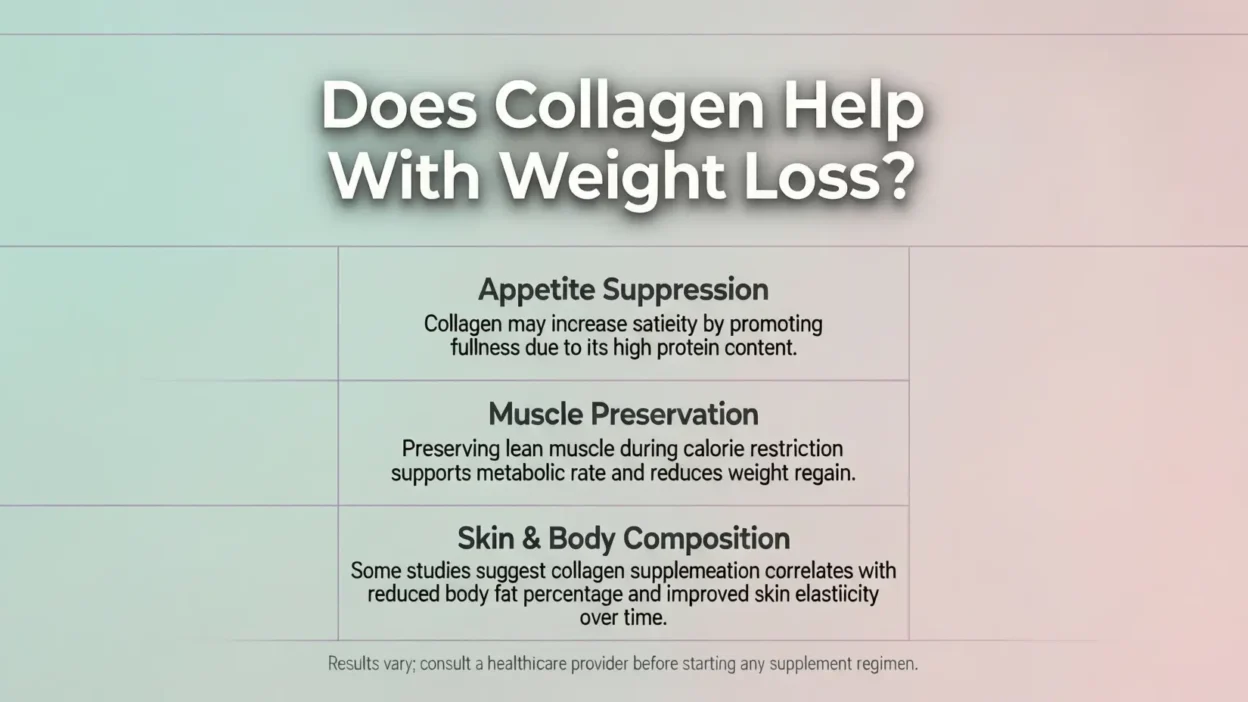
Collagen has gained attention in the wellness community as a potential aid for weight loss, but what does the science actually say? While research is still emerging, several studies suggest that collagen can indirectly support weight management, mainly through muscle maintenance, metabolism, and appetite control.
One key way collagen may help is by preserving or increasing lean muscle mass. Muscle tissue burns more calories at rest than fat, meaning that maintaining muscle can boost your metabolism and help with fat loss. Some studies indicate that collagen supplementation combined with resistance training can improve muscle strength and body composition, particularly in older adults.
Collagen may also influence appetite. Protein-rich foods are known to promote feelings of fullness, and collagen is no exception. Consuming collagen, whether through powders, shakes, or bars, can help reduce cravings and prevent overeating, which supports weight management.
However, it’s important to note that most research on collagen and weight loss is limited. Many studies are small, short-term, or focused on muscle health rather than fat loss directly. Collagen supplements alone won’t melt away pounds, but when combined with a balanced diet and regular exercise, they may contribute to better results over time.
Collagen and Muscle Mass: Why It Matters for Weight Management
One of the most important ways collagen can support weight loss is by helping maintain or build muscle mass. Muscle is metabolically active tissue, which means it burns more calories than fat, even when the body is at rest. Preserving lean muscle while losing weight ensures that more calories come from fat stores rather than muscle breakdown.
Collagen is a protein that contains amino acids like glycine, proline, and hydroxyproline, which are essential for muscle repair and recovery. While it’s not a complete protein like whey, it can complement other protein sources in your diet, especially when combined with strength training. Studies have shown that older adults who take collagen supplements along with resistance exercises experience improved muscle mass and strength compared to those who don’t supplement.
Maintaining muscle is particularly important during weight loss because traditional dieting without sufficient protein can lead to muscle loss, slowing metabolism and making it harder to sustain fat loss. By incorporating collagen into your routine, either through powders, peptides, or high-protein foods, you provide your body with the building blocks needed to support muscles.
It’s also worth noting that collagen works best in combination with exercise. Resistance training, bodyweight exercises, or weightlifting paired with collagen supplementation can maximize results. While collagen alone won’t directly burn fat, it plays a supportive role in maintaining muscle, which is crucial for effective, long-term weight management.
Collagen’s Role in Appetite and Cravings
Protein is well known for its ability to promote feelings of fullness, and collagen is no exception. When included as part of a meal or snack, collagen can help curb hunger and reduce cravings, which may make it easier to maintain a calorie deficit for weight loss. Unlike simple carbohydrates or sugary snacks, protein-rich foods like collagen help stabilize blood sugar levels, preventing sudden spikes and crashes that trigger overeating.
Collagen supplements come in various forms, including powders, shakes, and bars, making them convenient to incorporate into daily routines. For example, a collagen shake between meals can help reduce mid-afternoon hunger, while adding collagen peptides to breakfast can support satiety for hours. Some people also use collagen in meal replacement smoothies, pairing it with fiber-rich fruits and healthy fats to create a balanced, filling option.
Research on collagen and appetite is still limited, but studies on protein intake show that higher protein diets can reduce calorie consumption naturally. Collagen, though not a complete protein, contributes to this effect by providing essential amino acids that help regulate appetite hormones such as ghrelin and peptide YY.
It’s important to remember that collagen alone won’t make you lose weight—it works best as part of a well-rounded diet. By supporting satiety and helping control cravings, collagen can be a useful tool for those aiming to manage their weight without feeling hungry all the time.
Types of Collagen Supplements for Weight Loss
Collagen supplements come in various forms, each with unique benefits and uses. Understanding these types can help you choose the right one to support your weight loss and overall health goals.
Hydrolyzed Collagen (Collagen Peptides):
This is the most popular form for weight management. Hydrolyzed collagen is broken down into smaller peptides, making it easier for the body to absorb. It can be mixed into shakes, smoothies, coffee, or even baked goods, providing a convenient protein boost that may help support muscle maintenance and satiety.
Powders:
Collagen powders are highly versatile and widely available. They usually contain hydrolyzed collagen and can be dissolved in water, milk, or other beverages. Many powders are flavorless, allowing easy incorporation into daily meals without altering taste.
Capsules and Tablets:
These are convenient for those who prefer a simple, no-mix option. While they may provide less collagen per serving than powders, they are easy to take on-the-go and ensure consistent intake.
Collagen Drinks and Bars:
Ready-to-drink collagen beverages and protein bars combine collagen with other nutrients, like vitamins, minerals, or additional protein, to create a more complete snack or meal replacement. These options are helpful for appetite control and convenient supplementation.
Source Considerations:
Collagen is usually derived from bovine (cow), marine (fish), or chicken sources. Marine collagen is often preferred for absorption, while bovine collagen is rich in type I and III collagen, beneficial for skin and muscles.
How to Use Collagen Effectively for Weight Loss
Taking collagen correctly is essential to maximize its potential benefits for weight management. While collagen alone won’t burn fat, incorporating it strategically can support muscle maintenance, metabolism, and appetite control.
Recommended Dosage:
Most studies suggest taking 10–20 grams of collagen per day. This amount can be split across meals or taken in one serving, such as a morning or post-workout shake. Hydrolyzed collagen or collagen peptides are preferred for weight management due to their high absorption rate.
Timing Matters:
Collagen can be taken at any time, but pairing it with meals or workouts can enhance its effects. For example, consuming collagen after exercise may help repair muscles, while taking it between meals can reduce cravings and support satiety.
Combining with Other Nutrients:
Vitamin C is essential for collagen synthesis, so pairing collagen with citrus fruits, berries, or supplements can improve absorption and effectiveness. Additionally, combining collagen with a balanced diet rich in lean proteins, vegetables, and healthy fats ensures your body has all the nutrients it needs for weight management.
Consistency is Key:
Collagen is most effective when taken daily over several weeks. Many users report noticeable benefits in joint health, muscle recovery, and satiety after 8–12 weeks of regular use.
Exercise Matters:
Pairing collagen supplementation with strength training or resistance exercises enhances muscle retention and metabolism, supporting long-term fat loss.
Potential Side Effects and Safety Considerations
Collagen supplements are generally considered safe for most people, but it’s important to be aware of potential side effects and safety considerations before adding them to your routine.
Digestive Issues:
Some individuals may experience mild digestive discomfort, such as bloating, gas, or diarrhea, especially when starting collagen supplementation or taking higher doses. Starting with a smaller amount and gradually increasing can help reduce these effects.
Allergic Reactions:
Collagen is typically sourced from bovine (cow), marine (fish), or chicken. If you have allergies to fish or other animal proteins, it’s important to choose a collagen supplement from a source you can safely consume. Marine collagen, for example, is not suitable for those with fish allergies.
Drug Interactions:
While rare, collagen supplements may interact with certain medications. If you take prescription drugs or have medical conditions, it’s best to consult a healthcare provider before starting collagen supplementation.
Quality Matters:
The supplement market is largely unregulated, so choosing high-quality collagen from reputable brands is essential. Look for products that are third-party tested, free from fillers, and labeled with the type and source of collagen.
Pregnancy and Breastfeeding:
Safety for pregnant or breastfeeding women has not been fully established. Consultation with a healthcare provider is recommended before use.
Collagen vs Other Protein Supplements
When it comes to weight management, collagen is just one type of protein supplement among many. Understanding how it compares to other options can help you make informed choices for your fitness and weight loss goals.
Collagen vs Whey Protein:
Whey is a complete protein, meaning it contains all nine essential amino acids, which makes it highly effective for building and repairing muscle. Collagen, while rich in certain amino acids like glycine and proline, is not complete. This means that while collagen supports connective tissue and muscle recovery, it should ideally be paired with other protein sources for overall muscle growth.
Collagen vs Casein:
Casein digests slowly and provides a steady release of amino acids over several hours. This is useful for prolonged muscle support, especially overnight. Collagen digests more quickly, making it better suited for immediate absorption, post-workout recovery, or snack-time satiety.
Collagen vs Plant-Based Proteins:
Pea, rice, and soy proteins are popular vegan options. While plant proteins can provide complete amino acid profiles when combined, they may not specifically support joint, skin, and connective tissue health like collagen does. Collagen offers additional benefits for hair, skin, nails, and joints, which are unique compared to most plant-based proteins.
Weight Loss Considerations:
All protein supplements can help support satiety and maintain lean muscle during weight loss. Collagen’s advantage lies in its potential effects on connective tissue, joint health, and skin elasticity, while other proteins may be more effective for rapid muscle gain.
Real-Life Experiences and Success Stories
Many people who have incorporated collagen into their routines for weight management report noticeable benefits, especially when combined with a healthy diet and regular exercise. While scientific evidence is still emerging, anecdotal experiences provide insight into how collagen may support weight loss and overall wellness.
For example, some users share that taking collagen daily helped them feel fuller between meals, reducing snacking and overall calorie intake. Others report improved muscle recovery and reduced soreness after workouts, which allowed them to exercise more consistently and maintain lean muscle while losing fat. Maintaining muscle is essential because it keeps metabolism higher, which is a key factor in sustainable weight management.
Collagen also receives praise for supporting skin elasticity and joint health, making it easier for people to stay active without discomfort. This indirect effect can be valuable for weight loss, as it encourages a more consistent exercise routine.
However, it’s important to manage expectations. Collagen is not a miracle solution; weight loss occurs primarily through a combination of calorie control, balanced nutrition, and physical activity. Some users may notice changes in appetite or muscle tone within a few weeks, while others may take longer to see results.
FAQs
1. Can collagen alone make you lose weight?
No, collagen alone won’t directly burn fat. It works best as part of a balanced diet and exercise plan by supporting muscle, satiety, and metabolism.
2. How long does it take to see results from collagen?
Most people notice benefits such as improved joint comfort, satiety, or minor changes in muscle tone within 8–12 weeks of consistent daily use. Weight-related results vary depending on diet and exercise.
3. Can I get collagen from food sources?
Yes. Bone broth, chicken skin, fish skin, and gelatin-rich foods are natural sources of collagen. However, supplements provide a more concentrated, easily absorbed form.
4. What type of collagen is best for weight loss?
Hydrolyzed collagen or collagen peptides are most commonly recommended. They are easier to digest and can be added to shakes, smoothies, or meals for convenience.
5. Are there side effects from collagen supplements?
Collagen is generally safe, but some people may experience mild digestive issues such as bloating or gas. Allergies to fish, bovine, or chicken sources are possible, so check labels carefully.
6. Can vegetarians or vegans use collagen supplements?
Most collagen comes from animal sources, so vegetarians and vegans may need to rely on plant-based protein alternatives or genetically engineered vegan collagen, though the effectiveness may differ.
7. How much collagen should I take for weight loss?
A common recommendation is 10–20 grams per day. Pairing it with meals or workouts maximizes benefits.
Conclusion
Collagen can play a supportive role in weight management, but it’s important to understand its true benefits and limitations.
While it won’t directly burn fat or serve as a magic solution, collagen can help maintain lean muscle, boost metabolism, and support appetite control—all factors that contribute to effective and sustainable weight loss.
Incorporating collagen supplements, particularly hydrolyzed collagen or collagen peptides, into a balanced diet can help fill nutritional gaps, improve satiety, and aid in post-workout recovery.
Scientific studies suggest that combining collagen with strength training or resistance exercises enhances muscle mass and metabolism, making weight loss efforts more efficient.
Additionally, collagen may help reduce cravings, support joint health, and improve skin elasticity, which can indirectly make it easier to maintain an active lifestyle.
It’s essential to remember that consistency matters. Regular intake of collagen over several weeks, combined with a nutrient-rich diet and physical activity, provides the best results.
Choosing high-quality supplements from reputable brands, monitoring for potential allergies, and pairing collagen with other complete protein sources ensures safety and effectiveness.
In conclusion, collagen should be viewed as a helpful addition to a weight management strategy, rather than a standalone solution.
By supporting muscles, appetite, and overall wellness, collagen creates a foundation that allows other lifestyle changes to work more effectively, helping you achieve your weight loss goals in a healthy and sustainable way.

Elena Moretti is a highly accomplished Italian business executive and Country Business Unit Head for Building Products at Siemens S.p.A., known for her expertise in leadership, digital transformation, smart buildings, and strategic business growth. With a degree in Business Administration from Bocconi University, Moretti has built a distinguished career spanning finance, operations, and executive management in complex engineering‑driven industries.