

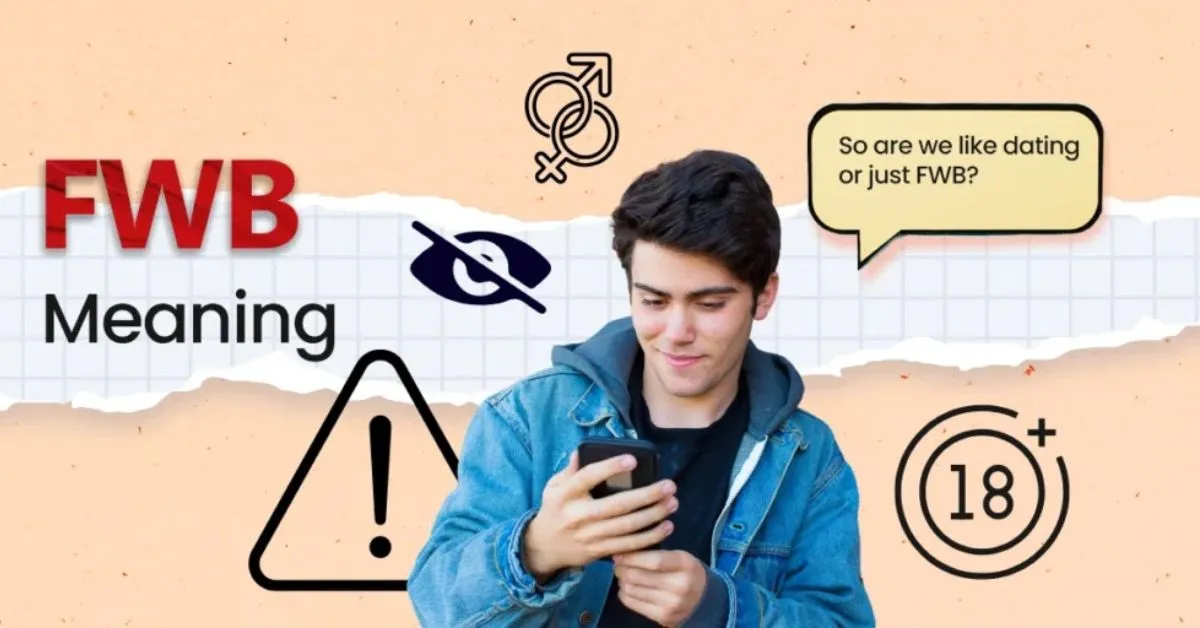
If you’ve been texting, scrolling social media, or browsing dating apps, you might have come across the term FWB and wondered, “What does this even mean?”
In the world of texting and online dating, acronyms like FWB can be confusing, especially if you’re new to casual relationship lingo.
Simply put, FWB stands for “Friends With Benefits,” describing a friendship that includes a sexual relationship without the expectations of a traditional romantic commitment.
While it might sound straightforward, the concept comes with its own set of nuances, rules, and etiquette.
Understanding what FWB really means can help you navigate conversations, avoid misunderstandings, and make informed choices if someone proposes this type of arrangement.
In this article, we’ll break down the meaning of FWB, explore how it’s used in texts, explain the pros and cons, and give practical tips for responding to FWB messages in a way that respects both you and your friend.
What FWB Means in Text
In texting and online conversations, FWB is short for “Friends With Benefits.” It refers to a relationship where two friends engage in sexual activity without the emotional commitment typically expected in dating. Unlike romantic relationships, an FWB arrangement focuses on casual intimacy while maintaining the friendship, meaning there’s no pressure for exclusivity, long-term plans, or emotional obligations.
When someone texts “Are you down to be FWB?” or uses the term casually in a conversation, it signals that they’re interested in a casual, no-strings-attached connection rather than pursuing a serious relationship. Context matters, though sometimes people joke about FWB in texts without any real intention, so paying attention to tone and behavior is key.
FWB relationships are often popular among young adults, especially in the era of dating apps and social media, because they allow flexibility and freedom. People can explore intimacy while still prioritizing personal goals, friendships, or other relationships. However, it’s essential to recognize that FWB is not for everyone, as it can sometimes lead to mixed emotions, misunderstandings, or jealousy if boundaries aren’t clearly communicated.
Texting shorthand like FWB makes it easier for people to communicate their intentions quickly, but it can also be confusing if you’re not familiar with the term. Understanding what FWB truly means can help you navigate these conversations confidently and decide whether this type of relationship is right for you.
Origins and Popularity of FWB
The term FWB, or Friends With Benefits, has been around for decades, but it became widely recognized in popular culture in the late 20th century. While casual relationships have always existed, the phrase FWB started gaining mainstream attention through movies, television shows, and music that explored the idea of intimacy without commitment. By the early 2000s, it had fully entered everyday conversation, especially among young adults navigating friendships, dating, and casual encounters.
With the rise of texting and online dating, FWB became an easy shorthand to communicate intentions quickly. Instead of lengthy explanations about relationship expectations, people could simply use the acronym FWB to indicate that the arrangement was casual and no-strings-attached. This made it especially popular in dating apps like Tinder, Bumble, or Instagram DMs, where users often seek clarity upfront.
Social media also contributed to FWB’s popularity. Memes, viral posts, and discussions about modern dating normalized the term, making it part of the everyday digital lexicon. Today, FWB is widely understood among teens, young adults, and even older generations who engage in online dating.
However, while the term is common, it’s not without misunderstandings. Many people assume FWB is purely sexual or devoid of emotional consequences, but in reality, each FWB arrangement is unique, with its own boundaries, rules, and potential pitfalls. Understanding the origins of FWB helps put the concept in perspective and highlights why it has become such a recognizable part of modern communication.
Signs Someone Might Be FWB Material
Not everyone who uses the term FWB or flirts in texts is looking for a casual arrangement, so it helps to recognize the signs that someone might be interested in a Friends With Benefits setup. Understanding these cues can prevent misunderstandings and help you decide how to respond.
Texting Clues: One of the clearest indicators is how they communicate over text. Messages may be flirty, suggestive, or focused on late-night plans rather than deep emotional conversations. They may avoid talking about feelings, relationships, or future commitments, keeping interactions light and casual.
Behavioral Patterns: Beyond texts, actions often reveal intentions. Someone interested in an FWB arrangement might prefer hanging out in private settings rather than group events, limit introductions to friends or family, and prioritize spontaneous or convenient meetups over planned, romantic outings.
Consistency and Context: Timing and context are important. If someone frequently reaches out at specific times like late at night or seems focused on physical connection without emotional investment, it could indicate FWB interest. Additionally, they may discuss or joke about casual relationships or dating openly, giving subtle hints about their intentions.
It’s important to note that FWB arrangements require mutual understanding and consent. Assuming someone is FWB material without clear communication can lead to confusion or hurt feelings. Paying attention to these signs can help you read between the lines in texts, determine their intentions, and make informed decisions about whether to pursue a casual relationship or maintain boundaries.
Pros and Cons of FWB
A Friends With Benefits (FWB) arrangement can be appealing for some, but it’s important to weigh both the benefits and potential drawbacks before jumping in. Understanding the pros and cons can help you navigate this type of relationship with clarity and confidence.
Pros of FWB:
- Casual and Flexible: FWB relationships allow for intimacy without the obligations of a traditional romantic relationship. This flexibility can be ideal for those focused on personal goals, studies, or careers.
- Sexual Satisfaction Without Commitment: People can enjoy physical intimacy without emotional pressure or the expectation of exclusivity.
- Freedom to Date Others: Unlike a committed relationship, FWB arrangements often allow both parties to explore other connections simultaneously.
- Maintaining Friendship: If boundaries are clear, you can preserve a friendship while adding a layer of physical connection.
Cons of FWB:
- Emotional Confusion: Casual intimacy can sometimes lead to unexpected feelings, jealousy, or attachment, which may complicate the friendship.
- Mixed Signals: Without clear communication, one person may assume the relationship is more serious than intended.
- Potential Social Awkwardness: Mutual friends or social circles may feel uncomfortable if the FWB arrangement becomes public or ends abruptly.
- Limited Support: FWB is typically focused on physical connection rather than emotional support, so it may not fulfill deeper relational needs.
FWB relationships can work well if both parties are honest, communicative, and emotionally aware. However, it’s crucial to assess your own comfort level and set clear boundaries from the start to prevent misunderstandings or hurt feelings.
How to Respond to FWB Texts
Receiving a text suggesting a Friends With Benefits (FWB) arrangement can be confusing, especially if you’re unsure about your feelings or boundaries. Responding thoughtfully is key to protecting your emotional well-being and maintaining respect for both yourself and the other person.
1. Be Clear About Your Intentions
Before replying, take a moment to reflect on what you want. Are you interested in a casual arrangement, or do you prefer a traditional relationship? Clear self-awareness will help you communicate honestly and prevent misunderstandings.
2. Use Respectful, Direct Communication
If you’re open to FWB, communicate your boundaries upfront. For example, clarify expectations regarding exclusivity, frequency of meetings, or communication outside of intimate encounters. If you’re not interested, politely but firmly decline. Avoid vague answers like “maybe” or “we’ll see,” as these can create confusion.
3. Keep Texts Casual but Honest
FWB conversations often happen over text, so tone matters. Use friendly, non-flirtatious language if you’re declining, and avoid overexplaining. If you agree, maintain a tone that is light, clear, and respectful, emphasizing mutual consent.
4. Consider Timing and Context
Evaluate whether responding immediately is best or if you need time to process your feelings. Some situations, like late-night messages, may indicate casual intent rather than serious discussion.
5. Protect Your Emotional Well-Being
Always prioritize your feelings. If at any point the arrangement begins to cause emotional discomfort or confusion, it’s okay to step back or end the FWB dynamic.
By responding thoughtfully and setting boundaries, you ensure that both parties understand expectations and avoid unnecessary complications.
FWB Etiquette and Safety Tips
Engaging in a Friends With Benefits (FWB) relationship can be enjoyable, but it requires clear boundaries, mutual respect, and attention to safety. Following proper etiquette ensures that both parties feel comfortable and that the friendship remains intact.
1. Prioritize Consent and Communication
Consent is the foundation of any FWB arrangement. Both parties should explicitly agree to the terms of the relationship and feel free to express boundaries. Regularly checking in ensures that both sides remain comfortable and respected.
2. Respect Boundaries
FWB relationships work best when each person’s limits are honored. This includes boundaries around emotional attachment, frequency of contact, sexual activities, and social situations. Avoid pushing someone into anything they’re uncomfortable with, and expect the same in return.
3. Practice Safe Sex
Health is crucial. Use protection consistently and discuss STI testing openly. Even in casual arrangements, responsible sexual behavior protects both parties and builds trust.
4. Maintain the Friendship
Separate friendship and intimacy where possible. Avoid bringing FWB topics into social gatherings unnecessarily, and handle any awkward situations maturely. Ending the arrangement should also be done respectfully to preserve the friendship.
5. Avoid Mixed Signals
Be mindful of how texts, calls, and in-person interactions might be interpreted. Clear, honest communication prevents misunderstandings and emotional confusion.
By following these etiquette and safety tips, an FWB arrangement can remain fun, consensual, and low-stress. Mutual respect, open communication, and consideration for emotional and physical well-being are the keys to making this type of relationship successful.
Common Misconceptions About FWB
The concept of Friends With Benefits (FWB) is often misunderstood, which can lead to confusion or awkward situations. Clarifying common misconceptions helps both parties approach this type of arrangement with realistic expectations.
1. FWB Is Not Always Just Physical
Many people assume that FWB is purely sexual and devoid of any emotional connection. While intimacy is central, friendships in FWB arrangements can still involve trust, shared experiences, and camaraderie. The key difference is the lack of romantic commitment, not a lack of friendship.
2. FWB Doesn’t Guarantee a Relationship Later
Another common myth is that FWB arrangements are a “stepping stone” to a romantic relationship. While some relationships may evolve, most FWB setups are intended to stay casual. Entering an FWB relationship with the expectation of romance can lead to disappointment.
3. Emotional Attachment Is Not a Sign of Weakness
Feeling emotions or attachment in an FWB setup doesn’t mean you are failing. Human emotions are natural, and acknowledging them helps you maintain healthy boundaries. Open communication about feelings can prevent misunderstandings.
4. FWB Isn’t for Everyone
Not everyone is comfortable with casual intimacy. Misconceptions often assume it’s universally appealing, but personal values, emotional readiness, and lifestyle preferences make FWB suitable for some, but not all.
5. FWB Requires Responsibility
Some believe that casual arrangements have no rules. In reality, FWB requires honesty, consent, and safety to avoid emotional or physical complications.
Understanding these misconceptions allows people to approach FWB with realistic expectations, minimize conflicts, and ensure that both parties benefit from a safe, respectful, and enjoyable arrangement.
Conclusion
Navigating the world of FWB, or Friends With Benefits, can be confusing without understanding what the term really means and how it’s used in texting and online communication.
At its core, FWB is a casual, no-strings-attached relationship between friends that includes intimacy but avoids the obligations of a traditional romantic relationship.
While it offers flexibility, freedom, and casual connection, it also comes with potential emotional challenges, misunderstandings, and social considerations.
Successful FWB arrangements rely on clear communication, mutual respect, and honest boundaries.
Recognizing the signs, understanding the etiquette, and being aware of common misconceptions can help you make informed decisions about whether this type of relationship is right for you.
Whether you’re considering entering an FWB arrangement or just want to understand what it means in texts, knowing the nuances ensures you can navigate these situations confidently and responsibly, protecting both your feelings and the friendship.

Fyodor Dostoevsky (1821–1881) was a renowned Russian novelist, short story writer, essayist, and philosopher whose works explore human psychology, morality, and existential dilemmas. Best known for classics like Crime and Punishment, The Brothers Karamazov, and The Idiot, Dostoevsky’s writing has influenced literature, psychology, and philosophy worldwide.