

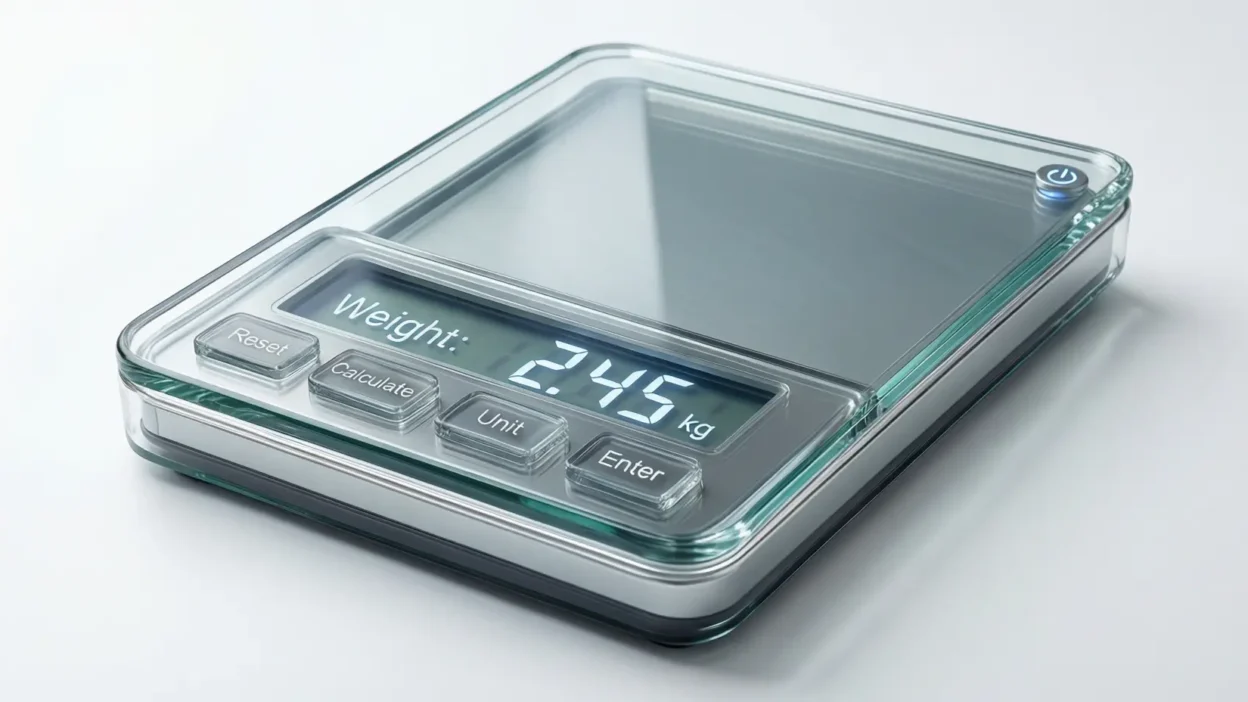
When it comes to glass installations, whether it’s for windows, doors, or custom furniture, one essential factor that often gets overlooked is the weight of the glass.
Understanding the weight of the glass is crucial for ensuring the structural integrity of the project and guaranteeing the safety of both the installation team and the building itself.
Calculating the weight of glass might seem like a complicated task, but with the right tools, it becomes much easier.
A Glass Weight Calculator is a powerful tool designed to simplify this process, providing accurate weight estimates based on the dimensions, thickness, and type of glass.
In this article, we’ll explore the importance of knowing glass weight, how to use a glass weight calculator effectively, and why this tool is an indispensable part of any glass installation or design project.
Whether you’re a professional in construction or a DIY enthusiast, this guide will help you make informed, accurate decisions.
Understanding Glass Weight
Before diving into how to use a Glass Weight Calculator, it’s important to understand what factors influence the weight of glass. Unlike many building materials, glass weight can vary significantly depending on its type, thickness, and dimensions.
1. Glass Type
The type of glass you’re working with plays a crucial role in determining its weight. Common types include annealed glass, tempered glass, laminated glass, and insulated glass. Each type has a different density due to its composition and manufacturing process. For instance, laminated glass consists of two or more layers of glass with a plastic layer in between, which makes it heavier than standard tempered glass.
2. Glass Thickness
The thicker the glass, the heavier it will be. The weight increases proportionally with thickness, as a thicker sheet has more material. Standard thicknesses range from 4mm to 12mm for most residential applications, but specialized glass can be much thicker for high-rise buildings or commercial structures.
3. Dimensions (Length and Width)
The size of the glass sheet is another key factor. A larger sheet of glass will naturally weigh more than a smaller one, even if both are the same thickness. The volume of the glass—calculated by multiplying the length, width, and thickness—directly determines its overall weight.
4. Glass Density
Glass typically has a density of about 2.5 g/cm³, but this can vary slightly depending on the type. For example, tempered glass may be slightly denser than regular annealed glass.
How to Use a Glass Weight Calculator
Using a Glass Weight Calculator is straightforward and can save you significant time and effort compared to manual calculations. Here’s a simple guide to get you started:
Step 1: Select the Glass Type
The first step is choosing the correct glass type. Each glass type has a unique density and weight. Most calculators provide options for common types such as tempered glass, laminated glass, annealed glass, and insulated glass. Select the one that matches your project.
Step 2: Input the Dimensions
Next, you’ll need to enter the dimensions of the glass sheet—its length, width, and thickness. Make sure to input accurate measurements in the correct units (either metric or imperial). For example, you might input the thickness as 6mm, the length as 1200mm, and the width as 800mm.
Step 3: Review the Weight Estimate
Once all the data is entered, the calculator will automatically compute the weight of the glass. The result will typically be displayed in kilograms (kg) or pounds (lbs), depending on the unit settings.
Step 4: Understand the Results
The calculator will give you the weight of the glass based on your specifications. This is useful for determining if the glass can be safely supported by your chosen frame or structure. It’s also helpful in logistics planning, as you’ll know how much weight you need to transport.
Why Use a Glass Weight Calculator?
A Glass Weight Calculator isn’t just a convenient tool; it’s an essential one for anyone working with glass, whether you’re a professional contractor, architect, or a DIY enthusiast. Here’s why:
1. Time Efficiency
Calculating the weight of glass manually involves applying complex formulas and accounting for multiple variables. Using a glass weight calculator eliminates this tedious process, providing results in a fraction of the time. You simply input the dimensions, select the glass type, and get an instant estimate. This is especially helpful when working on large-scale projects with multiple glass panels.
2. Accuracy and Precision
Manual calculations are prone to human error, particularly when working with irregular glass sizes or thicknesses. A glass weight calculator uses standardized formulas and takes all variables into account, ensuring precise results. This level of accuracy is crucial, especially for projects that require exact weight specifications for proper installation and support.
3. Better Planning and Logistics
Knowing the exact weight of your glass panels allows you to plan better for transportation, handling, and installation. For instance, you can choose the right machinery for lifting or determine the necessary structural support. For large glass installations, such as glass facades or windows in high-rise buildings, precise weight calculations are vital to prevent overloading the structure.
4. Cost Savings
Using a calculator helps you avoid costly mistakes—like purchasing glass that’s too heavy or too light for your project’s needs. Proper weight estimation can prevent over-engineering or underestimating structural support costs.
Applications of Glass Weight Calculators
A Glass Weight Calculator is a versatile tool used across a variety of industries. Whether you’re designing custom furniture, installing windows, or working on large-scale construction projects, understanding the weight of glass is crucial for safe and efficient operations. Here are some common applications:
1. Residential and Commercial Window Installations
In both residential and commercial construction, glass is commonly used in windows, facades, and skylights. By calculating the weight of the glass, installers can ensure they choose the appropriate framing material and support structures. This is particularly important for large windows or glass walls that require heavy-duty support systems.
2. Glass Furniture Design
For furniture makers, knowing the exact weight of glass panels is vital when designing tables, shelves, or other glass-based furniture. The weight affects not only the aesthetic design but also the stability and safety of the piece. Accurate weight calculations ensure that the right thickness and type of glass are chosen for durability.
3. Glass Facades and Commercial Buildings
For architects and construction professionals working on high-rise buildings or commercial glass facades, precise weight calculations are essential. Large glass panels used in skyscrapers need to meet specific weight and structural requirements to ensure they are safely supported and can withstand the elements.
4. DIY Projects and Home Renovations
Even for home improvement enthusiasts, a glass weight calculator can be invaluable. Whether you’re replacing a glass panel in a door or designing a custom shower, understanding the weight will guide your material choice and help you avoid mishaps during installation.
Common Challenges When Calculating Glass Weight
While using a Glass Weight Calculator simplifies the process, there are still some common challenges that users might face when calculating glass weight. Understanding these challenges can help ensure more accurate results and prevent potential issues during installation or design. Here are some key challenges:
1. Inaccurate Measurements
The most common mistake when calculating glass weight is providing incorrect measurements. Even small errors in the thickness, length, or width can lead to significant discrepancies in weight calculation. It’s essential to measure carefully using a reliable tape measure or caliper, especially when dealing with custom-sized glass pieces. Double-checking measurements can save time and prevent costly mistakes.
2. Variability in Glass Types
Different types of glass have different densities, which can impact the weight calculation. For example, tempered glass is denser than regular annealed glass, while laminated glass is often heavier due to the additional layers of material. Not accounting for these differences can lead to inaccurate weight estimates, which might affect structural planning or installation requirements. Always ensure you’re selecting the correct glass type in the calculator for the most accurate results.
3. Inconsistent Thickness Across the Panel
Glass sheets, particularly custom-made ones, can sometimes have uneven thickness. This can occur due to imperfections in the manufacturing process or the way the glass is cut. If thickness varies across the surface, the weight calculation could be slightly off. For optimal results, ensure you’re working with uniformly thick glass, or adjust your calculations to account for variations.
4. Understanding Units of Measurement
Another common challenge is dealing with different units of measurement. Some calculators may use metric units (such as millimeters and kilograms), while others may default to imperial units (such as inches and pounds). Ensure you’re consistent with the units you use to avoid conversion errors.
Best Practices for Glass Weight Calculation
To get the most accurate results from a Glass Weight Calculator and ensure the success of your project, it’s essential to follow some best practices. Here are a few tips to help you calculate glass weight accurately and efficiently:
1. Use Accurate Measurements
One of the most important factors in getting a precise weight estimate is using accurate measurements. Measure the length, width, and thickness of your glass with care. For thickness, use a caliper or micrometer for the most precise reading, especially if the glass is not uniform in thickness. If the glass has any curvature or irregularities, make sure to measure at the thickest point.
2. Select the Correct Glass Type
Different types of glass have different densities, which significantly impact the overall weight. Always double-check that you are selecting the correct glass type (e.g., tempered, laminated, insulated) in the calculator. If you’re unsure about the type of glass, refer to product specifications or consult the supplier for clarification.
3. Account for Units Consistency
Ensure that the units you use for dimensions and weight are consistent throughout the calculation. If the calculator uses metric units (mm, cm, kg), make sure to input the measurements in those units. Similarly, if it uses imperial units (inches, feet, pounds), convert your measurements accordingly. This will prevent any discrepancies that could affect the final result.
4. Factor in Glass Treatment or Coating
If the glass has additional treatments like coatings or lamination, it may impact the overall weight. While standard calculators may not include these variables, consider consulting with the glass supplier for weight adjustments based on additional layers.
Tools and Software for Glass Weight Calculation
While a Glass Weight Calculator is an essential tool for most professionals and DIY enthusiasts, there are a variety of other tools and software available to help streamline the calculation process, especially for more complex projects. Here are some options to consider:
1. Online Glass Weight Calculators
There are numerous free online calculators designed specifically for calculating glass weight. These calculators typically require you to input the dimensions, thickness, and glass type to provide an instant weight estimate. Some websites offer calculators tailored to specific types of glass, such as tempered or laminated, ensuring greater accuracy. These are quick and convenient, making them ideal for small projects or when you need a fast estimate.
2. Dedicated Software for Architects and Engineers
For larger construction projects, architects and engineers often use more advanced software. These programs not only calculate the weight of the glass but also allow users to simulate load-bearing capacities and stress on glass structures. Popular software solutions, such as AutoCAD and Revit, offer integrated tools that can calculate the weight and apply structural analysis to ensure safety. These tools are particularly useful when dealing with large-scale glass facades or complex custom installations.
3. Mobile Apps for On-the-Go Calculations
Many mobile apps now offer glass weight calculators for those who need to make quick calculations on-site. These apps allow you to easily input measurements and receive weight estimates from your smartphone or tablet. This feature is particularly beneficial for installers or designers who frequently work on different job sites and need a portable solution.
4. Custom Calculators and Spreadsheets
For businesses or professionals with frequent needs for precise weight calculations, custom spreadsheets or calculators can be created using tools like Microsoft Excel or Google Sheets. These custom solutions can integrate specific formulas based on glass type, thickness, and dimensions to automate the process.
The Importance of Glass Weight in Construction and Design
In the world of construction and design, the weight of glass plays a pivotal role in ensuring the safety, functionality, and aesthetic appeal of a project. Whether it’s for windows, facades, or decorative elements, understanding the glass weight is not just about numbers—it directly impacts various aspects of the build. Here’s why:
1. Structural Integrity and Safety
Glass is a fragile material, and when used in large-scale applications such as facades or glass walls, the weight of the glass becomes crucial to the structural integrity of the building. If the weight isn’t accurately calculated, the structure may not provide the necessary support, leading to potential failures or risks. This is especially important for high-rise buildings or areas subject to strong winds, where the glass panels need to withstand external forces without compromising safety.
2. Proper Framing and Support
Accurately determining the weight of the glass ensures that the frame and support systems can handle the load. Incorrect weight estimations can lead to the use of inappropriate materials, resulting in weak frames that might buckle under pressure. For example, heavy glass requires stronger, more durable framing materials such as steel or reinforced aluminum. Without proper calculations, you risk structural damage or costly modifications later in the project.
3. Design and Aesthetics
Glass weight also plays a role in the overall design of a project. Designers must consider weight when choosing glass for specific uses—such as in a glass staircase, shower enclosure, or skylight. Aesthetic elements such as transparency, thickness, and finish must align with the weight constraints. For instance, using a heavier glass type can give a more substantial, high-end appearance, but it requires careful attention to its support structure.
4. Transportation and Installation Logistics
Knowing the weight of glass upfront also helps in logistics. Glass panels—especially large ones—are heavy and require specialized handling equipment for transportation and installation. Having the precise weight helps in choosing the right tools, vehicles, and safety measures during handling and positioning.
Factors That Affect Glass Weight
Understanding the factors that influence glass weight is crucial for making accurate calculations and ensuring the success of a project. Several elements contribute to the final weight of glass, and being aware of these can help you make more informed decisions. Here are the main factors:
1. Glass Thickness
One of the most significant factors affecting glass weight is its thickness. The thicker the glass, the heavier it will be. For example, a 6mm thick glass panel will weigh significantly less than a 12mm thick glass of the same dimensions. When calculating weight, be sure to account for the exact thickness, as even small variations can impact the overall weight considerably.
2. Glass Type and Density
Different types of glass have varying densities, which directly impact their weight. For example, tempered glass is denser and therefore heavier than standard float glass. Laminated glass, which is made by bonding layers of glass together with a plastic interlayer, will be heavier than single-pane glass. The density of the material, which varies by type, will affect the final weight calculation.
3. Glass Coatings and Treatments
Some glass types come with special coatings or treatments that add extra layers to the surface. For instance, low-emissivity (Low-E) coatings, reflective coatings, or tinted films can add a small amount of extra weight. Similarly, laminated or insulated glass typically consists of multiple layers, each contributing to the overall weight. These additional elements must be considered during weight calculation.
4. Glass Dimensions
Naturally, the larger the glass sheet, the heavier it will be. The length and width of the glass determine its surface area, and the greater the surface area, the more material is needed, resulting in a higher weight. Be sure to input accurate measurements of the dimensions to get an exact weight estimate.
5. Glass Shape and Edge Work
Unusual shapes or customized glass pieces, such as curved or beveled glass, can affect weight calculations. Additionally, edge work such as polishing or beveling may slightly reduce the thickness in certain areas but doesn’t significantly affect the overall weight.
How to Use a Glass Weight Calculator
Using a Glass Weight Calculator can significantly simplify the process of estimating the weight of glass for your project. Whether you’re working on a small DIY project or a large-scale construction endeavor, these calculators provide a quick and accurate way to determine the glass weight. Here’s a step-by-step guide to help you use a glass weight calculator effectively:
1. Select the Correct Calculator
First, ensure you’re using the right type of calculator for your glass type and project. Different calculators may cater to specific types of glass, such as tempered, laminated, or insulated. Choose one that matches your material to ensure the most accurate results.
2. Input Glass Dimensions
Start by entering the length, width, and thickness of the glass panel. These are the primary factors that influence weight. Some calculators may ask for additional details, such as the edge type (e.g., straight or beveled) or shape (e.g., rectangular, circular). Ensure your measurements are as accurate as possible to avoid errors in the calculation.
3. Select the Glass Type
If the calculator provides an option for selecting the glass type, choose the appropriate one (e.g., tempered, float, laminated). Glass weight varies by type due to differences in density, so selecting the correct material is crucial for accuracy.
4. Get the Weight Estimate
Once you’ve input all the necessary information, click the calculate button to receive an instant weight estimate. The result will typically be given in kilograms or pounds depending on the units used.
5. Verify and Adjust for Any Additional Factors
While the calculator gives a basic weight estimate, consider any additional factors that might affect the weight, such as coatings or special treatments. In case of doubts, it’s always a good idea to verify with the supplier or manufacturer.
Frequently Asked Questions (FAQ)
1. How accurate are Glass Weight Calculators?
Glass Weight Calculators can provide highly accurate estimates as long as you input precise measurements for length, width, and thickness. However, the accuracy can vary depending on the quality of the calculator and whether you select the correct glass type. Always double-check measurements and consider additional factors like coatings or edge treatments for more precise results.
2. Can a Glass Weight Calculator be used for any type of glass?
Most calculators are designed for common glass types such as annealed, tempered, and laminated glass. However, some specialized calculators may cater to specific materials or applications like insulated glass units (IGUs) or reflective glass. Always ensure you’re using the correct calculator for the glass type in your project.
3. How do I calculate the weight of curved glass?
Curved glass poses a challenge since its dimensions and thickness may not be uniform. If you are dealing with curved glass, it’s best to measure the widest and longest parts of the glass and use these measurements in the calculator. Some advanced calculators may offer specific options for curved glass, but if not, approximate calculations based on the flat area should be sufficient.
4. What factors can affect the glass weight beyond thickness?
Beyond thickness, the glass type, density, and additives such as coatings or treatments (e.g., laminated, low-E coatings) can all affect the overall weight. Ensure you select the appropriate material in your weight calculator to account for these variables.
5. Do I need to adjust the weight calculation for large glass panels?
For large panels, additional factors such as handling and installation logistics become crucial, but weight calculations remain the same. However, be sure to consult professionals for the structural support requirements, as the weight of large panels may necessitate stronger framing or more robust support systems.
Conclusion
Accurate glass weight calculation is an essential aspect of construction and design projects that involve glass, whether for small installations like windows or large-scale applications such as glass facades.
Understanding the weight of glass ensures not only the safety and stability of the structure but also contributes to the aesthetic integrity of the project.
By using a Glass Weight Calculator, you can quickly estimate the weight of glass based on its dimensions, type, and thickness, streamlining your planning and material selection process.
However, it’s essential to keep in mind that the accuracy of these calculators depends on precise measurements and the correct input of glass type.
Factors like glass density, coatings, and treatments can all influence the weight, so ensure you account for them during the calculation.
Moreover, knowing the weight of glass is critical for selecting the right support system, frame, and installation methods, particularly in large or complex projects.
Whether you’re a DIY enthusiast or a professional in the industry, the ability to accurately determine glass weight can save time, reduce costs, and prevent structural issues down the line.
In conclusion, glass weight calculation is a key element in ensuring your project runs smoothly and successfully.
Armed with the right tools, knowledge, and best practices, you can confidently tackle any glass-related project and achieve optimal results, both in terms of safety and design.

Daniel Johansson is an acclaimed Swedish operatic tenor, celebrated internationally for his powerful voice, dramatic presence, and versatile repertoire spanning from Puccini to Wagner. Born in Småland, Sweden, he trained at the University College of Opera in Stockholm, where he laid the foundation for a distinguished career in classical music and opera performance.