
Heat rash, also known as prickly heat or miliaria, is a common skin condition that occurs when sweat ducts become blocked, causing sweat to get trapped beneath the skin.
This often leads to small red bumps, blisters, or inflamed patches that can appear itchy or prickly.
Heat rash is most frequently seen during hot and humid outlook after intense physical activity, or in individuals who wear tight clothing that traps sweat.
While it can affect anyone, babies, young children, and adults in hot climates are particularly prone to developing it.
Recognizing what heat rash looks like is important for early management, as untreated rash can lead to discomfort or infection.
In this guide, we’ll explore the appearance of heat rash across different ages and skin types, common symptoms, effective home remedies, and tips to prevent its occurrence helping you identify and manage this irritating but usually harmless condition quickly.
What is Heat Rash?
Heat rash, medically known as miliaria, is a skin condition that occurs when sweat ducts become blocked, preventing sweat from reaching the skin’s surface. This trapped sweat causes inflammation and the formation of small bumps or blisters. Heat rash is commonly referred to as prickly heat because it often produces a tingling or prickling sensation on the affected skin. While it is generally harmless, it can be uncomfortable and sometimes painful if left untreated.
There are several types of heat rash, each with distinct characteristics:
- Miliaria Crystallina – The mildest form, consisting of tiny, clear, fluid-filled blisters that usually appear on the forehead, neck, or chest. It is common in infants due to their delicate and underdeveloped sweat glands.
- Miliaria Rubra – Known as prickly heat, this type produces red bumps and causes itching or a prickly feeling. It can occur on areas like the back, chest, underarms, or groin, especially in adults exposed to hot and humid conditions.
- Miliaria Profunda – A rare form where sweat leaks deeper into the skin, resulting in larger, flesh-colored bumps. It typically appears in adults and may require medical attention.
Heat rash is often triggered by hot, humid outlook, excessive sweating, tight clothing, or prolonged physical activity. Understanding these causes and identifying the type of rash is crucial for proper care, effective relief, and preventing recurrence.
How Heat Rash Appears on the Skin
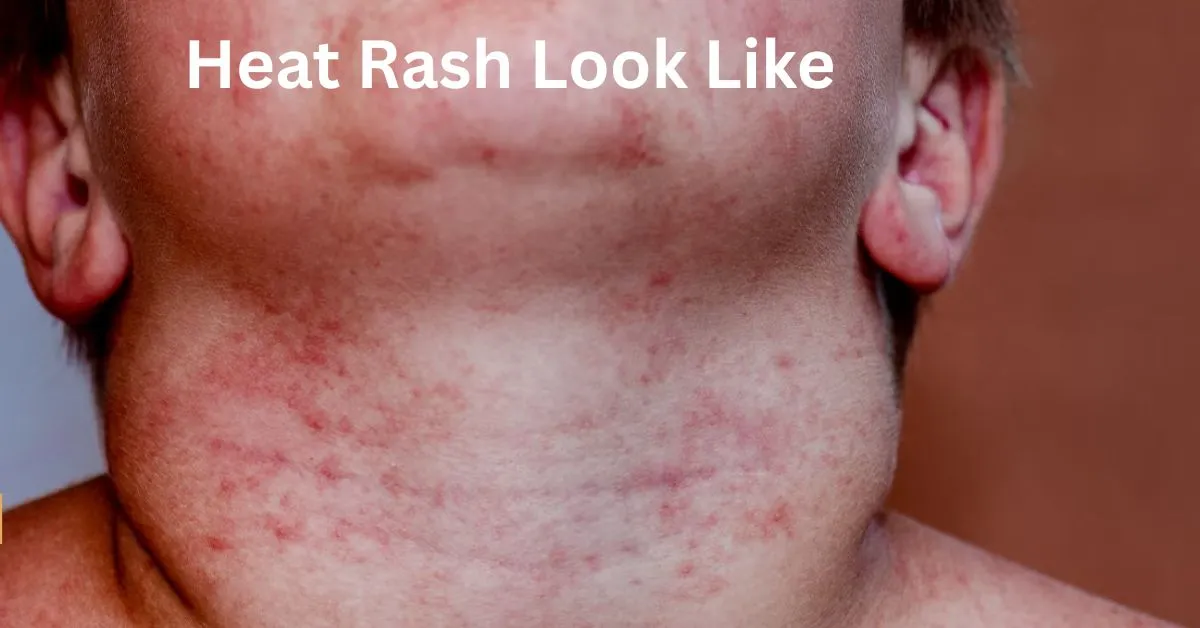
Heat rash can appear in several forms, depending on the type and severity of the condition. The most common signs include small red bumps, tiny blisters, or inflamed patches that may feel prickly or itchy. These symptoms are usually more noticeable in areas where sweat accumulates or skin rubs against clothing, such as the neck, chest, back, underarms, and groin.
Miliaria Crystallina, the mildest form, presents as tiny, clear, fluid-filled bumps that often appear in clusters. These blisters are usually painless and do not cause significant discomfort, but they are highly visible, especially on infants’ delicate skin. Miliaria Rubra, or prickly heat, appears as red bumps and may cause a stinging or burning sensation when touched. This type often develops on areas covered by tight clothing or where sweat is trapped, including the upper back, chest, and skin folds. Miliaria Profunda, though rare, causes larger, flesh-colored bumps that are firm to the touch and can cover broader areas of the body.
In addition to bumps, heat rash may cause mild swelling or redness around the affected area. On darker skin tones, the rash may appear as slightly darker or purplish patches rather than bright red. Early identification of these visual signs is essential for managing discomfort and preventing complications, such as infection. Recognizing the appearance of heat rash helps in selecting the right treatment and taking preventive measures effectively.
Symptoms Accompanying Heat Rash
Heat rash is not just visible on the skin it often comes with a range of uncomfortable symptoms that can help you identify it early. The most common symptom is itching, which can range from mild irritation to intense, prickly sensations. This is especially true for miliaria rubra, or prickly heat, where the trapped sweat irritates the surrounding skin. Many people also report a stinging or burning feeling when the affected area is touched or when clothing rubs against it.
Another common symptom is redness and inflammation. The skin around the bumps may appear slightly swollen or irritated, and in some cases, the rash can spread to larger areas if the heat or sweating continues. Tiny blisters filled with clear fluid may also form, particularly in miliaria crystallina, which is more common in infants. In severe or prolonged cases, heat rash can lead to painful skin tenderness, making movement or wearing tight clothing uncomfortable.
Although rare, heat rash can sometimes become infected, particularly if scratched excessively. Signs of infection include pus-filled bumps, increased swelling, spreading redness, warmth, and sometimes fever. Recognizing these symptoms early is crucial, as they may require medical attention.
Other subtle symptoms include a general feeling of discomfort or prickliness in sweaty areas of the body. By paying attention to these signs along with the visible red bumps or blisters, you can identify heat rash promptly and take effective steps to relieve it.
Identifying Heat Rash in Children vs Adults
Heat rash can appear differently depending on age, and recognizing these variations is important for effective care. In infants and young children, heat rash is especially common due to their immature sweat glands. The rash often appears as tiny red or pink bumps, sometimes forming clusters, and typically develops on the neck, shoulders, chest, or diaper area. Babies may become fussy or irritable due to the itching or prickling sensation, and their sensitive skin can make the rash appear more pronounced. Miliaria crystallina, the mildest form, is particularly frequent in newborns, showing up as small, clear, fluid-filled blisters.
In adults, heat rash usually manifests as larger red bumps or inflamed patches, often occurring in areas covered by tight clothing, such as the back, chest, armpits, or groin. Adults may experience more intense prickling, stinging, or burning sensations, especially during physical activity or in hot, humid conditions. Unlike children, adults are more likely to develop miliaria rubra, which can be persistent if sweating continues.
Athletes or individuals who exercise heavily may notice heat rash in areas prone to friction, like the inner thighs, under the sports bra line, or around the waistband. Recognizing the difference in appearance and location between children and adults is key to applying the right treatment. Early identification and proper cooling measures can reduce discomfort and prevent complications, regardless of age.
Home Remedies and Relief Measures
Managing heat rash at home is usually straightforward, and most cases improve within a few days with proper care. The primary goal is to keep the skin cool and dry while reducing friction and irritation. Taking cool showers or baths can help wash away sweat and calm inflamed skin. After bathing, gently pat the skin dry rather than rubbing, as rubbing can worsen irritation.
Wearing loose, breathable clothing made of cotton or moisture-wicking fabrics allows the skin to breathe and prevents sweat from accumulating. Avoid tight or synthetic materials that trap heat, as these can prolong the rash. Applying soothing topicals can also provide relief; calamine lotion or aloe vera gel helps reduce itching and inflammation, while over-the-counter hydrocortisone cream can be used sparingly on more irritated areas. However, heavy creams and ointments that block sweat should be avoided, as they can worsen heat rash.
Other helpful measures include keeping affected areas exposed to air, using a fan or air conditioning, and avoiding excessive physical activity until the rash improves. In infants, frequent diaper changes and ensuring clothing layers are minimal can prevent worsening in sensitive areas.
For mild cases, these remedies are often sufficient. However, if the rash does not improve within a few days, becomes painful, or shows signs of infection, it’s important to seek medical advice. Proper home care not only eases discomfort but also helps prevent the rash from spreading or recurring.
Prevention Tips
Preventing heat rash is much easier than treating it, and adopting a few simple habits can significantly reduce the risk. The key is to keep the skin cool, dry, and well-ventilated, especially in hot and humid conditions. Wearing loose, breathable clothing made of cotton or moisture-wicking fabrics allows sweat to evaporate, preventing sweat ducts from becoming blocked. Avoid tight, synthetic, or layered clothing that traps heat, particularly in areas prone to friction such as underarms, the chest, and the groin.
Staying in cool, ventilated environments is another essential preventive measure. Using fans, air conditioning, or simply moving to shaded areas can lower body temperature and reduce excessive sweating. For those engaging in physical activity, taking regular breaks, staying hydrated, and showering promptly after exercise helps keep sweat from accumulating on the skin.
Maintaining good skin hygiene is also important. Regular bathing, particularly after sweating, removes sweat, dirt, and bacteria that can irritate blocked sweat ducts. For babies and young children, frequent diaper changes and minimizing layers of clothing can prevent heat rash in sensitive areas.
Other practical tips include avoiding prolonged exposure to direct sunlight during peak heat hours, using lightweight blankets in hot climates, and allowing air circulation under skin folds whenever possible. By following these preventive strategies, you can reduce the likelihood of developing heat rash, maintain comfortable skin, and enjoy outdoor activities even in hot outlook.
When to See a Doctor
Most cases of heat rash are mild and resolve on their own with home care, but there are situations where medical attention is necessary. You should see a doctor if the rash shows signs of infection, such as pus-filled bumps, spreading redness, warmth, or swelling. Infection can occur if the rash is scratched excessively, allowing bacteria to enter the skin, and may require prescription antibiotics.
Persistent or worsening symptoms are another reason to seek medical advice. If the rash does not improve within several days despite home remedies, or if it keeps recurring, a healthcare provider can assess whether an underlying condition, such as eczema, allergic reaction, or another skin disorder, is contributing to the problem.
Severe discomfort or pain is also a red flag. Heat rash that causes intense itching, burning, or tenderness can interfere with daily activities and sleep, making professional evaluation important. In rare cases, miliaria profunda, which affects deeper layers of the skin, may require medical treatment to prevent complications.
Additionally, if heat rash is accompanied by systemic symptoms such as fever, chills, or overall malaise, it is crucial to consult a doctor immediately, as these signs may indicate an infection or other health concern.
By recognizing these warning signs and seeking timely care, you can prevent complications, reduce discomfort, and ensure proper healing. While most heat rashes are mild, knowing when to escalate treatment is key to maintaining healthy skin.
Conclusion
Heat rash is a common and often uncomfortable skin condition caused by blocked sweat ducts, resulting in red bumps, blisters, or inflamed patches.
It can affect anyone, but babies, young children, and adults in hot or humid environments are particularly susceptible.
Recognizing the appearance of heat rash whether tiny clear blisters in infants or red, itchy bumps in adults is key to managing discomfort and preventing complications.
Most cases of heat rash improve with simple home remedies, such as keeping the skin cool, wearing loose clothing, and applying soothing lotions like calamine or aloe vera.
Prevention is equally important, including staying hydrated, avoiding excessive heat, and allowing proper ventilation for the skin.
While heat rash is usually harmless, medical attention should be sought if the rash becomes infected, persistent, or severe.
By understanding its appearance, symptoms, and care measures, you can effectively manage heat rash and maintain healthy, comfortable skin in any outlook.

Margaret Johnson was an American blues and early jazz vocalist and pianist active during the 1920s. She began her recording career in the early part of that decade, performing in vaudeville and jazz ensembles, and is best remembered for her work in blues music.