

High cholesterol is a common health condition that affects millions of people worldwide, yet many do not fully understand what it means.
Often discovered during a routine blood test, high cholesterol usually does not cause noticeable symptoms at first.
Cholesterol itself is a waxy, fat-like substance found in your blood that your body needs to build healthy cells and produce hormones.
However, when cholesterol levels become too high, it can increase your risk of serious health problems, including heart disease and stroke.
Doctors measure cholesterol through a lipid panel test, which evaluates different types such as LDL (often called “bad” cholesterol) and HDL (“good” cholesterol).
Understanding what high cholesterol means, what causes it, and how to manage it is essential for protecting your long-term heart health.
In this guide, we will break down cholesterol levels, risks, and practical steps you can take to keep your heart healthy.
What Is Cholesterol?
Cholesterol is a waxy, fat-like substance that circulates in your bloodstream and is found in every cell of your body. Although it often has a negative reputation, cholesterol is essential for survival. Your liver naturally produces all the cholesterol your body needs, but it is also obtained from certain foods, especially animal-based products like meat, eggs, and dairy.
Cholesterol plays several important roles in the body. It helps build and maintain cell membranes, ensuring that cells function properly. It is also necessary for producing key hormones such as estrogen, testosterone, and cortisol. Additionally, cholesterol helps your body create vitamin D and bile acids, which are essential for digesting fats.
Because cholesterol does not dissolve in water, it cannot travel through the bloodstream on its own. Instead, it is carried by proteins called lipoproteins. The two main types are low-density lipoprotein (LDL) and high-density lipoprotein (HDL). LDL is often referred to as “bad” cholesterol because high levels can lead to plaque buildup in the arteries. HDL, on the other hand, is known as “good” cholesterol because it helps remove excess cholesterol from the bloodstream.
Understanding how cholesterol works is the first step toward understanding what high cholesterol means and why maintaining balanced levels is important for overall cardiovascular health.
What Does High Cholesterol Mean?
High cholesterol means that the amount of cholesterol in your blood exceeds the recommended healthy levels. While cholesterol is essential for many bodily functions, having too much especially “bad” LDL cholesterol can increase your risk of serious health problems. Essentially, high cholesterol indicates an imbalance between the cholesterol your body produces, the cholesterol you get from your diet, and the cholesterol your body can remove effectively.
Doctors typically measure cholesterol using a lipid panel test, which evaluates total cholesterol, LDL, HDL, and triglycerides. Total cholesterol is the combined amount of all types of cholesterol in your blood. LDL cholesterol is often labeled “bad” because it can deposit on the walls of your arteries, forming plaques that restrict blood flow. HDL cholesterol is considered “good” because it helps carry excess cholesterol away from the arteries and back to the liver for elimination. Triglycerides are another type of fat in the blood, and high levels can also contribute to heart disease.
A high cholesterol diagnosis does not always mean you will have immediate symptoms. In fact, it is often called a “silent condition” because dangerous plaque buildup can occur without warning signs. Understanding what high cholesterol means, and interpreting your lipid panel results, is critical for taking the right steps to reduce cardiovascular risk and protect long-term health.
Types of Cholesterol Explained
Cholesterol is not a single substance; it is carried in the blood by different types of lipoproteins, each with distinct effects on your health. Understanding these types is essential for interpreting high cholesterol and managing your heart health effectively.
LDL – “Bad” Cholesterol
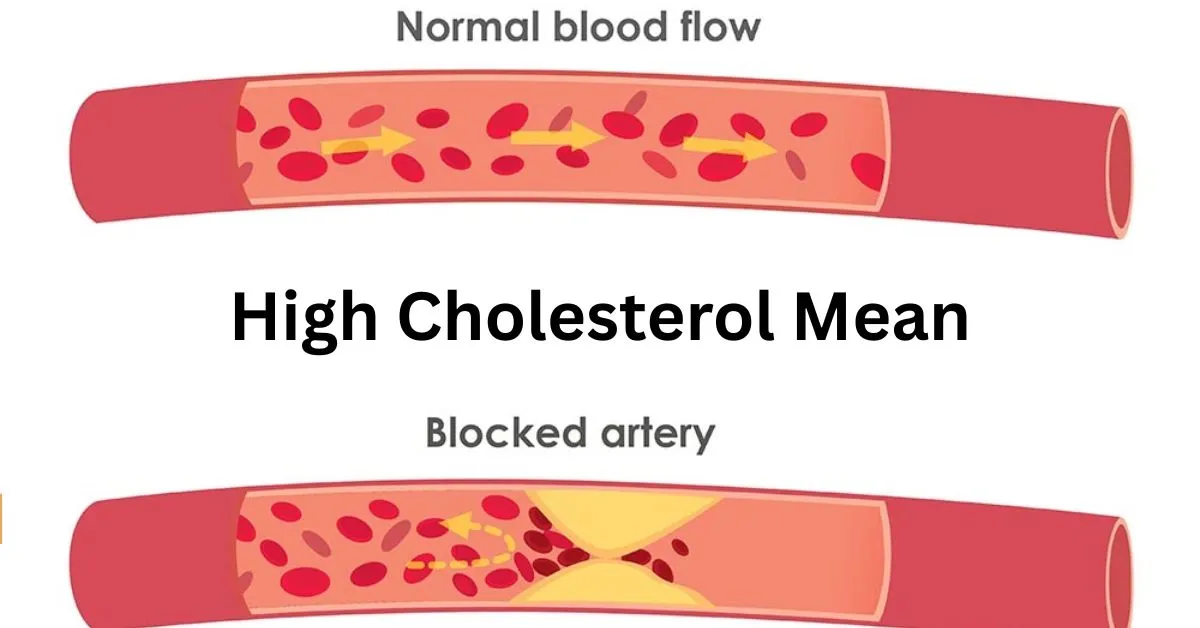
Low-density lipoprotein (LDL) is often referred to as “bad” cholesterol. When LDL levels are high, excess cholesterol can accumulate on the walls of your arteries, forming plaques. Over time, this buildup narrows the arteries, reduces blood flow, and increases the risk of heart attack, stroke, and other cardiovascular diseases. Because of these risks, keeping LDL levels low is a primary goal in cholesterol management.
HDL – “Good” Cholesterol
High-density lipoprotein (HDL) is known as “good” cholesterol. HDL helps remove excess cholesterol from the bloodstream and transports it back to the liver for elimination. Higher levels of HDL are associated with a lower risk of heart disease, making it an important protective factor. Lifestyle changes such as exercise, healthy fats, and quitting smoking can increase HDL levels.
Triglycerides
Triglycerides are another type of fat in the blood, separate from cholesterol. Elevated triglyceride levels often accompany high LDL or low HDL and contribute to plaque buildup in the arteries. High triglycerides are commonly linked to obesity, diabetes, excessive alcohol intake, and diets high in refined sugars.
Balancing these cholesterol types is key. While LDL and triglycerides should be kept in check, HDL should be maintained or increased. Together, they determine your overall cardiovascular risk, and understanding them helps you make informed decisions about diet, lifestyle, and, if necessary, medical treatment.
What Causes High Cholesterol?
High cholesterol can develop due to a combination of lifestyle choices, medical conditions, genetics, and natural changes in the body. Understanding the causes helps you take targeted steps to manage and prevent it.
1. Lifestyle Factors
One of the most common contributors to high cholesterol is diet. Eating foods high in saturated fats, such as fatty meats, full-fat dairy, and processed foods, can raise LDL (“bad”) cholesterol levels. Trans fats, often found in baked goods and fried foods, also contribute to unhealthy cholesterol levels. A sedentary lifestyle and lack of physical activity reduce HDL (“good”) cholesterol, making it harder for your body to clear excess LDL. Smoking not only lowers HDL but also damages blood vessels, accelerating plaque buildup. Excessive alcohol intake can also elevate triglycerides.
2. Medical Conditions
Certain health conditions increase the risk of high cholesterol. Diabetes can alter how your body metabolizes fats. Hypothyroidism, liver disease, and kidney disease can also interfere with cholesterol regulation.
3. Genetic Factors
Genetics play a major role for some people. Familial hypercholesterolemia is a hereditary condition that causes very high LDL cholesterol from a young age. If a parent or close relative has high cholesterol or heart disease, your risk is higher.
4. Age and Hormonal Changes
Cholesterol levels naturally rise with age. Men are more likely to develop high cholesterol earlier in life, while women often see increases after menopause due to changes in hormone levels.
High cholesterol often results from a combination of these factors, and understanding your personal risk can help you make effective lifestyle changes or seek medical intervention before serious health problems develop.
Is High Cholesterol Dangerous?
Yes, high cholesterol can be very dangerous if left unmanaged, even though it often shows no immediate symptoms. The primary concern is that excess LDL (“bad”) cholesterol can build up in the walls of your arteries, forming plaques a process known as atherosclerosis. Over time, these plaques narrow and harden the arteries, reducing blood flow to vital organs like the heart and brain. This is why high cholesterol is considered a major risk factor for cardiovascular disease.
One of the most serious risks is heart attack. When an artery supplying blood to the heart becomes blocked by plaque or a blood clot forms at the site of a rupture, it can stop blood flow, causing a heart attack. Similarly, if a plaque or clot blocks blood flow to the brain, it can trigger a stroke. Other complications include peripheral artery disease, which reduces circulation to the legs and feet, causing pain and mobility issues.
High cholesterol often acts silently. Most people do not experience symptoms until significant damage has occurred. That’s why routine cholesterol testing is so important even if you feel healthy. Detecting high cholesterol early allows you to take preventive measures through diet, exercise, or medication before irreversible damage occurs.
Managing cholesterol is not just about numbers on a blood test; it is about protecting long-term heart and vascular health. High cholesterol, especially when combined with other risk factors like high blood pressure, smoking, or diabetes, can significantly increase the likelihood of life-threatening events, making awareness and early intervention critical.
Symptoms of High Cholesterol
High cholesterol is often referred to as a “silent condition” because it usually does not cause noticeable symptoms. Many people first learn they have high cholesterol after a routine blood test. This lack of visible signs makes it especially important to get regular cholesterol screenings, particularly if you have risk factors like a family history of heart disease, obesity, or diabetes.
While most cases show no early warning signs, extremely high cholesterol levels can sometimes lead to visible indicators. One such sign is xanthomas, which are fatty deposits that appear under the skin, often around the elbows, knees, hands, or eyelids. Another rare symptom is arcus senilis, a grayish-white ring around the cornea of the eye, which can indicate high cholesterol, especially in younger adults.
Late-stage complications from prolonged high cholesterol can present more serious symptoms. Reduced blood flow due to atherosclerosis may cause chest pain or angina, shortness of breath, or numbness in the extremities. In severe cases, high cholesterol can contribute to heart attacks or strokes, which are life-threatening and often the first obvious sign for many people.
Because high cholesterol is mostly asymptomatic, relying solely on physical symptoms is risky. Regular lipid panel tests are the most reliable way to detect imbalances early. Understanding that high cholesterol can silently damage arteries emphasizes the importance of preventive measures, such as a healthy diet, regular exercise, and monitoring cholesterol levels to protect long-term cardiovascular health.
How Is High Cholesterol Diagnosed?
High cholesterol is diagnosed through a simple blood test called a lipid panel or lipid profile. This test measures the levels of different types of fats in your blood, including total cholesterol, LDL (“bad”) cholesterol, HDL (“good”) cholesterol, and triglycerides. The results provide a clear picture of your cardiovascular risk and help doctors recommend appropriate lifestyle changes or treatment.
Lipid panel tests can be done either fasting or non-fasting, depending on your doctor’s instructions. Fasting tests, which require 9–12 hours without food, are traditionally preferred because they give a more accurate measure of triglycerides. Non-fasting tests are becoming more common and are generally sufficient for routine screening.
When to Get Tested:
- Adults should begin regular cholesterol screening at age 20.
- People with risk factors such as obesity, diabetes, high blood pressure, smoking, or a family history of heart disease may need earlier or more frequent testing.
- Children and teens with a family history of high cholesterol may also be tested.
Understanding Your Results:
- Total cholesterol below 200 mg/dL is generally considered healthy.
- LDL cholesterol should ideally be below 100 mg/dL, while HDL should be 60 mg/dL or higher.
- Triglycerides are considered normal below 150 mg/dL.
High cholesterol often develops silently, so relying on symptoms is not enough. Regular testing is crucial to detect imbalances early and prevent serious complications like heart disease or stroke. Once diagnosed, doctors can tailor recommendations for diet, exercise, and medications to bring your cholesterol to a healthy range.
How to Lower High Cholesterol
Lowering high cholesterol is essential for reducing the risk of heart disease and stroke. While medication can be necessary in some cases, lifestyle changes are the first and most effective approach for many people.
1. Dietary Changes
The foods you eat have a major impact on cholesterol levels. Reducing saturated fats, found in red meat, full-fat dairy, and fried foods, helps lower LDL (“bad”) cholesterol. Avoiding trans fats, often present in packaged snacks and baked goods, is equally important. Increasing soluble fiber through foods like oats, beans, lentils, fruits, and vegetables helps the body remove excess cholesterol. Including healthy fats such as those found in olive oil, nuts, and fatty fish can raise HDL (“good”) cholesterol.
2. Exercise and Physical Activity
Regular exercise improves cholesterol balance by increasing HDL and lowering LDL. Aim for at least 150 minutes of moderate aerobic activity per week, such as brisk walking, cycling, or swimming. Strength training exercises also support heart health.
3. Maintain a Healthy Weight
Being overweight contributes to higher LDL and triglyceride levels. Gradual, sustainable weight loss through diet and exercise can significantly improve cholesterol levels.
4. Quit Smoking
Smoking lowers HDL and damages blood vessels. Quitting smoking improves your cholesterol profile and reduces overall cardiovascular risk.
5. Limit Alcohol
Excess alcohol can increase triglycerides. Moderation is key up to one drink per day for women and two for men.
Combining these strategies can help manage cholesterol naturally. For those with extremely high cholesterol or other risk factors, medications like statins may be prescribed alongside lifestyle changes to achieve safe and effective results.
Medications for High Cholesterol
While lifestyle changes are the cornerstone of cholesterol management, some people require medications to bring their levels under control, especially if lifestyle adjustments alone are not enough or if they have a high risk of cardiovascular disease.
1. Statins
Statins are the most commonly prescribed cholesterol-lowering drugs. They work by reducing the production of LDL (“bad”) cholesterol in the liver, helping prevent plaque buildup in the arteries. Common statins include atorvastatin, simvastatin, and rosuvastatin. Statins are effective, but regular monitoring is required to watch for side effects such as muscle pain or liver changes.
2. Ezetimibe
Ezetimibe works differently by reducing the absorption of cholesterol from food in the intestines. It is often prescribed alongside statins for people who need additional LDL reduction.
3. PCSK9 Inhibitors
These injectable medications, such as alirocumab and evolocumab, are used for people with genetic conditions or extremely high LDL levels. They work by helping the liver remove more LDL from the blood.
4. Bile Acid Sequestrants
These drugs bind to bile acids in the digestive system, causing the body to use more cholesterol to replace them, which lowers LDL levels.
5. Fibrates and Niacin
Fibrates primarily lower triglycerides and may slightly increase HDL. Niacin can also raise HDL and lower LDL but is less commonly used today due to side effects.
When Medication Is Necessary
Doctors consider factors such as your cholesterol levels, age, family history, and overall cardiovascular risk before prescribing medication. While medications are effective, they work best in combination with healthy lifestyle changes, including diet, exercise, and quitting smoking, to maintain long-term heart health.
Prevention Tips for High Cholesterol
Preventing high cholesterol is often easier than treating it, and it plays a key role in maintaining long-term heart health. While genetics can influence cholesterol levels, lifestyle choices have the most significant impact.
1. Maintain a Healthy Diet
Eating a diet low in saturated and trans fats is crucial. Focus on fruits, vegetables, whole grains, and lean proteins. Incorporate foods rich in soluble fiber, such as oats, beans, lentils, and apples, which help remove excess cholesterol from the bloodstream. Include healthy fats like those found in olive oil, avocados, and fatty fish to boost HDL (“good”) cholesterol.
2. Exercise Regularly
Physical activity increases HDL and lowers LDL and triglycerides. Aim for at least 150 minutes of moderate aerobic exercise per week, such as walking, cycling, or swimming. Strength training two to three times weekly can further improve cholesterol balance.
3. Maintain a Healthy Weight
Being overweight can raise LDL and triglycerides. Losing even a small amount of weight can improve your cholesterol profile and reduce cardiovascular risk.
4. Avoid Smoking and Limit Alcohol
Smoking lowers HDL and damages blood vessels, while excessive alcohol can increase triglycerides. Quitting smoking and drinking in moderation up to one drink per day for women and two for men supports healthy cholesterol levels.
5. Regular Screening
Routine cholesterol testing helps detect problems early, even before symptoms appear. Early intervention through lifestyle changes or medication can prevent serious complications like heart attacks and strokes.
By adopting these preventive measures, you can significantly lower your risk of high cholesterol and protect your cardiovascular health, often without needing medication. Consistency in diet, exercise, and monitoring is key to long-term success.
High Cholesterol in Special Groups
High cholesterol can affect people of all ages, but certain groups may face unique risks or require special attention. Understanding these differences helps tailor prevention and treatment strategies effectively.
1. Children and Teens
Although often considered an adult condition, high cholesterol can occur in children, especially those with obesity, poor diet, or a family history of cholesterol problems. Screening is recommended for children with risk factors or those aged 9–11 as part of preventive care. Early intervention through healthy eating and regular activity can help maintain normal cholesterol levels.
2. Women
Women experience changes in cholesterol levels due to hormonal fluctuations. During menopause, declining estrogen can lead to higher LDL (“bad”) cholesterol and lower HDL (“good”) cholesterol, increasing cardiovascular risk. Pregnant women may also experience temporary cholesterol increases, which usually normalize after delivery.
3. Older Adults
As people age, cholesterol levels naturally tend to rise. Older adults often have additional risk factors such as high blood pressure or diabetes, making regular monitoring essential. Lifestyle changes, combined with medication when needed, can significantly reduce heart disease risk in this age group.
4. People with Diabetes or Other Medical Conditions
Diabetes, kidney disease, and hypothyroidism can make cholesterol management more challenging. People with these conditions are at higher risk for cardiovascular complications, so maintaining cholesterol within target ranges is critical.
Tailoring prevention and treatment based on age, gender, and medical history ensures more effective management. Even within high-risk groups, consistent healthy habits such as balanced nutrition, regular exercise, and routine testing can significantly lower cholesterol and protect overall heart health.
Common Myths About High Cholesterol
High cholesterol is often misunderstood, and several myths can prevent people from taking proper action to manage it. Clarifying these misconceptions is crucial for maintaining heart health.
Myth 1: All Cholesterol Is Bad
Not all cholesterol harms your body. HDL, or “good” cholesterol, actually protects your heart by removing excess cholesterol from the bloodstream. The goal is to lower LDL (“bad”) cholesterol while maintaining or increasing HDL.
Myth 2: Only Overweight People Have High Cholesterol
Even people with a healthy weight can have high cholesterol, especially if they have poor diet habits, lack exercise, or a family history of cholesterol issues. Genetics can play a major role, meaning thin individuals are not automatically safe.
Myth 3: Young People Don’t Need to Worry
High cholesterol can affect people at any age. While risk increases with age, children and young adults can develop elevated cholesterol, particularly if they are obese, sedentary, or have a family history of cardiovascular disease. Early screening is important to prevent long-term complications.
Myth 4: Medication Alone Can Fix High Cholesterol
While drugs like statins are effective at lowering LDL, they work best in combination with lifestyle changes. Without proper diet, exercise, and smoking cessation, medications may not provide optimal protection against heart disease.
Myth 5: You Can Always Feel High Cholesterol
High cholesterol is largely a silent condition, often showing no symptoms until serious damage occurs. Regular testing is essential because relying on how you feel is not a safe strategy.
Understanding these myths helps people make informed decisions and take proactive steps, combining lifestyle changes, regular testing, and medical care to maintain healthy cholesterol levels.
Frequently Asked Questions (FAQ) About High Cholesterol
1. Can high cholesterol be reversed?
Yes, in many cases, high cholesterol can be reduced through lifestyle changes such as eating a heart-healthy diet, exercising regularly, maintaining a healthy weight, quitting smoking, and limiting alcohol. Medications like statins may also be prescribed to help lower LDL (“bad”) cholesterol when necessary.
2. How long does it take to lower cholesterol?
With consistent lifestyle changes, noticeable improvements can occur within 4 to 12 weeks. Medications like statins can reduce LDL significantly within 6 to 8 weeks, but ongoing management is crucial to maintain healthy levels.
3. What foods raise cholesterol the most?
Foods high in saturated fats such as fatty meats, full-fat dairy, butter, and fried foods can raise LDL cholesterol. Trans fats, found in some baked goods, packaged snacks, and margarine, are also particularly harmful.
4. Is 240 cholesterol high?
Yes, a total cholesterol level of 240 mg/dL or higher is considered high and increases the risk of heart disease. Doctors may recommend lifestyle changes and, in some cases, medication to bring levels down.
5. Can high cholesterol occur without symptoms?
Absolutely. High cholesterol is often called a “silent condition” because plaque can build up in arteries without causing any warning signs. Regular testing is the only reliable way to detect it early.
6. Who should get tested for cholesterol?
Adults should have their cholesterol checked every 4–6 years starting at age 20, or more frequently if they have risk factors such as obesity, diabetes, high blood pressure, smoking, or a family history of heart disease. Children with risk factors may also be tested.
These FAQs address common concerns, helping readers understand high cholesterol, recognize risk factors, and take proactive steps to protect cardiovascular health.
When to See a Doctor
Knowing when to consult a doctor about high cholesterol is crucial, especially because it is often a silent condition. Regular check-ups and blood tests are the most reliable ways to detect elevated cholesterol levels before serious complications arise.
You should see a doctor if:
- Routine tests show high cholesterol levels. Even if you feel healthy, elevated LDL (“bad”) cholesterol or triglycerides increase your risk of heart disease and stroke.
- You have a family history of heart disease or high cholesterol. Genetics can play a significant role, making early monitoring and intervention essential.
- You have other risk factors. Conditions such as diabetes, high blood pressure, obesity, or smoking amplify cardiovascular risk, making cholesterol management more urgent.
- You experience chest pain, shortness of breath, or unusual numbness. These symptoms may indicate that high cholesterol has already affected blood flow and require immediate medical attention.
During a consultation, doctors typically review your lipid panel results, assess overall cardiovascular risk, and recommend a combination of lifestyle changes, regular monitoring, and possibly medication. Even if cholesterol levels are only moderately high, early action can prevent long-term heart problems.
It’s important to maintain regular cholesterol screenings, especially after age 20 or sooner if you have risk factors. By seeing a doctor early, you can understand your numbers, develop a personalized plan, and take proactive steps to reduce your risk of heart attacks, strokes, and other complications. High cholesterol is manageable with proper guidance, so timely medical advice can make a significant difference in your long-term heart health.
Conclusion
High cholesterol is a common yet often misunderstood health condition that can significantly impact long-term heart health if left unmanaged.
While cholesterol itself is essential for vital body functions such as hormone production, vitamin D synthesis, and cell membrane formation, having too much especially LDL or “bad” cholesterol can lead to serious complications like heart attacks, strokes, and atherosclerosis.
Understanding cholesterol levels, including LDL, HDL, and triglycerides, is crucial for managing your cardiovascular risk.
Regular blood tests, known as lipid panels, are the most reliable way to detect high cholesterol, as the condition often develops silently without noticeable symptoms.
Early detection allows you to take proactive steps, including dietary adjustments, increased physical activity, maintaining a healthy weight, quitting smoking, and moderating alcohol consumption.
For some individuals, especially those with extremely high cholesterol, a family history of heart disease, or other health conditions, medications such as statins may be necessary alongside lifestyle changes.
Combining medical treatment with healthy habits is the most effective strategy for achieving and maintaining balanced cholesterol levels.
Prevention is always better than cure.
By adopting heart-healthy habits, scheduling regular cholesterol screenings, and understanding the risks and causes of high cholesterol, you can protect your cardiovascular system and reduce the likelihood of serious health issues.
Awareness, consistency, and informed action are key taking control of your cholesterol today can make a significant difference in your long-term heart health.

Fyodor Dostoevsky (1821–1881) was a renowned Russian novelist, short story writer, essayist, and philosopher whose works explore human psychology, morality, and existential dilemmas. Best known for classics like Crime and Punishment, The Brothers Karamazov, and The Idiot, Dostoevsky’s writing has influenced literature, psychology, and philosophy worldwide.