

Buying a home is one of the biggest investments you’ll ever make, and protecting it is just as important as owning it. That’s where homeowners insurance comes in.
But many homeowners aren’t sure exactly what homeowners insurance covers, which can lead to costly surprises after damage, theft, or accidents.
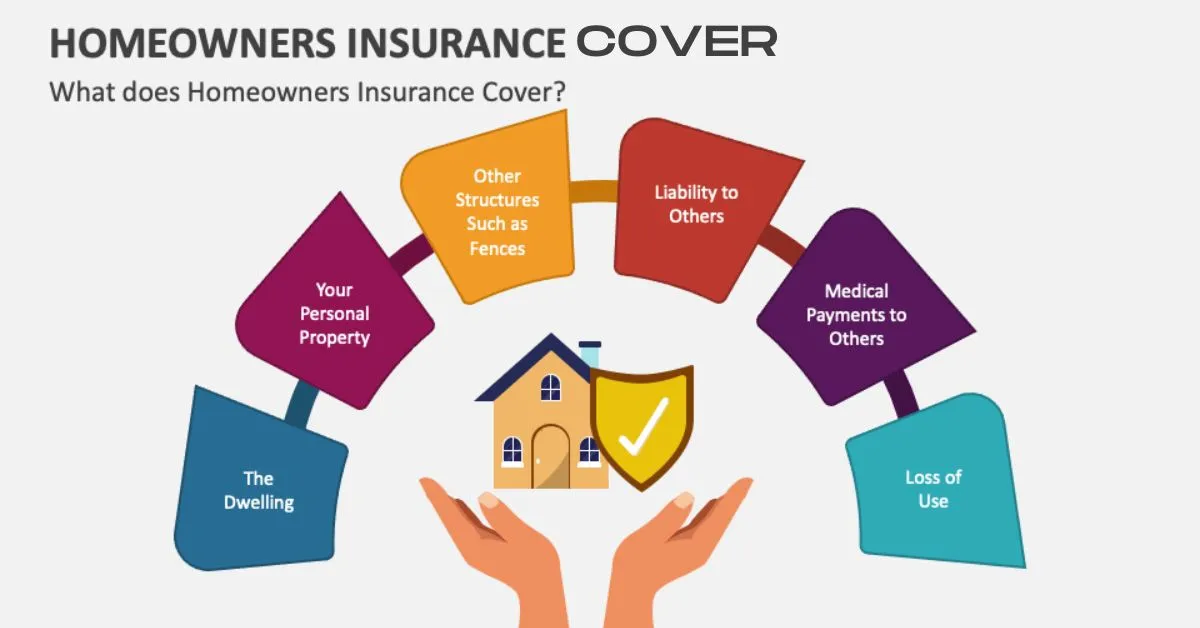
From protecting the structure of your home to covering personal belongings and providing liability protection, a standard homeowners insurance policy offers financial security in a variety of situations.
Understanding the details of your coverage, including what’s included, what’s excluded, and what optional add-ons are available, is essential for peace of mind.
In this guide, we’ll break down all the key components of homeowners insurance coverage, explain common exclusions, and provide tips to choose the right policy.
By the end, you’ll know exactly how to protect your home, belongings, and finances effectively.
What Is Homeowners Insurance?
Homeowners insurance is a type of property insurance designed to protect your home, personal belongings, and finances from unexpected events. Essentially, it provides a safety net for homeowners, ensuring that damage or loss doesn’t result in a devastating financial burden. Lenders often require homeowners insurance before approving a mortgage, but even if it’s not mandatory, it’s a wise investment for anyone who wants to safeguard their home.
At its core, a homeowners insurance policy combines several types of coverage. It protects the physical structure of your home—walls, roof, and built-in features like cabinets and plumbing—from common perils such as fire, storms, or vandalism. It also covers personal belongings inside the home, like furniture, electronics, and clothing, helping you replace items in case of theft, fire, or other damage.
Beyond property protection, homeowners insurance also provides liability coverage. This means if someone is injured on your property or if you accidentally damage someone else’s property, the insurance can help cover legal fees, medical bills, or settlement costs. Additionally, many policies include coverage for additional living expenses if your home becomes temporarily uninhabitable due to a covered event.
Understanding homeowners insurance coverage is crucial because it clarifies what is and isn’t included in a policy. Knowing the basics helps homeowners make informed decisions about their coverage, limits, and potential add-ons to fully protect their home and possessions.
Standard Coverage in a Homeowners Insurance Policy
A standard homeowners insurance policy typically includes several key types of coverage to protect your home and belongings. Understanding these components helps you know exactly what financial protection you have in the event of damage, loss, or liability.
1. Dwelling Coverage
Dwelling coverage protects the physical structure of your home, including walls, roof, and built-in appliances. If your house is damaged by covered perils like fire, wind, or hail, this coverage helps pay for repairs or rebuilding.
2. Other Structures Coverage
This part covers structures on your property that are not attached to your home, such as garages, fences, sheds, or gazebos. It ensures that these structures can also be repaired or replaced if damaged.
3. Personal Property Coverage
Personal property coverage protects your belongings inside the home, such as furniture, electronics, clothing, and appliances. Policies may cover replacement cost (the full cost to replace items) or actual cash value (depreciated value).
4. Liability Coverage
Liability protection covers you if someone is injured on your property or if you accidentally damage someone else’s property. It can help pay for medical bills, legal fees, or settlements.
5. Additional Living Expenses (ALE)
If your home becomes temporarily uninhabitable due to a covered event, ALE covers costs for lodging, meals, and other living expenses while repairs are underway.
These core coverages form the foundation of a homeowners insurance policy, ensuring that both your home and your finances are protected from common risks. Knowing what’s included allows you to identify gaps and consider optional coverage if needed.
Optional and Specialized Coverage
While a standard homeowners insurance policy covers most common risks, there are situations where additional or specialized coverage is necessary. Optional coverage helps protect against events or losses that standard policies often exclude, giving homeowners more comprehensive protection.
1. Flood Insurance
Most standard policies do not cover flooding caused by heavy rain, overflowing rivers, or storm surges. Homeowners in flood-prone areas can purchase separate flood insurance to protect their property and belongings from water damage.
2. Earthquake Insurance
Earthquakes are generally excluded from standard coverage. In regions with seismic activity, adding earthquake insurance ensures your home and personal property are protected in the event of an earthquake.
3. Sewer Backup Coverage
Damage caused by sewer or drain backups is typically not included in standard policies. This optional coverage can cover cleanup costs and repair damage to flooring, walls, and personal property.
4. Valuable Items Riders
If you own high-value items such as jewelry, art, collectibles, or expensive electronics, a rider or endorsement can provide coverage beyond the standard personal property limits, protecting your most valuable possessions.
5. Home-Based Business Coverage
If you run a business from your home, standard policies may not cover business equipment, liability, or inventory. Specialized endorsements can ensure your business assets and liability are protected.
6. Umbrella Policies
An umbrella policy provides extra liability coverage above the limits of your homeowners insurance. It’s especially useful for protecting your assets in case of major claims or lawsuits.
Optional coverage allows homeowners to tailor their homeowners insurance to their specific risks and needs. By adding these policies or endorsements, you can ensure you’re fully protected against unique hazards that standard coverage may not address.
What Homeowners Insurance Does Not Cover
Understanding what your homeowners insurance policy does not cover is just as important as knowing what it does. Standard policies provide broad protection, but they also have limitations and exclusions that homeowners should be aware of to avoid costly surprises.
1. Natural Disasters Not Included in Standard Policies
Most standard policies exclude certain natural disasters, such as floods and earthquakes. If you live in a flood-prone area or a region with seismic activity, separate policies are required to cover these events.
2. Wear and Tear or Maintenance Issues
Damage resulting from neglect, wear and tear, or poor maintenance is typically not covered. This includes things like a leaking roof, mold caused by poor ventilation, or gradual water damage. Insurance is designed to cover sudden and accidental damage, not ongoing maintenance issues.
3. Pest Infestations
Damage from termites, rodents, or other pests is generally excluded from standard coverage. Regular inspections and preventative measures are necessary to avoid costly repairs.
4. Intentional Damage or Illegal Activities
Any damage caused intentionally by the homeowner or resulting from illegal activities will not be covered under homeowners insurance.
5. Certain High-Value Items
Expensive items like jewelry, artwork, or collectibles may exceed standard personal property limits and require additional coverage through riders or endorsements.
By knowing these common exclusions, homeowners can plan accordingly. Optional coverage, endorsements, or separate policies can fill these gaps and ensure your home, belongings, and finances are adequately protected. Reviewing your policy carefully and understanding these limitations is essential to avoid unexpected out-of-pocket costs.
Understanding Your Policy Limits and Deductibles
When reviewing a homeowners insurance policy, it’s essential to understand policy limits and deductibles, as they directly affect the level of protection you have and the amount you’ll pay out of pocket in the event of a claim.
Policy limits are the maximum amounts your insurance company will pay for each type of coverage. For example, your dwelling coverage might have a limit that reflects the cost to rebuild your home, while personal property coverage may have a separate limit for belongings. Choosing adequate limits is crucial because underinsuring your home or possessions could leave you responsible for significant costs if damage occurs.
Deductibles are the amounts you pay before your insurance coverage kicks in. Policies typically allow you to choose a deductible, often ranging from a few hundred to several thousand dollars. A higher deductible usually lowers your premium but increases your out-of-pocket expense if you file a claim. Conversely, a lower deductible raises your premium but reduces immediate costs in case of damage.
It’s also important to note that some coverage types have separate limits or deductibles. For instance, valuable items like jewelry may have a sub-limit, and certain disasters like hurricanes may have a specific deductible.
By understanding your policy limits and deductibles, you can strike the right balance between affordable premiums and sufficient protection. Regularly reviewing these elements ensures your homeowners insurance keeps pace with changes in property value, renovations, or personal belongings, preventing financial surprises when you need coverage most.
Tips for Choosing the Right Homeowners Insurance
Choosing the right homeowners insurance policy can be overwhelming, but a careful approach ensures your home, belongings, and finances are fully protected. Here are some practical tips to guide your decision.
1. Assess Your Coverage Needs
Start by evaluating the value of your home, personal belongings, and potential liability risks. Consider the cost to rebuild your home and replace your possessions in case of total loss. This will help you select appropriate coverage limits.
2. Compare Multiple Policies
Don’t settle for the first quote you receive. Compare policies from different insurers, looking beyond price. Evaluate what is covered, exclusions, limits, and optional add-ons. A slightly higher premium may be worth it if it offers better protection.
3. Understand Deductibles
Choose a deductible that balances premium affordability with out-of-pocket costs in the event of a claim. A higher deductible can lower your monthly payments, but you’ll pay more if damage occurs.
4. Check Optional Coverage and Endorsements
If you own valuable items, live in a disaster-prone area, or run a home business, consider adding riders or specialized coverage to your policy. This ensures you are fully protected against unique risks.
5. Review the Insurer’s Reputation
Research the insurance company’s customer service, claim processing speed, and financial stability. A reliable insurer ensures that claims are handled efficiently when you need them most.
6. Review and Update Regularly
Life changes, renovations, and new possessions can impact your coverage needs. Review your policy annually to make sure limits and coverage remain sufficient.
By following these tips, homeowners can confidently select a policy that provides comprehensive protection and peace of mind.
Real-Life Examples of Claims
Understanding homeowners insurance coverage becomes clearer when looking at real-life scenarios. These examples show how different aspects of a policy work to protect homeowners financially.
1. Fire Damage
Imagine a kitchen fire that destroys appliances, cabinets, and part of the home structure. With dwelling coverage, the homeowner can repair or rebuild the damaged parts of the house, while personal property coverage replaces items like cookware and electronics. Additional living expenses (ALE) coverage can pay for temporary lodging while repairs are completed.
2. Theft or Burglary
If a burglar breaks in and steals jewelry, electronics, and cash, personal property coverage helps replace stolen items up to the policy limits. Items with high value may require a rider or endorsement for full protection, as standard limits might not cover expensive possessions entirely.
3. Liability Claims
Suppose a guest slips on an icy walkway and suffers a broken leg. Liability coverage can cover medical bills, legal fees, and any potential settlement. Without this coverage, the homeowner could face significant out-of-pocket expenses.
4. Water Damage from Accidents
A burst pipe floods the basement, damaging furniture and flooring. Standard dwelling and personal property coverage may help with repairs and replacement, though exclusions such as gradual leaks might not be covered.
These examples illustrate the importance of understanding policy details, limits, and exclusions. By knowing what your homeowners insurance covers, you can better prepare for emergencies, avoid financial strain, and ensure you have the right optional coverage to fill any gaps.
Common Mistakes to Avoid
Even with homeowners insurance, many homeowners make mistakes that can leave them underprotected or facing unexpected costs. Being aware of these pitfalls helps you get the most out of your policy.
1. Underinsuring Your Home and Belongings
One of the most common mistakes is purchasing coverage that doesn’t fully reflect the value of your home or possessions. Underestimating the cost to rebuild or replace belongings can leave you responsible for significant out-of-pocket expenses after a claim.
2. Ignoring Policy Exclusions
Every homeowners insurance policy includes exclusions. Failing to review them carefully can result in unpleasant surprises. For example, standard policies typically do not cover floods, earthquakes, or gradual water damage. Knowing these limits allows you to purchase optional coverage or endorsements when necessary.
3. Not Updating Your Policy
Major life events, renovations, or purchasing high-value items require updating your policy. Failing to adjust coverage limits or add riders can leave you inadequately protected.
4. Focusing Only on Price
While premiums matter, choosing the cheapest policy without considering coverage limits, exclusions, and customer service can be costly in the long run. A slightly higher premium may provide much better protection.
5. Neglecting Liability Risks
Homeowners often overlook liability coverage limits. Without sufficient protection, a single accident on your property could result in expensive legal fees or settlements.
Avoiding these mistakes ensures your homeowners insurance provides the financial security it is designed to offer. Regularly reviewing your policy, understanding coverage details, and making informed decisions will protect both your home and your peace of mind.
Conclusion
Understanding what homeowners insurance covers is essential for every homeowner. A well-chosen policy protects your home, personal belongings, and finances from unexpected events like fire, theft, or natural disasters.
Standard coverage typically includes dwelling protection, which covers the structure of your home, personal property coverage for your belongings, liability protection for accidents on your property, and additional living expenses if your home becomes temporarily uninhabitable.
However, standard policies have limits and exclusions. Events such as floods, earthquakes, gradual water damage, and high-value possessions often require optional coverage or riders.
Understanding your policy limits and deductibles ensures that you are neither underinsured nor overpaying for coverage.
Reviewing and updating your policy regularly, especially after renovations, major purchases, or life changes, is critical to maintaining adequate protection.
Additionally, avoiding common mistakes—such as underinsuring your home, ignoring exclusions, or focusing solely on price—helps prevent financial strain during emergencies.
Real-life examples, like fire, theft, or liability claims, illustrate how homeowners insurance provides essential financial relief.
By carefully selecting a policy that meets your unique needs and understanding both its coverage and limitations, you can confidently protect your home and belongings.

Elena Moretti is a highly accomplished Italian business executive and Country Business Unit Head for Building Products at Siemens S.p.A., known for her expertise in leadership, digital transformation, smart buildings, and strategic business growth. With a degree in Business Administration from Bocconi University, Moretti has built a distinguished career spanning finance, operations, and executive management in complex engineering‑driven industries.