
Iron is an essential mineral that plays a vital role in keeping the human body healthy and functioning properly.
Although the body only needs iron in small amounts, its impact is enormous. Iron is best known for its role in carrying oxygen throughout the body, but its benefits go far beyond that.
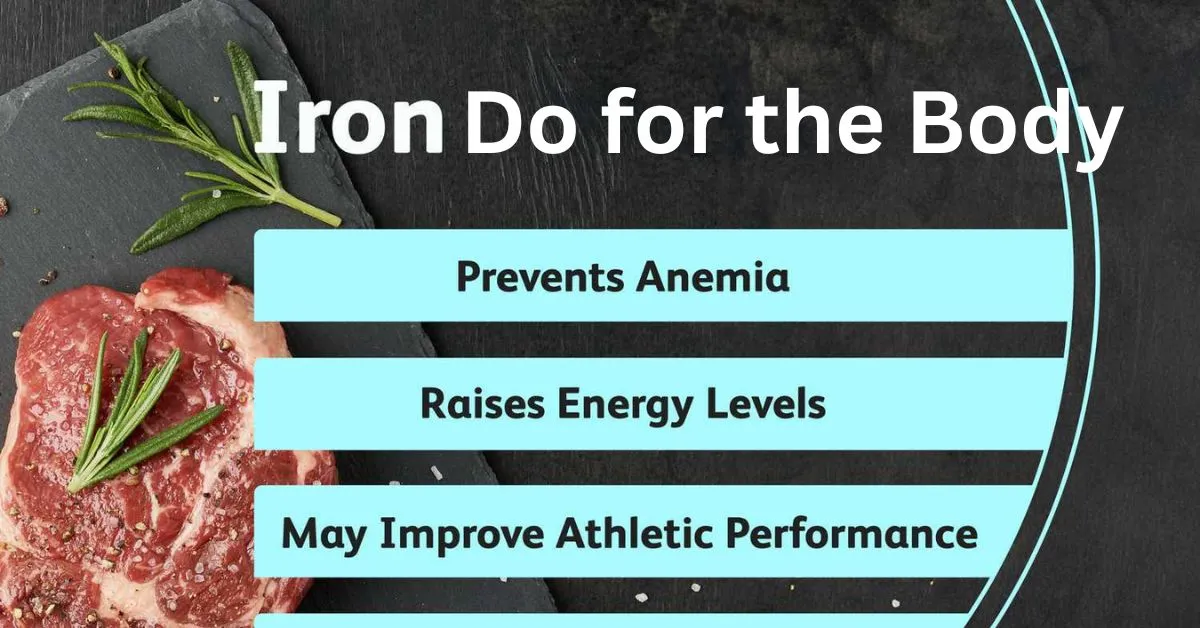
From supporting energy production and brain function to strengthening the immune system and muscles, iron is involved in many critical biological processes.
When iron levels are low, the body cannot produce enough healthy red blood cells, which can lead to fatigue, weakness, shortness of breath, and difficulty concentrating.
Over time, iron deficiency can progress into anemia, a condition that affects millions of people worldwide.
Understanding what iron does for the body, how much you need, and how to get it from your diet is essential for maintaining overall health, energy levels, and long-term well-being.
What Is Iron? Understanding This Essential Mineral
Iron is a trace mineral that the body needs to function, grow, and stay energized. Even though it is required in small amounts, iron is indispensable for many life-sustaining processes. Most of the iron in the body is found in red blood cells, where it helps transport oxygen from the lungs to tissues and organs. The remaining iron is stored in the liver, spleen, muscles, and bone marrow, ready to be used when the body needs it.
Iron works by binding with proteins to form hemoglobin and myoglobin. Hemoglobin is responsible for carrying oxygen in the blood, while myoglobin stores oxygen in muscle cells, allowing muscles to work efficiently during physical activity. Without enough iron, these proteins cannot function properly, reducing the amount of oxygen delivered to cells.
The body does not produce iron on its own, so it must come from the diet. Once consumed, iron is absorbed mainly in the small intestine. The body carefully regulates how much iron it absorbs and stores, as both deficiency and excess can cause health problems. This balance is especially important because iron is reused from old red blood cells, helping conserve the body’s iron supply.
Understanding what iron is and how it functions lays the foundation for recognizing its importance in energy levels, brain health, immune support, and overall physical performance.
The Primary Role of Iron in Oxygen Transport
One of the most important functions of iron in the body is its role in oxygen transport. Iron is a key component of hemoglobin, the protein found in red blood cells that carries oxygen from the lungs to every tissue and organ. Each hemoglobin molecule contains iron atoms that bind to oxygen, allowing red blood cells to efficiently deliver oxygen where it is needed most.
When oxygen reaches body tissues, it is released from hemoglobin and used by cells to produce energy. Without adequate iron, the body cannot make enough healthy hemoglobin, which limits oxygen delivery. This shortage often results in symptoms such as fatigue, weakness, shortness of breath, and dizziness because cells are not receiving the oxygen they need to function optimally.
Iron also plays a role in myoglobin, a protein found in muscle cells. Myoglobin stores oxygen and releases it during physical activity, supporting muscle contraction and endurance. This is why low iron levels can negatively affect exercise performance and physical stamina.
Efficient oxygen transport is essential for nearly every bodily function, including brain activity, muscle movement, and organ health. Even mild iron deficiency can reduce oxygen supply and impact daily performance before more serious symptoms appear. By supporting oxygen circulation at the cellular level, iron helps maintain energy, vitality, and overall physical efficiency throughout the body.
Iron’s Role in Energy Production and Metabolism
Iron plays a crucial role in the body’s ability to produce energy and maintain a healthy metabolism. Every cell in the body relies on oxygen to generate energy, and iron makes this process possible by ensuring oxygen reaches the cells efficiently. Without enough iron, energy production slows down, leading to persistent tiredness and reduced physical and mental performance.
At the cellular level, iron is involved in the production of adenosine triphosphate (ATP), the main energy currency of the body. Iron-containing enzymes help convert nutrients from food into usable energy. When iron levels are low, these metabolic processes become less efficient, which explains why fatigue is one of the earliest and most common symptoms of iron deficiency.
Iron also supports a healthy metabolism by assisting in the function of enzymes that regulate chemical reactions in the body. These enzymes are responsible for breaking down carbohydrates, fats, and proteins so the body can use them for fuel. Inadequate iron can disrupt this balance, affecting overall metabolic health.
Because of its close link to energy production, iron is especially important for people with active lifestyles, including athletes and physically demanding workers. Even mild iron deficiency can reduce stamina and endurance before more noticeable symptoms appear. Maintaining adequate iron levels helps sustain energy throughout the day, supports efficient metabolism, and promotes better overall physical performance.
Iron and Brain Function
Iron is not only vital for physical energy it is also essential for proper brain function. The brain requires a constant supply of oxygen and nutrients to perform optimally, and iron plays a key role in ensuring this supply. Hemoglobin in the blood delivers oxygen to the brain, while iron-dependent enzymes are involved in producing neurotransmitters, the chemical messengers that allow nerve cells to communicate.
Low iron levels can directly affect cognitive abilities. Studies have shown that iron deficiency can lead to difficulties with memory, attention, learning, and problem-solving. Children and adolescents are particularly vulnerable, as iron is crucial for brain development during these growth periods. A lack of iron during early development can result in long-term cognitive and behavioral effects if not addressed.
Iron also supports mood regulation by aiding in the production of neurotransmitters such as dopamine, serotonin, and norepinephrine. When iron is insufficient, neurotransmitter production is impaired, which can contribute to symptoms like irritability, fatigue, and low motivation.
For adults, maintaining healthy iron levels supports focus, mental clarity, and overall cognitive performance. In combination with proper sleep, hydration, and a balanced diet, iron ensures that the brain can function at its best. Ensuring adequate dietary iron is therefore not only about preventing anemia it is also about supporting concentration, learning, memory, and overall mental well-being throughout life.
Iron and the Immune System
Iron plays a crucial role in keeping the immune system strong and responsive. The body’s defense against infections relies on specialized cells, many of which depend on iron to function properly. For example, white blood cells, such as lymphocytes and macrophages, require iron to multiply and fight off bacteria, viruses, and other pathogens effectively. Without enough iron, the immune system becomes weakened, leaving the body more vulnerable to illness.
Iron also contributes to the production of certain enzymes that protect cells from oxidative damage during an immune response. These enzymes help neutralize harmful free radicals, ensuring that the body’s defense mechanisms can operate without harming healthy tissues. Low iron levels can reduce the effectiveness of these enzymes, further compromising immunity.
Iron deficiency is linked to increased susceptibility to infections, slower recovery times, and a higher risk of complications from common illnesses. This is why even mild deficiencies should not be ignored, as they can subtly undermine the body’s ability to fight disease.
Maintaining adequate iron levels through a balanced diet or, when necessary, supplementation, helps support the immune system’s efficiency. Foods rich in iron, particularly those combined with vitamin C to enhance absorption, can boost immune defenses naturally. By ensuring the body has enough iron, you not only support energy and oxygen transport but also strengthen your ability to resist infections and stay healthy year-round.
Iron and Muscle Function
Iron is essential for proper muscle function, as it helps deliver oxygen to muscles and supports energy production during physical activity. The protein myoglobin, found in muscle cells, contains iron and acts as an oxygen reservoir. Myoglobin stores oxygen and releases it when muscles need it during exercise or daily activities. Without sufficient iron, muscles receive less oxygen, which can reduce strength, endurance, and overall performance.
Low iron levels can lead to muscle fatigue, weakness, and slower recovery after exercise. Even mild iron deficiency can cause noticeable decreases in physical stamina, making routine activities feel more strenuous. Athletes and people with physically demanding lifestyles are particularly affected, as their bodies require more oxygen and energy to sustain activity.
Iron also plays a role in energy metabolism within muscle cells. Iron-dependent enzymes help convert nutrients into ATP (adenosine triphosphate), the energy currency of the body, which fuels muscle contractions. When iron levels are low, this process becomes less efficient, further contributing to fatigue and reduced exercise capacity.
Maintaining adequate iron intake through diet or supplementation, when necessary, is key to supporting muscle performance. Foods rich in heme iron, such as lean meats and fish, are particularly effective for athletes, while plant-based iron sources combined with vitamin C can help vegetarians and vegans meet their needs. By ensuring sufficient iron levels, the body can sustain muscle function, enhance endurance, and support overall physical strength.
Iron and Hormone & Enzyme Production
Iron is not only vital for oxygen transport and energy but also plays a crucial role in hormone and enzyme production. Many enzymes in the body require iron to function properly. These iron-containing enzymes are involved in chemical reactions that regulate metabolism, growth, and repair processes. Without enough iron, these enzymes cannot perform efficiently, which can disrupt overall bodily functions.
One of the key areas where iron impacts hormone production is the thyroid gland. Iron is necessary for the synthesis of thyroid hormones, which regulate metabolism, energy levels, and temperature control. Low iron levels can impair thyroid function, potentially leading to fatigue, weight fluctuations, and decreased metabolic efficiency.
Iron also supports the production of neurotransmitters, such as dopamine, serotonin, and norepinephrine, which act as chemical messengers in the brain. These neurotransmitters are essential for mood regulation, cognitive function, and stress management. Insufficient iron can disrupt their production, contributing to irritability, mood swings, and difficulty concentrating.
Furthermore, iron-dependent enzymes assist in breaking down nutrients from food, allowing the body to extract energy efficiently. This enzymatic support ensures that carbohydrates, proteins, and fats are converted into usable energy for muscles, organs, and the brain.
In short, iron is deeply involved in both enzymatic and hormonal processes, affecting metabolism, brain function, mood, and energy. Maintaining adequate iron intake is therefore critical not only for blood health but also for the body’s chemical balance and overall vitality.
Types of Iron in the Diet
Iron comes in two main forms in the diet: heme iron and non-heme iron, each with distinct sources and absorption rates. Understanding these types helps ensure the body receives enough iron to meet its needs.
Heme iron is found in animal-based foods such as red meat, poultry, fish, and organ meats. It is called “heme” because it comes from hemoglobin and myoglobin in animals. Heme iron is highly bioavailable, meaning the body can absorb it efficiently typically around 15–35% of heme iron consumed is absorbed. This makes animal sources particularly effective for preventing or correcting iron deficiency.
Non-heme iron, on the other hand, comes from plant-based foods such as legumes, leafy greens, nuts, seeds, and fortified grains. While non-heme iron is crucial, it is not absorbed as efficiently as heme iron, with absorption rates generally ranging from 2–20%. However, the absorption of non-heme iron can be significantly improved when consumed with vitamin C-rich foods like citrus fruits, tomatoes, or bell peppers.
It’s important for vegetarians and vegans to combine iron-rich plant foods with vitamin C sources to maximize absorption. Cooking methods, such as soaking, sprouting, or fermenting legumes and grains, can also enhance the bioavailability of non-heme iron.
Both heme and non-heme iron are important for maintaining adequate iron levels, but the source, combination of foods, and overall diet play a major role in how well the body absorbs and utilizes this essential mineral. A balanced diet including both types, when possible, ensures optimal iron status and overall health.
How the Body Absorbs Iron
Iron absorption is a carefully regulated process that primarily takes place in the small intestine, ensuring the body gets enough iron without accumulating harmful excess. The efficiency of absorption depends on the type of iron consumed, the body’s current iron stores, and the presence of other nutrients.
Heme iron, found in animal products, is absorbed more efficiently than non-heme iron because it uses a separate, specialized pathway in the intestines. Typically, 15–35% of heme iron is absorbed, regardless of other dietary factors. This makes meat, poultry, and fish reliable sources for maintaining healthy iron levels.
Non-heme iron, found in plant foods, is absorbed less efficiently, usually between 2–20%. Its absorption is influenced by other compounds in the diet. Vitamin C, for example, significantly boosts non-heme iron absorption by converting it into a more absorbable form. On the other hand, certain substances like calcium, phytates (found in legumes and whole grains), polyphenols (in tea and coffee), and some medications can reduce iron absorption.
The body also adapts to iron availability. When iron stores are low, absorption increases, and when iron levels are sufficient or high, absorption decreases. This regulation prevents iron overload, which can be harmful over time.
Understanding how the body absorbs iron highlights the importance of combining iron-rich foods wisely. Pairing plant-based iron sources with vitamin C-rich foods and limiting absorption inhibitors during meals can improve iron status naturally. Proper absorption ensures that iron supports energy, oxygen transport, brain function, and overall health effectively.
Daily Iron Requirements by Age and Gender
The amount of iron the body needs varies depending on age, gender, and life stage. Understanding these requirements is essential to prevent deficiency while avoiding excess.
Adult men generally need about 8 mg of iron per day, as they lose relatively little iron compared to women. Adult women of reproductive age require more around 18 mg per day due to menstrual blood loss. During pregnancy, iron needs increase significantly to about 27 mg per day to support fetal growth, increased blood volume, and placenta development. Breastfeeding women need slightly more than non-pregnant people, about 9–10 mg per day, depending on dietary intake and iron stores.
Children and teenagers also require adequate iron for growth and development. Children aged 1–3 years need around 7 mg daily, while those 4–8 years need 10 mg. Teen boys typically require 11 mg, and teen girls 15 mg per day, reflecting the onset of menstruation.
Iron requirements tend to increase in people with high physical activity or certain medical conditions that cause blood loss, such as gastrointestinal disorders. Vegetarians and vegans may also need higher iron intake because plant-based iron is less efficiently absorbed than heme iron from animal sources.
Meeting these daily requirements through a combination of iron-rich foods meats, fish, legumes, leafy greens, and fortified cereals is the safest approach. For some populations, supplements may be necessary, but excessive iron intake can cause health problems. Maintaining the right balance ensures optimal oxygen transport, energy, cognitive function, and overall well-being.
Iron Deficiency: Causes and Risk Factors
Iron deficiency occurs when the body does not get enough iron to meet its needs, leading to reduced production of healthy red blood cells and decreased oxygen transport. It is one of the most common nutritional deficiencies worldwide and can affect people of all ages.
One of the primary causes of iron deficiency is insufficient dietary intake. Individuals who consume few iron-rich foods, such as red meat, poultry, fish, legumes, and leafy greens, may struggle to meet daily requirements. Vegetarians and vegans are particularly at risk due to the lower absorption rate of non-heme iron from plant sources.
Blood loss is another major factor. Women with heavy menstrual periods lose more iron each month, increasing their risk of deficiency. Gastrointestinal bleeding from ulcers, hemorrhoids, or certain medical conditions can also reduce iron levels. Pregnancy significantly increases iron requirements, as the body must supply both the mother and the developing fetus. Without adequate intake, iron deficiency can develop rapidly.
Other risk factors include high physical activity, which increases iron demand for oxygen transport and energy production, and digestive disorders, such as celiac disease or Crohn’s disease, which can reduce iron absorption. Chronic illnesses and frequent blood donations may also contribute to iron depletion.
Recognizing these causes and risk factors is essential for prevention. People at higher risk should monitor their iron intake through diet or under medical guidance. Early intervention can prevent symptoms like fatigue, weakness, and cognitive difficulties, protecting overall health and ensuring the body functions efficiently.
Signs and Symptoms of Iron Deficiency
Iron deficiency can develop gradually, and its early signs are often subtle, making it easy to overlook. One of the most common symptoms is persistent fatigue or weakness, as the body struggles to deliver enough oxygen to cells. People may notice that daily tasks, exercise, or even climbing stairs feel more exhausting than usual.
Pale skin and pale inner eyelids are another noticeable symptom, caused by reduced hemoglobin in the blood. Some individuals may also experience shortness of breath, dizziness, or lightheadedness, especially during physical activity, due to insufficient oxygen reaching the tissues.
Iron deficiency can affect cognitive function as well. Difficulty concentrating, poor memory, and decreased alertness are common, particularly in children and students whose developing brains require adequate iron. Mood changes, including irritability or low motivation, may also occur because iron plays a role in neurotransmitter production.
Other less obvious signs include brittle nails, hair thinning, or hair loss, and unusual cravings for non-food substances like ice, dirt, or clay, a condition known as pica. In more severe cases, individuals may develop restless leg syndrome or a weakened immune system, leading to frequent infections.
Recognizing these signs early is important, as prolonged iron deficiency can progress into iron deficiency anemia, a more serious condition that requires medical attention. Paying attention to symptoms, monitoring diet, and consulting a healthcare professional for testing can help detect iron deficiency early and prevent complications, ensuring the body maintains energy, focus, and overall health.
Iron Deficiency Anemia Explained
Iron deficiency anemia is a condition that occurs when the body does not have enough iron to produce adequate healthy red blood cells. Red blood cells contain hemoglobin, the protein responsible for transporting oxygen from the lungs to tissues and organs. Without sufficient iron, hemoglobin levels drop, and the body’s oxygen supply is reduced, causing fatigue, weakness, and other health issues.
This condition often develops gradually. Early stages may show subtle signs, such as low energy, difficulty concentrating, or pale skin. As anemia progresses, symptoms become more pronounced and can include shortness of breath, rapid heartbeat, dizziness, headaches, brittle nails, and even chest pain in severe cases. Children with iron deficiency anemia may experience delayed growth, poor school performance, and behavioral issues.
Iron deficiency anemia can result from inadequate dietary intake, chronic blood loss, or poor absorption of iron in the digestive system. pregnant people, menstruating women, young children, and individuals with gastrointestinal conditions are at higher risk. Certain lifestyle factors, such as intense physical activity or a strictly plant-based diet without proper iron planning, can also contribute.
Treatment focuses on correcting the iron deficiency through dietary changes, iron supplementation, and addressing any underlying causes, such as blood loss. Early intervention is essential to prevent long-term complications, improve energy levels, and restore proper oxygen delivery throughout the body. Recognizing and treating iron deficiency anemia ensures that both physical and cognitive functions return to optimal levels.
Iron-Rich Foods to Include in Your Diet
Eating iron-rich foods is the most natural and effective way to maintain healthy iron levels. There are two main types of dietary iron: heme iron, found in animal products, and non-heme iron, found in plant-based foods. Including a variety of these sources ensures that the body gets enough iron to support energy, brain function, and overall health.
Animal-based sources are rich in heme iron, which is absorbed more efficiently by the body. Red meat, such as beef and lamb, is one of the best sources. Poultry like chicken and turkey, as well as fish and seafood including tuna, salmon, and shellfish also provide significant amounts of iron. Organ meats, such as liver, are particularly concentrated sources. These foods are especially important for individuals at risk of deficiency, including women, pregnant people, and athletes.
Plant-based sources contain non-heme iron, which is less efficiently absorbed but still highly beneficial. Legumes, including lentils, chickpeas, and beans, are excellent options. Leafy green vegetables, such as spinach, kale, and Swiss chard, provide iron along with other nutrients. Nuts, seeds, and whole grains can also contribute to daily iron intake. Fortified cereals and plant-based products offer another convenient source of iron.
To maximize absorption of plant-based iron, it is helpful to pair these foods with vitamin C-rich options, like citrus fruits, tomatoes, or bell peppers. At the same time, limiting foods or drinks that inhibit absorption, such as tea or high-calcium products, during iron-rich meals can enhance uptake. By incorporating both heme and non-heme iron foods, you can naturally maintain optimal iron levels and support overall health.
Iron Supplements: When and How to Use Them
While a balanced diet is the best way to meet your iron needs, some people may require iron supplements to correct deficiencies or support increased demands. Iron supplements are commonly recommended for individuals with iron deficiency anemia, pregnant people, those with heavy menstrual bleeding, vegetarians and vegans, and people with certain digestive conditions that reduce iron absorption.
There are several types of iron supplements, including ferrous sulfate, ferrous gluconate, and ferrous fumarate. Each contains varying amounts of elemental iron, which is the portion the body can absorb. Supplements can be taken orally in tablet, capsule, or liquid form, and the dosage should always be guided by a healthcare professional to prevent side effects and ensure effectiveness.
Iron supplements can sometimes cause stomach upset, constipation, nausea, or darkened stools. Taking supplements with food may reduce these side effects but can slightly reduce absorption. Some forms of iron, like slow-release or liquid formulations, may be gentler on the digestive system. It is important to avoid taking iron with calcium-rich foods, tea, coffee, or certain medications, as they can interfere with absorption.
For those who need supplementation, regular blood tests can help monitor iron levels and prevent excess, which can be harmful. While iron supplements are highly effective at restoring iron stores, they are not a substitute for a nutrient-rich diet. Combining supplementation with iron-rich foods ensures both rapid improvement in iron status and long-term maintenance of healthy iron levels, supporting energy, oxygen transport, and overall well-being.
Can You Have Too Much Iron? Iron Overload
While iron is essential for health, consuming too much can be harmful. Iron overload occurs when the body stores excess iron, which can damage organs, including the liver, heart, and pancreas. This condition is often caused by genetic disorders such as hemochromatosis, but it can also result from excessive supplementation or repeated blood transfusions.
Excess iron generates free radicals in the body, which can harm cells and tissues over time. Early symptoms of iron overload may be subtle, including fatigue, joint pain, and abdominal discomfort. As the condition progresses, serious complications can develop, such as liver disease, heart problems, diabetes, and hormonal imbalances.
Because the body cannot naturally excrete large amounts of iron, it is crucial to maintain balance. Healthy adults usually do not experience iron overload from dietary sources alone, as the body regulates absorption based on current iron levels. However, taking iron supplements without medical guidance can increase the risk, particularly if iron levels are already sufficient.
Monitoring iron intake is especially important for individuals with a family history of hemochromatosis or other metabolic conditions. Blood tests, including serum ferritin and transferrin saturation, can help detect excessive iron accumulation before severe complications arise.
In short, while iron is vital for energy, oxygen transport, and overall health, too much can be dangerous. Ensuring a balanced diet and using supplements only under medical supervision helps maintain healthy iron levels and prevents the risks associated with iron overload.
Iron Needs for Special Populations
Certain groups of people have higher iron requirements due to physiological or lifestyle factors. Understanding these needs is crucial to prevent deficiency and maintain optimal health.
pregnant people are among the highest-risk groups. Iron requirements increase significantly during pregnancy to support fetal growth, the expansion of maternal blood volume, and placenta development. Inadequate iron during pregnancy can lead to fatigue, low birth weight, and complications for both mother and baby. Healthcare providers often recommend iron-rich foods and, when necessary, supplementation.
Children and teenagers also have increased iron needs due to rapid growth and development. Insufficient iron can impair cognitive development, concentration, and overall growth. Including iron-rich foods like meat, legumes, and fortified cereals in daily meals is essential for this age group.
Athletes and highly active individuals require more iron to support increased oxygen transport and energy production during physical activity. Low iron levels can reduce stamina, slow recovery, and decrease athletic performance. Monitoring iron intake and combining iron-rich foods with vitamin C sources can help maintain adequate levels.
Vegetarians and vegans face unique challenges because plant-based (non-heme) iron is absorbed less efficiently than animal-based (heme) iron. Pairing plant-based iron sources with vitamin C-rich foods can enhance absorption.
Older adults may also experience iron deficiency due to reduced absorption and dietary changes. Regular monitoring and a diet rich in both heme and non-heme iron can help maintain healthy levels.
By understanding the iron needs of these special populations, individuals can take proactive steps to ensure adequate intake, prevent deficiency, and support overall energy, cognitive function, and long-term health.
How to Maintain Healthy Iron Levels Naturally
Maintaining healthy iron levels is essential for energy, immunity, and overall well-being. Fortunately, it can often be achieved through a balanced diet and mindful lifestyle choices without relying solely on supplements.
Including a variety of iron-rich foods is the first step. Heme iron from animal sources such as red meat, poultry, and fish is absorbed efficiently, while non-heme iron from plant sources like lentils, beans, spinach, and fortified grains provides essential nutrients for vegetarians and vegans. Combining non-heme iron with vitamin C-rich foods, such as oranges, bell peppers, or strawberries, can significantly enhance absorption.
It is also important to be mindful of factors that inhibit iron absorption. Consuming large amounts of calcium-rich foods, coffee, tea, or certain whole grains during iron-rich meals can reduce the body’s ability to absorb iron. Spacing these items away from main iron sources can help maximize intake.
Regular monitoring of iron status through routine check-ups or blood tests is especially important for at-risk populations, including women of reproductive age, pregnant individuals, children, vegetarians, and athletes.
Other lifestyle strategies, like maintaining a balanced diet rich in whole foods, staying hydrated, and avoiding restrictive eating patterns, also support iron balance. For those who struggle to meet their needs through diet alone, medical guidance for supplementation may be necessary.
By incorporating these strategies, it is possible to naturally sustain optimal iron levels, support energy production, strengthen the immune system, improve cognitive function, and maintain overall health throughout life.
Frequently Asked Questions About Iron
Iron is a vital mineral, and many people have questions about how it affects health, how much to consume, and how to manage deficiency. Addressing common concerns can help readers make informed choices.
1. What happens if iron is low?
Low iron reduces the production of healthy red blood cells, which decreases oxygen delivery to the body’s tissues. This can lead to fatigue, weakness, pale skin, dizziness, poor concentration, and a weakened immune system. Prolonged deficiency can develop into iron deficiency anemia, which may require medical treatment.
2. How long does it take to fix iron deficiency?
Recovery time depends on the severity of deficiency and the treatment method. Mild deficiencies may improve within a few weeks of dietary changes, while moderate to severe anemia may take several months of supplementation under medical supervision to restore iron stores.
3. Can iron improve energy levels?
Yes. Adequate iron is essential for oxygen transport and energy production. Correcting iron deficiency can significantly improve fatigue, stamina, and overall vitality, allowing better physical and mental performance.
4. Is iron good for hair and skin?
Iron supports healthy blood circulation and oxygen delivery, which indirectly benefits hair, skin, and nails. Deficiency can lead to brittle nails, hair thinning, or hair loss, which often improves once iron levels are restored.
5. Who is most at risk for low iron?
Women of reproductive age, pregnant individuals, young children, vegetarians and vegans, athletes, and people with digestive issues or chronic blood loss are at higher risk.
Understanding these FAQs helps people identify potential issues early and take proactive steps through diet, supplementation, and lifestyle to maintain healthy iron levels and overall well-being.
Conclusion:
Iron is one of the most important minerals for maintaining overall health, yet it is often overlooked until a deficiency develops.
From supporting oxygen transport in the blood to fueling energy production, iron plays a central role in almost every system in the body.
It helps muscles function efficiently, supports brain activity and cognitive performance, strengthens the immune system, and assists in hormone and enzyme production.
Without sufficient iron, even everyday tasks can feel exhausting, and long-term deficiency can lead to serious health complications like anemia.
Maintaining adequate iron levels requires a combination of balanced nutrition, lifestyle awareness, and, when necessary, supplementation under medical guidance.
Including both heme and non-heme iron sources in the diet, pairing plant-based iron with vitamin C, and avoiding factors that inhibit absorption can ensure the body receives enough iron to function optimally.
Special populations, such as pregnant people , children, athletes, and vegetarians, need to pay extra attention to iron intake to meet their higher requirements.
While iron deficiency is common, iron overload can also be dangerous, emphasizing the importance of balance.
Regular monitoring, mindful dietary choices, and professional guidance when needed help maintain healthy iron levels.
In essence, iron is more than just a nutrient it is the cornerstone of energy, vitality, and overall wellness.
By understanding what iron does for the body and taking steps to meet your individual needs, you can support your physical health, mental clarity, and long-term well-being. Prioritizing iron is a simple yet powerful way to optimize everyday health.

Elena Moretti is a highly accomplished Italian business executive and Country Business Unit Head for Building Products at Siemens S.p.A., known for her expertise in leadership, digital transformation, smart buildings, and strategic business growth. With a degree in Business Administration from Bocconi University, Moretti has built a distinguished career spanning finance, operations, and executive management in complex engineering‑driven industries.