
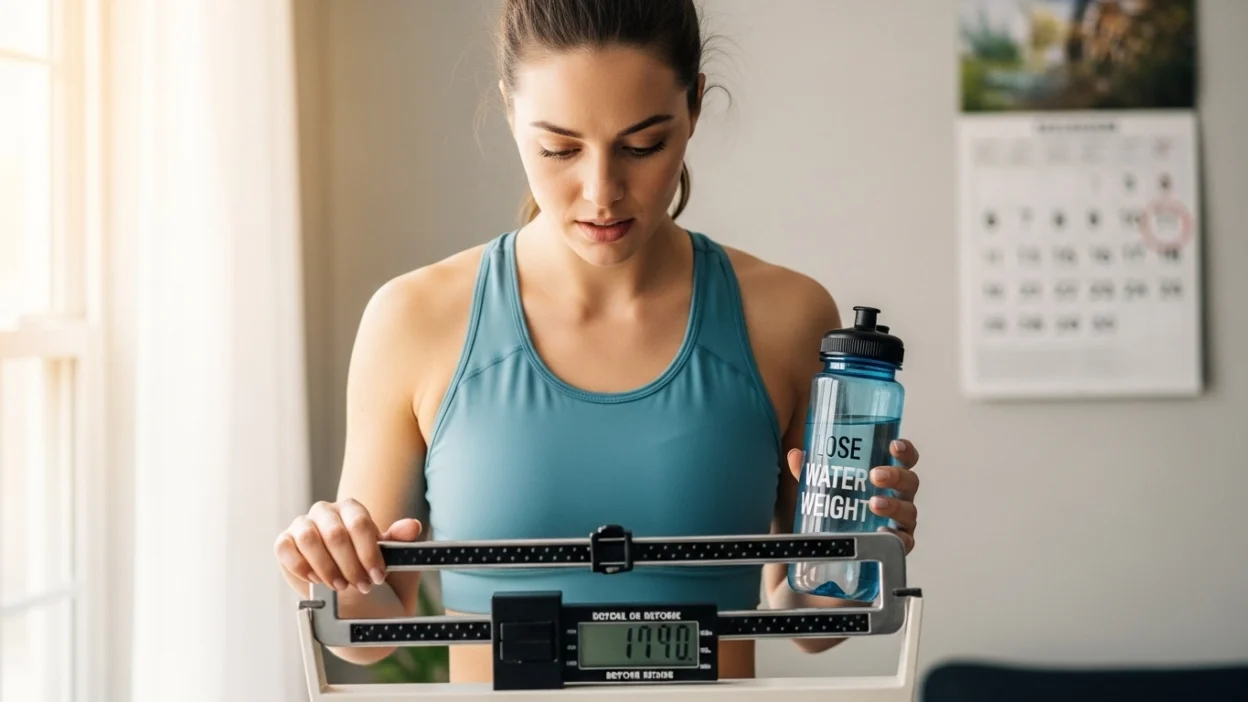
Feeling bloated, puffy, or suddenly heavier despite a healthy diet? You might be carrying excess water weight.
Unlike fat, water weight is caused by fluid retention in your body and can make you feel uncomfortable and sluggish.
Many people experience water retention due to high sodium intake, hormonal fluctuations, lack of exercise, or even certain medications.
Understanding the causes and learning how to lose water weight safely can help you feel lighter, reduce bloating, and improve overall well-being. In this guide, we’ll explore proven strategies to reduce water retention, including dietary adjustments, natural diuretics, hydration tips, exercises, and lifestyle changes.
If you want to shed a few pounds quickly before a special event or maintain a healthy fluid balance long-term, these practical tips will help you flush out excess water, prevent bloating, and feel more energized. Say goodbye to puffiness and hello to a lighter, healthier you!
What Is Water Weight?
Water weight refers to the extra fluids that build up in your body, leading to temporary weight gain and bloating. Unlike fat, which accumulates over time, water retention can cause sudden fluctuations on the scale and make you feel puffy, especially in your hands, feet, and abdomen. Understanding water weight is important because it’s often mistaken for fat, which can lead to unnecessary dieting or frustration.
Several factors contribute to water retention. High sodium intake from processed foods, fast food, or salty snacks forces your body to hold onto extra fluids. Hormonal changes, particularly during the menstrual cycle, pregnancy, or menopause, can also increase fluid retention. Sedentary lifestyles and prolonged sitting or standing can slow circulation, causing water to pool in your lower extremities. Certain medications, like steroids, birth control pills, or some blood pressure medicines, may also lead to bloating and excess water weight.
Recognizing the signs of water retention is key. Common symptoms include swelling in the ankles, hands, or face, a feeling of heaviness, or sudden weight changes that can’t be explained by diet or fat gain. While water weight isn’t harmful for most people, it can be uncomfortable and affect your confidence. Fortunately, losing water weight safely is achievable through dietary adjustments, hydration, exercise, and lifestyle changes, which we’ll explore in the following sections.
Causes of Water Retention
Water retention occurs when your body holds onto excess fluids, leading to bloating, puffiness, and sudden weight fluctuations. Understanding the main causes is essential for managing and preventing water weight effectively.
1. High Sodium Intake:
Consuming too much salt is one of the leading causes of water retention. Sodium causes the body to hold onto water to balance electrolytes, making you feel bloated. Processed foods, canned meals, fast food, and salty snacks are common culprits.
2. Hormonal Fluctuations:
Hormones, especially estrogen and progesterone, play a significant role in fluid balance. Women often experience water retention before or during their menstrual cycle, during pregnancy, or during menopause. Hormonal medications, including birth control pills, can also contribute to temporary bloating.
3. Sedentary Lifestyle:
Sitting or standing for long periods slows circulation, causing fluids to pool in the legs, ankles, and feet. Lack of movement can make water weight more noticeable and uncomfortable.
4. Medications and Medical Conditions:
Certain medications like steroids, anti-inflammatory drugs, and some blood pressure medications may increase water retention. Medical conditions affecting the kidneys, liver, or heart can also cause swelling and fluid buildup.
5. Poor Nutrition and Dehydration:
Ironically, not drinking enough water can lead your body to retain fluids as a survival mechanism. A diet low in potassium or magnesium can also disrupt fluid balance.
Dietary Changes to Lose Water Weight
One of the most effective ways to lose water weight is by making strategic changes to your diet. What you eat can directly influence how much fluid your body retains, and small adjustments can significantly reduce bloating and puffiness.
1. Reduce Sodium Intake:
High sodium levels force your body to hold onto water. Cutting back on processed foods, canned meals, fast food, and salty snacks can help release excess fluids. Use herbs and spices instead of salt to flavor your meals.
2. Increase Potassium-Rich Foods:
Potassium helps balance sodium levels and encourages your body to flush out excess water. Include foods like bananas, spinach, sweet potatoes, avocados, and tomatoes in your diet for natural support against water retention.
3. Incorporate Natural Diuretics:
Certain foods and drinks act as gentle diuretics, helping your body eliminate extra fluids. Cucumber, watermelon, celery, asparagus, and herbal teas like dandelion or green tea can aid in reducing water weight naturally.
4. Hydrate Properly:
Drinking plenty of water might seem counterintuitive, but staying hydrated prevents your body from holding onto water. Aim for at least 8–10 glasses per day, and avoid sugary or highly caffeinated beverages that can worsen bloating.
5. Mindful Eating:
Eating smaller, balanced meals throughout the day can prevent water retention caused by overeating. Focus on whole, unprocessed foods that are high in fiber and nutrients.
Exercise to Reduce Water Retention
Physical activity is a key strategy to lose water weight and prevent bloating. Exercise improves circulation, stimulates the lymphatic system, and encourages your body to release excess fluids naturally.
1. Cardio Workouts:
Activities like walking, jogging, cycling, or swimming increase heart rate and promote sweating, which helps eliminate stored water. Even 20–30 minutes of daily cardio can significantly reduce water retention and make you feel lighter.
2. Strength Training:
Resistance exercises, including weightlifting or bodyweight workouts, build muscle and enhance circulation. Stronger muscles help pump fluid out of tissues, reducing puffiness in areas prone to swelling, such as legs and arms.
3. Yoga and Stretching:
Yoga poses, stretches, and deep breathing improve lymphatic flow, which is essential for draining excess fluids. Poses like legs-up-the-wall or gentle twists can relieve bloating and promote fluid balance.
4. Daily Movement Tips:
Avoid sitting or standing for prolonged periods, which slows circulation and contributes to water retention. Simple habits like taking short walking breaks, elevating your legs, or performing ankle rotations can prevent fluid buildup throughout the day.
5. Combination Approach:
Combining cardio, strength, and flexibility exercises ensures your body releases water efficiently while supporting overall health. Even moderate daily activity can make a noticeable difference in reducing bloating and puffiness.
Lifestyle Tips to Prevent Water Retention
In addition to diet and exercise, certain lifestyle habits can make a big difference in managing water retention and helping you lose water weight. Small daily adjustments often have lasting effects on fluid balance and overall well-being.
1. Prioritize Quality Sleep:
Poor sleep increases cortisol levels, a hormone that can promote fluid retention and bloating. Aim for 7–9 hours of restful sleep each night to support your body’s natural fluid regulation.
2. Manage Stress:
Chronic stress not only affects hormones but can also lead to water retention. Incorporate stress-reducing practices like meditation, deep breathing exercises, journaling, or gentle yoga to keep cortisol levels in check.
3. Elevate Your Legs:
Swelling in the feet and ankles is common due to fluid pooling. Elevating your legs for 15–20 minutes daily helps gravity move excess fluid back toward your heart, reducing puffiness.
4. Avoid Prolonged Sitting or Standing:
Staying in one position for too long slows circulation, causing water retention in the lower body. Take short breaks to stretch, walk, or perform simple movements throughout the day.
5. Wear Compression Garments if Needed:
Compression socks or sleeves can improve circulation and prevent fluid buildup in the legs, especially for individuals prone to swelling or those who spend long hours on their feet.
Supplements That May Help
Alongside diet, exercise, and lifestyle changes, certain supplements can support your efforts to lose water weight and reduce bloating. While most people can manage water retention naturally, supplements may help when used safely and appropriately.
1. Magnesium:
Magnesium plays a key role in fluid balance and can help reduce water retention, especially for women experiencing premenstrual bloating. It supports muscle and nerve function while encouraging the body to release excess water. Common forms include magnesium citrate or glycinate, but consult your doctor for proper dosage.
2. Vitamin B6:
This vitamin is particularly effective for hormonal water retention. Vitamin B6 supports kidney function and helps regulate fluid balance, which can reduce bloating associated with the menstrual cycle. Foods rich in B6 include bananas, chickpeas, and salmon, or it can be taken as a supplement.
3. Herbal Diuretics:
Natural diuretics like dandelion, parsley, green tea, and ginger can help your body flush out excess water without causing harm when used in moderation. Herbal teas are a gentle way to support water weight loss.
4. Electrolytes:
Maintaining a proper balance of sodium, potassium, and magnesium is crucial. Electrolyte supplements or naturally rich foods help prevent your body from holding onto excess fluids due to imbalances.
5. Safety Considerations:
Always consult a healthcare professional before starting any supplement, especially if you have underlying medical conditions or are taking medications. Overuse of diuretics can lead to dehydration and electrolyte imbalances.
When to See a Doctor
While most cases of water retention are temporary and manageable with diet, exercise, and lifestyle changes, sometimes excess fluid retention can indicate an underlying medical condition. Knowing when to seek professional help is essential for your health.
1. Persistent or Severe Swelling:
If swelling in your hands, feet, ankles, or face does not improve with home remedies, it may be a sign of a more serious problem. Chronic fluid retention can signal issues with the kidneys, heart, or liver that require medical evaluation.
2. Sudden Weight Gain:
Rapid, unexplained weight gain over a few days—especially when accompanied by swelling—should not be ignored. This type of water retention can sometimes indicate fluid buildup in the body due to medical conditions such as congestive heart failure or kidney disease.
3. Pain or Discomfort:
Swelling that causes pain, stiffness, or difficulty moving may require medical attention. Persistent bloating or abdominal swelling can also be a symptom of digestive or liver-related issues.
4. Shortness of Breath or Fatigue:
When water retention is accompanied by breathing difficulties, extreme tiredness, or irregular heartbeats, it could indicate serious cardiovascular or respiratory problems.
5. Medication Concerns:
If you notice swelling after starting a new medication, consult your doctor. Some drugs, including steroids, blood pressure medicines, or hormonal treatments, can cause temporary fluid retention, and adjustments may be necessary.
Tips for Long Term Maintenance
Once you’ve successfully reduced water weight, maintaining your results requires consistent habits that prevent fluid retention from returning. Long-term strategies combine diet, exercise, hydration, and lifestyle adjustments to keep your body balanced and feeling lighter.
1. Maintain a Balanced Diet:
Focus on whole, unprocessed foods that are naturally low in sodium. Include plenty of fruits, vegetables, lean proteins, and whole grains. Foods rich in potassium, magnesium, and fiber help regulate fluid balance and prevent bloating.
2. Stay Hydrated:
Drinking enough water throughout the day is essential. Proper hydration signals your body that it doesn’t need to retain excess fluids. Herbal teas and water-rich foods, like cucumber and watermelon, can also support fluid regulation.
3. Regular Exercise:
Keep your body active with a combination of cardio, strength training, and flexibility exercises. Exercise promotes circulation, prevents fluid buildup, and supports overall health. Even moderate daily movement, like walking or stretching, helps maintain water balance.
4. Monitor Sodium and Electrolytes:
Avoid excessive salt and processed foods while ensuring you get enough potassium and magnesium through diet or supplements. Balanced electrolytes prevent your body from holding onto water unnecessarily.
5. Healthy Lifestyle Habits:
Prioritize sleep, manage stress, and avoid prolonged sitting or standing. Elevating your legs and wearing compression garments when needed can also prevent fluid accumulation.
FAQs:
1. Is water weight loss permanent?
No, losing water weight is usually temporary. Unlike fat loss, water retention can fluctuate daily depending on diet, hydration, hormones, and activity levels. Maintaining healthy habits helps prevent it from returning.
2. How quickly can I lose water weight?
Water weight can often be reduced within a few hours to a couple of days, depending on your sodium intake, hydration, and activity level. However, results vary from person to person.
3. Can drinking more water help reduce water weight?
Yes! Staying properly hydrated signals your body that it doesn’t need to hold onto extra fluids. Drinking enough water also supports kidney function, helping flush out excess sodium and water.
4. What foods help reduce water retention?
Potassium-rich foods like bananas, spinach, and avocados, as well as natural diuretics like cucumber, celery, asparagus, and watermelon, can help minimize water weight and bloating.
5. How does exercise affect water weight?
Cardio, strength training, and yoga improve circulation and lymphatic drainage, helping your body release retained fluids. Daily movement prevents fluid buildup in the legs and other areas.
6. Can hormonal changes cause water retention?
Yes, fluctuations in estrogen and progesterone, especially during menstruation, pregnancy, or menopause, often lead to temporary water weight.
Conclusion:
Managing and reducing water weight is achievable through a combination of smart diet choices, regular exercise, proper hydration, and healthy lifestyle habits.
By understanding the causes of water retention such as high sodium intake, hormonal changes, sedentary behavior, and certain medications—you can take targeted steps to feel lighter and less bloated. Incorporating potassium-rich foods, natural diuretics, and consistent physical activity helps your body release excess fluids safely.
Lifestyle adjustments, including stress management, quality sleep, and avoiding prolonged sitting or standing, further support long-term fluid balance.
While supplements like magnesium, vitamin B6, and herbal teas can aid in reducing water retention, consulting a healthcare professional ensures safety, especially for persistent swelling.
Consistency and awareness of your body are key. By applying these strategies, you can not only lose water weight but also maintain overall wellness, energy, and comfort every day.

Amina Khalid is a registered clinical psychologist and certified Behaviour Support Practitioner based in Brisbane, Australia. With a Doctorate in Clinical Psychology and more than a decade of experience supporting families, caregivers, and individuals with complex behavioural needs, she is known for her compassionate approach and evidence‑based practice. Amina also lectures in clinical and counselling psychology and specializes in psychometric assessment and capacity‑building interventions for children and adults.