

Are you struggling to shed extra pounds despite trying various diets? The low carb diet for weight loss has become one of the most popular and effective approaches for people seeking fast, sustainable results.
By focusing on reducing carbohydrate intake and prioritizing proteins and healthy fats, this diet helps control blood sugar levels, curb cravings, and boost fat burning naturally.
Unlike extreme fad diets, a low carb approach can be adapted to fit different lifestyles, whether you’re a busy professional, a student, or someone looking to improve overall health.
Many studies have shown that low carb diets not only promote weight loss but also improve heart health, mental clarity, and energy levels.
In this guide, we’ll explore everything you need to know from the basics of low carb eating, the best foods to include, and mistakes to avoid, to meal plans that make sticking to the diet easier than ever.
What is a Low Carb Diet?
A low carb diet is a nutritional plan that limits the intake of carbohydrates, primarily found in foods like bread, pasta, rice, sugary snacks, and starchy vegetables. Instead, it emphasizes proteins, healthy fats, and low-carb vegetables. The main goal of this diet is to reduce the body’s reliance on glucose for energy and promote the burning of stored fat.
There are different variations of low carb diets, depending on the strictness of carb restriction:
- Standard Low Carb Diet: Typically limits carbs to around 100–150 grams per day. This version is flexible and suitable for beginners.
- Moderate Low Carb Diet: Reduces carb intake to 50–100 grams per day, encouraging more fat as an energy source.
- Very Low Carb / Ketogenic Diet: Limits carbs to 20–50 grams per day, forcing the body into ketosis, a state where it burns fat for fuel.
A low carb diet differs from other popular diets, such as the Atkins diet, which emphasizes high protein and very low carbs in phases, or the paleo diet, which focuses on whole, unprocessed foods. It is also less restrictive than ketogenic diets, which require precise macronutrient tracking.
How Does a Low Carb Diet Promote Weight Loss?
A low carb diet helps with weight loss through several key mechanisms that work together to reduce body fat efficiently. One of the main factors is insulin regulation. When you eat carbohydrates, your body breaks them down into glucose, causing insulin levels to rise. Insulin signals your body to store excess glucose as fat. By limiting carb intake, insulin levels remain lower, which encourages the body to access stored fat for energy.
Another important factor is appetite control. Low carb diets are naturally higher in protein and healthy fats, which are more satiating than carbohydrates. This means you feel fuller for longer, reducing the likelihood of overeating or snacking on unhealthy foods.
For those following very low carb plans, such as ketogenic diets, the body enters a state called ketosis, where it burns fat for energy instead of glucose. This accelerates fat loss while maintaining muscle mass.
Moreover, low carb diets help stabilize blood sugar levels, preventing sudden spikes and crashes that can trigger cravings for sugary or high-carb foods.
Scientific studies support the effectiveness of low carb diets for weight loss. Research shows that people on low carb plans often lose more weight in the first 3–6 months compared to low-fat diets, even without strict calorie counting.
In short, by controlling insulin, suppressing appetite, and encouraging fat burning, a low carb diet provides a natural, sustainable path to weight loss while supporting overall health.
Benefits of a Low Carb Diet Beyond Weight Loss
While most people start a low carb diet to shed pounds, its benefits extend far beyond weight loss. One major advantage is improved blood sugar control. By reducing carbohydrate intake, blood sugar spikes are minimized, which can lower the risk of type 2 diabetes and help manage existing conditions. This makes low carb diets particularly effective for people with insulin resistance.
Another important benefit is heart health. Studies show that low carb diets can improve cholesterol levels by increasing HDL (“good” cholesterol) and lowering triglycerides. Some research also suggests modest reductions in LDL (“bad” cholesterol), contributing to a healthier cardiovascular profile.
Mental clarity and focus are additional perks. Many people report enhanced brain function and sustained energy throughout the day, likely due to stabilized blood sugar levels and a steady supply of ketones in very low carb diets.
Low carb eating can also reduce cravings and appetite, making it easier to stick to a calorie-controlled plan. Foods rich in protein and healthy fats keep you full longer, reducing the temptation to snack on high-carb, sugary foods.
Finally, low carb diets may help lower inflammation in the body, support better digestion, and improve overall metabolic health.
In summary, while weight loss is a primary goal, a low carb diet offers a wide range of health benefits, from better blood sugar and heart health to enhanced focus and reduced cravings. This makes it not only an effective weight loss tool but also a sustainable lifestyle choice for long-term wellness.
Foods to Eat on a Low Carb Diet
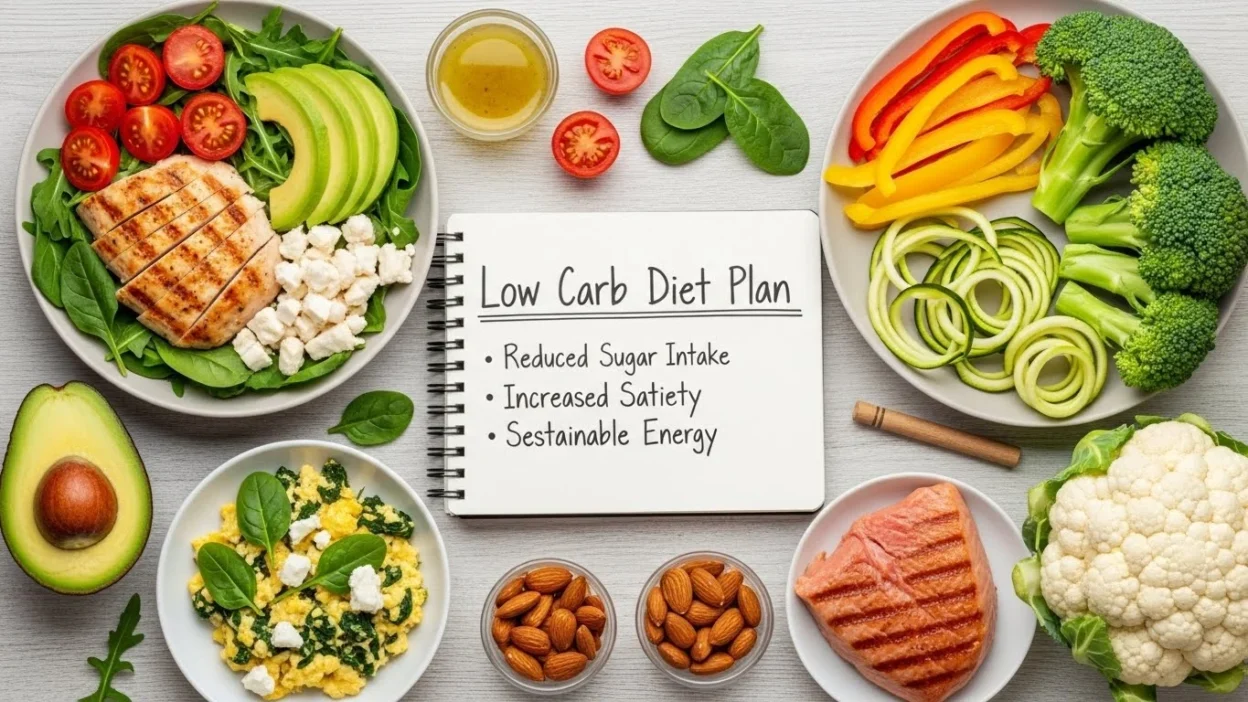
A successful low carb diet for weight loss depends on choosing the right foods that are low in carbohydrates but rich in nutrients, protein, and healthy fats. Focusing on whole, unprocessed foods helps you stay full, maintain energy, and lose weight effectively.
Proteins should be a cornerstone of your meals. Options like eggs, chicken, turkey, lean beef, fish, and tofu provide essential amino acids that support muscle maintenance and metabolism. Protein also helps keep you satiated, reducing the urge to snack.
Healthy fats are another important element. Foods such as avocado, olive oil, coconut oil, nuts, seeds, and fatty fish supply energy and support heart health. These fats slow digestion, helping you feel full longer while providing essential fatty acids your body needs.
Vegetables are a vital part of a low carb diet because they offer fiber, vitamins, and minerals with minimal carbohydrates. Focus on leafy greens, broccoli, cauliflower, zucchini, peppers, and mushrooms. These vegetables can be eaten raw, roasted, or sautéed for variety.
Some low-carb fruits, like berries (strawberries, blueberries, raspberries), tomatoes, and cucumbers, can be included in moderation. These fruits provide antioxidants and nutrients without spiking blood sugar.
Beverages should be low in carbs as well. Water, sparkling water, black coffee, and unsweetened tea are excellent choices. Avoid sugary drinks, sodas, and fruit juices that can quickly add unwanted carbs.
Foods to Avoid on a Low Carb Diet
To succeed on a low carb diet for weight loss, it’s equally important to know which foods to avoid. Eating high-carb or processed foods can sabotage your progress, spike blood sugar, and increase fat storage.
Refined carbohydrates are the first group to eliminate. This includes white bread, pasta, pastries, bagels, and white rice. These foods break down quickly into sugar, leading to insulin spikes and increased fat storage.
Sugary foods and beverages should also be avoided. Candies, cakes, cookies, sodas, fruit juices, and sweetened coffee drinks can add hidden carbs and calories, undoing the benefits of your low carb plan.
Starchy vegetables like potatoes, corn, peas, and pumpkin are higher in carbohydrates and can slow weight loss if eaten in large quantities. While they contain nutrients, they are best consumed in moderation or replaced with low-carb alternatives like cauliflower or zucchini.
Processed and packaged foods such as chips, crackers, and fast food are typically high in refined carbs, unhealthy fats, and sugar. These not only stall weight loss but can also increase inflammation.
Even some condiments and sauces contain hidden sugars and carbs. Ketchup, barbecue sauce, sweet dressings, and some marinades should be used sparingly or replaced with low-carb alternatives like mustard, olive oil, or homemade dressings.
By avoiding refined carbs, sugary foods, starchy vegetables, and processed items, you’ll make it much easier to stay in ketosis (for very low carb diets), control appetite, and achieve consistent weight loss results while maintaining overall health.
Sample Low Carb Meal Plan for Weight Loss
Breakfast:
Start your day with a protein-packed meal. Try scrambled eggs with spinach and avocado, or a Greek yogurt bowl with a few berries and chia seeds. These options provide healthy fats and protein to keep you full.
Mid-Morning Snack:
If needed, opt for a handful of almonds or walnuts, or cheese slices. Snacks should be low in carbs but satisfying.
Lunch:
A grilled chicken salad with mixed greens, cucumber, tomatoes, and olive oil dressing is perfect. You can add boiled eggs or tuna for extra protein. This keeps energy levels steady while controlling blood sugar.
Afternoon Snack:
Choose celery sticks with peanut butter or a boiled egg to avoid carb-heavy snacks like chips or cookies.
Dinner:
Focus on lean protein and vegetables. Examples include baked salmon with roasted broccoli and cauliflower or stir-fried shrimp with zucchini noodles. Use olive oil or avocado oil for healthy fats.
Optional Cheat Meal:
One meal per week can include slightly higher carbs, such as a small portion of sweet potato or whole-grain pasta, to maintain flexibility and adherence.
Tips:
- Prepare meals in advance to avoid high-carb temptations.
- Keep hydrated with water or unsweetened tea.
- Adjust portion sizes based on your activity level and weight loss goals.
This sample plan shows how easy it is to enjoy satisfying, nutritious meals while following a low carb diet that supports weight loss and overall health.
Common Mistakes to Avoid on a Low Carb Diet
1. Eating Too Much Protein Instead of Fats:
Many beginners focus heavily on protein, thinking it will accelerate weight loss. While protein is important, your body also needs healthy fats for energy and satiety. Overeating protein can even convert excess amino acids into glucose, which may slow fat burning.
2. Ignoring Fiber and Micronutrients:
Cutting carbs shouldn’t mean neglecting vegetables. Low fiber intake can lead to digestive issues like constipation. Include leafy greens, cruciferous vegetables, and small amounts of low-carb fruits to get essential vitamins and minerals.
3. Not Drinking Enough Water:
Low carb diets can have a mild diuretic effect, causing dehydration and electrolyte imbalance. Make sure to drink plenty of water and consider adding electrolytes like sodium, potassium, and magnesium.
4. Unrealistic Expectations:
Some people expect rapid weight loss immediately. While initial results may be fast due to water loss, long-term fat loss is gradual. Patience and consistency are key.
5. Relying on Processed “Low Carb” Foods:
Packaged low-carb snacks or desserts often contain hidden carbs, sugar alcohols, and unhealthy additives. Whole, unprocessed foods are always the best choice.
Low Carb Diet vs Other Popular Diets
Low Carb vs Ketogenic Diet:
Both limit carbohydrates, but keto is more restrictive, usually allowing only 20–50 grams of carbs per day to induce ketosis, a fat-burning state. Low carb diets are more flexible, often allowing 100–150 grams of carbs daily, making them easier to sustain long-term. Keto may result in faster initial weight loss, but some find it difficult to maintain due to its strict requirements.
Low Carb vs Paleo Diet:
Paleo focuses on whole, unprocessed foods like meat, vegetables, nuts, and fruits, while avoiding grains, dairy, and processed items. Although paleo can be low carb, it is not specifically designed for carb restriction, so weight loss results may vary.
Low Carb vs Intermittent Fasting:
Intermittent fasting controls when you eat rather than what you eat. While it can aid weight loss and improve insulin sensitivity, combining it with a low carb approach may amplify fat-burning results.
Pros and Cons:
Low carb diets are easier to start and can provide steady energy, appetite control, and gradual fat loss. However, some may miss high-carb foods or struggle with meal planning initially. Keto provides faster results but is stricter. Paleo and intermittent fasting may suit different lifestyles depending on preferences and goals.
Tips for Long Term Success on a Low Carb Diet
1. Track Your Carb Intake:
Use apps or a food journal to monitor daily carb consumption. Tracking ensures you stay within your target range while preventing hidden carbs from sneaking into meals.
2. Combine Diet with Exercise:
While low carb diets help burn fat, combining them with regular physical activity enhances weight loss, improves metabolism, and supports muscle maintenance. Even moderate exercise like walking, cycling, or strength training can make a big difference.
3. Prioritize Meal Prep:
Preparing meals in advance prevents reliance on convenience foods, which are often high in carbs. Batch-cooking proteins, vegetables, and healthy fats makes sticking to the diet simpler.
4. Include Variety:
Rotating protein sources, vegetables, and low-carb snacks prevents boredom and ensures you receive a wide range of nutrients.
5. Stay Hydrated and Maintain Electrolytes:
Low carb diets can lead to fluid and electrolyte loss. Drink plenty of water and consider adding sodium, potassium, and magnesium to avoid fatigue and cramps.
6. Be Flexible:
Occasional higher-carb meals or social events are okay. Flexibility helps maintain adherence without feeling restricted.
7. Monitor Your Progress:
Regularly check weight, energy levels, and health markers. Adjust your diet or portion sizes as needed for continued progress.
FAQs:
1. Is a low carb diet safe for everyone?
For most healthy adults, low carb diets are safe. However, people with certain medical conditions, such as kidney disease or type 1 diabetes, should consult a doctor before starting. Pregnant or breastfeeding women should also seek professional guidance.
2. How fast can I lose weight?
Weight loss varies depending on metabolism, activity level, and adherence. Many people notice an initial drop in water weight within the first week, followed by gradual fat loss of 1–2 pounds per week, which is sustainable and healthy.
3. Can I exercise on a low carb diet?
Yes! Exercise is encouraged. Some may experience a temporary dip in energy during the first week as the body adapts to burning fat instead of carbs. Once adapted, low carb diets can support endurance and strength training.
4. What if I cheat occasionally?
Occasional higher-carb meals are okay and can help maintain motivation. It’s important to return to your low carb plan afterward to continue progress.
5. Do I need supplements?
Some people benefit from electrolytes like sodium, potassium, and magnesium, especially during the initial phase. Multivitamins can also help ensure nutrient balance.
6. Can low carb diets improve health beyond weight loss?
Yes, they can help control blood sugar, improve cholesterol levels, reduce cravings, and support heart and metabolic health.
Conclusion
A low carb diet for weight loss is one of the most effective and sustainable ways to shed pounds, control cravings, and improve overall health.
By reducing carbohydrate intake and focusing on proteins, healthy fats, and nutrient-rich vegetables, you can stabilize blood sugar, promote fat burning, and feel fuller for longer.
Beyond weight loss, this lifestyle supports heart health, mental clarity, and steady energy throughout the day.
Success on a low carb diet requires planning, consistency, and awareness of common mistakes, such as overeating protein, ignoring fiber, or relying on processed “low carb” foods.
Meal planning, hydration, and flexibility with occasional higher-carb meals can make the diet more sustainable.
Ultimately, a low carb approach can be adapted to suit any lifestyle.
By committing to this plan and monitoring progress, you can achieve lasting weight loss, improved health, and a positive, sustainable relationship with food.

Elena Moretti is a highly accomplished Italian business executive and Country Business Unit Head for Building Products at Siemens S.p.A., known for her expertise in leadership, digital transformation, smart buildings, and strategic business growth. With a degree in Business Administration from Bocconi University, Moretti has built a distinguished career spanning finance, operations, and executive management in complex engineering‑driven industries.