
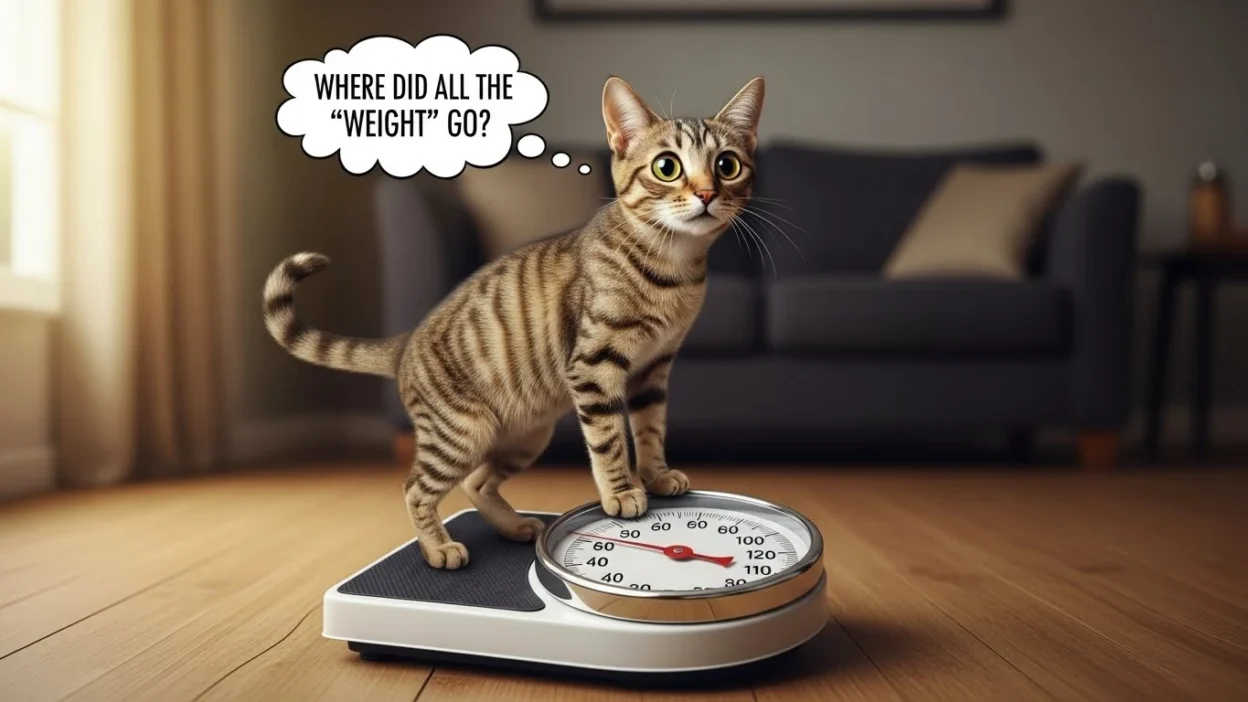
Noticing that your cat is losing weight can be alarming. Cats are experts at hiding discomfort, so sudden or gradual weight loss may signal an underlying health issue.
Many cat owners wonder, “Why is my cat losing weight even though it seems to eat normally?” Weight loss in cats is not just a cosmetic concern it can indicate medical problems such as hyperthyroidism, diabetes, kidney disease, or dental issues.
Other factors like stress, poor diet, or changes in routine can also contribute. Understanding the causes, signs, and solutions is crucial to keeping your feline healthy and happy.
In this guide, we’ll explore the main reasons cats lose weight, how to spot early warning signs, when to consult a veterinarian, dietary and lifestyle solutions, and preventative care. By paying attention early, you can ensure your cat maintains a healthy weight and quality of life.
Understanding Cat Weight Loss
Before panicking over your cat’s shrinking frame, it’s important to understand what counts as normal weight fluctuation versus concerning weight loss. Cats, especially older ones, naturally lose a small amount of weight over time, but sudden or continuous weight loss is a warning sign. Regularly monitoring your cat’s weight is the first step in ensuring their health.
Weight loss in cats can be gradual or sudden. Gradual loss may go unnoticed but can indicate chronic medical conditions such as kidney disease or hyperthyroidism. Sudden weight loss, on the other hand, often points to acute issues like infection, parasites, or dietary problems. Visual checks are essential: if your cat’s ribs, spine, or hip bones become noticeably prominent, or their muscle mass decreases, it’s time to investigate.
At-home weighing can help track changes. Place your cat on a kitchen or pet scale weekly and keep a log. Compare with breed and age norms to see if weight changes are significant. Note that indoor cats may gain or lose weight more slowly than outdoor cats due to activity differences.
Understanding these patterns helps cat owners distinguish between normal fluctuations and serious health concerns. By paying attention to behavior, appetite, and activity levels, you can identify early signs of cat weight loss and take action before it becomes a critical problem. Early recognition improves treatment outcomes and helps maintain your cat’s overall well-being.
Common Medical Causes of Weight Loss in Cats
When your cat is losing weight, medical issues are often the primary culprits. Understanding these conditions can help you recognize warning signs early and seek veterinary care promptly.
Hyperthyroidism is a common cause, especially in older cats. It occurs when the thyroid gland produces excess hormones, increasing metabolism. Cats may eat normally—or even more—yet continue to lose weight, often accompanied by hyperactivity, increased thirst, and restlessness.
Diabetes is another potential cause. Cats with diabetes may lose weight while eating normally due to the body’s inability to process glucose effectively. Symptoms include frequent urination, excessive thirst, and lethargy.
Kidney disease often affects older cats and can lead to gradual weight loss, decreased appetite, and dehydration. Early detection is crucial, as dietary management can slow progression.
Dental problems can also contribute. Painful teeth or gum disease may make chewing uncomfortable, reducing food intake.
Other conditions like cancer, gastrointestinal disorders, or parasites may also cause significant weight loss. Vomiting, diarrhea, or changes in stool can indicate digestive issues.
It’s important to note that cats are skilled at hiding discomfort, so even subtle weight changes can indicate serious health problems. Monitoring your cat’s behavior, appetite, and body condition, combined with regular veterinary check-ups, ensures early detection of underlying medical causes.
Behavioral and Environmental Causes of Weight Loss
Not all cases of cat weight loss are strictly medical. Behavioral and environmental factors can significantly impact a cat’s appetite and body condition. Cats are sensitive creatures, and even small changes in their surroundings can lead to stress-related weight loss.
One common factor is stress from changes at home, such as moving to a new house, introducing a new pet, or changes in the household routine. Stress can reduce a cat’s appetite, leading to gradual weight loss over time. Behavioral issues like anxiety or depression may also make a cat eat less or skip meals entirely.
Environmental enrichment plays a key role in maintaining a cat’s appetite. Cats that are bored or under-stimulated may lose interest in food. Providing interactive toys, scratching posts, and regular play sessions encourages both mental stimulation and physical activity, which supports healthy eating habits.
Additionally, some cats may become picky eaters due to stress or changes in food type or brand. Even minor adjustments in diet can cause a temporary decline in appetite, contributing to weight loss.
Indoor cats, in particular, may experience weight changes due to limited activity levels. While too much exercise can burn calories excessively, too little activity can affect metabolism and appetite. Observing your cat’s behavior and creating a calm, enriched environment helps prevent stress-related weight loss.
By identifying these behavioral and environmental causes, you can address non-medical reasons for cat weight loss and support your feline’s health alongside regular veterinary care.
Dietary Causes and Solutions
Diet plays a crucial role in a cat’s weight management, and poor nutrition is a common cause of weight loss. Even if your cat appears to eat normally, the food they consume might not provide enough calories or essential nutrients to maintain a healthy weight.
One frequent issue is low-quality cat food. Some commercial diets lack adequate protein, fat, or vitamins, which are essential for energy and muscle maintenance. Cats are obligate carnivores, so insufficient protein can lead to muscle wasting and gradual weight loss.
Sudden diet changes can also affect a cat’s appetite. Cats are creatures of habit and may refuse new food if introduced too quickly. Switching brands or types of food should be done gradually over 7–10 days to prevent refusal and digestive upset.
Feeding practices can contribute as well. Skipping meals, inconsistent feeding schedules, or relying too heavily on treats may prevent your cat from consuming sufficient calories.
Solutions for dietary weight loss include:
- Feeding a high-calorie, nutrient-rich diet designed for weight gain.
- Providing small, frequent meals to encourage consistent eating.
- Mixing wet and dry food to improve palatability and hydration.
- Considering supplements recommended by a veterinarian for additional calories or nutrients.
Monitoring your cat’s response to dietary changes is essential. Keeping a food and weight journal helps track improvements and allows adjustments to ensure your cat regains a healthy weight. With the right nutrition and feeding strategy, most cats can recover safely from weight loss.
Recognizing Warning Signs
Early detection of weight loss in cats is crucial for preventing serious health problems. Cats are masters at hiding illness, so it’s important to know the subtle signs that indicate your feline may be losing weight due to underlying issues.
One of the most obvious warning signs is visible ribs, spine, or hip bones. If your cat’s body shape changes noticeably or their coat appears less full, it may indicate a loss of muscle mass or fat. Feeling the cat’s spine and ribcage weekly can help detect gradual changes that might not be obvious visually.
Changes in behavior or activity levels are also important indicators. A cat that becomes unusually lethargic, hides more often, or shows irritability may be experiencing discomfort or illness. Similarly, decreased grooming can signal that your cat isn’t feeling well.
Appetite changes are another red flag. Cats losing weight may eat less, skip meals, or show reduced interest in favorite foods. In some cases, cats may eat normally but still lose weight, which often points to medical conditions like hyperthyroidism or diabetes.
Other warning signs include vomiting, diarrhea, excessive thirst, or frequent urination. Keeping track of litter box habits and hydration can provide crucial information for early diagnosis.
Regularly monitoring weight, behavior, and eating habits, combined with periodic vet check-ups, is the best way to catch potential problems early. Recognizing these warning signs ensures timely intervention and increases the chances of successful treatment for cat weight loss.
When to Consult a Veterinarian
Knowing when to seek veterinary care is essential if your cat is losing weight. While some weight fluctuations are normal, sudden or continuous weight loss often signals an underlying health problem that requires professional attention.
You should consult a veterinarian immediately if your cat experiences rapid weight loss, typically more than 5% of their body weight in a month, or if weight loss is accompanied by other concerning symptoms. These include vomiting, diarrhea, increased thirst or urination, lethargy, coughing, or changes in behavior. Even if your cat appears to be eating normally, unexplained weight loss can indicate conditions like hyperthyroidism, diabetes, kidney disease, or cancer.
Before your visit, document your cat’s weight changes and behavior. Keep a record of feeding patterns, appetite, water intake, litter box habits, and any unusual behaviors. This information helps your veterinarian make a more accurate diagnosis and determine the next steps.
During the examination, your veterinarian may perform blood tests, urinalysis, imaging (x-rays or ultrasound), and dental checks to identify the cause. Early detection allows for timely treatment, which can prevent complications and improve your cat’s quality of life.
Remember, cats often hide illness until it becomes severe. Prompt veterinary consultation at the first signs of concerning weight loss is the best way to protect your cat’s health. Regular check-ups, combined with careful monitoring at home, ensure that your feline stays healthy, happy, and at a safe weight.
Treatment and Management Options
Once your cat’s weight loss has been identified, treatment depends on the underlying cause. Addressing the root problem is essential for helping your cat regain a healthy weight and overall well-being.
For medical conditions like hyperthyroidism, diabetes, or kidney disease, your veterinarian may prescribe medications, special diets, or other therapies. Hyperthyroid cats often respond well to medication or treatment to normalize thyroid hormone levels, while diabetic cats may require insulin and dietary adjustments. Cats with kidney disease benefit from prescription kidney diets that reduce strain on the kidneys while providing essential nutrients.
Appetite stimulants may be recommended for cats who eat poorly due to illness or stress. These medications encourage eating, which helps prevent further weight loss and promotes muscle maintenance.
Dietary management is also crucial. Feeding high-calorie, nutrient-rich meals, offering small frequent portions, and combining wet and dry food can help cats gain weight safely. In some cases, supplements such as taurine, omega-3 fatty acids, or other nutrients may be recommended by your veterinarian.
Lifestyle adjustments can support recovery as well. Providing a calm, enriched environment with interactive toys, scratching posts, and regular playtime reduces stress and encourages normal eating behaviors.
Regular monitoring is essential. Keep track of your cat’s weight, appetite, and behavior, and schedule follow-up veterinary visits to ensure the treatment plan is effective. With proper medical care, dietary adjustments, and supportive lifestyle changes, most cats can regain a healthy weight and maintain long-term wellness.
Preventing Future Weight Loss
Preventing weight loss in cats is easier than treating it after it occurs. Regular monitoring, proper nutrition, and a healthy environment are key to maintaining a stable weight and overall wellness.
Routine veterinary check-ups are essential. Even if your cat appears healthy, annual or semi-annual exams help detect early signs of disease that could lead to weight loss. Blood tests, urine analysis, and physical exams allow your veterinarian to catch issues like kidney disease, diabetes, or hyperthyroidism before they become serious.
Maintaining a balanced diet tailored to your cat’s age, breed, and activity level is crucial. Feeding high-quality cat food with adequate protein, calories, and essential nutrients ensures your cat receives the energy needed to maintain muscle mass. Avoid over-reliance on treats or sudden diet changes, as these can disrupt appetite and weight stability.
Environmental enrichment also prevents stress-related weight loss. Provide a calm, safe space with interactive toys, scratching posts, and regular play sessions to keep your cat active and mentally stimulated. For multi-cat households, ensure each cat has access to food, water, and resting areas to reduce stress and competition.
Finally, track your cat’s weight and behavior at home. Regular weighing, noting appetite changes, and observing activity patterns helps you detect small changes before they become serious. By combining preventive healthcare, proper nutrition, and stress management, you can help your cat maintain a healthy weight and enjoy a longer, happier life.
FAQs:
1. Why is my cat losing weight but still eating normally?
Even if your cat seems to eat well, medical conditions like hyperthyroidism, diabetes, or gastrointestinal issues can prevent proper nutrient absorption, leading to weight loss.
2. How fast is too fast for a cat to lose weight?
Losing more than 5% of body weight in a month is concerning. Rapid weight loss can indicate a serious health problem and requires immediate veterinary attention.
3. Can stress cause a cat to lose weight?
Yes, cats are highly sensitive to changes in their environment. Moving homes, adding a new pet, or changes in routine can reduce appetite and lead to weight loss over time.
4. Are older cats more prone to losing weight?
Older cats often experience gradual weight loss due to age-related issues such as kidney disease, hyperthyroidism, or dental problems. Regular vet check-ups are essential to catch early signs.
5. How can I help my cat gain weight safely?
Feed high-calorie, nutrient-rich meals, provide small, frequent portions, and offer wet and dry food. Supplements or appetite stimulants may be recommended by your veterinarian.
6. Can indoor cats lose weight without illness?
Yes, lack of stimulation or sudden dietary changes can lead to minor weight loss. However, unexplained or persistent loss should always be checked by a vet.
7. When should I worry about my cat’s weight loss?
If weight loss is accompanied by vomiting, diarrhea, lethargy, increased thirst, or rapid decline, consult a veterinarian immediately. Early detection improves recovery.
Conclusion
Weight loss in cats is often a sign that something is affecting their health, whether it’s a medical condition, dietary issue, or environmental stress.
Early recognition of warning signs such as visible ribs, decreased appetite, changes in behavior, or sudden weight loss is crucial for timely intervention.
Monitoring your cat’s weight, maintaining a balanced and nutrient-rich diet, and providing a calm, enriched environment are essential steps in prevention.
Consulting a veterinarian at the first sign of unexplained weight loss ensures proper diagnosis and treatment, whether it involves medications, prescription diets, or lifestyle adjustments.
With proactive care, most cats can regain a healthy weight and maintain long-term wellness. Remember, cats often hide discomfort, so attention, patience, and regular monitoring are key to supporting your feline companion’s health and happiness.
By taking action early, you can help your cat thrive and enjoy a longer, healthier life.

Fyodor Dostoevsky (1821–1881) was a renowned Russian novelist, short story writer, essayist, and philosopher whose works explore human psychology, morality, and existential dilemmas. Best known for classics like Crime and Punishment, The Brothers Karamazov, and The Idiot, Dostoevsky’s writing has influenced literature, psychology, and philosophy worldwide.