

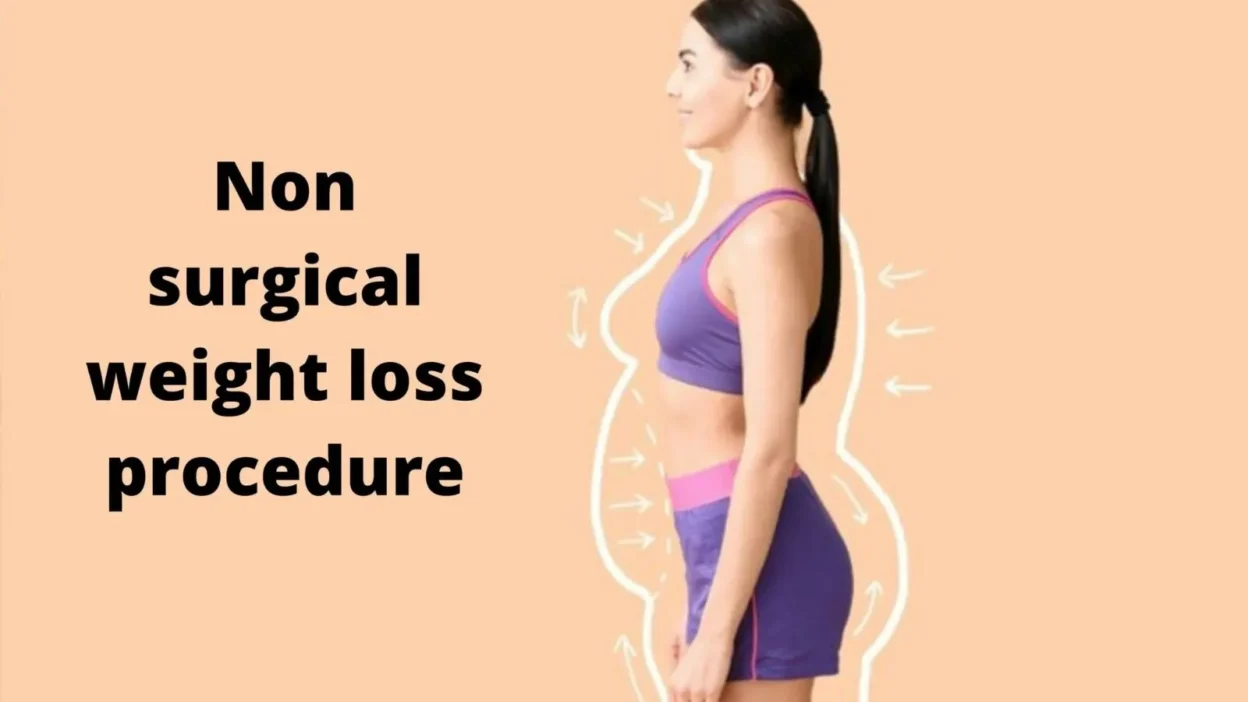
In today’s fast-paced world, more people are seeking non-surgical weight loss solutions that are safe, effective, and sustainable. Unlike invasive procedures, these methods focus on natural ways to shed pounds through a combination of diet, exercise, lifestyle changes, and medically supervised programs.
With growing awareness about health risks associated with surgery, individuals are turning to weight loss without surgery as a practical alternative that improves not only appearance but overall well-being.
From structured meal plans and fat-burning workouts to mindfulness techniques and advanced non-invasive treatments, there are multiple avenues to achieve your weight goals.
If you’re looking to drop a few pounds or make a significant lifestyle change, understanding the best strategies and avoiding common pitfalls is crucial.
This guide will explore proven approaches, helpful tools, and motivational tips to help you succeed in your non-surgical weight loss journey.
Understanding Non-Surgical Weight Loss Options
Non-surgical weight loss is a safe and effective approach for individuals who want to reduce body fat without undergoing invasive procedures. Unlike surgical methods such as liposuction or bariatric surgery, non-surgical options focus on natural, sustainable strategies that improve overall health while promoting gradual fat loss. These methods are ideal for people who want long-term results without the risks, recovery time, or high costs associated with surgery.
Non-surgical weight loss can be broadly categorized into four main types:
- Diet-Based Approaches – Structured meal plans, calorie control, and nutrient-dense foods help manage weight effectively. Popular diets like low-carb, keto, and plant-based diets support fat loss while maintaining energy levels.
- Exercise-Based Approaches – Physical activity boosts metabolism, burns calories, and builds lean muscle. Cardio, strength training, HIIT, and yoga are all effective options depending on your fitness level and goals.
- Lifestyle and Behavioral Changes – Mindful eating, proper sleep, stress management, and habit tracking play a crucial role in long-term weight management. Small lifestyle adjustments often create significant results over time.
- Medically Supervised Programs – For those who need additional support, professional programs provide personalized plans, meal replacements, and non-invasive interventions like fat reduction therapies.
By combining these strategies, individuals can achieve safe, sustainable, and effective weight loss. Understanding your options and choosing the right mix of diet, exercise, and lifestyle changes is the first step toward a healthier, more confident you.
Diet Plans for Effective Weight Loss
Diet plays a central role in non-surgical weight loss, as it directly affects calorie intake, metabolism, and fat reduction. Choosing the right eating plan can help you shed pounds safely while maintaining energy and overall health. Several diets have proven effective for long-term weight management.
Low-Carb and Keto Diets reduce carbohydrate intake, encouraging the body to burn stored fat for energy. These plans can lead to rapid fat loss but require careful monitoring of protein and healthy fat consumption.
Intermittent Fasting involves scheduled eating and fasting windows, which can boost metabolism, improve insulin sensitivity, and reduce overall calorie consumption. Popular methods include 16:8 (16 hours fasting, 8 hours eating) and 5:2 (five days regular eating, two low-calorie days).
Plant-Based Diets focus on whole fruits, vegetables, legumes, and grains. These diets are nutrient-rich, low in calories, and high in fiber, helping you feel full and satisfied while promoting fat loss.
Calorie Management emphasizes tracking daily intake, ensuring you consume fewer calories than you burn. Using apps, journals, or portion control techniques can make this easier and more consistent.
For best results, combine diet plans with regular exercise and lifestyle habits like mindful eating and adequate sleep. Avoid extreme or fad diets that promise rapid results, as they often lead to muscle loss, nutrient deficiencies, and weight regain.
Exercise Routines That Boost Fat Loss
Exercise is a cornerstone of non-surgical weight loss, helping burn calories, build lean muscle, and improve overall metabolism. Combining the right workout routines with a healthy diet maximizes fat loss and ensures long-term results.
Cardio Workouts such as running, cycling, swimming, and brisk walking are highly effective for burning calories and improving heart health. Aim for at least 150 minutes of moderate-intensity cardio per week, gradually increasing intensity as your stamina improves.
Strength Training focuses on building lean muscle, which naturally increases your metabolism and burns more calories even at rest. Exercises like squats, lunges, push-ups, and weightlifting can be done at home or in the gym, with 2–3 sessions per week recommended for beginners.
High-Intensity Interval Training (HIIT) combines short bursts of intense activity with brief rest periods, making it one of the most efficient fat-burning routines. HIIT not only burns calories during the workout but also elevates metabolism for hours afterward.
Yoga and Pilates improve flexibility, core strength, and mindfulness, supporting a holistic approach to weight loss. While these may not burn as many calories as cardio, they reduce stress and improve posture, which can prevent weight-related injuries.
Lifestyle Activity like taking the stairs, walking during breaks, or performing household chores also contributes to overall calorie burn. These small activities, combined with structured workouts, create a sustainable exercise routine.
Behavioral and Lifestyle Approaches
Achieving non-surgical weight loss isn’t just about diet and exercise—your daily habits and mindset play a crucial role. Small, consistent lifestyle changes can have a significant impact on fat loss and overall health.
Mindful Eating is a powerful technique that encourages paying attention to hunger cues and eating slowly. By focusing on the taste, texture, and portion size of your meals, you can prevent overeating and reduce unnecessary snacking.
Habit Tracking helps maintain consistency. Journals, mobile apps, or even simple checklists allow you to monitor meals, workouts, and water intake, making it easier to stay accountable and recognize patterns that may hinder progress.
Stress Management is another essential factor. High stress levels can lead to emotional eating and hormonal imbalances that contribute to weight gain. Practices like meditation, deep breathing exercises, or hobbies can reduce stress and support your weight loss journey.
Sleep Optimization is often overlooked but is critical for fat loss. Poor sleep can increase appetite hormones and reduce energy for exercise. Adults should aim for 7–9 hours of quality sleep per night to maintain a healthy metabolism.
Supportive Environment plays a vital role as well. Surround yourself with encouraging friends, family, or online communities who motivate and guide you toward your goals.
By integrating mindful eating, consistent tracking, stress reduction, and proper sleep, you can enhance the effectiveness of your diet and exercise routines. Behavioral and lifestyle adjustments create a solid foundation for long-term, non-surgical weight loss and help sustain results well into the future.
Medical Non-Surgical Interventions
For individuals seeking additional support in their non-surgical weight loss journey, medical interventions offer safe, supervised options that complement diet and exercise. These programs are designed to provide personalized guidance, monitor progress, and deliver measurable results without the need for surgery.
Medically Supervised Programs involve customized plans created by healthcare professionals. These may include structured meal replacements, tailored diet and exercise regimens, and regular check-ins to track progress. Such programs are especially helpful for people with underlying health conditions, obesity-related risks, or those struggling with self-guided weight loss.
FDA-Approved Weight Loss Medications can be prescribed by doctors to aid fat loss. Medications like appetite suppressants or metabolism boosters help reduce caloric intake and support adherence to a diet plan. It’s important to use these under professional supervision to manage potential side effects and ensure safety.
Non-Invasive Fat Reduction Therapies are emerging as popular alternatives to surgery. Techniques like cryolipolysis (fat freezing), ultrasound fat reduction, and laser treatments target localized fat deposits without incisions or anesthesia. While these methods do not replace diet and exercise, they can enhance body contouring for stubborn areas.
Consultation with a healthcare professional is crucial before beginning any medical intervention. These options are most effective when combined with lifestyle changes, regular exercise, and balanced nutrition. By leveraging medically supervised programs, medications, or non-invasive therapies, individuals can achieve safe, efficient, and lasting weight loss without undergoing surgery.
Technology and Gadgets to Support Weight Loss
In today’s digital age, technology and gadgets have become invaluable tools for achieving non-surgical weight loss. They help track progress, maintain accountability, and make healthy habits easier to follow.
Fitness Trackers like smartwatches and wristbands monitor steps, heart rate, calories burned, and active minutes. By providing real-time feedback, they encourage daily movement and help users set realistic goals.
Smart Scales go beyond just measuring weight. Many devices track body composition, including body fat percentage, muscle mass, and water weight. Regular monitoring allows users to see trends over time, rather than focusing solely on scale numbers.
Mobile Apps for diet and exercise planning simplify meal tracking, calorie counting, and workout logging. Many apps offer personalized recommendations, recipe ideas, and virtual coaching, making it easier to stick to a structured weight loss plan.
Wearable Health Monitors provide insights into sleep patterns, stress levels, and overall activity. By understanding how lifestyle factors affect metabolism, users can adjust their routines for better results.
AI-Based Coaching Tools now use data from multiple devices to provide customized workout routines, nutrition guidance, and progress reminders. This integration creates a fully personalized approach to weight loss.
By leveraging these gadgets, individuals gain precise feedback and motivation, making it easier to stay consistent with their non-surgical weight loss journey. Technology doesn’t replace healthy habits, but it significantly enhances adherence, accountability, and long-term success.
Supplements and Natural Aids
While diet and exercise are the foundation of non-surgical weight loss, certain supplements and natural aids can help support fat loss, curb appetite, and improve overall metabolism. However, they should be used as a complement, not a replacement, for healthy habits.
Protein Supplements such as whey, casein, or plant-based powders help maintain muscle mass while promoting satiety. Including protein in your meals can reduce cravings and prevent muscle loss during calorie restriction.
Fiber Supplements like psyllium husk or glucomannan increase fullness and slow digestion, making it easier to consume fewer calories throughout the day. High-fiber foods naturally support digestive health and regulate blood sugar.
Green Tea and Green Tea Extract contain catechins, which can slightly boost metabolism and promote fat oxidation. Drinking green tea regularly can enhance the effects of exercise and calorie control.
Herbal Aids such as Garcinia Cambogia, apple cider vinegar, or green coffee extract are popular natural options. While research shows modest results, these supplements may help suppress appetite or support metabolism when paired with lifestyle changes.
Cautions: Not all supplements are safe or effective. Always consult a healthcare professional before starting any supplement, especially if you have underlying health conditions or take medications.
Combining supplements with a balanced diet, consistent exercise, and lifestyle changes creates a holistic approach. When chosen wisely, supplements and natural aids can provide a gentle boost, making it easier to achieve safe, sustainable, and long-lasting non-surgical weight loss results.
Common Mistakes to Avoid in Non-Surgical Weight Loss
Even with the best intentions, many people struggle with non-surgical weight loss due to avoidable mistakes. Recognizing and correcting these errors can make the journey safer, more effective, and sustainable.
Skipping Meals or Crash Dieting is a common pitfall. Extremely low-calorie diets can slow metabolism, cause nutrient deficiencies, and lead to muscle loss. Instead, focus on balanced meals with adequate protein, fiber, and healthy fats.
Overestimating Calories Burned during exercise often leads to overeating. Tracking workouts accurately and combining them with proper diet management ensures a consistent calorie deficit.
Neglecting Sleep and Stress Management can hinder weight loss. Poor sleep increases appetite-regulating hormones, while chronic stress may trigger emotional eating. Prioritize 7–9 hours of sleep and practice stress-reducing techniques like meditation, deep breathing, or hobbies.
Ignoring Individual Needs is another mistake. What works for one person may not suit another due to differences in metabolism, lifestyle, and health conditions. Personalized plans are more effective than generic diets or workout routines.
Setting Unrealistic Expectations can be discouraging. Sustainable weight loss is gradual, typically 1–2 pounds per week. Avoid falling for fad diets or quick-fix solutions that promise drastic results.
By avoiding these common mistakes and focusing on balanced nutrition, regular exercise, proper rest, and realistic goal-setting, you can enhance the effectiveness of your efforts. Awareness and mindful adjustments are key to achieving safe, long-term non-surgical weight loss results.
Tracking Progress and Staying Motivated
One of the most important aspects of non-surgical weight loss is consistent tracking and maintaining motivation. Without monitoring progress, it’s easy to lose focus or become discouraged, even when making significant efforts.
Tracking Tools like journals, mobile apps, and fitness trackers help record daily meals, exercise routines, and water intake. Tracking allows you to identify patterns, monitor calorie consumption, and measure improvements in strength, endurance, and body composition.
Visual Progress is also motivating. Taking weekly photos, body measurements, or even clothing size comparisons shows tangible results beyond the scale. This helps recognize fat loss and muscle gain that might not reflect immediately on weight alone.
Setting Milestones creates short-term goals that make long-term objectives manageable. Celebrate achievements such as losing five pounds, completing a 30-day workout challenge, or maintaining healthy eating for a week. These small victories reinforce consistency and keep you motivated.
Accountability Systems enhance success. Sharing goals with friends, family, or online communities provides support and encouragement. Personal coaches or fitness groups can offer expert guidance, monitor progress, and provide timely feedback.
Rewards and Positive Reinforcement help sustain motivation. Treat yourself with non-food rewards like a massage, new workout gear, or a fun activity when achieving milestones.
By combining tracking, visual progress, milestone-setting, and accountability, you create a structured, rewarding system. Staying organized and motivated ensures steady progress and makes achieving non-surgical weight loss both effective and sustainable.
Success Stories and Real-Life Examples
Real-life examples can be incredibly motivating for anyone pursuing non-surgical weight loss. Hearing about others’ experiences shows that with consistency, dedication, and the right approach, achieving lasting results is possible.
Take Sarah, for example, a 35-year-old office worker who struggled with weight gain due to long work hours and stress eating. By combining a plant-based diet, daily 30-minute walks, and mindfulness techniques, she lost 25 pounds over six months. Sarah tracked her meals using a mobile app and celebrated each milestone, which helped her stay motivated.
Another example is James, a 42-year-old with a busy schedule. He incorporated HIIT workouts three times a week and followed a medically supervised program that included meal replacements and professional guidance. Over four months, James reduced his body fat percentage significantly and gained lean muscle, proving that structured programs paired with consistent effort yield results.
Even small transformations are worth noting. Maria, a college student, started with simple lifestyle changes—cutting sugary drinks, practicing mindful eating, and taking the stairs daily. Within three months, she noticed a visible change in her energy levels and weight.
These stories highlight key lessons: set realistic goals, track progress, combine diet and exercise, and seek professional or community support if needed. Everyone’s journey is unique, but the principles of consistency, healthy habits, and motivation remain universal. By learning from real-life experiences, you can gain practical insights and confidence to succeed in your non-surgical weight loss journey.
FAQ
1. What is non-surgical weight loss?
Non-surgical weight loss includes methods like diet, exercise, lifestyle changes, and medically supervised programs that help reduce body fat without surgery. It focuses on sustainable, safe approaches rather than invasive procedures.
2. How long does it take to see results?
Results vary depending on diet, exercise, metabolism, and consistency. Typically, safe weight loss is 1–2 pounds per week. Combining multiple strategies usually leads to noticeable changes within 4–8 weeks.
3. Are non-surgical methods effective for everyone?
Most people can benefit, but effectiveness depends on adherence, genetics, lifestyle, and health conditions. Personalized plans from professionals improve results, especially for those with obesity or underlying medical concerns.
4. Can supplements help with non-surgical weight loss?
Yes, supplements like protein powders, fiber, and certain herbal aids can support fat loss, but they work best alongside diet and exercise. Consult a healthcare professional before starting any supplement.
5. Is exercise necessary for non-surgical weight loss?
While diet is crucial, exercise boosts calorie burn, builds lean muscle, and improves metabolism. A mix of cardio, strength training, and lifestyle activity is ideal for sustainable weight loss.
6. How do I stay motivated?
Track progress using apps, journals, or photos, set small milestones, reward yourself for achievements, and seek accountability through friends, family, or fitness communities.
7. Are non-surgical interventions safe?
Yes, when followed correctly and supervised by professionals, non-surgical approaches are safe. Always consult a doctor before starting a new program, medication, or supplement.
Conclusion:
Non-surgical weight loss is a practical, safe, and sustainable approach for anyone looking to improve their health, boost confidence, and reduce body fat without undergoing surgery.
By combining balanced diet plans, regular exercise routines, and lifestyle adjustments, you can achieve steady and lasting results.
Diet choices such as low-carb, keto, plant-based, or intermittent fasting support calorie control, while workouts like cardio, strength training, and HIIT help burn fat and build lean muscle.
Equally important are behavioral strategies. Mindful eating, stress management, quality sleep, and habit tracking create a solid foundation for long-term success. Supplements and natural aids can provide gentle support, but they work best alongside healthy habits.
Technology, including fitness trackers, smart scales, and apps, can make monitoring progress easier and more motivating. Additionally, medically supervised programs and non-invasive treatments offer personalized guidance for individuals seeking extra support.
Avoiding common mistakes like crash dieting, neglecting sleep, or setting unrealistic expectations ensures your journey remains safe and effective.
Tracking progress, celebrating milestones, and learning from real-life success stories keep motivation high and reinforce positive behaviors.
Ultimately, non-surgical weight loss is about creating healthy, sustainable habits tailored to your body and lifestyle.
With consistency, patience, and the right strategies, anyone can achieve their weight goals and maintain them for the long term, making the journey as rewarding as the results.

Elena Moretti is a highly accomplished Italian business executive and Country Business Unit Head for Building Products at Siemens S.p.A., known for her expertise in leadership, digital transformation, smart buildings, and strategic business growth. With a degree in Business Administration from Bocconi University, Moretti has built a distinguished career spanning finance, operations, and executive management in complex engineering‑driven industries.