

If you’ve ever shopped for electronics, car parts, or even software, you’ve probably come across the term OEM but what does it actually mean?
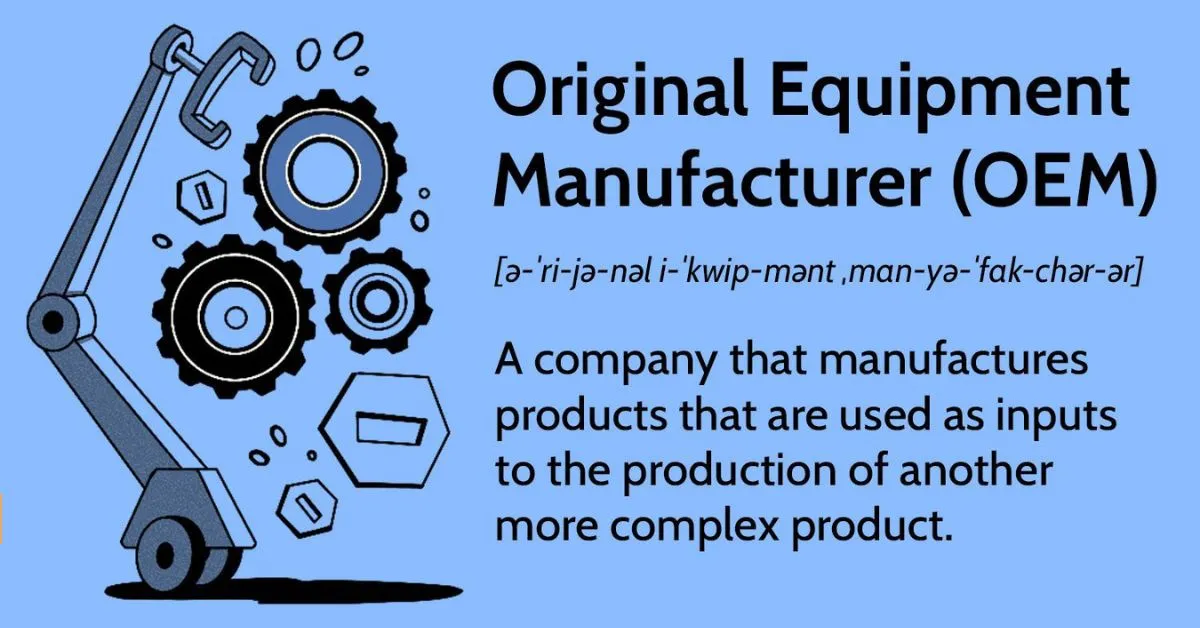
OEM stands for Original Equipment Manufacturer, referring to companies that produce parts or products used in another company’s final product.
Understanding OEM is essential whether you’re a consumer making informed purchases or a business sourcing reliable components.
OEM products are often associated with quality, compatibility, and warranty reliability, which is why many trusted brands choose them over generic alternatives.
However, there’s a lot of confusion around OEM versus aftermarket or generic products, especially in industries like automotive, computers, and electronics.
In this article, we’ll break down everything you need to know about OEM from its definition and industry applications to practical tips for identifying OEM products and making smart buying decisions.
By the end, you’ll have a clear understanding of what OEM really stands for.
What Does OEM Stand For?
The term OEM stands for Original Equipment Manufacturer. In simple terms, an OEM is a company that produces parts, components, or products that are then used or sold by another company under its own brand name. OEMs play a critical role in manufacturing and supply chains across multiple industries, from electronics and computers to automobiles and software.
For example, consider the automotive industry. A car manufacturer like Ford or Toyota may source engines, brakes, or other components from specialized OEM suppliers. While the final car carries the brand of the automaker, many of its parts are produced by OEM companies with the expertise to ensure quality and reliability. Similarly, in the technology sector, major laptop brands like Dell or HP often use OEM CPUs from Intel or AMD. Even software companies provide OEM versions of their products for instance, Microsoft sells OEM licenses of Windows preinstalled on laptops and desktops.
OEM products are distinct from aftermarket or generic products because they are made to meet the exact specifications of the original brand. This ensures compatibility, performance, and often includes warranty coverage. Understanding OEM is essential for consumers who want to make informed decisions about quality and cost, as well as for businesses that need reliable components to maintain product standards.
In the next sections, we’ll explore how OEM differs from aftermarket products and why this distinction matters in everyday purchases.
OEM vs Aftermarket Products
One of the most common questions consumers face is the difference between OEM products and aftermarket products. While both serve similar purposes, they are fundamentally different in origin, quality, and sometimes cost.
OEM products are made by the Original Equipment Manufacturer, specifically to meet the standards of the brand using them. This ensures full compatibility with the final product, whether it’s a car, computer, or appliance. OEM parts typically come with a warranty and are designed to perform reliably for the expected lifespan of the product. For example, a Toyota brake pad from an OEM supplier is guaranteed to fit and function exactly like the original part in your car.
Aftermarket products, on the other hand, are made by third-party companies not affiliated with the original brand. These parts can range from high-quality alternatives to low-cost generic copies. While aftermarket products can sometimes be cheaper, they may vary in fit, durability, and warranty coverage. For example, a generic printer cartridge may work but could risk compatibility issues or shorter lifespan compared to an OEM cartridge.
Choosing between OEM and aftermarket products depends on your priorities. If you value guaranteed performance, reliability, and warranty protection, OEM is usually the safer choice. If budget is a major concern and you can tolerate some variability, aftermarket options might be acceptable.
In the next section, we’ll explore OEM in different industries, highlighting how its use varies from cars to electronics and software.
OEM in Different Industries
OEM products are widely used across multiple industries, each with its own standards and applications. Understanding how OEM functions in different sectors can help consumers and businesses make informed decisions.
1. Automotive Industry:
In cars, OEM parts are crucial for safety and performance. Components like engines, brakes, transmissions, and electronics are often produced by specialized OEM suppliers. While the final vehicle carries the brand of the automaker, many internal parts are made by these manufacturers to ensure reliability. Using OEM car parts guarantees compatibility and reduces the risk of malfunctions compared to generic alternatives.
2. Electronics and Computers:
In electronics, OEMs supply critical components like CPUs, motherboards, and screens. Major brands like Dell, HP, and Apple rely on OEM parts to maintain product quality. OEM also applies to software, where preinstalled operating systems like Windows are provided under an OEM license. This ensures that the software is fully compatible with the hardware and comes with support from the manufacturer.
3. Consumer Goods and Appliances:
Even household appliances and consumer goods often use OEM components. For example, washing machines or refrigerators may include motors, compressors, or circuit boards manufactured by OEM suppliers. These parts ensure consistent performance and long-term durability.
Across all industries, the key advantage of OEM products is standardization components are made to exact specifications for compatibility and quality. Whether it’s a car, laptop, or appliance, OEM parts are designed to meet the original manufacturer’s standards, reducing the risk of errors, failures, or voided warranties.
In the next section, we’ll discuss why OEM products matter, highlighting their benefits for consumers and businesses alike.
Why OEM Products Matter
OEM products matter because they provide reliability, quality, and compatibility factors that are critical for both consumers and businesses. When a product uses OEM parts, you can trust that it meets the exact standards set by the original manufacturer, reducing the risk of malfunction or early wear.
For consumers, OEM parts often mean peace of mind. In the automotive industry, for example, using OEM brake pads or engines ensures that your vehicle performs as intended. Similarly, OEM electronics components in laptops or smartphones guarantee that devices run smoothly and safely. OEM products also often come with warranty coverage, which protects buyers from defects or failures that might occur with cheaper, generic alternatives.
For businesses, OEM suppliers play a key role in maintaining product consistency and brand reputation. Companies that rely on OEM parts can ensure their final products meet quality standards, which is essential for customer satisfaction. OEM components also streamline supply chains by providing ready-to-use, standardized parts, saving time and reducing manufacturing errors.
Cost is sometimes a concern, as OEM products can be more expensive than aftermarket alternatives. However, their long-term value often outweighs the initial price, especially when considering durability, compatibility, and warranty support.
Ultimately, OEM products matter because they protect performance, reliability, and reputation across industries. Whether you’re a consumer or a business, understanding OEM’s importance helps you make smarter purchasing and sourcing decisions.
How to Identify OEM Products
Knowing how to identify OEM products is essential for making informed purchasing decisions. Whether you’re buying car parts, electronics, or software, recognizing genuine OEM items can save you money, prevent compatibility issues, and ensure quality.
1. Check the Packaging and Labels:
OEM products typically come in branded packaging that includes the manufacturer’s logo, product specifications, and serial numbers. Unlike generic or aftermarket alternatives, OEM packaging is often professional, sealed, and includes detailed instructions or documentation.
2. Verify the Part Number or Serial Number:
Most OEM components have unique part numbers or serial codes. These numbers can usually be verified on the manufacturer’s website. For example, a Dell laptop CPU or an Intel processor will have a part number that confirms it’s genuine OEM.
3. Look for Official Documentation:
OEM products often include manuals, warranty information, or certificates of authenticity. For software, OEM licenses are typically tied to the hardware and come with activation keys printed in official documentation.
4. Purchase from Trusted Sources:
Authorized dealers, official retailers, or the manufacturer’s website are the safest places to buy OEM products. Third-party sellers or online marketplaces may sell counterfeit or non-OEM alternatives that look similar but don’t meet the same standards.
5. Observe Quality and Fit:
OEM components are designed to match the specifications of the original product exactly. Poor fit, inconsistent color, or inferior materials may indicate a non-OEM product.
By following these steps, you can confidently identify OEM products, ensuring compatibility, reliability, and warranty protection.
When to Choose OEM vs Aftermarket
Deciding between OEM and aftermarket products depends on your priorities, budget, and the specific application. Both options have advantages, but understanding when to choose one over the other can save money, prevent issues, and ensure long-term performance.
1. When to Choose OEM:
- Compatibility is critical: OEM products are designed to meet the exact specifications of the original equipment, ensuring proper fit and function. This is particularly important for automotive parts, electronics, or software licenses.
- Quality and reliability matter: OEM components often undergo strict quality control, reducing the risk of malfunction or early wear.
- Warranty protection: Many OEM products include warranties that protect your investment, which aftermarket products may not provide.
- High-performance or brand-specific applications: For cars, computers, or appliances, using OEM parts preserves performance and maintains brand standards.
2. When to Consider Aftermarket:
- Budget constraints: Aftermarket products are often less expensive than OEM alternatives, which can be ideal for non-critical components.
- Availability: Some OEM parts may be difficult to find, whereas aftermarket options are more widely available.
- Customization or upgrades: Aftermarket products can offer enhanced performance, design, or features that OEM parts may not provide.
Ultimately, the choice comes down to risk vs. cost. If reliability, warranty, and compatibility are your top priorities, OEM is the safer choice. If budget or customization is more important and you’re willing to accept some variability, aftermarket products can be a viable alternative.
In the next section, we’ll tackle common misconceptions about OEM, clearing up myths that often confuse consumers and businesses.
Common Misconceptions About OEM
Despite its widespread use, OEM is often misunderstood. Many consumers and even some businesses have misconceptions about what OEM products are, how they work, and whether they are worth the investment. Clearing up these myths can help you make smarter purchasing decisions.
Misconception 1: OEM products are always cheaper.
In reality, OEM products are often more expensive than aftermarket or generic alternatives because they guarantee quality, reliability, and compatibility. While aftermarket options can be cheaper, they may lack the precision or warranty that OEM provides.
Misconception 2: OEM products are always higher quality.
While OEM parts are designed to meet manufacturer standards, not all OEM suppliers produce equally high-quality components. However, they are generally more reliable than generic alternatives because they are built to exact specifications.
Misconception 3: OEM means the brand itself made the product.
OEM refers to the original manufacturer of the component, not necessarily the brand selling the final product. For example, a Dell laptop may contain an Intel CPU; Intel is the OEM, even though Dell is the brand you see.
Misconception 4: OEM is only relevant for cars.
OEM products are widely used in electronics, software, appliances, and consumer goods, not just automotive parts. Any industry that relies on specialized components often uses OEM suppliers.
Understanding these misconceptions helps consumers and businesses make informed choices, avoid counterfeits, and balance cost versus quality. Recognizing the truth about OEM ensures smarter purchases, better product performance, and fewer surprises down the line.
FAQs About OEM
Many people have questions about OEM products, especially when comparing them to aftermarket or generic alternatives. Here are some of the most frequently asked questions:
1. Can OEM parts be used in custom-built PCs?
Yes. OEM components like CPUs, motherboards, or graphics cards are fully compatible with custom PCs, as long as the specifications match. However, OEM software licenses, such as Windows, are usually tied to the original hardware and may not transfer easily.
2. Are OEM warranties different from retail warranties?
Often, yes. OEM parts usually come with a warranty from the original manufacturer or supplier, which may differ from a retail warranty in duration or coverage. Always check the warranty details before purchasing.
3. Is OEM always better than aftermarket?
Not necessarily. OEM parts are designed for exact compatibility and reliability, but aftermarket parts can offer cost savings or enhanced features. The choice depends on your priorities quality, budget, or customization.
4. Why do OEM products sometimes cost more?
OEM components are often more expensive because they meet strict manufacturer standards, guarantee compatibility, and include warranty protection. Aftermarket alternatives may be cheaper but can vary in quality.
5. How can I verify a product is OEM?
Check for official packaging, serial or part numbers, documentation, and purchase from authorized retailers or manufacturers. OEM products are labeled clearly and meet the specifications of the original brand.
By answering these common questions, you can make informed decisions, avoid counterfeit parts, and understand when OEM products are the right choice for your needs.
Conclusion
Understanding what OEM stands for Original Equipment Manufacturer is essential for anyone navigating the world of electronics, automobiles, appliances, or software.
OEM products are components or parts made by the original manufacturer and used by brands in their final products.
This ensures compatibility, quality, and reliability, which is why so many businesses rely on OEM suppliers to maintain high standards.
For consumers, choosing OEM products means peace of mind.
Whether it’s a car part, a laptop component, or preinstalled software, OEM items are designed to meet strict manufacturer specifications, often come with warranties, and generally perform better than generic or aftermarket alternatives.
Businesses benefit similarly, as OEM components streamline supply chains, reduce errors, and uphold brand reputation by guaranteeing consistency across products.
However, OEM is not always the cheapest option. It’s important to weigh cost versus quality, warranty, and compatibility.
Aftermarket products may offer savings or customization, but they can sometimes compromise performance or durability. By understanding OEM, consumers and businesses can make smarter choices, avoiding counterfeit or incompatible parts.
In short, OEM matters because it bridges quality, reliability, and trust in the products we use every day.
Whether you’re buying a replacement part, upgrading technology, or sourcing components for production, knowing what OEM truly means will help you make informed, confident decisions.

Amina Khalid is a registered clinical psychologist and certified Behaviour Support Practitioner based in Brisbane, Australia. With a Doctorate in Clinical Psychology and more than a decade of experience supporting families, caregivers, and individuals with complex behavioural needs, she is known for her compassionate approach and evidence‑based practice. Amina also lectures in clinical and counselling psychology and specializes in psychometric assessment and capacity‑building interventions for children and adults.