
In today’s fast-paced digital world, abbreviations and acronyms have become a part of everyday communication.
From texting friends to sending quick updates on social media, shorthand language helps people convey messages faster and more efficiently.
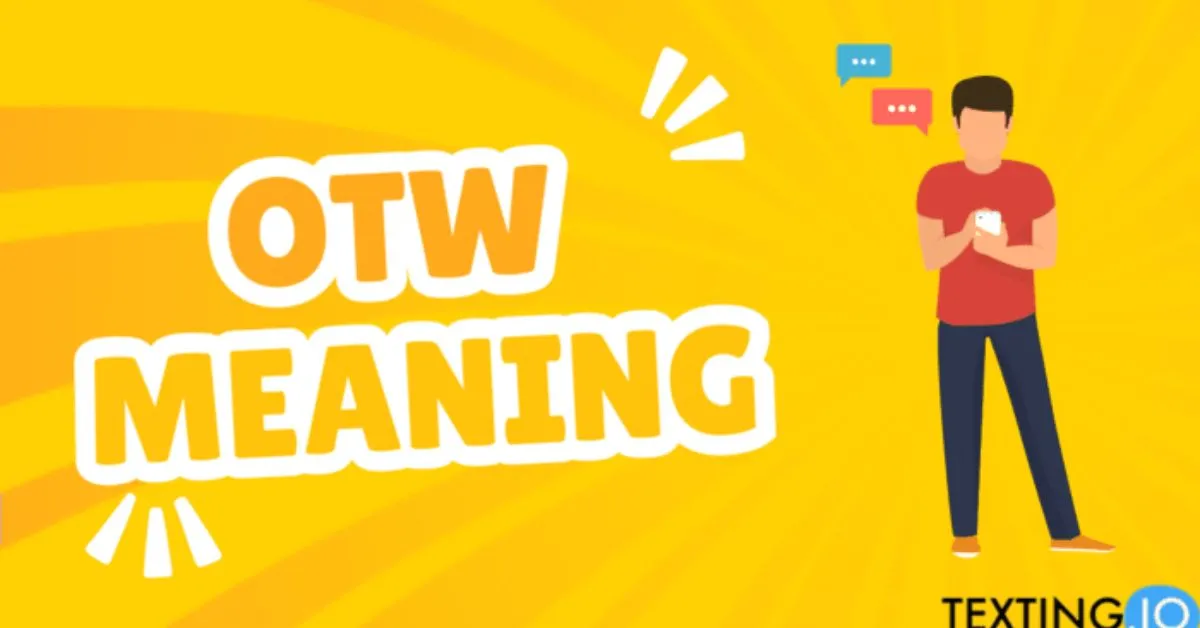
One acronym that has gained widespread use is OTW. If you’ve ever received a message saying “OTW” and wondered what it means, you’re not alone.
Understanding these abbreviations is essential, especially as they appear across texting apps like WhatsApp, Instagram, and even in professional chat platforms.
In this article, we’ll break down what OTW stands for, explore its origins, and show how it’s commonly used in different contexts.
You’ll also find examples, tips on how to respond, and a look at similar texting acronyms. By the end, you’ll be confident in recognizing and using OTW correctly in your everyday digital conversations.
What Does OTW Stand For?
The acronym OTW stands for “On The Way.” It is one of the most commonly used shorthand phrases in texting and online communication. Essentially, when someone types OTW, they are letting the recipient know that they are en route or about to arrive at a specific location. Its simplicity makes it perfect for quick, casual messaging, whether you’re coordinating plans with friends, informing a colleague you’re heading to a meeting, or updating someone on a delivery.
OTW is part of a larger trend of digital abbreviations designed to save time and effort while texting. Unlike longer phrases such as “I am on the way,” OTW conveys the same meaning in just three letters. This makes it particularly popular among younger generations, who often prefer fast and efficient communication in their social media and messaging interactions.
The acronym is versatile and widely understood in both casual and semi-formal contexts. For example, if a friend asks, “Are you coming to the movie?” replying with “OTW” clearly communicates that you’re on your way without needing extra words. In professional settings, OTW can be used in informal work chats or quick status updates, though it’s usually avoided in formal emails.
Overall, OTW is a simple yet effective way to communicate your movement or arrival, reflecting the speed and convenience of modern digital communication.
Origin and Popularity of OTW
The acronym OTW has its roots in the early days of mobile texting and instant messaging. As mobile phones became widespread, people sought ways to communicate quickly without typing full sentences. Abbreviations like BRB (Be Right Back), LOL (Laugh Out Loud), and OTW (On The Way) emerged as a natural solution to this need for speed and efficiency. OTW, in particular, became popular because it succinctly communicates movement or arrival a common topic in daily conversations.
With the rise of smartphones and messaging apps like WhatsApp, Facebook Messenger, and Instagram, OTW saw a surge in usage. Its adoption spread across generations, especially among younger users who preferred shorthand texting over lengthy explanations. Today, OTW is not only limited to text messages but also appears in social media posts, captions, and even comment sections, reflecting its integration into modern digital culture.
Part of OTW’s popularity lies in its simplicity and versatility. It can be used in casual chats with friends, family, or significant others, and even in semi-professional contexts like work chats, as long as the tone remains informal. Its universal understanding ensures that recipients immediately know the sender is on their way, reducing the need for follow-up messages.
As digital communication continues to evolve, acronyms like OTW remain relevant because they save time, maintain clarity, and fit naturally into the fast-paced rhythm of online interactions. Its continued popularity demonstrates how texting language adapts to the needs of modern communication.
Examples of OTW in Texting
Understanding OTW becomes even easier when you see it in real-life texting examples. This acronym is versatile, fitting both casual and semi-formal conversations. Here are some common ways it’s used:
Casual conversation with friends:
- Friend: “Are you coming to the party?”
- You: “OTW, see you in 10 minutes!”
Coordinating with family:
- Parent: “Don’t forget to pick up groceries.”
- You: “OTW, will be home soon.”
Group chat scenario:
- Group member: “Meeting starts at 6 PM. Where are you?”
- You: “OTW, stuck in traffic but almost there.”
Professional or semi-professional chat (informal):
- Colleague: “When will you reach the office?”
- You: “OTW, will be there in 15 minutes.”
Social media or event updates:
- Caption: “OTW to the concert! Can’t wait 🎶”
- Comment: “OTW, see you there!”
Notice how OTW is always used to convey movement or imminent arrival. It’s short, clear, and leaves no ambiguity about your status. One of the key advantages of OTW is that it eliminates the need for longer explanations like “I’m on my way right now” or “Heading there soon,” making communication faster.
Additionally, using OTW can convey urgency or excitement depending on context. For example, sending OTW to a friend for a surprise meetup can create anticipation, while in a work chat, it simply provides a quick status update. By recognizing these patterns, you can use OTW confidently in both casual and slightly formal texting situations.
OTW in Professional and Work Settings
While OTW is widely recognized in casual texting, it also appears in professional environments primarily in informal work communication channels like Slack, Microsoft Teams, or quick text updates. In these contexts, OTW can efficiently convey that you are en route to a meeting, office, or appointment without needing to write a full sentence.
For example, a coworker might message:
- “Can you make it to the conference room for the 10 AM meeting?”
- You could reply: “OTW, see you in 5 minutes.”
In such scenarios, OTW provides a concise and polite update, demonstrating responsiveness while saving time. However, it’s important to note that OTW is best suited for informal or semi-formal communications. In formal emails or official reports, using full phrases like “I am on my way” is generally more professional and appropriate.
The tone of OTW in work settings is usually neutral, simply indicating status rather than expressing emotions. It’s particularly useful for teams that rely on instant updates for coordination, such as delivery services, field staff, or office teams moving between meetings.
Additionally, OTW helps avoid unnecessary back-and-forth. Instead of typing longer explanations about your location or expected arrival, a quick “OTW” conveys the essential information instantly. This brevity aligns with the modern workplace’s emphasis on efficiency and clear communication.
By understanding when and where to use OTW professionally, employees can maintain both clarity and productivity while still leveraging the convenience of texting abbreviations in their workday.
Variations and Similar Acronyms
In texting and online communication, OTW is just one of many acronyms used to save time and convey messages quickly. Understanding similar abbreviations can help you communicate more effectively and avoid confusion. One common acronym related to OTW is ETA, which stands for Estimated Time of Arrival. While OTW indicates that someone is on the way, ETA gives an approximate arrival time, often used in both casual and professional contexts. For example: “ETA 10 minutes” versus simply saying “OTW.”
Other related acronyms include:
- BRB (Be Right Back): Used to indicate a temporary absence.
- TTYL (Talk To You Later): Often used to end a conversation.
- ASAP (As Soon As Possible): Commonly used in work or urgent messaging.
Although these acronyms differ in meaning, they all share the goal of streamlining communication. Choosing the right acronym depends on context and the information you want to convey. For instance, OTW focuses on movement or arrival, while ETA provides timing specifics.
It’s also important to note regional or generational differences. Some users may be more familiar with abbreviations like OTW, while others prefer full phrases. Social media platforms also influence which acronyms are popular. For example, Instagram and Twitter users often favor OTW in captions or updates, while formal work emails rarely use such shorthand.
By knowing OTW and its related acronyms, you can communicate efficiently in both casual and semi-formal settings, ensuring clarity while keeping your messages concise.
Common Mistakes and Misunderstandings
While OTW is simple and widely used, it can sometimes lead to misunderstandings if not used correctly or if the recipient is unfamiliar with texting slang. One common mistake is assuming everyone knows what OTW means. For example, sending “OTW” to someone who doesn’t text frequently or is from an older generation may cause confusion. In such cases, it’s better to use the full phrase, “I’m on the way,” to avoid miscommunication.
Another potential misunderstanding occurs when OTW is used ambiguously. For instance, sending OTW without context can leave the recipient unsure of your exact timing or destination. Adding a brief detail like “OTW, 5 minutes away” can clarify the message.
Some users also overuse acronyms like OTW in professional settings. While OTW can be appropriate in informal work chats, relying on it too much in formal emails, reports, or with clients may appear careless or unprofessional. Knowing the boundaries of where OTW is suitable is key.
Additionally, cultural differences can play a role. Not every region or country uses OTW, and some may interpret acronyms differently. Always consider your audience and context when using abbreviations.
By being mindful of these common mistakes ensuring clarity, providing context, and understanding your audience you can use OTW effectively and prevent miscommunication in both casual and semi-formal conversations.
How to Respond to OTW
Knowing what OTW means is only part of effective texting you also need to understand how to respond appropriately. Responses depend on the context, the relationship with the sender, and the tone of the conversation.
In casual conversations with friends or family, simple acknowledgments work well. For example:
- Friend: “OTW, see you soon!”
- Response: “Great, can’t wait!” or “Awesome, drive safe!”
These replies are friendly, brief, and match the tone of the sender’s message. Adding emojis can also convey enthusiasm or reassurance, such as “👍” or “😊.”
In semi-formal or work-related contexts, responses should be polite and concise. For instance:
- Colleague: “OTW to the office for the meeting.”
- Response: “Thanks for the update, see you soon.”
Here, the reply maintains professionalism while acknowledging the sender’s status. Using OTW in your response is acceptable if the recipient is familiar with texting shorthand. For example: “OTW as well, meeting in 5 minutes.”
It’s also good practice to provide additional context if needed. If traffic or delays are expected, you can expand: “OTW, stuck in traffic, should be there in 10 minutes.” This keeps communication clear and prevents confusion.
Ultimately, responding to OTW is about matching tone, providing clarity, and keeping messages concise. By doing so, you can maintain smooth communication in both personal and professional settings, ensuring the conversation flows efficiently.
OTW in Popular Culture and Media
Beyond everyday texting, OTW has also found its way into popular culture and media, reflecting the growing influence of digital communication on language. Social media platforms like Instagram, TikTok, and Twitter frequently feature OTW in captions, comments, and hashtags. Users often post updates like “OTW to the concert 🎶” or “OTW for brunch with friends 🥞,” using the acronym to quickly convey movement or excitement.
OTW has also appeared in songs and online memes, further embedding it into mainstream digital culture. Musicians and influencers occasionally reference OTW in lyrics, captions, or video content, using it to signal that they are on their way to an event or meeting. Its inclusion in pop culture highlights how shorthand language has evolved from private messaging into a widely recognized form of expression.
Additionally, OTW is commonly seen in content targeting younger audiences, such as gaming streams, lifestyle blogs, and vlogs. For example, gamers might type “OTW to the raid” during live streams, while vloggers may post “OTW to my favorite café” in daily updates. These uses emphasize both the efficiency and casual tone that acronyms like OTW provide.
The popularity of OTW in media demonstrates how digital shorthand is no longer limited to texting but has become part of everyday communication online. Its presence in captions, memes, and entertainment content ensures that people across generations continue to recognize and understand OTW, solidifying its role in contemporary digital language.
Conclusion and Takeaways
In today’s fast-paced digital world, acronyms like OTW have become essential tools for quick and effective communication.
Standing for “On The Way,” OTW allows users to convey movement or imminent arrival in a concise and convenient way.
Whether used in casual conversations with friends, updates in group chats, or informal workplace messaging, OTW simplifies communication without sacrificing clarity.
Throughout this article, we explored the meaning, origin, and rise in popularity of OTW, showing how it evolved from early texting shorthand into a widely recognized part of digital language.
By examining real-life examples, variations, and similar acronyms like ETA or BRB, we highlighted the versatility of OTW and how context shapes its appropriate use.
Understanding common mistakes and potential misunderstandings ensures that OTW is used effectively.
Providing context when needed, responding appropriately, and knowing when it’s suitable in professional versus casual settings helps prevent miscommunication.
Additionally, the presence of OTW in social media, songs, and memes demonstrates its cultural relevance and widespread adoption.
Ultimately, OTW is more than just a three-letter acronym it represents the speed, convenience, and adaptability of modern digital communication.
By learning its meaning, usage, and best practices, you can confidently incorporate OTW into your texting vocabulary, keeping conversations clear, efficient, and in tune with contemporary communication trends.

Amina Khalid is a registered clinical psychologist and certified Behaviour Support Practitioner based in Brisbane, Australia. With a Doctorate in Clinical Psychology and more than a decade of experience supporting families, caregivers, and individuals with complex behavioural needs, she is known for her compassionate approach and evidence‑based practice. Amina also lectures in clinical and counselling psychology and specializes in psychometric assessment and capacity‑building interventions for children and adults.