

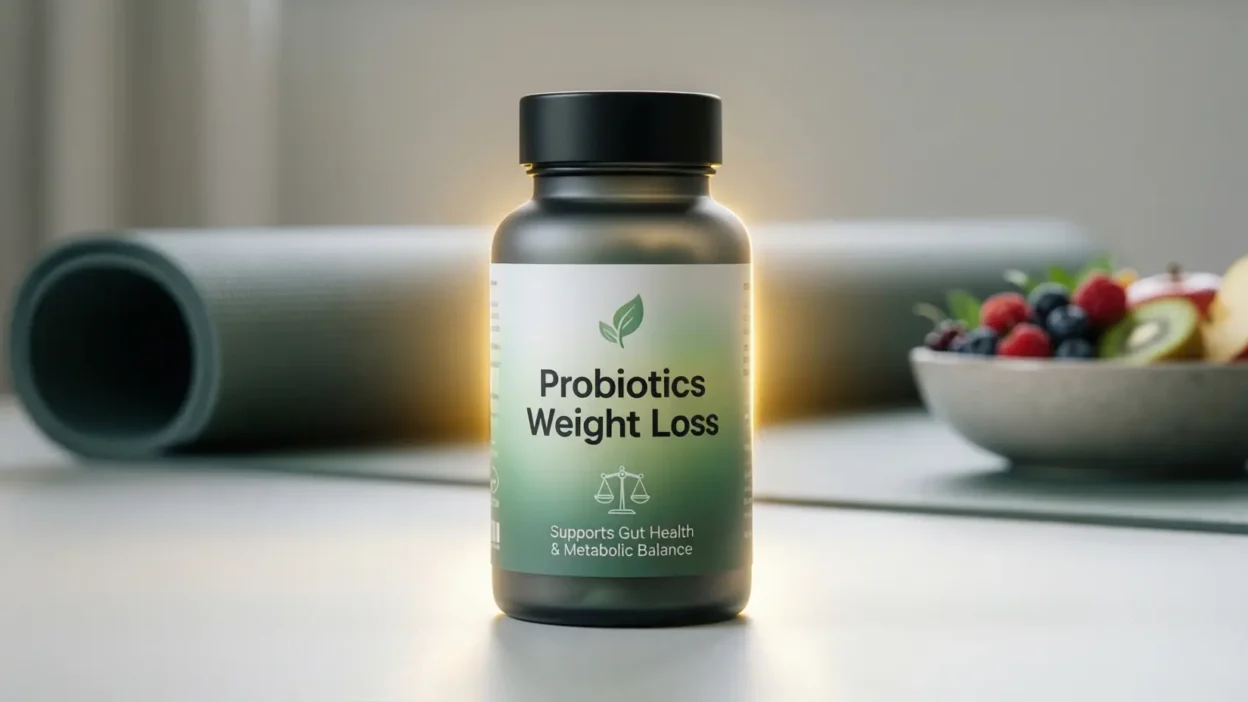
Maintaining a healthy weight goes far beyond diet and exercise—it starts in your gut. Probiotics, the “good bacteria” that live in your digestive system, play a crucial role in digestion, metabolism, and overall gut health.
Emerging research suggests that these tiny organisms can also support weight loss by influencing fat storage, appetite, and inflammation.
From fermented foods like yogurt, kefir, and kimchi to scientifically formulated supplements, probiotics offer natural ways to help your body burn fat more efficiently.
Understanding how probiotics work, which strains are most effective, and how to incorporate them into your daily routine can make a real difference in achieving sustainable weight loss.
In this article, we’ll explore the science behind probiotics, the best foods and supplements to try, lifestyle tips to maximize results, and answer the most common questions about using probiotics for weight management.
What Are Probiotics?
Probiotics are live microorganisms, often called “good bacteria,” that provide health benefits when consumed in adequate amounts. These friendly bacteria naturally live in your gut and help maintain a balanced digestive system, supporting overall wellness. While we often think of bacteria as harmful, probiotics are essential for a healthy gut microbiome—a community of trillions of microorganisms that influence digestion, immunity, and even mood.
There are hundreds of different probiotic strains, each offering unique benefits. Common strains include Lactobacillus, Bifidobacterium, and Saccharomyces boulardii. Some are more effective for digestion, while others may support weight management or immune function. Probiotics are found in fermented foods like yogurt, kefir, sauerkraut, kimchi, miso, and kombucha, as well as in dietary supplements.
Probiotics work by restoring the balance of gut bacteria, improving nutrient absorption, and reducing the growth of harmful bacteria. They can also influence metabolic processes that affect fat storage, appetite, and energy use. By supporting gut health, probiotics create a foundation for better weight management and overall wellness.
Understanding what probiotics are and how they function is the first step in using them effectively for weight loss. In the next section, we’ll explore how probiotics directly influence weight loss and fat metabolism.
How Probiotics Affect Weight Loss
Probiotics can play a significant role in supporting weight loss by influencing metabolism, appetite, and fat storage. Research suggests that a healthy balance of gut bacteria helps your body process nutrients efficiently, leading to better energy use and potentially less fat accumulation. Certain probiotic strains, such as Lactobacillus gasseri and Bifidobacterium breve, have been linked to reductions in belly fat and overall body weight.
1. Boosting Metabolism
Good bacteria help break down food and extract nutrients more effectively, which can enhance metabolism. A well-functioning metabolism makes it easier for your body to burn calories rather than store them as fat.
2. Appetite Regulation
Probiotics can influence hormones like ghrelin and leptin, which control hunger and satiety. By balancing these hormones, probiotics may help reduce cravings and overeating, making weight management easier.
3. Fat Storage Reduction
Some probiotic strains can directly affect fat cells, limiting fat storage and promoting fat breakdown. This effect is especially noticeable in the abdominal area, where stubborn fat tends to accumulate.
4. Reducing Inflammation
Chronic gut inflammation can lead to weight gain and difficulty losing fat. Probiotics help reduce inflammation, which supports healthier digestion and metabolic function.
Probiotic Strains Linked to Weight Loss
Not all probiotics are created equal when it comes to weight loss. Specific strains have been studied for their ability to influence fat metabolism, reduce belly fat, and support overall weight management. Knowing which strains to include in your diet or supplements can help maximize results.
1. Lactobacillus gasseri
This strain is one of the most well-researched for weight loss. Studies suggest it can reduce belly fat and body weight by promoting the breakdown of fat and preventing fat storage. Regular consumption of L. gasseri, found in certain yogurts and supplements, has shown measurable reductions in abdominal fat over several weeks.
2. Lactobacillus rhamnosus
L. rhamnosus supports fat metabolism and helps regulate appetite. Research indicates that women taking this strain experienced greater weight loss compared to those without it. It also works alongside a healthy diet to enhance fat burning and reduce fat accumulation.
3. Bifidobacterium breve
B. breve may help break down dietary fat more efficiently and reduce inflammation in the gut. By supporting digestion and promoting a balanced microbiome, this strain can indirectly contribute to weight loss.
4. Other Supportive Strains
Other probiotics like Lactobacillus plantarum and Bifidobacterium longum also support gut health, digestion, and metabolism, which can aid in weight management over time.
Incorporating these strains through fermented foods or high-quality supplements can help optimize your weight loss journey. However, consistency is key—regular consumption over weeks or months is necessary to see meaningful results.
Probiotic-Rich Foods for Weight Loss
Adding probiotic-rich foods to your diet is one of the easiest ways to support gut health and promote weight loss. These foods contain live bacteria that can help balance your gut microbiome, improve digestion, and enhance metabolism. Regular consumption can complement your diet and exercise efforts.
1. Yogurt and Kefir
Yogurt and kefir are some of the most accessible sources of probiotics. Look for plain, unsweetened varieties with live active cultures. These foods provide strains like Lactobacillus and Bifidobacterium, which have been linked to reduced belly fat and improved digestion. Kefir, a fermented milk drink, contains a wider variety of probiotic strains than yogurt.
2. Fermented Vegetables
Foods like kimchi, sauerkraut, and pickles are excellent plant-based sources of probiotics. They not only support gut health but also provide fiber, which helps keep you full and reduces overeating. Incorporate these as side dishes, snacks, or toppings for meals.
3. Miso and Tempeh
Both miso and tempeh are made from fermented soybeans and are rich in beneficial bacteria. Miso soup or tempeh stir-fries can be easy additions to your weekly meal plan.
4. Kombucha
This fermented tea contains various probiotic strains that support digestion and metabolism. Choose low-sugar versions to avoid excess calories.
Practical Tips
- Include a serving of probiotic food in at least one meal per day.
- Pair with prebiotic foods like garlic, onions, and bananas to enhance probiotic effects.
- Rotate different foods to get a variety of strains for maximum benefit.
Probiotic Supplements: What You Need to Know
While probiotic-rich foods are a natural way to support gut health, supplements can be a convenient option for those looking to target specific strains or boost their intake. Probiotic supplements come in capsules, powders, and liquids, often containing concentrated doses of bacteria like Lactobacillus gasseri, Bifidobacterium breve, and Lactobacillus rhamnosus—strains linked to weight loss.
Choosing the Right Supplement
When selecting a probiotic supplement, look for products that list the specific strains and their colony-forming units (CFUs). A higher CFU count does not always mean better results; the key is choosing clinically studied strains for weight management. Check expiration dates and storage instructions, as probiotics need to remain alive to be effective.
Dosage and Timing
Recommended dosages vary depending on the strain and brand, but many supplements suggest taking 1–2 capsules daily, ideally with meals to enhance absorption. Consistency is critical—benefits may take several weeks to become noticeable.
Safety Considerations
Probiotics are generally safe for most people, but some may experience mild digestive discomfort, such as bloating or gas, when starting supplementation. Individuals with compromised immune systems or chronic illnesses should consult a healthcare professional before use.
Maximizing Effectiveness
Pair supplements with a fiber-rich diet and fermented foods to nourish the probiotics and encourage a healthy gut microbiome. This combination can enhance digestion, reduce inflammation, and support sustainable weight loss.
Lifestyle Tips to Boost Probiotic Benefits
While probiotics are powerful on their own, their effects on weight loss are amplified when combined with healthy lifestyle habits. Supporting your gut through diet, exercise, and stress management ensures that probiotics can thrive and help regulate metabolism, digestion, and appetite.
1. Eat a Fiber-Rich Diet
Prebiotic foods like garlic, onions, bananas, and whole grains feed the beneficial bacteria in your gut. Combining prebiotics with probiotics—called synbiotics—enhances their effectiveness and supports a balanced microbiome, which can improve fat metabolism and reduce cravings.
2. Exercise Regularly
Physical activity promotes a healthy gut by increasing microbial diversity. Even moderate exercise like walking, yoga, or cycling can support probiotic function and help your body burn calories more efficiently.
3. Prioritize Sleep
Poor sleep negatively affects gut health and can disrupt hormones that regulate appetite, such as leptin and ghrelin. Aim for 7–9 hours of quality sleep per night to allow your gut and metabolism to function optimally.
4. Manage Stress
Chronic stress can harm gut bacteria and increase inflammation, which may contribute to weight gain. Techniques like meditation, deep breathing, or mindful hobbies can help maintain a balanced microbiome.
5. Stay Hydrated
Water supports digestion and nutrient absorption, which helps probiotics work effectively. Drinking adequate water also reduces bloating and supports metabolism.
Common Myths About Probiotics and Weight Loss
Probiotics are often misunderstood, and many people have unrealistic expectations about their effects on weight loss. Clearing up these myths can help you use probiotics more effectively and avoid disappointment.
Probiotics Are a Magic Solution
Some believe taking probiotics alone will instantly melt away fat. While probiotics support digestion, metabolism, and gut health, they are not a standalone weight-loss solution. Sustainable results come from combining probiotics with a balanced diet, exercise, and healthy lifestyle habits.
All Probiotics Work the Same
Not all probiotic strains affect weight loss. Specific strains, like Lactobacillus gasseri or Bifidobacterium breve, are linked to fat reduction, while others primarily support digestion or immunity. Choosing the right strains is key for achieving weight-related benefits.
You Will See Results Immediately
Probiotics take time to influence gut health and metabolism. Consistent use over several weeks is necessary before changes in weight or digestion become noticeable. Patience and persistence are essential.
Probiotics Are Only for Digestive Health
While probiotics do improve digestion, their benefits extend beyond the gut. They can influence inflammation, appetite-regulating hormones, and even metabolism—all factors that contribute to weight management.
Supplements Are Better Than Food
Whole foods provide fiber, vitamins, and a variety of bacterial strains, which supplements may not always match. Combining probiotic-rich foods with supplements often provides the best results.
Real-Life Success Stories Case Studies
Many people have experienced significant benefits from incorporating probiotics into their weight loss journey. These real-life examples highlight how gut health can influence metabolism, digestion, and fat reduction.
Belly Fat Reduction
Sarah, a 34-year-old office worker, struggled with stubborn belly fat despite dieting and exercising. She began including probiotic-rich foods like yogurt, kefir, and kimchi in her daily meals, and added a Lactobacillus gasseri supplement. After 12 weeks, she noticed reduced bloating, improved digestion, and a visible decrease in abdominal fat. Her experience shows how targeted probiotic strains can complement traditional weight loss efforts.
Appetite Control
John, a 40-year-old teacher, had difficulty managing cravings, leading to frequent overeating. He started taking a Lactobacillus rhamnosus supplement and combined it with fiber-rich prebiotic foods such as bananas and whole grains. Within two months, he reported reduced hunger between meals, better portion control, and gradual weight loss of 5–6 pounds.
Overall Gut Health and Energy
Maria, a 29-year-old fitness enthusiast, experienced digestive discomfort and slow metabolism. She introduced a combination of fermented foods and a multi-strain probiotic supplement into her routine. Over 10 weeks, she noticed improved digestion, increased energy levels, and steady weight loss, illustrating the broader benefits of a healthy microbiome.
These examples demonstrate that probiotics can support weight loss, but results vary based on individual gut health, diet, and lifestyle. Consistency, the right strains, and complementary healthy habits are key to achieving measurable results.
FAQ:
1. Can probiotics help me lose weight without dieting?
Probiotics can support weight loss by improving gut health, regulating appetite, and reducing inflammation, but they are not a standalone solution. Combining probiotics with a balanced diet and regular exercise yields the best results.
2. How long does it take to see results?
Visible results vary depending on individual gut health, diet, and lifestyle. Most people notice improvements in digestion and energy within 2–4 weeks, while changes in weight or fat distribution may take 6–12 weeks of consistent probiotic use.
3. Are there side effects of taking probiotics?
Probiotics are generally safe, but some may experience mild bloating, gas, or digestive discomfort initially. These symptoms usually subside as the body adjusts. Individuals with compromised immune systems or chronic illnesses should consult a healthcare professional before starting probiotics.
4. Are probiotic supplements better than foods?
Both have benefits. Probiotic-rich foods provide fiber, vitamins, and a variety of bacterial strains, while supplements offer concentrated doses of specific strains for targeted effects. Combining both is often the most effective approach.
5. How should probiotics be stored?
Follow storage instructions carefully. Some need refrigeration, while others are shelf-stable. Proper storage ensures the bacteria remain alive and effective.
Conclusion
Probiotics are more than just “good bacteria”—they are powerful allies in supporting weight loss and overall health.
By improving digestion, balancing gut bacteria, regulating appetite, and reducing inflammation, probiotics create an environment where your body can burn fat more efficiently.
However, it’s important to remember that probiotics are not a magic solution. Sustainable weight loss comes from combining the right probiotic strains with a balanced diet, regular exercise, sufficient sleep, and stress management.
Incorporating probiotic-rich foods like yogurt, kefir, kimchi, sauerkraut, miso, and kombucha can provide natural, effective support for your gut.
Supplements containing clinically studied strains, such as Lactobacillus gasseri, Lactobacillus rhamnosus, and Bifidobacterium breve, can further enhance results, especially when paired with prebiotic foods that nourish these beneficial bacteria.
Consistency is key—regular intake over several weeks is necessary to see measurable changes in digestion, metabolism, and weight.
By understanding the science behind probiotics, choosing the right strains, and adopting gut-friendly lifestyle habits, anyone can take meaningful steps toward achieving weight loss goals.
Probiotics not only support fat reduction but also improve energy levels, digestion, and overall well-being. Start small, stay consistent, and make gut health a priority—your body and metabolism will thank you.

Daniel Johansson is an acclaimed Swedish operatic tenor, celebrated internationally for his powerful voice, dramatic presence, and versatile repertoire spanning from Puccini to Wagner. Born in Småland, Sweden, he trained at the University College of Opera in Stockholm, where he laid the foundation for a distinguished career in classical music and opera performance.