

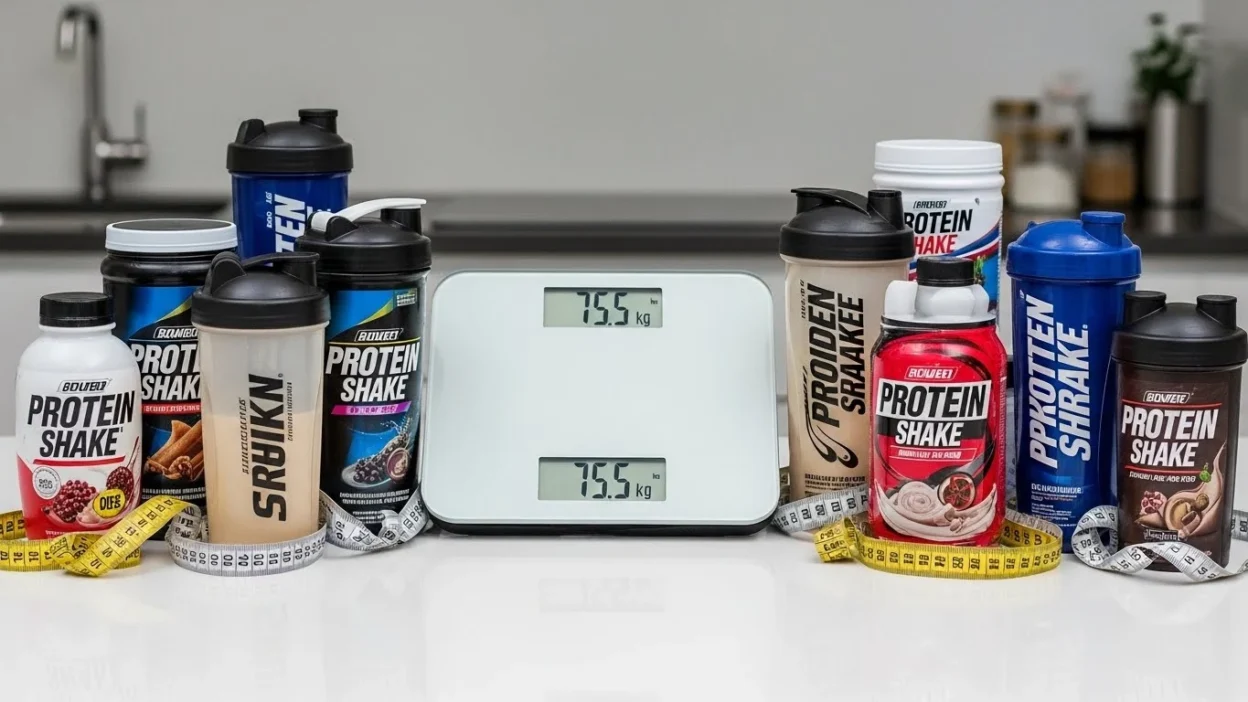
Protein shakes have become a popular tool for those looking to shed pounds and maintain a healthy lifestyle.
Packed with essential nutrients, they offer a convenient and effective way to support weight loss while still keeping you full and energized.
If you’re new to fitness or simply looking for a way to enhance your current routine, protein shakes can play a key role in helping you achieve your weight loss goals.
In this article, we’ll dive into how protein shakes can assist with weight loss, the science behind their benefits, and how to choose the right protein shake for your needs.
We’ll also provide tips on incorporating protein shakes into your daily routine, as well as highlight common mistakes to avoid.
If you’re ready to learn how a protein shake can be a powerful ally in your weight loss journey, keep reading to discover everything you need to know!
Understanding Protein Shakes
Protein shakes are a convenient and efficient way to boost your protein intake, especially when you’re working towards weight loss goals. They typically consist of protein powder, liquid (like water, milk, or plant-based alternatives), and sometimes additional ingredients like fruits, vegetables, or healthy fats. While protein shakes are commonly used by athletes and bodybuilders to support muscle growth and recovery, they can also be a powerful tool for those looking to lose weight.
The science behind protein shakes for weight loss revolves around the role of protein in your diet. Protein is an essential macronutrient that helps build and repair muscles, supports immune function, and plays a key role in metabolism. When it comes to weight loss, protein helps by increasing the feeling of fullness, making you less likely to overeat. It also helps preserve lean muscle mass during a calorie deficit, which is crucial because muscle burns more calories at rest than fat.
Moreover, protein shakes can be a great meal replacement when you’re busy or looking for a low-calorie option. Unlike other weight loss strategies that focus on cutting out entire food groups, protein shakes can supplement your existing meals to provide more balanced nutrition without the extra calories.
By adding a protein shake into your daily routine, you’re not only helping your body recover after workouts but also supporting a healthy, balanced approach to losing weight. Protein shakes can fill the nutritional gaps in your diet, keeping you on track towards your goals.
The Benefits of Protein Shakes for Weight Loss
Protein shakes are more than just a quick source of protein – they offer several key benefits that can support your weight loss journey. Let’s explore the most significant advantages of incorporating protein shakes into your routine:
- Appetite Control
One of the primary reasons protein shakes are so effective for weight loss is their ability to curb hunger. Protein has a powerful satiating effect, meaning it helps you feel fuller for longer. By reducing hunger, protein shakes can prevent overeating and help you stick to a calorie-controlled diet. Whether you drink a protein shake as a meal replacement or a snack, it can make it easier to manage portion sizes and avoid unnecessary snacking between meals. - Muscle Preservation
When you’re trying to lose weight, it’s important to ensure that the weight you’re shedding comes from fat, not muscle. Consuming adequate protein helps preserve lean muscle mass while you’re in a calorie deficit, which is crucial for maintaining a healthy metabolism. Unlike fat, muscle burns more calories even at rest, so preserving muscle during weight loss is essential for keeping your metabolism active and efficient. - Boosting Metabolism
Protein increases the thermic effect of food (TEF), which refers to the energy your body uses to digest, absorb, and process nutrients. This means your body burns more calories just by consuming protein-rich foods and shakes. By incorporating more protein into your diet, you can naturally increase your calorie burn, supporting your weight loss goals. - Convenience and Portability
Protein shakes are incredibly convenient, especially for those with busy lifestyles. They’re quick to prepare, easy to carry, and can be consumed on-the-go, making it simple to maintain a consistent protein intake throughout the day without compromising on your weight loss objectives.
Choosing the Right Protein Shake for Weight Loss
When it comes to choosing a protein shake for weight loss, not all shakes are created equal. With so many options on the market, it’s essential to pick the one that aligns with your goals, dietary preferences, and nutritional needs. Here are key factors to consider when selecting the best protein shake for your weight loss journey:
- Type of Protein
The first thing to consider is the type of protein used in the shake. The most common protein powders are whey protein, casein protein, and plant-based proteins (like pea, soy, or rice protein).- Whey protein is fast-digesting and rich in essential amino acids, making it ideal for post-workout recovery. It’s a great option if you’re looking to build or maintain muscle mass while losing fat.
- Plant-based proteins are an excellent choice for vegans or those with lactose intolerance. They still provide essential amino acids but may require combining different sources for a complete protein profile.
- Casein protein, on the other hand, is slower to digest, making it a good option for providing a sustained release of amino acids, especially overnight.
- Nutritional Profile
Look for protein shakes with low sugar and low-calorie content, especially if you’re using them as meal replacements. Many commercially available shakes contain added sugars or artificial sweeteners, which can derail your weight loss efforts. Choose protein shakes that are high in protein but low in carbs and fats to stay within your desired calorie range. - Ingredients
Avoid protein shakes with added fillers, preservatives, or unnecessary additives. Opt for products that focus on high-quality, minimal ingredients. Check the label for clean protein sources that are free from artificial flavors or sweeteners. - Taste and Texture
Finally, taste and texture play a role in how likely you are to stick with your protein shake routine. Read reviews or try sample packs to find a shake that fits your taste preferences and feels satisfying.
How to Use Protein Shakes for Weight Loss
Incorporating protein shakes into your weight loss plan can be a game changer, but it’s important to use them effectively for the best results. Here are some tips on how to incorporate protein shakes into your daily routine to maximize weight loss:
- When to Drink Protein Shakes
The timing of your protein shake can influence its effectiveness.- Post-Workout: Consuming a protein shake after a workout is one of the best ways to support muscle recovery and reduce muscle breakdown. When your muscles are fatigued after exercise, they need protein to repair and rebuild. Drinking a shake within 30 minutes to an hour after exercising is ideal for muscle recovery.
- As a Meal Replacement: Protein shakes can be used as meal replacements to help you manage calorie intake while still providing your body with essential nutrients. Replace a high-calorie meal with a protein shake that includes healthy fats and fiber for added fullness.
- As a Snack: A protein shake can serve as a satisfying snack between meals, especially if you’re trying to curb cravings or control your appetite. It’s a great option for those who tend to snack on unhealthy options throughout the day.
- How Much Protein Do You Need?
The amount of protein you need depends on several factors, including your weight, activity level, and weight loss goals. Generally, aim for about 0.8 to 1.2 grams of protein per kilogram of body weight for weight loss. If you’re more active or trying to preserve muscle while losing fat, you may need to consume more. For example, a person weighing 150 pounds might aim for about 75 to 120 grams of protein daily. - Customizing Your Protein Shake
While a basic protein shake is effective, you can add extra nutrients to make it more filling and nutritious. Blend in fruits, vegetables, or healthy fats (like avocado or almond butter) for additional fiber and vitamins. This will help keep you full longer and ensure your body gets a balanced array of nutrients.
Common Mistakes to Avoid When Using Protein Shakes for Weight Loss
While protein shakes can be a valuable tool for weight loss, many people make mistakes that can undermine their efforts. To ensure you’re getting the most out of your protein shakes, here are some common pitfalls to avoid:
- Overconsumption of Protein
It’s easy to think that more protein equals faster weight loss, but consuming excessive amounts of protein can actually be counterproductive. While protein is essential for weight loss, too much can lead to an excess calorie intake, which can hinder your fat loss goals. Make sure to monitor your total calorie intake and keep your protein shake portions within your recommended daily needs. Overconsumption can also strain the kidneys over time, especially in individuals with pre-existing kidney issues. - Relying Solely on Protein Shakes
While protein shakes are convenient and effective, they should not be your only source of nutrition. Relying solely on shakes can result in nutrient deficiencies, as they lack the variety of vitamins, minerals, and other essential nutrients found in whole foods. It’s important to maintain a balanced diet with a variety of nutrient-dense foods like fruits, vegetables, lean meats, and whole grains alongside your protein shakes to ensure you’re getting a well-rounded nutrient profile. - Choosing High-Sugar Protein Shakes
Not all protein shakes are created equally. Many commercially available protein shakes are loaded with added sugars or artificial sweeteners to enhance taste. These added sugars can quickly add extra calories and derail your weight loss goals. Always check the ingredient list and choose protein shakes with low sugar content and minimal additives. Opt for shakes with natural sweeteners like stevia or monk fruit if you prefer a bit of sweetness. - Not Staying Consistent
Consistency is key when it comes to weight loss. One-off shakes won’t make much of a difference if you aren’t incorporating them into a regular routine. Make protein shakes a consistent part of your daily diet to support your weight loss efforts, whether that’s through meal replacements, snacks, or post-workout recovery.
Combining Protein Shakes with Exercise for Optimal Weight Loss
While protein shakes can play a significant role in weight loss, combining them with regular physical activity is essential for achieving optimal results. Exercise not only accelerates fat loss but also helps preserve lean muscle mass, which is crucial for a healthy metabolism. Here’s how you can maximize the benefits of protein shakes by pairing them with exercise:
- Strength Training
Strength training, or resistance exercise, is one of the most effective ways to build muscle and burn fat simultaneously. When you engage in strength training, you create tiny tears in your muscle fibers, and protein is crucial for repairing and rebuilding those muscles. Drinking a protein shake after a strength training session ensures that your body has the necessary nutrients to repair muscles, increase strength, and support fat loss. Aim for at least two to three strength training sessions per week, focusing on compound movements like squats, deadlifts, and push-ups to engage multiple muscle groups. - Cardio and Protein Shakes
Cardiovascular exercise, such as running, cycling, or swimming, is excellent for burning calories and improving heart health. When combined with protein shakes, cardio can enhance fat loss while preserving muscle mass. Post-cardio protein shakes help prevent muscle breakdown that can occur with prolonged endurance exercise. If your primary goal is fat loss, consider including moderate-intensity cardio workouts, like brisk walking or steady cycling, in your routine. - Recovery and Muscle Preservation
Protein shakes can also play a role in your overall recovery after exercise. When you’re in a calorie deficit for weight loss, your body may break down muscle for energy. Consuming a protein shake within 30 minutes after exercise helps repair muscle tissue and ensures that you maintain muscle mass while losing fat. This is particularly important for those who want to achieve a leaner, toned physique. - Creating a Balanced Routine
To optimize weight loss and muscle gain, aim for a combination of both strength training and cardio exercises. Including both types of exercise will not only help burn calories but also support muscle growth, making your weight loss more sustainable and healthy. By incorporating protein shakes into your post-workout routine, you’re ensuring your body has the nutrients it needs to recover and build muscle, ultimately helping you reach your weight loss goals more efficiently.
Long-Term Sustainability of Protein Shakes in Weight Loss
While protein shakes can be a great tool for short-term weight loss, the key to successful weight management lies in sustainability. Using protein shakes strategically, while ensuring that they fit into a long-term healthy lifestyle, is crucial for maintaining weight loss over time. Here are some tips to help make protein shakes a lasting part of your routine:
- Incorporate Protein Shakes into a Balanced Diet
For long-term weight loss success, protein shakes should not replace real, whole foods entirely. Instead, they should complement a balanced diet filled with nutrient-rich foods like vegetables, fruits, whole grains, and healthy fats. Focus on whole-food protein sources like lean meats, eggs, and legumes, but use protein shakes as a convenient option to fill in gaps in your diet, especially on busy days or when you’re short on time. - Focus on Portion Control
Consistency in portion control is crucial for sustaining weight loss. Just because protein shakes are a helpful weight loss tool doesn’t mean you should overconsume them. It’s important to stick to a reasonable serving size based on your nutritional needs. Consistently tracking your daily calorie intake, including protein shakes, will help you avoid excess calories that could stall your progress. - Mindful Eating and Lifestyle Changes
Weight loss is not just about what you eat but also how you approach eating. Mindful eating, which includes paying attention to hunger cues and eating slowly, can help prevent overeating. Pairing protein shakes with lifestyle changes, like practicing portion control and eating whole foods, will make it easier to maintain long-term weight loss. - Staying Active
A sustainable weight loss plan includes staying active over time. Regular exercise, along with consistent use of protein shakes to support your muscle mass and recovery, will help you maintain your results. Setting realistic fitness goals and continuing to challenge your body will prevent plateaus and keep your weight loss journey on track.
Additional Tips for Maximizing Weight Loss with Protein Shakes
While protein shakes are an effective tool for weight loss, there are several strategies you can implement to further enhance their benefits. Here are some additional tips to help you make the most of your protein shakes as part of your weight loss plan:
- Add Fiber for Increased Fullness
One of the keys to successful weight loss is controlling hunger. To make your protein shakes even more filling, consider adding fiber-rich ingredients. Fiber slows digestion, promotes satiety, and helps stabilize blood sugar levels, all of which contribute to reducing overall calorie intake. You can add fiber to your shake by including ingredients like chia seeds, flaxseeds, oats, or leafy greens. These additions will help keep you feeling fuller for longer, making it easier to stick to your calorie goals. - Opt for Low-Calorie Add-ins
If you like to experiment with your shakes, try adding low-calorie ingredients that enhance flavor without adding excess calories. Ingredients like cinnamon, cocoa powder, or vanilla extract can elevate the taste of your shake, making it feel like a treat while keeping it in line with your weight loss goals. Be cautious with high-calorie add-ins like nut butters or fruit, as they can increase the total calorie count. - Hydrate Well
Protein shakes, when used correctly, are a great addition to your hydration plan. However, it’s important to remember that staying hydrated is essential for weight loss and overall health. Drinking water throughout the day ensures that your metabolism functions optimally and can help prevent unnecessary hunger. While protein shakes can contribute to your daily fluid intake, they shouldn’t be your primary source of hydration. - Adjust Shakes Based on Progress
As your body adapts to your weight loss plan, it’s essential to periodically assess your protein shake intake. If you hit a plateau or find that you’re no longer seeing results, it may be time to adjust your portion sizes or modify the ingredients. You can also alter the timing of your shakes based on your activity levels, ensuring they continue to support your evolving needs.
How Protein Shakes Help Prevent Muscle Loss During Weight Loss
One of the most significant challenges during weight loss is ensuring that you don’t lose muscle mass along with fat. Losing muscle can slow down your metabolism, making it harder to maintain weight loss in the long run. Protein shakes play a crucial role in preventing muscle loss during weight loss, and here’s how:
- Preserving Lean Muscle Mass
When you’re in a calorie deficit, your body breaks down both fat and muscle for energy. Consuming adequate protein, especially through protein shakes, ensures that your body has enough building blocks to preserve lean muscle. This is important because muscle tissue is metabolically active and burns more calories at rest compared to fat. By preserving muscle, you not only maintain your strength but also keep your metabolism elevated, which aids in continued fat loss. - Post-Workout Recovery
After exercise, especially strength training, your muscles undergo tiny tears. The body needs protein to repair and rebuild these muscle fibers. Protein shakes are an excellent post-workout solution because they provide the necessary amino acids for muscle repair and growth. Drinking a protein shake immediately after a workout helps reduce muscle breakdown and supports muscle synthesis, making sure that you’re not losing muscle during the recovery process. - Balancing Protein Intake Across the Day
It’s not just about drinking a protein shake post-workout; it’s important to spread your protein intake throughout the day to maintain muscle preservation. Instead of consuming one large dose of protein, aim to incorporate moderate amounts of protein (through shakes or meals) at regular intervals. This consistent protein intake keeps your muscles in an anabolic (muscle-building) state, helping you avoid catabolism (muscle breakdown) during your weight loss journey. - Preventing the “Skinny Fat” Look
Many individuals who lose weight quickly without preserving muscle mass end up looking “skinny fat,” meaning they’ve lost fat but not enough muscle to look toned. Protein shakes, when combined with strength training and a balanced diet, help you lose fat while maintaining muscle, resulting in a leaner and more toned physique.
Choosing Between Meal Replacement and Protein Supplement Shakes
When selecting a protein shake for weight loss, it’s important to distinguish between meal replacement shakes and protein supplement shakes. Both serve different purposes, and knowing which type best aligns with your goals can make a significant difference in your results.
- Meal Replacement Shakes
Meal replacement shakes are designed to replace a full meal and typically contain a balance of protein, carbohydrates, fats, vitamins, and minerals. These shakes are formulated to provide a convenient, nutritious alternative when you don’t have time for a whole meal or are looking to manage calorie intake without sacrificing nutrition.- When to Use: Meal replacement shakes are ideal for those who need to reduce their calorie intake without compromising on essential nutrients. They can be a convenient solution for busy individuals who struggle to prepare balanced meals or when you’re trying to lose weight but still want a satisfying, nutrient-dense option.
- Nutritional Consideration: Make sure to select meal replacements with a good balance of protein, fiber, and healthy fats to keep you feeling full for longer. Avoid shakes with excessive sugars or artificial ingredients.
- Protein Supplement Shakes
Protein supplement shakes, on the other hand, primarily focus on delivering high-quality protein, with minimal carbohydrates and fats. They are meant to supplement your existing diet and help you meet your protein requirements, especially for muscle preservation and recovery.- When to Use: Protein supplements are ideal for those who want to increase protein intake to support muscle growth, recovery, or simply to keep hunger at bay. They are especially beneficial after workouts or as a snack.
- Nutritional Consideration: When choosing a protein supplement, look for high-quality protein sources like whey, casein, or plant-based proteins. Pay attention to the protein content per serving, and ensure it meets your daily protein needs.
- Which Is Right for You?
The choice between meal replacement shakes and protein supplement shakes largely depends on your goals and lifestyle. If you need to replace a full meal while losing weight, a meal replacement shake is the better option. However, if your primary goal is to increase protein intake and maintain muscle mass, a protein supplement shake is more appropriate.
How to Choose the Best Protein Shake for Weight Loss
With so many protein shakes available on the market, choosing the best one for your weight loss goals can be overwhelming. However, by considering key factors, you can make a more informed decision and select a shake that aligns with your dietary needs, preferences, and weight loss objectives.
- Check the Protein Source
The source of protein plays a significant role in the quality and digestibility of the shake. Common protein sources include whey, casein, soy, pea, and hemp.- Whey protein is one of the most popular choices for weight loss due to its fast digestion and high bioavailability. It contains all nine essential amino acids, making it a complete protein.
- Plant-based proteins like pea and hemp are great alternatives for those with lactose intolerance or vegans. While they may have a slightly different amino acid profile, they still provide significant muscle-building benefits.
- Casein protein is slower to digest, which can help provide a steady release of amino acids over several hours, making it a good option for overnight muscle recovery.
- Consider the Calorie and Sugar Content
For weight loss, keeping an eye on calorie intake is crucial. Look for protein shakes with moderate calories (usually around 100-200 per serving) and low sugar content. Excess sugar can quickly add unnecessary calories, hindering your weight loss progress. Opt for shakes with less than 5 grams of sugar per serving, and avoid those with added artificial sweeteners, as they can spike cravings and lead to overeating. - Look for Additional Nutrients
Some protein shakes are fortified with additional nutrients like vitamins, minerals, and fiber, which can be beneficial if you’re trying to lose weight and maintain a balanced diet. Fiber can help keep you feeling full longer, while added vitamins and minerals can support overall health during a calorie deficit. Additionally, some shakes may include healthy fats like omega-3s, which can promote fat loss and help balance hormones. - Read the Ingredient List
Always read the ingredient list to avoid shakes that are filled with artificial additives, preservatives, or unnecessary fillers. The fewer ingredients, the better. Choose shakes with clean, whole food ingredients for the most natural and effective nutrition.
When to Drink Protein Shakes for Maximum Weight Loss Results
Timing your protein shake intake correctly can enhance the effectiveness of your weight loss efforts. While protein shakes can be consumed throughout the day, understanding when to drink them can provide added benefits for fat loss, muscle preservation, and overall health.
- Post-Workout
One of the best times to consume a protein shake is immediately after your workout. During exercise, your muscles undergo stress, and tiny tears are created. Protein is essential for repairing and rebuilding muscle tissue. Drinking a protein shake within 30 minutes of finishing your workout ensures that your muscles receive the necessary nutrients for recovery and growth. This timing can also help prevent muscle breakdown, especially if you’re in a calorie deficit for weight loss. - As a Meal Replacement
Protein shakes can also be a convenient option when you need to replace a full meal. If you’re trying to lose weight, replacing a high-calorie, low-nutrient meal with a protein shake can help you stay within your daily calorie target while still feeling full and satisfied. Choose a meal replacement shake that contains not only protein but also healthy fats, fiber, and essential vitamins and minerals to make it a complete, balanced option. - Mid-Morning or Mid-Afternoon Snack
Protein shakes can also work well as a snack between meals, particularly if you’re feeling hungry or need an energy boost. Having a protein shake in the morning or afternoon can help regulate your appetite, stabilize blood sugar levels, and prevent overeating later in the day. By including protein in your snack, you’ll feel fuller for longer, reducing the likelihood of unhealthy food cravings. - Before Bed
If your goal is to preserve muscle mass while losing fat, having a protein shake before bed can be a great option. Casein protein, in particular, is slow-digesting and provides a steady supply of amino acids overnight. This helps with muscle recovery and reduces muscle breakdown during sleep, ensuring that your body stays in an anabolic (muscle-building) state while you rest.
Common Mistakes to Avoid When Using Protein Shakes for Weight Loss
While protein shakes can be an effective tool in your weight loss journey, many people make mistakes that hinder their progress or prevent them from achieving optimal results. Here are some common mistakes to watch out for and how to avoid them:
- Overconsuming Protein Shakes
One of the biggest mistakes people make when using protein shakes for weight loss is consuming too many. Protein shakes are meant to supplement your diet, not replace whole foods entirely. Drinking too many shakes can lead to an excess of calories and protein, which could contribute to weight gain rather than weight loss. Always track your total protein intake and ensure that shakes are a supplement to your balanced meals, not the main source of your daily nutrition. - Relying Solely on Protein Shakes
Some individuals fall into the trap of relying too heavily on protein shakes and neglecting whole foods. While shakes can be a convenient way to increase your protein intake, they shouldn’t replace the essential vitamins, minerals, and nutrients found in fresh fruits, vegetables, whole grains, and healthy fats. A well-rounded diet is key to long-term weight loss success. Ensure you’re getting a variety of whole foods to meet your nutritional needs. - Choosing High-Sugar Protein Shakes
Not all protein shakes are created equal. Some shakes, especially meal replacements, contain added sugars and artificial sweeteners to enhance flavor. These can increase the calorie count and hinder weight loss. Always check the label for sugar content and choose shakes with minimal added sugars. Ideally, select protein shakes with no more than 5 grams of sugar per serving. - Drinking Protein Shakes at the Wrong Time
The timing of your protein shake is crucial for maximizing its effectiveness. Drinking a protein shake at the wrong time, such as right before bed or without pairing it with meals, may not give you the desired benefits. As mentioned earlier, post-workout or as a snack between meals are ideal times to consume protein shakes for weight loss. - Neglecting Hydration
Protein shakes are meant to supplement your diet, but they shouldn’t replace the need for proper hydration. Some people focus so much on their protein intake that they forget the importance of drinking water throughout the day. Staying hydrated is essential for your metabolism and overall well-being, so don’t neglect your water intake while incorporating protein shakes into your routine.
Sustainable Weight Loss: Combining Protein Shakes with a Balanced Diet
While protein shakes are an effective addition to a weight loss plan, long-term success comes from combining them with a well-rounded, nutritious diet. Focusing on sustainable habits and not just relying on protein shakes alone is crucial for maintaining weight loss and improving overall health. Here’s how to integrate protein shakes into a balanced eating plan for lasting results:
- Focus on Whole Foods
Protein shakes should complement a diet rich in whole foods, such as lean meats, fish, eggs, legumes, fruits, vegetables, and whole grains. These foods provide essential nutrients—vitamins, minerals, fiber, and healthy fats—that are important for overall health and long-term weight loss. By focusing on whole, unprocessed foods, you ensure your body receives the full spectrum of nutrients necessary for metabolic function, muscle repair, and fat loss. - Maintain a Calorie Deficit
Weight loss occurs when you burn more calories than you consume. While protein shakes can help reduce hunger and boost metabolism, they still need to fit into your daily calorie goals. Using a calorie-tracking app or consulting with a nutritionist can help ensure that you’re consuming a calorie deficit that is appropriate for your weight loss goals. Protein shakes should support this deficit by promoting satiety without leading to overeating. - Incorporate Regular Exercise
For sustainable weight loss, combining a protein shake regimen with a consistent exercise plan is key. Focus on a mix of cardio and strength training. Cardio exercises, such as walking, running, or cycling, help burn calories, while strength training helps build lean muscle mass, which increases metabolism. Protein shakes are especially beneficial post-workout as they help repair muscles and promote recovery, ensuring that your efforts in the gym are maximized. - Avoid Extreme Diets
Quick-fix diets or extreme calorie restrictions can lead to rapid weight loss, but they often result in muscle loss, nutrient deficiencies, and regaining the weight later on. For sustainable results, aim for gradual weight loss of about 1–2 pounds per week. This approach helps maintain muscle mass while reducing fat, which is the key to keeping the weight off in the long term. - Mindful Eating Practices
Combining protein shakes with mindful eating practices can help you develop a healthy relationship with food. Pay attention to hunger and fullness cues, and aim to eat slowly and without distractions. Mindful eating reduces overeating and helps you stay connected to your body’s nutritional needs. Pairing this with a protein shake routine ensures that you’re fueling your body in a way that supports weight loss and long-term wellness.
Maintaining Motivation During Your Weight Loss Journey with Protein Shakes
Staying motivated throughout a weight loss journey can be challenging, especially when progress seems slow or when temptation arises. Protein shakes can play a psychological role in maintaining motivation by supporting your goals in several ways. Here’s how incorporating protein shakes into your routine can keep you motivated and on track:
- Helps Control Hunger and Cravings
One of the most common reasons people give up on their weight loss efforts is hunger and cravings. Protein is known to help curb hunger and keep you feeling full for longer periods. Drinking a protein shake as a snack between meals or post-workout can prevent overeating and reduce the temptation to snack on unhealthy foods. This feeling of satiety helps you stay focused and resist the urge to give up on your goals. - Builds Consistency and Routine
Consistency is key to successful weight loss. Protein shakes provide a convenient and easy way to stay consistent with your nutrition. Whether it’s starting your day with a shake, having one as a post-workout recovery drink, or using it as a snack to fill the gap between meals, protein shakes can help establish a structured routine. Having a daily habit of protein intake reinforces your commitment to your health and weight loss goals, making it easier to stay on track. - Quick and Easy Nutrient Boost
On days when you’re busy or don’t feel like preparing a full meal, protein shakes offer a quick, nutritious alternative. By keeping your nutrition simple and efficient, you’re less likely to miss meals or compromise on your diet. This convenience helps maintain your motivation, as you know you can still stay on track without the stress of meal prep. - Supports Physical Progress
Seeing and feeling physical changes can be a great motivator to continue your weight loss journey. Protein shakes support muscle recovery and growth, so as you start to notice improvements in your strength and physique, you’ll feel more encouraged. When you see tangible results, whether it’s in muscle definition, increased energy, or improved performance during workouts, it reinforces the idea that your efforts are paying off. - Promotes a Positive Relationship with Food
Many people associate weight loss with deprivation and restriction. However, when you incorporate protein shakes into your routine, you can still enjoy delicious and filling options without feeling deprived. This helps to foster a positive relationship with food and make your weight loss journey feel more sustainable. Enjoying a protein shake can feel like a treat while still being in alignment with your health goals.
How Protein Shakes Support Muscle Preservation While Losing Fat
When you’re trying to lose weight, it’s important to focus not just on reducing fat but also on preserving lean muscle mass. Muscle loss can slow down your metabolism, making it harder to lose weight and maintain a healthy body composition. Protein shakes can play a key role in ensuring that your muscle mass is protected throughout the weight loss process. Here’s how they help:
- Protein is Essential for Muscle Repair and Growth
When you are in a calorie deficit (burning more calories than you consume), your body needs additional support to maintain muscle mass. Protein is the building block of muscle tissue, and when you exercise, especially with strength training, your muscles experience tiny tears that require repair. Protein shakes, particularly those with high-quality protein sources like whey, provide the necessary amino acids for muscle recovery, reducing the risk of muscle loss while you shed fat. - Promotes Satiety Without Compromising Muscle Mass
One of the reasons protein is crucial during weight loss is that it helps with satiety. Protein takes longer to digest compared to carbohydrates or fats, making you feel full for longer. This helps reduce overall calorie intake, making it easier to maintain a calorie deficit without feeling hungry. By incorporating protein shakes into your diet, you can stay full while ensuring you are consuming enough protein to preserve muscle mass. - Boosts Metabolism
Protein has a higher thermic effect compared to fats and carbohydrates, meaning it requires more energy (calories) to digest and metabolize. This is beneficial for weight loss because it helps to slightly boost your metabolism, which can aid in fat burning while also preserving muscle. Drinking protein shakes regularly can help you maintain a higher metabolism during weight loss, making it easier to lose fat while maintaining lean muscle. - Prevents Muscle Breakdown During Exercise
During intense workouts, especially when you are in a calorie deficit, the body may start to break down muscle tissue for energy. This is known as catabolism. Consuming a protein shake after a workout helps to prevent this breakdown by providing your body with the necessary building blocks to repair and rebuild muscles. This is especially true for fast-digesting proteins like whey, which can quickly deliver amino acids to your muscles post-exercise. - Supports Long-Term Weight Loss
Preserving muscle while losing fat helps you achieve a leaner, more toned appearance. It also supports long-term weight loss goals because muscle tissue burns more calories at rest compared to fat. This means the more muscle you have, the more calories your body naturally burns, even when you’re not working out. Protein shakes, combined with strength training, help you build and maintain muscle, ensuring that weight loss results are sustainable.
Choosing the Right Protein Shake for Weight Loss
Not all protein shakes are created equal, and selecting the right one is crucial for supporting your weight loss goals. The market is flooded with a variety of protein powders, each claiming to have unique benefits. Understanding what to look for in a protein shake can help you make an informed decision and choose the best option for your needs. Here’s how to choose the right protein shake for weight loss:
- Look for High-Quality Protein
The first thing to consider is the source and quality of the protein. Whey protein is one of the most popular choices due to its high bioavailability, meaning it’s quickly and easily absorbed by the body. If you are lactose intolerant or prefer plant-based options, pea, hemp, or brown rice protein are great alternatives. Ensure that the protein shake contains at least 20–30 grams of protein per serving to maximize its muscle-preserving benefits. - Check for Low Sugar Content
Many protein shakes, especially meal replacements, are loaded with added sugars to improve taste. However, excess sugar can add unnecessary calories and hinder your weight loss progress. Opt for protein shakes with little to no added sugar, or look for products sweetened with natural alternatives like stevia or monk fruit. Ideally, choose shakes with no more than 5 grams of sugar per serving to keep your calorie count in check. - Consider Fiber and Other Nutrients
A good protein shake for weight loss should offer more than just protein. Fiber is an important nutrient that can help with digestion, curb hunger, and stabilize blood sugar levels. Look for shakes that contain at least 3–5 grams of fiber per serving. Additionally, some shakes include added vitamins, minerals, and healthy fats, which can support overall health and fill in nutritional gaps in your diet. A well-rounded shake will provide a better overall nutritional profile to complement your weight loss plan. - Avoid Artificial Additives and Fillers
Many protein powders contain artificial sweeteners, flavors, and fillers that can be detrimental to your health and hinder weight loss. When choosing a protein shake, opt for natural, clean ingredients. Look for protein powders that use minimal processing and have fewer additives. A simple, natural formula with recognizable ingredients is usually a better choice than one with a long list of chemicals. - Match Your Lifestyle and Preferences
The best protein shake for weight loss is one that fits seamlessly into your lifestyle. If you prefer a quick and easy option, consider a ready-to-drink protein shake or one that mixes well with water or milk. If you enjoy experimenting with flavors, choose a powder that offers a variety of taste options, or one that blends easily into smoothies. Make sure that the protein shake is something you will enjoy and feel comfortable consuming regularly.
Frequently Asked Questions (FAQs)
As protein shakes become a popular addition to weight loss plans, many people have questions about their effectiveness, usage, and best practices. Here are some frequently asked questions to help you better understand how to incorporate protein shakes into your weight loss journey.
1. Can protein shakes help me lose weight?
Yes, protein shakes can aid in weight loss when used as part of a balanced diet and exercise plan. Protein helps increase satiety, reduce hunger cravings, and support muscle maintenance while you’re in a calorie deficit. Additionally, protein shakes can help curb unhealthy snacking and make it easier to maintain a calorie-controlled diet.
2. How many protein shakes should I drink per day for weight loss?
The number of protein shakes you should drink depends on your daily protein needs and dietary goals. Typically, one to two protein shakes per day is sufficient for most individuals, especially if you’re using them as a supplement to your regular meals. However, you should aim to get most of your protein from whole food sources. Consult a nutritionist or use a calorie tracking app to determine how much protein is right for you.
3. Are protein shakes better before or after a workout for weight loss?
Protein shakes can be beneficial both before and after workouts, but post-workout is often the most effective time. After exercise, your muscles are in need of recovery, and consuming a protein shake within 30 minutes to an hour can support muscle repair and growth. Pre-workout shakes can provide energy and help prevent muscle breakdown during exercise.
4. Can I replace meals with protein shakes to lose weight?
Protein shakes can be used as meal replacements if designed for that purpose, especially when they contain a balanced amount of protein, carbohydrates, and healthy fats. However, it’s best to avoid relying solely on shakes for all your meals. Whole foods provide essential nutrients that protein shakes cannot replace, so it’s important to ensure you’re still getting a variety of vitamins and minerals from other sources.
5. Will drinking too many protein shakes hinder my weight loss?
While protein shakes are helpful for weight loss, consuming too many can lead to an excess of calories and protein, which may hinder progress. It’s important to maintain a calorie deficit for weight loss. Drinking more protein shakes than your body needs could lead to overeating, so it’s essential to track your overall intake and not rely solely on protein shakes.
6. What type of protein is best for weight loss?
Whey protein is a popular choice due to its high bioavailability and quick absorption by the body. For those who are lactose intolerant or prefer plant-based options, pea protein, hemp protein, and brown rice protein are excellent alternatives. Choose a protein source that aligns with your dietary preferences and needs.
7. Can protein shakes be part of a long-term weight loss plan?
Yes, protein shakes can be a sustainable part of a long-term weight loss plan when used in moderation and alongside a balanced diet. They can help you maintain muscle mass, control hunger, and boost metabolism. However, it’s important to focus on developing healthy, long-term eating habits that include whole foods, regular exercise, and mindful eating.
Conclusion:
Protein shakes can be an invaluable tool in your weight loss journey, providing multiple benefits that support fat loss while preserving lean muscle mass.
By helping curb hunger, boost metabolism, and promote muscle recovery, protein shakes offer a convenient and effective way to stay on track with your weight loss goals.
However, they should be viewed as a supplement to a balanced diet, not a replacement for whole foods.
Choosing the right protein shake is key to maximizing its benefits. Opt for high-quality protein sources like whey or plant-based proteins, and avoid shakes with excessive sugars or artificial additives.
Look for options that provide essential nutrients like fiber, vitamins, and minerals, helping to create a well-rounded, sustainable approach to weight loss.
Incorporating protein shakes into your daily routine can provide you with the consistency and structure needed to stay committed to your goals.
Whether you’re using them to manage hunger between meals, recover after workouts, or replace an occasional meal, protein shakes can enhance your weight loss efforts.
However, remember that no single food or supplement can work in isolation—weight loss requires a comprehensive approach that includes a balanced diet, regular exercise, and a commitment to healthy habits.
Ultimately, protein shakes are a valuable ally, but long-term success comes from adopting a holistic approach that focuses on consistency, sustainable habits, and overall wellness.
By leveraging the power of protein while staying mindful of your overall nutrition and fitness, you’ll be well on your way to achieving your weight loss goals and maintaining a healthy, active lifestyle.

Elena Moretti is a highly accomplished Italian business executive and Country Business Unit Head for Building Products at Siemens S.p.A., known for her expertise in leadership, digital transformation, smart buildings, and strategic business growth. With a degree in Business Administration from Bocconi University, Moretti has built a distinguished career spanning finance, operations, and executive management in complex engineering‑driven industries.