
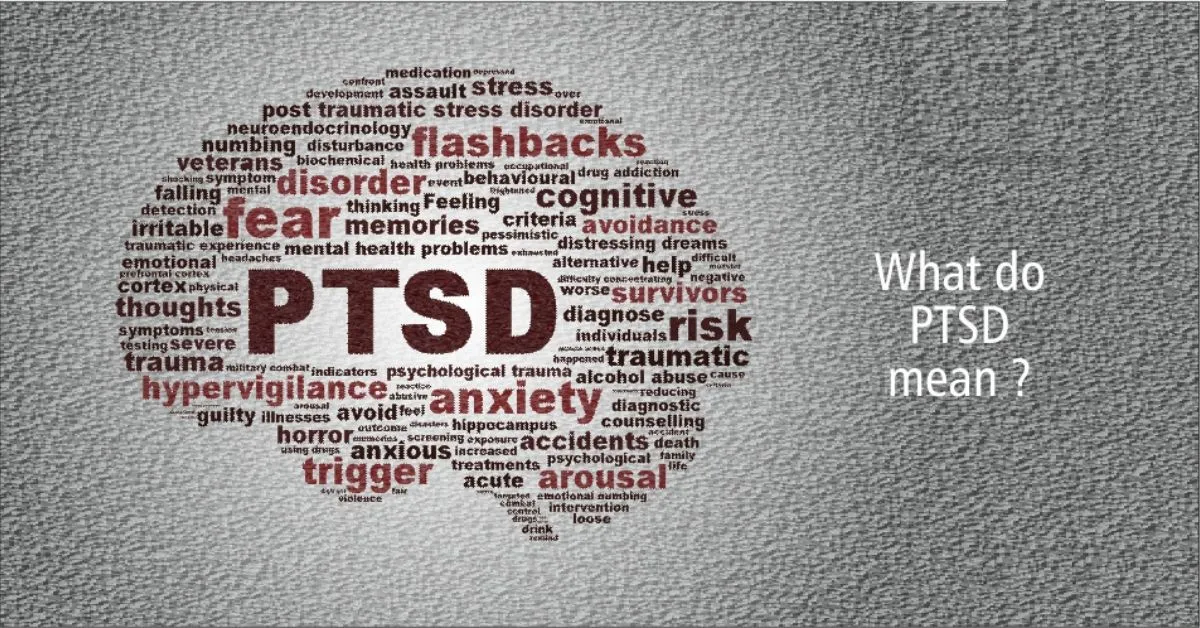
Post-Traumatic Stress Disorder, commonly known as PTSD, is a mental health condition that can develop after experiencing or witnessing a traumatic event.
Despite being widely discussed, many people still misunderstand what PTSD truly means and how it affects those who live with it. PTSD is not a sign of weakness it is a natural response to situations that overwhelm a person’s ability to cope.
From military veterans to survivors of accidents, abuse, or natural disasters, PTSD can impact anyone, regardless of age, gender, or background.
Symptoms often include flashbacks, nightmares, heightened anxiety, and emotional numbness, which can disrupt daily life, relationships, and overall well-being.
Understanding PTSD is crucial, not only to support those affected but also to promote mental health awareness and early intervention.
This article explores what PTSD is, its causes, symptoms, treatment options, common misconceptions, and ways to live a fulfilling life despite the condition.
What PTSD Is and Its Causes
Post-Traumatic Stress Disorder (PTSD) is a mental health condition that arises after a person experiences or witnesses a traumatic event. Trauma can take many forms, such as military combat, physical or sexual assault, serious accidents, natural disasters, or the sudden loss of a loved one. While it is natural to feel fear, sadness, or anxiety after such events, PTSD develops when these reactions persist for weeks, months, or even years, significantly affecting daily life.
PTSD is characterized by four main symptom clusters: intrusive memories or flashbacks of the trauma, avoidance of reminders of the event, negative changes in mood or thoughts, and heightened physical or emotional reactions, such as hypervigilance or irritability. These symptoms are more intense and long-lasting than typical stress responses and can interfere with relationships, work, and overall well-being.
Not everyone exposed to trauma develops PTSD. Risk factors include biological predispositions, such as genetics or brain chemistry, previous mental health conditions, and environmental influences, like lack of social support or repeated exposure to trauma. Statistics show that approximately 7–8% of people in the United States will experience PTSD at some point in their lives, with higher rates among combat veterans, first responders, and survivors of sexual assault.
Understanding the causes and mechanisms of PTSD is essential for recognizing symptoms early and seeking appropriate help. Awareness also reduces stigma, encouraging individuals to reach out for support without fear of judgment.
Symptoms and Signs of PTSD
PTSD affects each person differently, but there are common patterns of symptoms that can help identify the condition. These symptoms are typically grouped into four main clusters: intrusive memories, avoidance, negative changes in thinking and mood, and changes in physical and emotional reactions.
Intrusive memories include recurring, distressing thoughts or flashbacks of the traumatic event. Nightmares and unwanted memories can disrupt sleep and make it difficult to feel safe. Avoidance behaviors involve staying away from places, people, or activities that trigger reminders of the trauma. This can lead to isolation and reduced participation in daily life.
Negative changes in thinking and mood may appear as persistent feelings of fear, guilt, or shame. Individuals with PTSD often experience difficulty remembering aspects of the traumatic event, loss of interest in activities, and a sense of emotional numbness. Changes in physical and emotional reactions, also called hyperarousal symptoms, include irritability, difficulty concentrating, exaggerated startle responses, and sleep disturbances.
The intensity and duration of symptoms vary. Some people may develop acute PTSD, where symptoms appear shortly after trauma, while others experience delayed-onset PTSD, with symptoms emerging months or even years later. Symptoms can also differ by age and gender; for example, children may show signs through play reenactments or clinginess, whereas adults may struggle with work or interpersonal relationships.
Recognizing these signs early is critical for timely intervention. Awareness helps individuals seek professional support, improves coping strategies, and reduces the long-term impact of PTSD on overall well-being.
How PTSD Affects Daily Life
PTSD doesn’t just affect mental health it can significantly impact every aspect of daily life. Individuals living with PTSD often face challenges in emotional, social, occupational, and physical areas, making it harder to function normally.
Emotionally, PTSD can cause persistent anxiety, irritability, and mood swings. People may feel constantly on edge or fearful, even in safe environments. Depression, guilt, and feelings of hopelessness are common, and these emotions can interfere with the ability to enjoy everyday activities or maintain personal motivation.
Socially, PTSD can strain relationships with family, friends, and colleagues. Individuals may withdraw from loved ones, avoid social gatherings, or struggle to trust others. Misunderstandings about the condition can lead to isolation and feelings of loneliness, which further exacerbate symptoms.
Occupationally, PTSD can affect job performance. Difficulty concentrating, memory problems, and fatigue may reduce productivity or lead to absenteeism. Certain triggers at work can provoke stress responses, making it challenging to maintain a stable career.
Physically, the condition can manifest as sleep disturbances, chronic pain, headaches, and a weakened immune system. Heightened stress responses can increase the risk of heart disease and other health complications over time.
The cumulative effect of these challenges can be overwhelming, but with proper support, therapy, and coping strategies, individuals with PTSD can manage their symptoms and regain control over their daily lives. Awareness and understanding from family, friends, and colleagues also play a crucial role in helping those affected lead fulfilling and balanced lives.
Diagnosis of PTSD
Diagnosing PTSD requires a careful evaluation by a qualified mental health professional. Unlike everyday stress or anxiety, PTSD symptoms are persistent, disruptive, and linked directly to traumatic experiences. Early and accurate diagnosis is essential for effective treatment and management.
Mental health professionals typically use criteria outlined in the Diagnostic and Statistical Manual of Mental Disorders (DSM-5). For a PTSD diagnosis, a person must have been exposed to a traumatic event and exhibit symptoms across four key areas: intrusive memories, avoidance, negative changes in thinking and mood, and alterations in arousal or reactivity. Symptoms must persist for more than one month and significantly impair daily functioning.
The diagnostic process often involves clinical interviews, self-report questionnaires, and sometimes input from family members. Tools like the PTSD Checklist for DSM-5 (PCL-5) can help quantify symptom severity and monitor changes over time. Additionally, professionals assess co-occurring conditions, such as depression, anxiety disorders, or substance abuse, which are common in individuals with PTSD.
Early recognition is critical because untreated PTSD can worsen over time, leading to more severe emotional, social, and physical consequences. If you suspect that you or a loved one may be experiencing PTSD, seeking professional help promptly can make a significant difference. Mental health specialists can provide a thorough evaluation, confirm a diagnosis, and develop a personalized treatment plan tailored to the individual’s needs.
Understanding how PTSD is diagnosed also helps reduce stigma and encourages people to reach out for support without fear of judgment.
Treatment and Management of PTSD
PTSD is a treatable condition, and with the right combination of therapies and support, individuals can manage symptoms and lead fulfilling lives. Treatment often involves a combination of psychotherapy, medication, and lifestyle strategies tailored to the person’s needs.
Psychotherapy is the cornerstone of PTSD treatment. Cognitive Behavioral Therapy (CBT) helps individuals identify and change negative thought patterns related to the trauma. Exposure therapy gradually and safely exposes patients to trauma-related memories or situations, reducing fear and avoidance behaviors over time. Eye Movement Desensitization and Reprocessing (EMDR) is another effective approach that helps process traumatic memories and decrease their emotional impact.
Medications can also play an important role. Antidepressants, particularly selective serotonin reuptake inhibitors (SSRIs), are commonly prescribed to reduce anxiety, depression, and intrusive symptoms. Anti-anxiety medications may be used short-term for severe agitation or sleep disturbances. Medication is often most effective when combined with therapy.
Support systems and coping strategies are equally important. Peer support groups, family involvement, and online communities provide understanding, encouragement, and a sense of connection. Lifestyle practices such as mindfulness, regular exercise, journaling, and stress management techniques can help regulate emotions and improve overall well-being.
Early intervention significantly increases the likelihood of recovery. By recognizing symptoms, seeking professional care, and engaging in supportive environments, individuals with PTSD can regain control over their lives. Effective management empowers people to reduce the impact of trauma and rebuild confidence, resilience, and hope.
Common Misconceptions About PTSD
Despite growing awareness, many misconceptions about PTSD persist, often leading to stigma and misunderstanding. Addressing these myths is essential for creating empathy and encouraging those affected to seek help.
Misconception 1: PTSD only affects soldiers or combat veterans. While military personnel are at higher risk due to exposure to combat, PTSD can affect anyone who experiences trauma, including survivors of sexual assault, physical abuse, natural disasters, serious accidents, or life-threatening illnesses.
Misconception 2: PTSD is a sign of weakness. PTSD is not a character flaw. It is a natural response to overwhelming experiences that challenge a person’s ability to cope. The condition reflects the brain’s way of processing trauma, not a lack of resilience.
Misconception 3: PTSD develops immediately after trauma. Symptoms can appear immediately or take weeks, months, or even years to manifest. Delayed-onset PTSD is common, making early recognition and monitoring crucial.
Misconception 4: People with PTSD cannot recover. While PTSD can be long-lasting, effective therapies, medications, and support systems significantly improve quality of life. Many individuals manage symptoms successfully and lead productive, meaningful lives.
Misconception 5: PTSD always looks the same. Symptoms vary by person, age, gender, and the type of trauma experienced. Some may struggle with hyperarousal, while others may experience emotional numbness or avoidance.
By dispelling these myths, society can foster understanding and compassion, reduce stigma, and encourage those living with PTSD to seek professional care without shame. Awareness also empowers friends, family, and communities to provide meaningful support.
Living with PTSD
Living with PTSD presents daily challenges, but with the right strategies, support, and mindset, individuals can regain control over their lives and thrive despite their experiences. The journey often involves learning to manage symptoms, rebuild relationships, and rediscover personal purpose.
Coping strategies are key. Mindfulness techniques, meditation, and deep-breathing exercises can reduce stress and improve emotional regulation. Journaling allows individuals to process thoughts and feelings safely, while maintaining a structured routine can provide stability and a sense of control. Physical activity is another powerful tool; exercise helps release tension, improve mood, and support overall mental health.
Support networks play a crucial role in recovery. Family, friends, and peer support groups offer understanding, encouragement, and accountability. Connecting with others who have experienced similar trauma can reduce feelings of isolation and provide practical coping tips. Mental health professionals guide treatment plans, teach coping mechanisms, and monitor progress over time.
Resilience and self-compassion are essential. PTSD may bring setbacks, but acknowledging progress, celebrating small victories, and allowing oneself patience fosters long-term growth. Over time, individuals can develop a new sense of strength and perspective, often finding purpose in helping others or advocating for trauma awareness.
While PTSD can feel overwhelming, it does not define a person’s life. With consistent care, therapy, and support, individuals can manage symptoms effectively, rebuild confidence, and cultivate meaningful connections, proving that recovery and hope are always possible.
Prevention and Awareness
While it may not always be possible to prevent traumatic events, increasing awareness and implementing early interventions can reduce the impact of PTSD and promote mental well-being. Education and understanding are essential tools in prevention and support.
Early recognition is key. Knowing the signs of PTSD such as intrusive memories, avoidance, negative mood changes, and hyperarousal allows individuals and caregivers to seek help before symptoms worsen. Trauma-informed care in schools, workplaces, and healthcare settings equips professionals to respond appropriately and support those affected.
Mental health education helps combat stigma and encourages open conversations about trauma. By normalizing discussions around PTSD, society can foster an environment where people feel safe admitting their struggles and accessing treatment. Public campaigns, workshops, and online resources all play a role in raising awareness and empowering communities.
Personal resilience and coping strategies are also important. Developing emotional awareness, stress management techniques, and strong support networks can help individuals navigate stressful experiences more effectively. Practices like mindfulness, exercise, journaling, and seeking counseling after traumatic events strengthen coping mechanisms and may reduce the severity of PTSD symptoms.
Community and social support are critical in prevention. Encouraging supportive relationships, offering resources for those at risk, and ensuring access to professional mental health care can mitigate long-term effects of trauma.
Ultimately, prevention and awareness are about fostering understanding, reducing stigma, and equipping individuals and communities with tools to recognize, manage, and support PTSD. Early intervention can make a profound difference in recovery and long-term well-being.
Resources and Support
Accessing the right resources and support is essential for individuals living with PTSD. Professional guidance, community networks, and educational materials can provide tools to manage symptoms, reduce isolation, and promote recovery.
Professional mental health care is the cornerstone of PTSD support. Psychologists, psychiatrists, and licensed therapists can provide individualized treatment plans that may include therapy, medication, or a combination of both. Cognitive Behavioral Therapy (CBT), Eye Movement Desensitization and Reprocessing (EMDR), and exposure therapy are evidence-based approaches commonly used to help patients process trauma and manage symptoms.
Support groups offer a sense of community and shared understanding. Peer-led groups, both in-person and online, allow individuals to connect with others who have experienced similar trauma. These groups provide emotional support, practical coping strategies, and reduce feelings of isolation, helping participants feel less alone in their journey.
Hotlines and crisis services are available for immediate help. For example, in the U.S., the National Center for PTSD and the Veterans Crisis Line provide confidential assistance 24/7. Similar services exist worldwide, offering guidance for those in urgent need.
Educational resources help individuals and their families better understand PTSD. Reputable websites, books, and online courses provide information about symptoms, treatment options, and coping strategies. Learning about the condition empowers both patients and caregivers to make informed decisions and advocate for appropriate care.
By combining professional care, peer support, crisis services, and education, individuals with PTSD can build a robust support network. These resources promote healing, resilience, and the ability to live a meaningful life despite the challenges of trauma.
Conclusion
Post-Traumatic Stress Disorder (PTSD) is a complex mental health condition that affects millions of people worldwide.
Understanding what PTSD means, recognizing its symptoms, and acknowledging its impact on daily life are essential steps toward fostering empathy and supporting those affected.
While PTSD can result from a wide range of traumatic experiences from combat and abuse to accidents and natural disasters it is not a sign of weakness.
It is a natural response to events that overwhelm an individual’s ability to cope.
Awareness is critical. By learning about PTSD, society can reduce stigma, encourage early intervention, and provide the necessary support to those struggling.
Treatment options, including therapy, medications, and coping strategies, have been shown to be highly effective. Support networks comprising family, friends, peer groups, and mental health professionals play a pivotal role in helping individuals manage symptoms and rebuild their lives.

Fyodor Dostoevsky (1821–1881) was a renowned Russian novelist, short story writer, essayist, and philosopher whose works explore human psychology, morality, and existential dilemmas. Best known for classics like Crime and Punishment, The Brothers Karamazov, and The Idiot, Dostoevsky’s writing has influenced literature, psychology, and philosophy worldwide.