

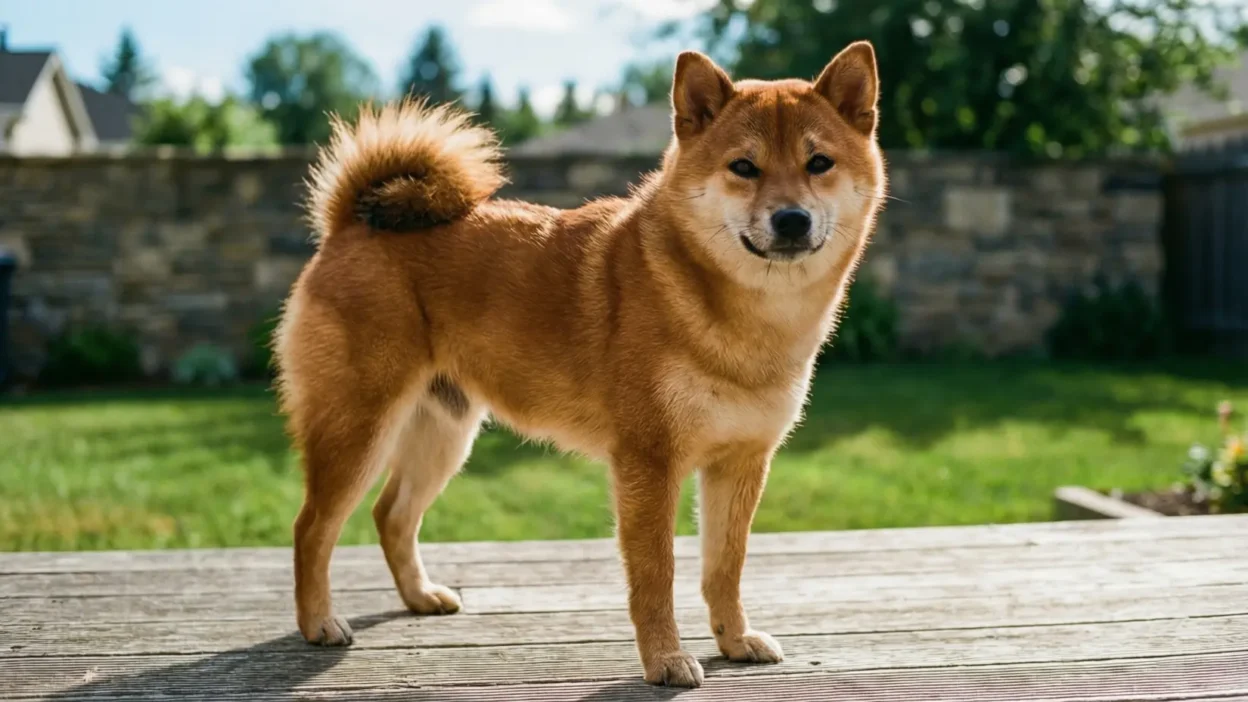
Shiba Inu, the charming and spirited Japanese dog breed, has captured the hearts of dog lovers worldwide.
Known for their fox-like appearance, playful personality, and independent nature, Shibas are small yet strong dogs that require careful care.
One of the most important aspects of keeping a Shiba Inu healthy is monitoring their weight.
Maintaining the ideal weight is crucial not only for their appearance but also for preventing health issues like joint problems, diabetes, and heart conditions.
Many Shiba Inu owners wonder, “How much should my Shiba Inu weigh?” or “What is the ideal weight for a Shiba Inu?” This guide dives deep into the average weight ranges for males, females, and puppies, the factors that affect weight, and practical tips to keep your Shiba Inu fit, active, and healthy throughout their life.
Proper care starts with understanding their weight.
Average Weight of a Shiba Inu
Understanding the average weight of a Shiba Inu is essential for monitoring their health and growth. Shiba Inus are a small-to-medium dog breed, but their ideal weight can vary depending on age, gender, and genetics.
Adult Male Shiba Inu: Adult males typically weigh between 18 to 24 pounds (8 to 11 kg). They usually stand around 14 to 17 inches (35–43 cm) tall at the shoulder. Male Shibas often have a more muscular build compared to females, which can contribute to slight variations in weight.
Adult Female Shiba Inu: Female Shibas are slightly smaller, generally weighing between 15 to 20 pounds (7 to 9 kg), with a height range of 13 to 16 inches (33–41 cm). Despite their smaller size, female Shibas are equally active and energetic, requiring a balanced diet and regular exercise to maintain a healthy weight.
Shiba Inu Puppies: Puppy weight depends heavily on age and genetics. At around 2 months, Shiba puppies may weigh 4–6 pounds (1.8–2.7 kg). By 6 months, they often reach 9–13 pounds (4–6 kg). Growth typically slows after 12 months, and Shibas reach their full adult weight between 12 and 15 months.
It’s important to note that individual Shibas may fall outside these ranges due to their lineage or lifestyle. Regular monitoring, including weighing your dog and checking their body condition, helps ensure they maintain a healthy, ideal weight. Proper diet and daily exercise are essential to prevent obesity or underweight issues, keeping your Shiba Inu happy, active, and healthy.
Factors That Affect Shiba Inu Weight
Several factors influence a Shiba Inu’s weight, and understanding them is crucial for maintaining your dog’s health. While average weight ranges provide a guideline, individual dogs may weigh more or less depending on genetics, lifestyle, and health.
1. Age: Puppies grow rapidly, and their weight increases month by month until they reach adulthood, usually around 12 to 15 months. Senior Shibas may lose muscle mass as they age, which can affect their weight and body condition.
2. Gender: Male Shiba Inus are generally larger and heavier than females. Genetics play a role, but males often have a more muscular frame, while females may be slightly lighter and leaner.
3. Diet and Nutrition: What your Shiba Inu eats significantly affects their weight. Overfeeding or feeding low-quality dog food can lead to obesity, while underfeeding or poor nutrition can cause your Shiba to be underweight. High-protein, balanced diets are ideal for maintaining healthy weight.
4. Exercise and Activity Level: Shiba Inus are energetic dogs that require regular physical and mental stimulation. Dogs that are less active are more prone to weight gain, while active dogs tend to maintain a lean, healthy physique.
5. Health Conditions: Certain medical issues, such as hypothyroidism, diabetes, or digestive problems, can lead to weight changes. Regular veterinary checkups help identify and manage these conditions early.
By understanding these factors, owners can better monitor and manage their Shiba Inu’s weight. Combining proper diet, consistent exercise, and routine health checks ensures your dog remains fit, healthy, and happy throughout their life.
Visual Indicators:
- Ribs and Spine: You should be able to feel your Shiba Inu’s ribs without pressing too hard.If they are extremely visible, your dog could be underweight.
- Waistline: A healthy Shiba Inu has a visible waist when viewed from above. A wide or undefined waist can indicate excess weight, while a narrow or concave waist may suggest underweight.
- Belly Tuck: From the side, the belly should tuck up toward the hind legs.
- Underweight: Lethargy, low stamina, dull coat, and visible bones.
3. Health Risks:
- Underweight dogs may suffer from malnutrition, weak immunity, and low muscle mass.
Regularly checking your Shiba Inu’s body condition, combined with weighing them, helps you spot weight issues before they affect health. Early intervention with diet, exercise, or veterinary guidance ensures your Shiba Inu stays in the ideal weight range, active, and happy.
How to Calculate and Monitor Your Shiba Inu’s Weight
Maintaining a healthy weight for your Shiba Inu requires regular monitoring and accurate measurement. There are several practical methods to ensure your dog stays within the ideal weight range.
1. Weighing at Home:
The easiest way to track weight is by using a reliable digital scale. For small dogs, a bathroom scale works well—step on the scale holding your dog, then subtract your own weight. Weigh your Shiba Inu weekly to track gradual changes rather than daily fluctuations.
2. Body Condition Score (BCS):
The Body Condition Score is a visual and tactile method used to assess your dog’s weight. It evaluates fat coverage over the ribs, waistline, and belly. A Shiba Inu with a healthy BCS should have ribs you can feel without pressing, a defined waist, and a tucked-up belly.
3. Weight Chart Tracking:
Maintaining a weight chart helps monitor your Shiba Inu’s growth and adult weight. For puppies, plot monthly weight gains to ensure steady growth.
4. Vet Checkups:
Regular veterinary visits are essential. A vet can accurately measure your Shiba Inu’s weight, assess body condition, and provide guidance on diet, exercise, or any underlying health issues affecting weight.
By combining home weighing, BCS evaluation, and vet assessments, you can maintain your Shiba Inu’s ideal weight effectively. Consistent monitoring allows early interventions, ensuring your Shiba Inu stays fit, active, and healthy throughout their life.
Maintaining a Healthy Weight
Keeping your Shiba Inu at a healthy weight is crucial for their overall well-being, longevity, and happiness. A balanced combination of diet, exercise, and regular monitoring is the key to achieving this.
1. Balanced Diet:
Feeding your Shiba Inu high-quality dog food with the right mix of protein, fat, and carbohydrates is essential. Follow the recommended portion sizes based on your dog’s age, weight, and activity level. Avoid overfeeding or giving too many treats, as Shibas can easily gain weight due to their small size. For underweight dogs, adding healthy calorie-dense options like lean meats or specially formulated dog food can help.
2. Regular Exercise:
Shiba Inus are naturally energetic and need daily physical activity. Aim for at least 30 to 60 minutes of exercise per day, including walks, playtime, and mental stimulation like puzzle toys or agility exercises. Active Shibas maintain muscle tone, burn calories, and reduce the risk of obesity-related health problems.
3. Routine Monitoring:
Weigh your dog weekly and observe body condition signs like rib visibility, waistline, and belly tuck. Keeping a weight log helps identify trends early and allows adjustments in diet or exercise before problems arise.
4. Veterinary Guidance:
Regular checkups are essential. Your vet can assess your Shiba Inu’s health, provide personalized feeding advice, and recommend supplements or exercise modifications if necessary.
By combining a nutritious diet, consistent exercise, and careful monitoring, you can ensure your Shiba Inu stays within the ideal weight range. A healthy Shiba Inu is more active, happier, and less prone to weight-related health issues, giving you years of joyful companionship.
Common Myths About Shiba Inu Weight
When it comes to Shiba Inu weight, many dog owners believe myths that can lead to improper care or health issues. Understanding and debunking these misconceptions is key to keeping your Shiba Inu healthy.
Myth 1: “All Shiba Inus stay small forever.”
While Shibas are a small-to-medium breed, their weight varies depending on age, gender, and genetics. Puppies grow quickly, and adult Shibas can weigh anywhere from 15 to 24 pounds. Expect natural differences between males and females.
Myth 2: “Overfeeding won’t harm them because they’re active.”
Shiba Inus are energetic, but they can still gain excess weight if overfed. Obesity increases the risk of joint problems, diabetes, and heart conditions, even in active dogs. Portion control and monitoring calorie intake are essential.
Myth 3: “Puppy weight perfectly predicts adult weight.”
While puppy size gives a rough idea, adult weight is influenced by genetics, diet, and exercise. Some puppies grow quickly but remain lean, while others may gain excess weight if not monitored.
Myth 4: “Treats don’t matter.”
Even small treats can add up, leading to unwanted weight gain.
By knowing the truth behind these myths, Shiba Inu owners can make informed decisions about feeding, exercise, and health monitoring. Proper understanding ensures your Shiba Inu grows into a healthy, happy, and well-proportioned adult dog.
Diet & Feeding Tips for Healthy Weight
Proper diet is one of the most important factors in keeping your Shiba Inu at a healthy weight. Feeding the right type and amount of food ensures your dog stays active, lean, and free from weight-related health problems.
1. Choose High-Quality Dog Food:
Select dog food specifically formulated for small-to-medium breeds. Look for options with high protein content, moderate fat, and essential vitamins and minerals. Avoid low-quality fillers, excessive grains, or artificial additives that can contribute to weight gain or poor health.
2. Follow Portion Guidelines:
Overfeeding is a common cause of obesity in Shiba Inus. Stick to the recommended portion sizes based on your dog’s age, weight, and activity level. For adult Shibas, meals are usually divided into two servings per day, while puppies may require three to four smaller meals to support steady growth.
3. Healthy Treats:
Treats are fine in moderation but should not exceed 10% of daily calorie intake. Choose low-calorie options like small pieces of cooked chicken, carrots, or commercial dog treats designed for weight control. Avoid feeding table scraps, chocolate, or high-fat human foods.
4. Monitor and Adjust:
Track your Shiba Inu’s weight and body condition regularly. If your dog is gaining too much or too little weight, adjust the food portions or switch to a diet tailored for weight management.
By providing a balanced diet, controlling portions, and offering healthy treats, you can help your Shiba Inu maintain an ideal weight, enjoy good health, and lead an active, happy life.
Exercise & Activity Recommendations
Regular exercise is essential for keeping your Shiba Inu at a healthy weight. These energetic and intelligent dogs require both physical and mental stimulation to maintain muscle tone, burn calories, and prevent obesity.
1. Daily Walks:
Shiba Inus need at least 30 to 60 minutes of walking per day. Shorter, frequent walks or a single long walk both work well. Walking not only helps burn calories but also provides mental stimulation through new sights, smells, and social interactions.
2. Playtime:
Engage your Shiba Inu in active play sessions. Games like fetch, tug-of-war, and chase help burn energy and strengthen your bond. Shibas are playful and curious, so interactive toys, agility courses, or backyard games are excellent for keeping them physically fit.
3. Mental Stimulation:
Shibas are intelligent and can become bored easily, which may lead to overeating or destructive behavior. Puzzle toys, treat-dispensing games, and training sessions challenge their minds and keep them engaged, complementing physical exercise.
4. Age-Appropriate Activity:
Puppies have bursts of energy and need shorter, frequent play sessions, while adults benefit from longer walks and more intense exercise. Senior Shibas may require gentler, low-impact activities like slow walks or light play to maintain mobility without straining joints.
5. Consistency is Key:
Regular exercise prevents weight gain, reduces anxiety, and keeps your Shiba Inu happy and healthy. Combining daily walks, playtime, and mental challenges ensures your dog maintains a lean physique, strong muscles, and overall well-being.
By integrating these activities into your Shiba Inu’s routine, you can help them stay in their ideal weight range while promoting both physical and mental health.
Shiba Inu Weight in Different Life Stages
A Shiba Inu’s weight changes naturally throughout their life, and understanding these stages is essential for proper care and monitoring.
1. Puppy Stage:
Shiba Inu puppies grow rapidly during their first year. At 2 months, they typically weigh 4–6 pounds (1.8–2.7 kg), increasing to 9–13 pounds (4–6 kg) by six months. Puppies require high-calorie, nutrient-dense meals to support healthy growth.
2. Adult Stage:
Shibas reach their full adult weight between 12 and 15 months. Adult males usually weigh 18–24 pounds (8–11 kg), while females weigh 15–20 pounds (7–9 kg). During adulthood, maintaining a stable weight is critical. Balanced meals, regular exercise, and monitoring body condition prevent obesity and associated health problems.
3. Senior Stage:
Senior Shiba Inus, typically over 8 years old, may experience reduced activity levels and slower metabolism, which can lead to weight gain. They may also lose muscle mass, causing underweight concerns. Adjusting diet portions, focusing on high-quality protein, and offering gentle, low-impact exercise helps maintain ideal weight and overall health in their later years.
By understanding the typical weight patterns at each life stage, Shiba Inu owners can provide age-appropriate care. Regular checkups, tailored diet plans, and consistent exercise ensure your Shiba Inu stays healthy, active, and happy throughout their entire life.
FAQ:
Many Shiba Inu owners have questions about their dog’s weight, growth, and health. Here are some of the most common concerns and expert answers:
1. How much should a 6-month-old Shiba Inu weigh?
At six months, most Shiba Inu puppies weigh between 9–13 pounds (4–6 kg). Weight may vary depending on genetics and diet, so regular monitoring is important.
2. How do I know if my Shiba Inu is underweight?
You can check by feeling the ribs—they should be easily felt without being prominent. A very visible waist or overly tucked-up belly may also indicate underweight.
3. How often should I weigh my Shiba Inu?
For puppies, weekly weighing helps track growth. Adult Shibas can be weighed every 2–4 weeks to ensure they stay within a healthy range.
4. What is the ideal adult weight for a Shiba Inu?
Adult males typically weigh 18–24 pounds (8–11 kg), and adult females weigh 15–20 pounds (7–9 kg). Individual variations are normal, but staying within these ranges is ideal for health.
5. How can I help my Shiba Inu lose weight safely?
Gradually reduce calorie intake, switch to high-quality dog food, limit treats, and increase daily exercise. Consult your vet before making major changes.
By understanding these FAQs, Shiba Inu owners can proactively manage their dog’s weight, ensuring a healthy, active, and happy life. Regular monitoring and proper care are key to long-term health.
Conclusion
Maintaining a healthy weight is one of the most important aspects of caring for your Shiba Inu.
From puppyhood to senior years, weight directly affects their energy, mobility, and overall health.
Understanding the ideal weight ranges for males, females, and puppies allows owners to provide proper nutrition, exercise, and monitoring throughout every stage of life.
Regularly weighing your Shiba Inu, checking their body condition, and observing visual and physical signs ensures that potential weight issues are caught early. Both extremes can shorten your dog’s lifespan and reduce their quality of life.
A balanced approach—including a high-quality diet, controlled portion sizes, daily exercise, and mental stimulation—is essential to keeping your Shiba Inu fit and healthy.
Avoid common myths about Shiba Inu weight, such as assuming all small dogs stay lean or that treats don’t contribute to weight gain. Instead, rely on evidence-based care and regular veterinary guidance.
By monitoring your dog’s weight, providing age-appropriate care, and offering consistent exercise and nutrition, you can help your Shiba Inu live a long, happy, and active life.
Healthy weight management not only improves physical well-being but also enhances behavior, energy levels, and overall happiness.
Ultimately, maintaining your Shiba Inu’s ideal weight is an investment in their health and your bond with this remarkable, spirited breed.

Daniel Johansson is an acclaimed Swedish operatic tenor, celebrated internationally for his powerful voice, dramatic presence, and versatile repertoire spanning from Puccini to Wagner. Born in Småland, Sweden, he trained at the University College of Opera in Stockholm, where he laid the foundation for a distinguished career in classical music and opera performance.