

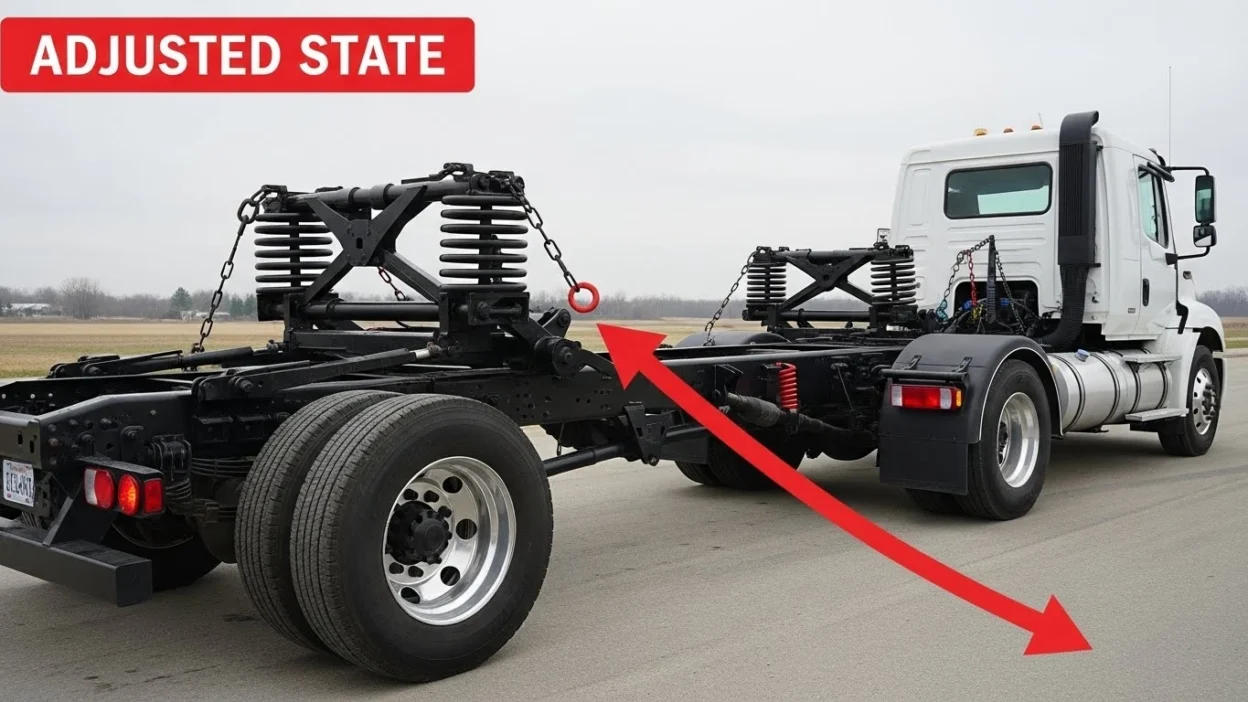
When towing a trailer, one of the most important—but often overlooked—factors for a safe and smooth journey is proper trailer weight distribution.
If you’re hauling an RV, a boat, or a utility trailer, ensuring that the weight is evenly distributed across the trailer and towing vehicle is essential for both performance and safety.
Improper weight distribution can lead to dangerous consequences, including trailer sway, increased stopping distance, and even loss of control.
In this article, we’ll explore the importance of weight distribution, how to properly balance your trailer’s load, and the tools that can help you achieve the ideal setup.
From understanding key terms like tongue weight and gross trailer weight to learning how to use weight distribution hitches, this guide will provide everything you need to ensure that your trailer is loaded correctly and safely before hitting the road.
What Is Trailer Weight Distribution?
Trailer weight distribution refers to the way weight is spread across the trailer and its axles, as well as how it affects the towing vehicle’s ability to safely handle the load. Proper weight distribution ensures that the trailer’s load is balanced, minimizing stress on both the trailer and tow vehicle, while also maximizing stability and control.
At the core of this concept are two critical factors: tongue weight and gross trailer weight. Tongue weight (TW) is the downward force exerted by the trailer’s tongue on the towing vehicle’s hitch, and it typically makes up about 10-15% of the gross trailer weight (GTW)—the total weight of the trailer, including cargo, equipment, and the hitch. Achieving the right balance between the tongue weight and overall trailer weight is key for maintaining control and safety.
Improper weight distribution can cause a variety of issues. Too much weight at the front (heavy tongue weight) can overwhelm the tow vehicle, affecting steering and braking. On the other hand, an overly light tongue weight or too much weight at the back can lead to dangerous trailer sway, especially at higher speeds or in windy conditions. In extreme cases, improper weight distribution can cause the trailer to jackknife or tip over.
Understanding and adjusting your trailer’s weight distribution is vital not just for safe towing, but also for complying with weight regulations and extending the lifespan of both your towing vehicle and trailer.
Why Trailer Weight Distribution Matters
Proper trailer weight distribution is crucial for a variety of reasons—safety, vehicle performance, and even the longevity of your equipment. The way weight is balanced in your trailer directly impacts the stability of the entire towing setup. When the weight is unevenly distributed, it can lead to dangerous driving conditions, including trailer sway and fishtailing.
One of the primary safety concerns is trailer sway. If the weight is too far forward or too far back, the trailer can become unstable, causing it to swing side to side. This is especially dangerous at high speeds or in crosswinds, where it can be hard to regain control. Additionally, an unbalanced load can make it harder to stop, increasing your braking distance and putting additional strain on your vehicle’s brakes.
The towing vehicle’s performance also suffers when weight distribution is off. For instance, too much weight on the front can cause the towing vehicle’s front tires to lose grip, affecting steering. Meanwhile, if the weight is too light, the rear tires may lose traction, reducing your ability to accelerate safely. Both scenarios increase the risk of accidents.
Finally, improper weight distribution causes excessive wear and tear on your equipment. A poorly balanced trailer can damage your tow vehicle’s suspension system and cause premature tire wear, leading to costly repairs. By distributing weight correctly, you not only enhance safety but also help extend the lifespan of both your trailer and towing vehicle.
How to Determine Proper Trailer Weight Distribution
To ensure safe towing, it’s essential to accurately measure and adjust the weight distribution of your trailer. The key factors to consider are tongue weight, gross trailer weight, and the positioning of your load. Here’s how to determine if your trailer’s weight is properly distributed:
1. Weigh the Trailer and Tow Vehicle
The first step in determining your trailer’s weight distribution is to weigh both your trailer and towing vehicle. This can be done at a public scale or a commercial truck scale. Weigh the trailer both empty and fully loaded, and separately weigh the tow vehicle. This will give you the gross trailer weight (GTW), which includes both the trailer’s contents and its own weight.
2. Measure the Tongue Weight (TW)
Tongue weight is critical to balancing your load. It should typically be around 10-15% of your trailer’s GTW. Use a tongue weight scale to measure this force. An underweight tongue can cause instability, while an overly heavy tongue can overwhelm your tow vehicle.
3. Check Axle Load
For precise distribution, you can use an axle-specific scale to measure how the load is distributed across the trailer’s axles. Aim for a balanced load, with weight spread evenly between the front and rear axles of the trailer.
4. Adjust the Load
If the weight distribution isn’t right, adjust your cargo. Shift heavier items toward the center or closer to the trailer axle, and ensure that lighter items are distributed evenly across both sides.
Weight Distribution Tools and Equipment
Achieving the correct trailer weight distribution often requires specialized tools and equipment. These tools not only help you measure the weight but also ensure that the load remains balanced throughout your journey. Here are some essential tools for managing trailer weight distribution:
1. Weight Distribution Hitch (WDH)
A weight distribution hitch is one of the most effective tools for evenly distributing the load between your tow vehicle and trailer. It uses spring bars and a shank to transfer some of the tongue weight to the towing vehicle’s front axle, helping to keep the vehicle’s steering and braking performance stable. Many WDHs come with sway control mechanisms to prevent dangerous trailer sway. Selecting the right WDH depends on your trailer’s weight and the towing vehicle’s specifications.
2. Tongue Weight Scale
A tongue weight scale is a simple yet essential tool for measuring the downward force exerted by the trailer on the tow vehicle’s hitch. These scales are typically digital or mechanical, and they help ensure that the tongue weight is within the recommended range (10-15% of the trailer’s total weight). Keeping this measurement accurate is crucial for preventing instability while towing.
3. Axle Weighing System
For more precise weight distribution, axle-specific weighing systems can measure the load on each axle of the trailer. These systems provide detailed readings to help you adjust the load distribution for optimal towing performance. Some scales are portable, while others are installed at truck weigh stations.
4. Load Bars and Straps
To physically secure the load, load bars and ratchet straps are essential for ensuring that heavy cargo remains evenly distributed across the trailer. These tools prevent shifting during travel, which could affect the trailer’s balance.
Common Mistakes in Trailer Weight Distribution
Even experienced towers can make mistakes when loading and distributing weight in a trailer. These errors can lead to dangerous situations on the road, affecting both safety and the performance of your towing vehicle. Here are some of the most common mistakes to avoid:
1. Overloading the Trailer
One of the most frequent mistakes is exceeding the gross trailer weight (GTW) or the gross axle weight rating (GAWR). Overloading a trailer can result in poor handling, increased braking distance, and potential damage to both the trailer and tow vehicle. Always check your trailer’s specifications and ensure you don’t exceed the recommended weight limits.
2. Incorrect Tongue Weight
The tongue weight is crucial for stability, and many people either underweight or overload the trailer’s tongue. If the tongue weight is too light, the trailer can sway or fishtail, especially in windy conditions or at high speeds. Conversely, too much tongue weight can overload the rear axle of the tow vehicle, causing poor steering and braking performance. Aim for 10-15% of the GTW as tongue weight for a balanced ride.
3. Poor Load Distribution
Loading all heavy items at the front or back of the trailer can throw off the balance and increase the risk of sway. To maintain a stable setup, load heavier items toward the center of the trailer and distribute weight evenly from side to side. Use load bars and straps to prevent cargo from shifting during travel.
4. Skipping a Weight Distribution Hitch
Some towers overlook the need for a weight distribution hitch (WDH). This tool is essential for evenly distributing weight and preventing trailer sway, especially with larger loads. Using a WDH can significantly improve stability and safety.
How to Maintain Proper Trailer Weight Distribution
Ensuring that your trailer’s weight distribution remains balanced isn’t a one-time task. Regular maintenance and monitoring are necessary to keep things safe and functional, especially as you use the trailer more frequently or for different loads. Here’s how you can maintain proper weight distribution:
1. Regularly Check Tongue Weight
As you load and unload your trailer, the tongue weight can shift, so it’s important to measure it regularly. Use a tongue weight scale every time you prepare for a trip to ensure it remains within the recommended range (10-15% of the trailer’s total weight). If the tongue weight is too light or too heavy, adjust your load accordingly.
2. Recheck Load Distribution After Every Haul
After every trip, reassess the placement of heavy items in your trailer. Over time, cargo can shift, leading to uneven weight distribution. Reorganize your load as needed, ensuring that heavy items are positioned closer to the center and lighter items toward the edges. This will help maintain balance during future trips.
3. Inspect Your Weight Distribution Hitch (WDH)
If you’re using a weight distribution hitch (WDH), inspect it regularly for wear and tear. Check the springs, bars, and hitch components to ensure they are working properly and securely attached. A malfunctioning WDH can lead to unstable towing and reduced safety.
4. Monitor Tire Pressure and Trailer Condition
Improper tire pressure or wear can affect the trailer’s ability to carry a balanced load. Always check tire pressure before each journey and inspect tires for damage. Proper tire maintenance ensures that weight is distributed evenly across the axles.
The Impact of Improper Trailer Weight Distribution on Towing Performance
Improper weight distribution can have a significant impact on towing performance, leading to reduced safety, poor handling, and even vehicle damage. Understanding the effects of an unbalanced load is crucial for ensuring smooth and safe travels. Here’s how improper trailer weight distribution affects towing performance:
1. Loss of Steering Control
When the trailer’s weight is not properly distributed, it can overwhelm the tow vehicle’s rear axle. This leads to a loss of traction on the rear tires of the towing vehicle, which diminishes steering control. A loss of control can make it harder to maneuver in tight spaces, change lanes, or navigate curves. In severe cases, it could lead to an accident, especially on highways.
2. Trailer Sway and Fishtailing
One of the most dangerous effects of improper weight distribution is trailer sway. When the trailer’s load is too far forward or back, it can start to sway side to side, often exacerbated by wind or sudden steering maneuvers. This fishtailing is not only unsettling but can cause the entire towing setup to become unstable. Trailer sway can be difficult to control and may even lead to a jackknife, where the trailer and tow vehicle collide.
3. Increased Braking Distance
Improper weight distribution can also increase the braking distance of both the trailer and tow vehicle. A poorly balanced load can place excess pressure on the towing vehicle’s braking system, making it harder to stop quickly. In emergencies, this extended stopping distance can be the difference between avoiding an accident and a collision.
How to Troubleshoot Weight Distribution Issues
If you’re experiencing instability or handling issues while towing, it’s crucial to identify and troubleshoot weight distribution problems. Understanding common symptoms and knowing how to fix them will help you achieve a safer towing experience. Here are some steps to troubleshoot weight distribution issues:
1. Check for Trailer Sway
If your trailer is swaying or fishtailing while towing, it’s a sign that your load is improperly distributed. First, check the tongue weight. If it’s too light, the trailer will be more prone to sway, particularly in windy conditions or when changing lanes at higher speeds. To fix this, redistribute weight towards the front of the trailer, keeping the load balanced.
2. Uneven Ride Height of the Tow Vehicle
If the rear of your tow vehicle appears to be sagging or the front end is raised, it may indicate improper weight distribution. This often occurs when the tongue weight is too heavy for the towing vehicle or the gross trailer weight exceeds the vehicle’s towing capacity. You can fix this by adjusting the trailer’s load and ensuring it’s within the vehicle’s specifications. Additionally, installing a weight distribution hitch (WDH) will help balance the load.
3. Check for Uneven Tire Wear
If you notice uneven tire wear on either the trailer or the towing vehicle, it could be a sign of improper weight distribution. This happens when one side of the trailer or vehicle is bearing more weight than the other. To correct this, recheck the load distribution and ensure it’s balanced across both sides of the trailer.
4. Test Braking Performance
If your braking performance is sluggish or requires more effort, the issue may be an unevenly distributed load. This often places more pressure on the vehicle’s braking system. Recheck the load balance and make adjustments accordingly.
Advanced Techniques for Optimizing Trailer Weight Distribution
To enhance the safety and performance of your towing setup, consider these advanced techniques for fine-tuning your trailer’s weight distribution. These strategies go beyond the basics and ensure that your towing experience is as smooth and efficient as possible.
1. Use a Weight Distribution Hitch (WDH) with Sway Control
A Weight Distribution Hitch (WDH) is a powerful tool for distributing weight evenly between your tow vehicle and trailer. Opt for a WDH that includes sway control mechanisms. These systems help reduce trailer sway by applying friction to prevent side-to-side motion. This is particularly beneficial when towing larger trailers or in windy conditions.
2. Adjust the Load for Optimal Axle Placement
While loading your trailer, ensure that the heavier items are placed over or slightly in front of the trailer’s axle. This prevents the trailer from becoming tail-heavy, which can lead to instability. You may need to shift the load forward or back depending on the size and weight of your trailer. Fine-tuning the placement of cargo ensures that the weight is distributed evenly across the axles.
3. Invest in Air Suspension or Load-Leveling Systems
For heavier loads, consider installing air suspension systems or load-leveling kits in your towing vehicle. These systems adjust the height and support of your vehicle to compensate for the extra weight. They help maintain a more even stance, improving handling, braking, and overall stability while towing.
4. Monitor Weight Distribution Regularly
When towing different loads or using your trailer for various purposes, regularly check the tongue weight and load distribution. Use a tongue weight scale and axle load scales to confirm that the weight is evenly distributed, even after long trips or changes in cargo.
Legal and Regulatory Considerations for Trailer Weight Distribution
When towing a trailer, it’s not just about safety and performance—it’s also about staying compliant with local and national regulations. Proper trailer weight distribution is often governed by laws that limit the amount of weight a vehicle and trailer can carry. Here’s what you need to know about the legal aspects of trailer weight distribution:
1. Towing Capacity and Gross Vehicle Weight Rating (GVWR)
Each tow vehicle and trailer has a Gross Vehicle Weight Rating (GVWR), which is the maximum weight the vehicle is legally allowed to tow, including the weight of the trailer and its cargo. Exceeding this weight can result in fines, damage to your vehicle, and unsafe driving conditions. Always check the manufacturer’s specifications for both your tow vehicle and trailer to ensure that you stay within legal limits.
2. State-Specific Weight Regulations
Different states and regions may have their own towing laws, which include weight limits for trailers and the distribution of that weight. Some states may require a permit for heavy or oversized loads, while others may enforce specific restrictions based on the number of axles or vehicle configuration. Be sure to research local laws, especially if you’re traveling long distances or crossing state lines.
3. Safety Chains and Additional Regulations
In addition to weight limits, there are other regulatory requirements related to safety chains, brake systems, and lighting for trailers. For instance, some jurisdictions mandate that trailers over a certain weight must have an electric brake system. Failing to comply with these regulations can result in fines and increased risk of accidents.
4. Weigh Stations and Checkpoints
In some areas, you may be required to stop at weigh stations for inspection, especially when carrying large or commercial loads. These stations help ensure that your load is legally distributed and within safe limits.
The Benefits of Proper Trailer Weight Distribution
Ensuring that your trailer’s weight is distributed correctly offers several key benefits, both for safety and for the longevity of your equipment. Understanding the advantages of proper weight distribution can help you make better decisions when towing. Here are some of the most notable benefits:
1. Improved Towing Stability
Properly distributed weight helps keep both the trailer and tow vehicle stable on the road. When the load is balanced, the trailer is less likely to sway or fishtail, providing a smoother and more controlled towing experience. This leads to enhanced steering control, especially when navigating sharp turns, winding roads, or driving in windy conditions.
2. Enhanced Safety
Safety is the most important reason for ensuring proper weight distribution. An unbalanced trailer can lead to dangerous driving situations, such as loss of control or jackknifing. By maintaining an appropriate tongue weight (10-15% of the trailer’s total weight) and evenly distributing cargo, the risk of accidents is significantly reduced.
3. Extended Vehicle and Trailer Lifespan
When weight is not properly distributed, it can cause uneven strain on the tow vehicle’s suspension, tires, and braking system. Over time, this may lead to premature wear and tear or even mechanical failure. Proper weight distribution helps ensure that these components work within their design limits, increasing the lifespan of your tow vehicle and trailer.
4. Better Fuel Efficiency
Proper weight distribution can also improve your towing vehicle’s fuel efficiency. When weight is evenly distributed, the vehicle’s suspension and brakes are not overloaded, allowing it to maintain a more efficient fuel consumption rate. Additionally, when the trailer is stable, it creates less drag, which also contributes to better fuel economy.
FAQ:
1. What is the ideal tongue weight for a trailer?
The ideal tongue weight is generally 10-15% of the total weight of the trailer. Too little tongue weight can cause instability and sway, while too much can overload your tow vehicle’s rear axle and affect handling.
2. How do I know if my trailer weight distribution is off?
Signs of improper weight distribution include trailer sway, loss of steering control, uneven ride height of the tow vehicle, and increased braking distance. If you notice any of these issues, it’s essential to check your load and adjust it accordingly.
3. Can I use a weight distribution hitch on any trailer?
Weight distribution hitches are designed for trailers that are at least 3,000 pounds. They work best for trailers with a high tongue weight and are especially helpful for larger trailers. Consult your manufacturer’s recommendations to see if a WDH is right for your setup.
4. How often should I check my trailer’s weight distribution?
It’s advisable to check your trailer’s weight distribution before each trip, especially if you’re hauling a new load. Additionally, regularly inspect the load during your journey to ensure nothing has shifted and your trailer remains balanced.
Conclusion:
Maintaining proper trailer weight distribution is not just a matter of convenience—it’s a fundamental factor in ensuring the safety, efficiency, and longevity of your towing experience.
If you’re towing a small utility trailer or a large RV, understanding the principles of weight distribution can make all the difference.
Properly distributing weight ensures that both your tow vehicle and trailer perform at their best.
It allows for smoother, more controlled handling, reduces the risk of dangerous situations like trailer sway or jackknifing, and helps to maintain optimal braking performance.
Additionally, it reduces the wear and tear on your vehicle, trailer, and tires, saving you money on repairs and replacements in the long run.
Moreover, with the proper distribution, you can improve your fuel efficiency by reducing the load on your vehicle’s engine and minimizing drag from the trailer.
This is an often-overlooked benefit that can lead to significant savings, especially on long trips.
Finally, always be mindful of the legal and regulatory aspects of towing, including weight limits and safety requirements.
By adhering to these laws and regularly checking your load, you can avoid costly fines and, more importantly, ensure your own safety and the safety of others on the road.
By following the guidelines and tips shared in this article, you’re taking the necessary steps toward safer, more efficient, and more enjoyable towing. Remember, a well-balanced trailer is a happy trailer.

Amina Khalid is a registered clinical psychologist and certified Behaviour Support Practitioner based in Brisbane, Australia. With a Doctorate in Clinical Psychology and more than a decade of experience supporting families, caregivers, and individuals with complex behavioural needs, she is known for her compassionate approach and evidence‑based practice. Amina also lectures in clinical and counselling psychology and specializes in psychometric assessment and capacity‑building interventions for children and adults.