

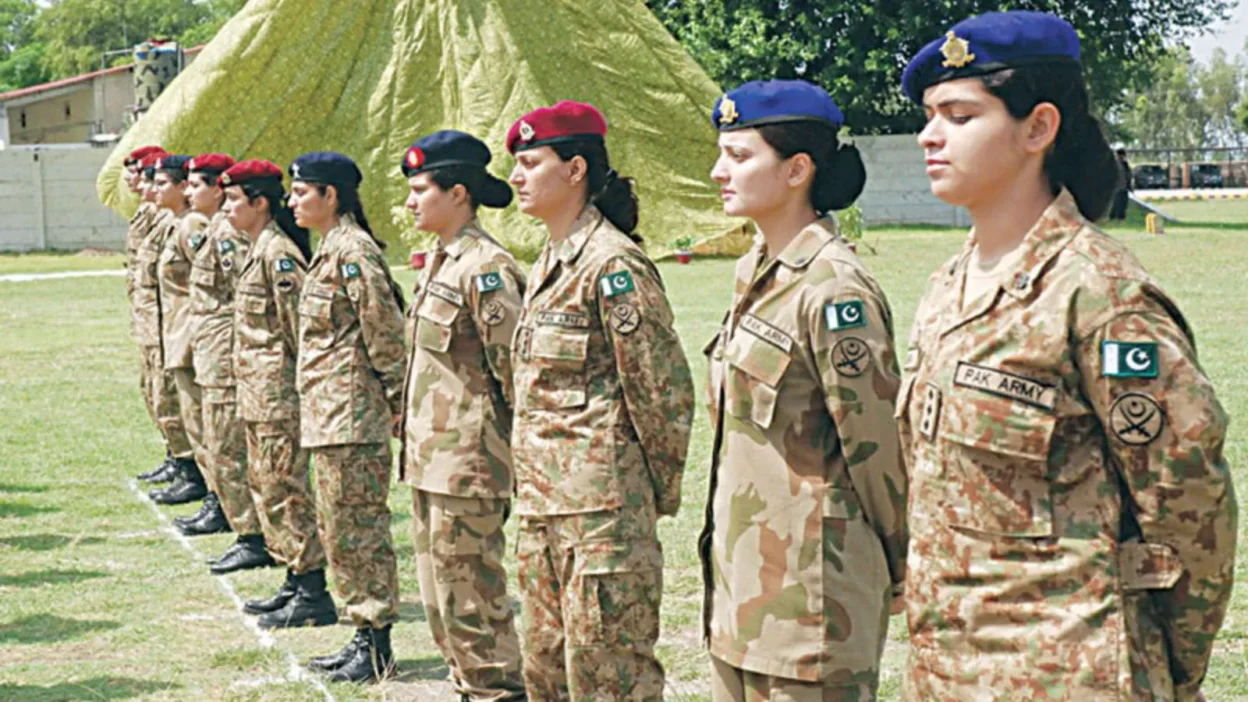
Have you ever wondered why the army places such strict importance on weight and body standards?
The army weight requirement isn’t just about appearances it’s a crucial part of ensuring that every recruit is physically fit, healthy, and ready for the challenges of military life.
Meeting the army weight standards is essential not only for passing enlistment but also for excelling in basic training and performing demanding tasks in the field.
These standards vary based on gender, age, and branch of service, with specific charts and measurements used to determine eligibility.
From BMI calculations to the tape test, the army evaluates recruits carefully to ensure they meet both weight and body composition requirements.
Understanding these standards in advance can help aspiring soldiers prepare effectively, maintain optimal fitness, and avoid disqualification, making the journey to joining the army smoother and more successful.
Importance of Weight Requirements in the Army
Weight requirements in the army are not arbitrary—they play a vital role in ensuring that every soldier is physically and mentally prepared for the demands of military life. The army weight standards are designed to guarantee that recruits possess the strength, endurance, and resilience needed for rigorous training, combat, and everyday military duties. Soldiers who meet the required weight are less likely to experience injuries during physical exercises, field operations, or demanding tasks.
Maintaining the proper weight also supports overall health. The army emphasizes body composition rather than just weight, considering factors like muscle mass and body fat percentage. This approach ensures that recruits are not only within the weight limits but are also physically fit to handle the challenges of service. Additionally, adhering to weight standards promotes discipline and accountability, qualities essential for military life.
Beyond fitness, weight requirements help maintain uniform standards across all soldiers, ensuring fairness and consistency during recruitment. Recruits who fail to meet these requirements may face delays, remedial programs, or disqualification, highlighting the importance of preparation. Understanding and respecting these standards allows aspiring soldiers to focus on training, nutrition, and lifestyle adjustments in advance, increasing their chances of success.
Army Weight Standards by Gender and Age
The army weight standards are carefully designed to ensure recruits are healthy, fit, and ready for the physical demands of military service. Meeting these requirements is essential not only for enlistment but also for passing training and maintaining long-term fitness.
For men, weight requirements typically range depending on age groups. Younger recruits, such as those aged 17 to 20, are expected to weigh less compared to older recruits due to natural body development. Similarly, women have specific weight ranges that account for differences in body composition and muscle mass. Age plays a role as well, with standards gradually adjusting for recruits over 30 years old.
The army often uses height and weight charts to determine eligibility, and in some cases, body mass index (BMI) is calculated to ensure recruits have a healthy body composition. For example, a male recruit who is 175 cm tall may be required to weigh between 60–75 kg, while a female recruit of the same height may have a range of 55–68 kg, depending on age.
Understanding these charts and ranges allows aspiring soldiers to track their progress and make necessary adjustments before enlistment. By staying within the recommended limits, recruits not only meet the army’s entry requirements but also prepare themselves for the challenges of basic training and active duty. Proper planning, nutrition, and exercise are key to achieving these standards.
How Weight is Measured in the Army
Meeting the army weight requirement is not just about stepping on a scale. The military uses precise methods to ensure that recruits have a healthy body composition suitable for rigorous physical activity. The most common method is a standard weigh-in, where a recruit’s weight is measured using a calibrated scale. However, weight alone is not always enough to determine fitness, so the army also considers height, body fat percentage, and muscle mass.
One widely used method is the tape test, especially in branches where body composition is critical. This test measures waist, neck, and sometimes hip circumference to estimate body fat. The results are then compared against army standards based on height and gender. For example, a male recruit may have a maximum allowable body fat percentage of 20%, while a female recruit may have a slightly higher limit, reflecting natural physiological differences.
In addition, the army often calculates Body Mass Index (BMI) to assess whether a recruit falls within a healthy weight range. Recruits who exceed weight or body fat limits may be placed on a fitness improvement plan and reassessed after a period of training and dieting.
Weight checks are usually conducted during basic training, enlistment, and periodically throughout a soldier’s career to ensure ongoing fitness. Understanding how these measurements work helps recruits prepare in advance by focusing on nutrition, exercise, and overall health, rather than just trying to hit a number on the scale. Proper preparation increases the chances of passing initial assessments and maintaining long-term readiness.
Consequences of Not Meeting Weight Standards
Failing to meet the army weight requirements can have significant consequences for recruits and active soldiers alike. The military sets these standards to ensure every soldier is physically capable, and not meeting them can impact both eligibility and career progression. For recruits, being over or under the required weight often leads to temporary disqualification from enlistment or basic training. In some cases, candidates are given a specific period to improve fitness and meet the standards before they can proceed.
For soldiers already in service, failing to maintain weight can result in remedial training programs designed to help them lose or gain weight safely. These programs often include structured diet plans, exercise routines, and regular monitoring to ensure progress. Ignoring weight standards can lead to more serious outcomes, such as career delays, loss of rank, or even discharge, depending on the severity and persistence of non-compliance.
Beyond the formal consequences, not meeting weight standards can also affect a soldier’s morale and confidence, as physical fitness is closely tied to mental readiness. Soldiers may struggle with demanding training exercises or feel less capable in high-pressure situations.
Understanding these potential consequences highlights the importance of preparation, discipline, and consistency. Recruits and soldiers who proactively maintain their weight through proper nutrition, exercise, and lifestyle habits are more likely to succeed and thrive in their military careers. Meeting weight requirements is therefore not just about passing a test—it reflects commitment, resilience, and readiness for the challenges of army life.
Tips to Meet Army Weight Requirements
Meeting the army weight standards requires a combination of proper nutrition, consistent exercise, and disciplined lifestyle habits. Preparing in advance not only increases your chances of passing enlistment but also sets a strong foundation for success in basic training and beyond.
Nutrition is a key factor. Focus on a balanced diet that includes lean proteins, whole grains, vegetables, and fruits. Avoid excessive sugar, processed foods, and high-fat meals that can contribute to unnecessary weight gain. Staying hydrated is equally important, as proper water intake helps maintain metabolism and overall energy levels.
Exercise should combine cardio and strength training. Cardiovascular activities like running, swimming, or cycling help burn excess fat and improve endurance. Strength training, including bodyweight exercises and weightlifting, builds muscle mass and boosts metabolism, which is essential for meeting body composition standards. Regularly tracking progress through weigh-ins and tape tests can help identify areas for improvement.
Consistency is key. Setting realistic goals and following a structured plan ensures gradual, healthy weight changes. Avoid crash diets or extreme workouts, as these can harm your health and reduce your performance.
Additionally, seeking guidance from fitness trainers or nutritionists familiar with military standards can provide tailored advice to meet your targets effectively. Mental discipline also plays a role—staying committed to your plan, even when results are slow, demonstrates the perseverance expected in army life.
Common Myths and Misconceptions About Army Weight Requirements
Many people have misunderstandings about the army weight requirements, which can create unnecessary stress or confusion during enlistment preparation. One common myth is that the army wants all recruits to be extremely skinny. In reality, the military focuses on fitness, strength, and body composition, not just the number on the scale. Soldiers must be healthy and capable of performing physically demanding tasks, which often requires a balance of muscle and proper body fat.
Another misconception is that muscle doesn’t count toward weight. While muscle does contribute to overall weight, the army considers body fat percentage and functional fitness, meaning that muscular recruits can still meet requirements even if their weight is slightly higher than average.
This is not entirely true—recruits who exceed the standard may be given time to lose weight through a fitness program or pass additional assessments like the tape test. Similarly, underweight recruits may be asked to gain healthy weight to build strength and endurance.
Another myth is that the standards are the same for everyone. In fact, age, gender, and branch of service all influence weight limits, with specific charts for each category.
FAQs
When preparing to join the army, recruits often have many questions about the weight requirements. Understanding the answers can help reduce stress and improve preparation.
Q1. How is weight measured in the army?
Weight is measured using a combination of weigh-ins, tape tests, and Body Mass Index (BMI) calculations. The tape test measures waist, neck, and sometimes hip circumference to estimate body fat, which is then compared to army standards based on height and gender.
Q2. Are there exceptions for athletes or special roles?
Some branches may allow exceptions for highly trained athletes, especially if they demonstrate strength, endurance, and overall fitness. However, recruits must still meet minimum physical standards to ensure operational readiness.
Q3. How often are weight checks conducted?
Weight checks are typically conducted during enlistment, basic training, and periodically throughout a soldier’s career. Maintaining consistent fitness is a long-term requirement, not just a one-time test.
Q4. What can I do to meet the requirements?
Recruits should focus on balanced nutrition, regular exercise, and monitoring their weight and body composition. Seeking advice from trainers or nutritionists familiar with army standards can help achieve goals effectively.
Conclusion
Meeting the army weight requirements is one of the first and most important steps toward a successful military career.
These standards are not arbitrary they ensure that every recruit is physically fit, mentally prepared, and capable of handling the rigorous demands of army life.
By maintaining the proper weight and body composition, soldiers reduce the risk of injuries, improve endurance, and perform better in both training and real-world operations.
Understanding the weight standards by gender, age, and branch, along with the methods used for measurement like weigh-ins, BMI calculations, and tape tests, allows recruits to plan effectively.
Those who may initially fall outside the required limits can use nutrition, structured exercise programs, and consistent monitoring to achieve the necessary fitness levels.
Discipline, consistency, and a positive mindset are just as important as physical training when it comes to meeting army standards.
It is also crucial to address misconceptions and myths. The army values functional fitness, health, and resilience, not just a number on the scale.
Recruits who focus on proper training, balanced nutrition, and steady progress will find it easier to meet weight requirements without stress or shortcuts.

Fyodor Dostoevsky (1821–1881) was a renowned Russian novelist, short story writer, essayist, and philosopher whose works explore human psychology, morality, and existential dilemmas. Best known for classics like Crime and Punishment, The Brothers Karamazov, and The Idiot, Dostoevsky’s writing has influenced literature, psychology, and philosophy worldwide.