

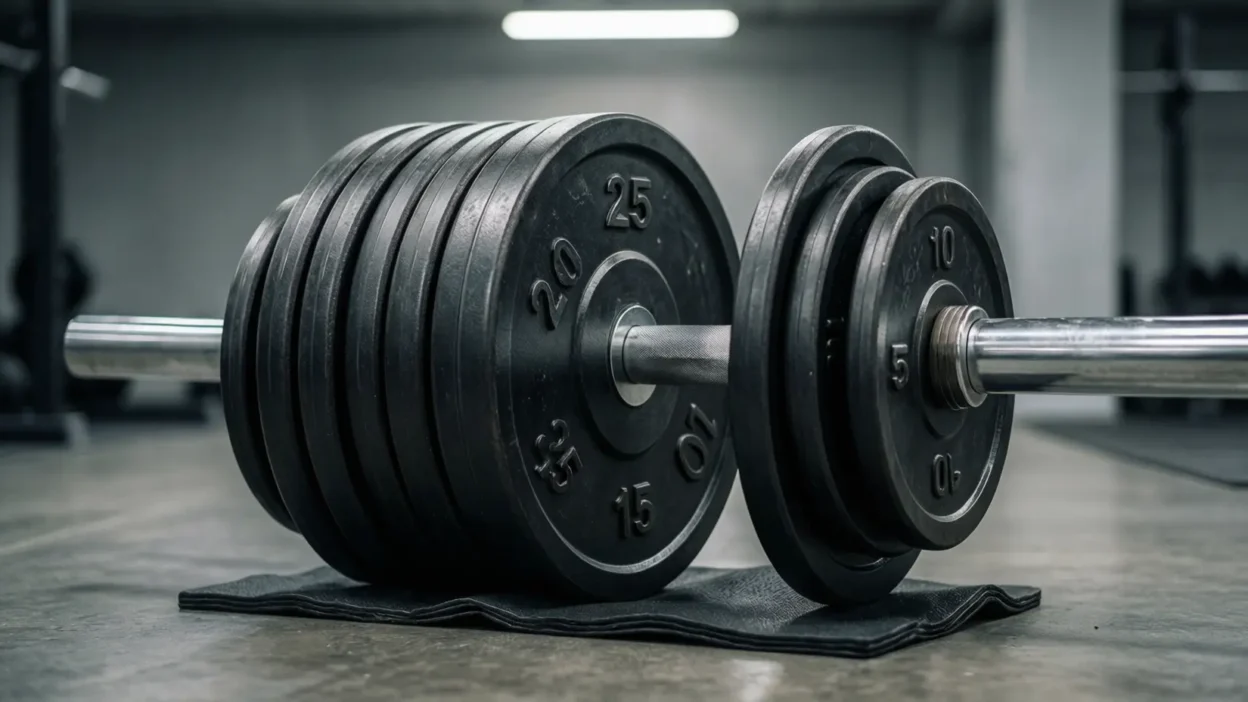
Whether you’re just starting your fitness journey or looking to level up your strength training routine, a weight set with a barbell is an essential tool for building muscle, increasing strength, and improving overall fitness.
With the right barbell and weight plates, you can target multiple muscle groups, from your legs and back to your chest and arms, all within the comfort of your home gym.
A weight set with bar is incredibly versatile, allowing you to perform a wide variety of exercises, such as squats, deadlifts, bench presses, and overhead presses, which are the foundation of any effective strength training regimen.
In this guide, we’ll dive into everything you need to know about choosing the right weight set for your goals, the best exercises to incorporate into your routine, and essential safety tips to ensure you’re lifting with proper form.
What is a Weight Set With Bar?
A weight set with bar typically consists of a barbell and interchangeable weight plates, allowing for a wide range of strength-building exercises. This essential piece of equipment is a staple in both commercial gyms and home workout setups. The barbell serves as the foundation, and the weight plates are added to increase the resistance as you progress in your training.
There are different types of barbells to choose from, each designed to meet specific needs. The most common types include:
- Standard Barbells: These are typically 5-6 feet in length and are perfect for beginners or those lifting lighter weights. Standard barbells usually have a 1-inch diameter sleeve and are compatible with standard weight plates.
- Olympic Barbells: Measuring 7 feet in length, Olympic barbells are used in professional powerlifting and Olympic lifting. These barbells have rotating sleeves that allow the weight plates to move independently, reducing strain on your wrists and shoulders during dynamic lifts. Olympic barbells are typically 2-inch in diameter and are designed for heavier lifts.
- Specialty Bars: These include EZ curl bars, trap bars, and deadlift bars. These bars have unique shapes or designs that make them ideal for specific exercises, such as isolating biceps or performing deadlifts with a more ergonomic grip.
The weight plates that accompany the barbell can vary in material (cast iron, rubber-coated, or bumper plates) and size. Most weight sets are designed to be customizable, allowing you to add or remove plates to adjust the load depending on your fitness level and goals.
Benefits of a Weight Set With Bar
Investing in a weight set with bar offers numerous benefits, making it one of the most versatile pieces of equipment you can own for your fitness journey. Whether you’re aiming to build muscle, increase strength, or improve endurance, a barbell weight set is essential in reaching those goals.
1. Versatility of Exercises
One of the key advantages of using a weight set with a barbell is its versatility. Barbells allow you to perform a wide variety of exercises targeting multiple muscle groups. From squats and deadlifts to bench presses and overhead presses, barbells are the backbone of most strength training routines. This versatility means you can work on full-body strength without needing multiple pieces of equipment.
2. Progressive Overload
Another benefit is the ability to increase resistance over time, a concept known as progressive overload. As your strength improves, you can add more weight to the barbell, continuing to challenge your muscles and promote growth. This is a key factor in building both muscle size and strength.
3. Efficiency
A weight set with bar is incredibly efficient for strength training. With a few simple adjustments to the weight, you can easily progress through different phases of your workout, targeting different muscle groups without wasting time switching between machines or free weights.
4. Cost-Effective for Home Gyms
For those who prefer working out at home, a weight set with a bar is a highly cost-effective option. It allows you to replicate much of the gym experience with a single set of equipment, saving on membership fees and time spent commuting.
Choosing the Right Weight Set With Bar
Selecting the perfect weight set with bar for your fitness goals is crucial for maximizing your workouts and ensuring long-term progress. With various options on the market, it’s important to consider a few key factors before making your decision.
1. Define Your Fitness Goals
Your choice of weight set should align with your specific fitness goals. If you’re focused on powerlifting, an Olympic barbell with heavy-duty plates may be your best choice, as they can handle high loads and intense lifting. On the other hand, if you’re a beginner or more interested in general fitness and muscle building, a standard barbell set might be more than sufficient. Knowing whether you plan to use the set for compound movements (like squats and deadlifts) or isolation exercises (like curls and extensions) will also guide your selection.
2. Weight Capacity and Compatibility
It’s essential to check the weight capacity of both the barbell and the weight plates. Olympic barbells typically have a higher load capacity (around 1000 pounds) compared to standard barbells (which usually have a max of 250-300 pounds). Additionally, be mindful of the compatibility between the barbell and weight plates. Olympic barbells require 2-inch diameter plates, while standard barbells typically use 1-inch diameter plates.
3. Durability and Material
The construction material of the barbell and plates also impacts the overall durability. Opt for chrome-plated or stainless steel barbells for rust resistance, and choose rubber-coated or bumper plates if you want to protect your floor and reduce noise.
Top Exercises to Do with a Weight Set With Bar
A weight set with bar offers a wide range of exercises that target every major muscle group, from your legs and back to your chest and arms. Below are some of the most effective exercises to incorporate into your routine to build strength and muscle.
1. Squats
The squat is one of the best compound exercises to develop strength in your legs, glutes, and core. Using a barbell for back squats or front squats allows you to progressively increase the load, challenging your muscles to grow. Squats also help to improve mobility and stability, making them essential for any strength training routine.
2. Deadlifts
Deadlifts are a powerhouse movement for developing your posterior chain, including your hamstrings, glutes, lower back, and traps. There are various types of deadlifts you can perform with a barbell, such as conventional deadlifts, sumo deadlifts, and Romanian deadlifts. Each variation targets slightly different muscle groups but all contribute to building a strong, well-rounded physique.
3. Bench Press
The bench press is a fundamental exercise for building upper body strength, particularly in the chest, shoulders, and triceps. By adjusting your grip and bench position, you can target different areas of the chest. Incline and decline bench presses, when performed with a barbell, are great for hitting the upper and lower portions of the pectorals.
4. Overhead Press
The overhead press, or military press, is an excellent exercise for developing the shoulders, triceps, and upper chest. It’s a great movement for building upper body strength and improving shoulder stability.
5. Bent-Over Rows
Bent-over rows with a barbell are ideal for targeting the back, specifically the lats, traps, and rhomboids. This exercise helps improve posture and strengthens the upper back, which is important for overall body balance and injury prevention.
Safety Tips for Using a Weight Set With Bar
While a weight set with bar is incredibly effective for building strength and muscle, it’s essential to prioritize safety to prevent injury. Using the barbell incorrectly or lifting too heavy can lead to serious injuries, so always ensure you’re practicing proper form and lifting within your limits. Here are some essential safety tips to follow when using a barbell:
1. Warm-Up Properly
Before diving into heavy lifting, always warm up your muscles with dynamic stretches or lighter exercises. This increases blood flow and prepares your muscles and joints for the intensity of strength training. A proper warm-up can reduce the risk of strains or sprains.
2. Check Your Form
Maintaining proper form is crucial for preventing injury. Whether you’re performing squats, deadlifts, or bench presses, be sure to align your body correctly and avoid rounding your back, collapsing your chest, or letting your knees cave inward. If you’re unsure about your form, consider working with a trainer or using a mirror to check your posture.
3. Start with Lighter Weights
If you’re new to lifting or haven’t worked with a barbell before, start with lighter weights to learn the movements. Gradually increase the weight as your strength improves, but avoid the temptation to lift too much too soon.
4. Use a Spotter
For exercises like the bench press, always have a spotter nearby. They can assist you in case you
struggle to complete a lift, reducing the risk of injury. A spotter can also help guide the barbell safely back onto the rack.
5. Secure the Weights
Always ensure the weight plates are secured tightly to the barbell with collars. Loose plates can shift during lifts, creating an imbalance and increasing the risk of accidents.
Maintaining and Caring for Your Weight Set With Bar
To get the most out of your weight set with bar, proper care and maintenance are essential. Not only will this prolong the life of your equipment, but it will also ensure your safety during workouts. Here are some tips on maintaining your barbell and weight plates:
1. Regular Cleaning
Sweat, dust, and grime can accumulate on your barbell and weight plates over time, which can lead to rust and corrosion. After each workout, wipe down the barbell and plates with a dry cloth to remove moisture and debris. For more thorough cleaning, use a mild soap solution and a soft brush to scrub off any stubborn dirt or oil buildup. If you have rubber-coated plates, avoid using harsh chemicals that could damage the coating.
2. Prevent Rusting
If you have a steel or chrome barbell, rust can become a concern if not properly cared for. Make sure to store your barbell in a dry, cool area, and consider applying a thin layer of barbell oil or WD-40 to protect it from moisture. If your barbell is exposed to humidity, be extra diligent in wiping it down after each use.
3. Inspect Regularly
Check your equipment periodically for signs of wear and tear. Look for any cracks or bends in the barbell, and inspect the weight plates for chips or cracks that could affect their performance. If you notice any damage, it’s best to replace the equipment to avoid safety hazards during lifts.
4. Proper Storage
To prevent damage to your weight set, always store your barbell and plates properly. Use a barbell rack or wall-mounted storage to keep your bar in good condition. Keep the weight plates organized and avoid dropping them, as this can cause chips, cracks, or warping.
Common Mistakes to Avoid with a Weight Set With Bar
While a weight set with bar is a great tool for strength training, there are several common mistakes that beginners (and even experienced lifters) often make. Avoiding these errors can not only improve your progress but also reduce the risk of injury. Here are some of the most frequent mistakes to be aware of:
1. Lifting Too Heavy Too Soon
It’s tempting to jump into heavy lifts, especially when you’re feeling motivated. However, lifting more weight than you can handle can lead to poor form and injuries. Always start with a manageable weight, gradually increasing the load as you build strength and confidence. Focus on perfecting your technique before increasing the weight.
2. Using Poor Form
Using improper form is one of the biggest mistakes you can make when lifting with a barbell. Whether it’s rounding your back during a deadlift, arching your spine during a squat, or letting your knees collapse inward, bad form places undue stress on your joints and muscles. Always prioritize correct technique, even if it means lifting lighter weights.
3. Not Using a Full Range of Motion
When performing exercises like squats or deadlifts, many lifters shortchange their range of motion by not going low enough or not extending fully. This limits the effectiveness of the exercise and may hinder your muscle growth. Ensure you’re completing each movement with a full range of motion to engage the target muscles effectively.
4. Neglecting Warm-Up and Cool-Down
Skipping your warm-up and cool-down can increase the risk of injury and affect your recovery. Take time to properly warm up before lifting and cool down afterward to enhance flexibility and reduce muscle soreness.
5. Not Resting Enough
Your muscles need time to recover and grow after each workout. Overtraining without enough rest can lead to burnout or injury. Make sure to schedule adequate rest days between heavy lifting sessions to allow your muscles to repair and strengthen.
How to Incorporate a Weight Set With Bar into Your Routine
Incorporating a weight set with bar into your workout routine can significantly enhance your strength and fitness gains. Whether you’re a beginner or an experienced lifter, it’s important to structure your routine in a way that maximizes efficiency and results. Here are some tips on how to effectively add a barbell to your strength training plan:
1. Plan a Balanced Routine
A well-rounded workout routine should target all major muscle groups. A barbell weight set is perfect for compound exercises that engage multiple muscle groups, like squats, deadlifts, and bench presses. Aim for a balanced routine that includes exercises for your legs, back, chest, shoulders, and arms. This ensures your muscles are evenly developed and reduces the risk of injury.
2. Follow the Push/Pull/Legs Split
A popular and effective way to structure your training with a barbell is by using the push/pull/legs split. This split divides the exercises into three categories:
- Push: Exercises like the bench press and overhead press that work the chest, shoulders, and triceps.
- Pull: Movements such as deadlifts and bent-over rows that target the back, biceps, and forearms.
- Legs: Squats and other leg-focused exercises that target your quads, hamstrings, glutes, and calves.
This split allows for focused training on each muscle group, helping to maximize strength and muscle gains.
3. Progressive Overload
To see continuous progress, focus on progressive overload. Gradually increase the weight or the number of sets/reps as your strength improves. This ensures that your muscles are constantly challenged and can adapt to new loads, promoting growth and increased strength over time.
4. Allow for Rest and Recovery
Rest is just as important as your workouts. Your muscles grow and repair during recovery, so be sure to include rest days in your routine. Aim for at least 48 hours of rest between sessions that target the same muscle group.
Frequently Asked Questions (FAQ)
1. What is the difference between a standard and an Olympic weight set?
A standard weight set typically uses a 1-inch diameter barbell, while an Olympic weight set features a 2-inch diameter barbell. Olympic barbells are designed to handle heavier loads, making them suitable for advanced lifters and powerlifters. The weight plates for Olympic sets are also larger and have a 2-inch hole to fit the barbell.
2. Can I use a weight set with bar for both strength and cardio workouts?
Yes! While a weight set with bar is primarily used for strength training, it can also be incorporated into cardio workouts. For example, performing barbell complexes (a series of exercises performed back-to-back with a barbell) can provide a high-intensity workout that challenges both your muscles and cardiovascular system.
3. How heavy should my weight set be when I start?
If you’re a beginner, it’s important to start with light weights to master your form and technique. A common starting weight for a beginner is around 45-60 pounds (20-27 kg), including the barbell. As you progress, you can gradually increase the weight in small increments.
4. Is it safe to lift alone with a weight set?
While it’s possible to lift alone, especially for exercises like squats and deadlifts, it’s recommended to have a spotter when performing exercises like the bench press. A spotter ensures that you can safely lift heavier weights and helps if you fail to complete a rep.
5. How often should I use a weight set with bar?
To see consistent progress, aim for 3-4 sessions per week, depending on your recovery and fitness level. It’s important to allow your muscles enough time to rest between heavy lifting sessions to prevent overtraining and injury.
Conclusion:
Incorporating a weight set with bar into your fitness routine is a smart investment for those serious about building strength, muscle, and overall fitness.
Not only does it provide the ability to perform a wide range of exercises targeting all major muscle groups, but it also offers the flexibility and scalability needed to progress over time.
Whether you’re aiming for hypertrophy, strength, or endurance, a barbell weight set is a powerful tool that can take your workouts to the next level.
From the versatility of exercises to the ability to implement progressive overload, the barbell allows you to continually challenge yourself and reach new fitness milestones.
The benefits are clear: greater muscle development, improved functional strength, and increased endurance.
Moreover, the affordability and space-saving potential of a weight set with a bar make it an excellent choice for those building a home gym.
Unlike specialized machines that can take up valuable space and cost a fortune, a barbell set is compact, durable, and easy to store.
To make the most of your investment, remember to focus on proper form, consistency, and rest.
A consistent routine that targets all muscle groups, combined with the right equipment and technique, will help you maximize results while minimizing the risk of injury.
In conclusion, a weight set with bar is more than just an essential fitness tool; it’s the foundation of a successful strength training regimen, offering both versatility and progression for anyone looking to improve their fitness.

Rafael Domínguez Gamas (born February 14, 1883 in Cárdenas, Tabasco; died January 23, 1959 in Veracruz) was a prominent Mexican lawyer, educator, journalist, writer, and academic. He studied law at the Instituto Juárez and also worked as a professor there. Early in his career he directed schools in various towns in Tabasco and contributed frequently to publications such as Alba, El Renacimiento, and El Eco de Tabasco. In 1914 he moved to Veracruz, where he worked with the journal El Dictamen. He was later elected a corresponding member of the Academia Mexicana de la Lengua for his contributions to Mexican literature and language studies. Domínguez authored numerous books and essays including Azul como tus ojos (1925) and Diccionario general de gentilicios (1948).