

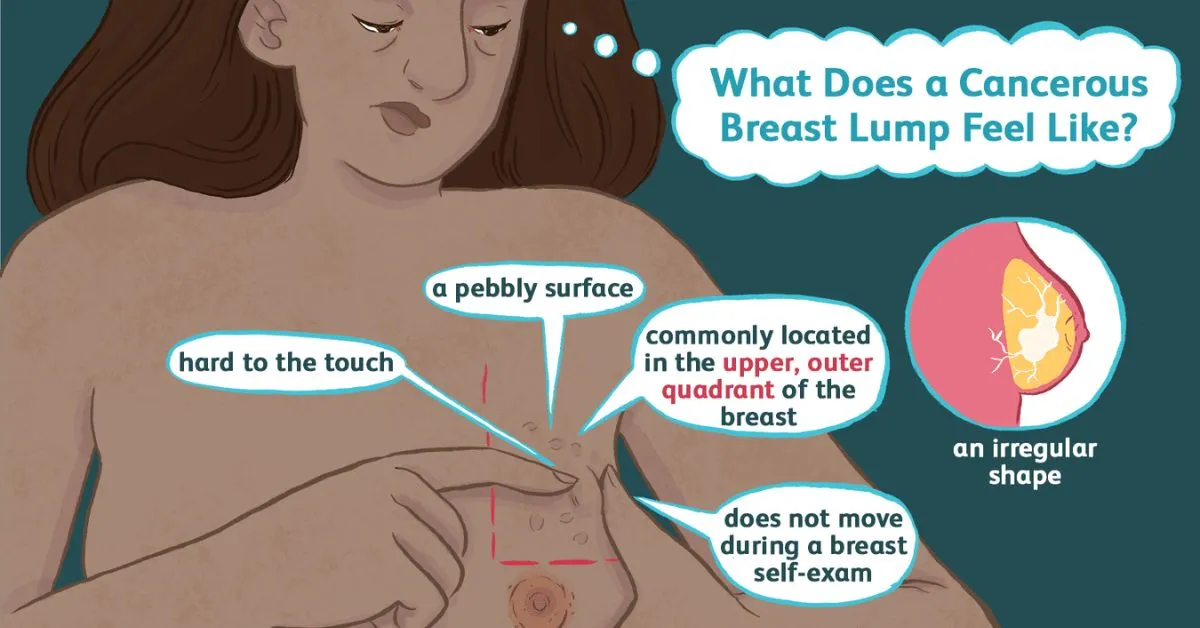
Breast cancer is one of the most common cancers worldwide, affecting millions of people and, in rare cases, men. Recognizing the early signs and visual symptoms can make a life-saving difference.
Many people wonder, “What does breast cancer look like?” While every individual’s experience may vary, there are common changes in the breast that can serve as warning signals.
These include lumps, unusual swelling, changes in size or shape, dimpling of the skin, and nipple alterations such as inversion, discharge, or scaling.
Early detection is critical, as it increases treatment success and survival rates. Learning how to identify these signs through regular self-exams and professional screenings empowers individuals to take control of their health.
In this article, we’ll explore the physical and visual signs of breast cancer, how different types may appear, and what steps you should take if you notice any unusual changes.
Common Physical Signs of Breast Cancer
One of the most recognizable signs of breast cancer is the presence of a lump or thickened area in the breast. These lumps are often firm, irregularly shaped, and may feel different from the surrounding tissue. While not all lumps are cancerous, any new or unusual mass should be evaluated by a healthcare professional.
Changes in breast size or shape can also signal breast cancer. One breast may appear larger, swollen, or asymmetrical compared to the other. Swelling can sometimes extend to the armpit or collarbone area, which may indicate the involvement of lymph nodes.
Another warning sign is skin dimpling or puckering, sometimes described as an “orange peel” or peau d’orange effect. This occurs when the skin takes on a textured appearance due to underlying tumors pulling the tissue inward.
Tenderness or discomfort in one area of the breast, especially if persistent or localized, can also be a symptom. While breast pain alone is rarely a sign of cancer, it should not be ignored if accompanied by other changes.
It’s important to note that early breast cancer may not always produce obvious physical changes. This is why regular breast self-exams and routine screenings are essential. Recognizing these common physical signs early can lead to prompt diagnosis and significantly improve treatment outcomes.
Skin and Nipple Changes
Breast cancer can also cause noticeable changes in the skin and nipple area. One of the most common signs is nipple inversion or retraction, where the nipple turns inward or becomes pulled toward the breast. While some people naturally have inverted nipples, a sudden change in one nipple should never be ignored.
Nipple discharge is another potential warning sign. Any unexpected fluid—especially blood, clear, or milky discharge—warrants immediate medical evaluation. While some discharge can be harmless, persistent or unusual fluid may indicate an underlying tumor.
Changes in the skin covering the breast can also occur. This may include redness, rash, scaling, or thickened patches. Sometimes, the skin may appear swollen or feel warm, which can be a sign of inflammatory breast cancer, a particularly aggressive form.
A distinct skin pattern known as “peau d’orange” or orange-peel texture is caused by tiny dimples on the breast skin, often due to underlying cancer affecting lymphatic drainage. Crusting, flaking, or bleeding around the nipple can indicate Paget’s disease of the breast, a rare form of breast cancer that begins in the nipple ducts.
Not all breast cancers show visible changes immediately, but any sudden or unusual alterations in the nipple or breast skin should prompt a professional examination. Awareness of these skin and nipple changes is vital, as early detection greatly increases the chances of successful treatment.
Types of Breast Cancer and How They Appear
Breast cancer is not a single disease; it has several types, each with its own patterns and appearances. Understanding these can help individuals recognize potential warning signs.
Ductal Carcinoma in Situ (DCIS) is an early-stage cancer that begins in the milk ducts. It may not cause a noticeable lump and is often detected during a mammogram. Although DCIS is non-invasive, it requires monitoring and treatment to prevent progression.
Invasive Ductal Carcinoma (IDC) is the most common type of breast cancer. IDC typically presents as a firm, irregular lump in the breast, sometimes accompanied by skin dimpling, swelling, or nipple changes. It can spread to nearby lymph nodes if not treated promptly.
Lobular Carcinoma starts in the milk-producing lobules and is often harder to detect physically. It may cause subtle thickening or fullness rather than a distinct lump, which is why imaging and regular screenings are important.
Inflammatory Breast Cancer is aggressive and progresses rapidly. It often causes redness, warmth, swelling, and a textured, orange-peel appearance of the breast skin. Unlike other types, a lump may not always be present.
Paget’s Disease of the Nipple affects the nipple and areola, causing redness, scaling, or crusting. This rare form of breast cancer can be accompanied by underlying tumors in the breast tissue.
Each type of breast cancer can look different, and not all cancers produce noticeable symptoms immediately. Awareness of these variations, combined with regular self-exams and professional screenings, is key to early detection and improved treatment outcomes.
Breast Self-Examination Tips
Regular breast self-exams (BSE) are a simple yet powerful way to detect early signs of breast cancer. Performing a self-exam monthly helps you become familiar with the normal look and feel of your breasts, making it easier to notice any unusual changes.
Start by visually inspecting your breasts in front of a mirror. Look for changes in shape, size, or symmetry. Check for dimpling, puckering, redness, or skin texture changes, including the orange-peel effect. Examine your nipples for inversion, discharge, or crusting.
Next, use your hands to feel your breasts systematically. Raise one arm behind your head and use the pads of your fingers to apply gentle pressure. Move in small circular motions, covering the entire breast—from the collarbone to the top of the abdomen and from the armpit to the cleavage. Repeat the process on the other breast.
Be sure to check in different positions: lying down, standing, and in the shower, as changes may be more noticeable in certain positions. Pay attention to the underarm area, as breast tissue extends toward the armpit.
Document any changes or findings, even if minor, and consult a healthcare professional if you notice lumps, thickening, skin alterations, or nipple changes. While BSE cannot replace mammograms or clinical exams, it empowers you with awareness of your body and can aid in early detection, significantly improving outcomes if cancer is present.
When to See a Doctor
Knowing when to consult a doctor is crucial for the early detection of breast cancer. While some changes in the breast may be harmless, certain signs require immediate medical attention.
If you notice a new lump or thickened area in your breast or underarm that persists for more than a few weeks, it should be evaluated. Similarly, sudden changes in breast size, shape, or symmetry, unexplained swelling, or a heavy feeling in one breast can indicate an underlying problem.
Skin and nipple changes also demand prompt attention. These include dimpling, puckering, redness, warmth, rash, nipple inversion, discharge, or scaling. Even minor abnormalities should not be ignored, as early detection significantly improves treatment success.
It is recommended to schedule routine screenings, such as mammograms, according to age and risk factors. people of all genders over 40 or those with a family history of breast cancer should follow professional guidelines for regular imaging. Ultrasounds and clinical breast exams may also be advised for individuals with dense breast tissue or unusual findings.
Remember, early intervention saves lives. Most breast changes are not cancerous, but professional evaluation ensures proper diagnosis and peace of mind. Trust your instincts—if something feels or looks different, contact your healthcare provider promptly. Combining self-awareness with regular medical checkups offers the best chance of detecting breast cancer in its earliest, most treatable stages.
Common Misconceptions About Breast Cancer Appearance
There are many myths and misunderstandings about what breast cancer looks like, which can delay detection and treatment. Understanding these misconceptions is essential for awareness and early action.
One common myth is that all breast cancers form noticeable lumps. While lumps are a frequent symptom, some cancers, such as lobular carcinoma or inflammatory breast cancer, may present with subtle changes like thickening or swelling rather than a distinct lump. Relying only on palpation can result in missed cases.
Another misconception is that breast cancer always causes pain. Many breast cancers are painless in the early stages, and absence of discomfort does not mean the breast is healthy. Pain alone is rarely an indicator of cancer, but it should not be ignored if accompanied by other signs.
Some people believe that breast size, age, or family history prevents cancer, but breast cancer can affect individuals and men of all sizes, ages, and backgrounds. While risk factors exist, no one is entirely immune.
There’s also confusion around skin and nipple changes. People may dismiss redness, dimpling, or nipple discharge as irritation or infection, delaying medical evaluation. Even minor changes should prompt a professional examination.
Finally, some assume that breast cancer is always visible externally, but early tumors can be hidden deep in the tissue and detectable only through imaging.
Breaking these misconceptions empowers individuals to take action. Awareness, combined with self-exams and routine screenings, ensures that unusual changes are addressed promptly, improving the chances of early diagnosis and successful treatment.
Supporting Visuals
Visual aids play a vital role in understanding what breast cancer can look like. While text descriptions are helpful, images, diagrams, and infographics make it easier to recognize warning signs and improve awareness.
Diagrams of common lump locations can help individuals identify areas where breast cancer often develops. Lumps are frequently found in the upper outer quadrant of the breast and can extend toward the underarm, where lymph nodes are located. Illustrating these areas guides people in performing more effective self-exams.
Skin and nipple change visuals are particularly valuable. Images showing dimpling, puckering, redness, scaling, and nipple inversion provide a clear reference for subtle changes that might otherwise be overlooked. The distinctive “peau d’orange” appearance, resembling the texture of orange peel, is easier to identify when accompanied by a visual representation.
Step-by-step self-exam images can guide readers through the proper techniques for inspecting their breasts. Showing how to check while lying down, standing, or in the shower ensures thorough coverage and makes the instructions more accessible.
Infographics comparing benign versus malignant changes are also effective educational tools. They help distinguish harmless lumps, cysts, or minor irritations from signs that require professional evaluation.
Incorporating high-quality visuals in the article not only educates readers but also enhances engagement and comprehension. Clear images, combined with written guidance, empower individuals to recognize changes early and seek medical attention promptly, significantly improving outcomes in breast cancer detection and treatment.
Prevention and Awareness Tips
While not all cases of breast cancer can be prevented, adopting certain lifestyle habits and awareness practices can reduce risk and promote early detection.
Regular screenings are essential. human beings over 40 or those with higher risk factors should follow medical guidelines for mammograms and clinical breast exams. For those with dense breast tissue or a family history of breast cancer, additional imaging like ultrasound or MRI may be recommended. Early detection significantly increases treatment success.
Performing monthly breast self-exams is another effective tool. Being familiar with the normal appearance and feel of your breasts allows you to quickly notice any unusual changes, such as lumps, skin dimpling, nipple alterations, or swelling. Documenting findings can help track gradual changes over time.
Maintaining a healthy lifestyle may also lower risk. This includes eating a balanced diet rich in fruits and vegetables, exercising regularly, limiting alcohol consumption, avoiding smoking, and maintaining a healthy weight. These habits support overall breast health and reduce cancer risk.
Awareness and education are key. Understanding the signs, symptoms, and variations of breast cancer empowers individuals to take action promptly. Participating in awareness campaigns or encouraging family and friends to perform self-checks spreads knowledge and may save lives.
Finally, trust your instincts. If something feels or looks different, even if it seems minor, consult a healthcare professional. Combining prevention strategies, regular checkups, and vigilance ensures the highest chance of early detection and successful treatment.
Conclusion
Understanding what breast cancer looks like is essential for early detection and effective treatment.
While every individual’s experience may vary, there are common signs and changes that can serve as important warning signals.
These include lumps or thickened areas, changes in breast size or shape, skin dimpling or puckering, and nipple alterations such as inversion, discharge, or scaling.
Some types of breast cancer, like lobular carcinoma or inflammatory breast cancer, may present more subtle changes, making vigilance and regular screenings critical.
Breast self-exams are a simple yet powerful tool that helps individuals become familiar with their own bodies.
By performing monthly self-exams and noting any unusual changes, you can detect potential issues earlier.
Coupled with routine mammograms, clinical exams, and professional screenings, this proactive approach maximizes the chance of identifying cancer at its most treatable stage.
Awareness is equally important. Educating yourself about the various types of breast cancer, skin and nipple changes, and common misconceptions empowers you to act quickly if something seems different.
Remember, not all lumps or changes indicate cancer, but ignoring symptoms can delay diagnosis and treatment.
Finally, maintaining a healthy lifestyle, staying informed, and seeking medical advice promptly when necessary are all steps that can save lives.
By combining self-awareness, professional care, and education, individuals can confidently take control of their breast health and improve their chances of detecting breast cancer early.

Rafael Domínguez Gamas (born February 14, 1883 in Cárdenas, Tabasco; died January 23, 1959 in Veracruz) was a prominent Mexican lawyer, educator, journalist, writer, and academic. He studied law at the Instituto Juárez and also worked as a professor there. Early in his career he directed schools in various towns in Tabasco and contributed frequently to publications such as Alba, El Renacimiento, and El Eco de Tabasco. In 1914 he moved to Veracruz, where he worked with the journal El Dictamen. He was later elected a corresponding member of the Academia Mexicana de la Lengua for his contributions to Mexican literature and language studies. Domínguez authored numerous books and essays including Azul como tus ojos (1925) and Diccionario general de gentilicios (1948).