

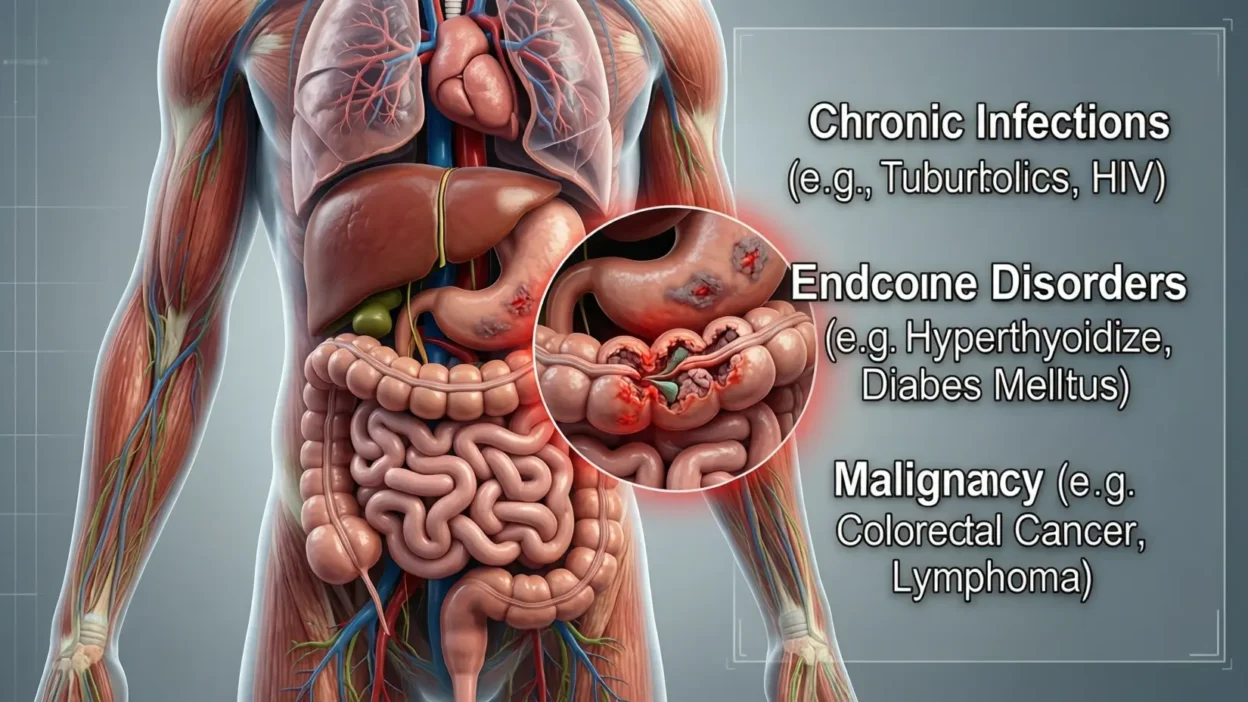
Unexplained weight loss can be a concerning and confusing experience. Losing weight without making any intentional changes to your diet, exercise routine, or lifestyle can often signal an underlying health issue.
While shedding a few pounds might seem harmless, significant or rapid weight loss – typically defined as losing more than 5% of your body weight in six to twelve months – can indicate a serious medical condition that requires attention.
In this article, we will explore the most common causes of unexplained weight loss, shedding light on the symptoms, diagnosis, and treatment options available.
If you’ve noticed unexpected weight loss, it’s essential to seek medical advice to identify the cause and take the necessary steps for recovery.
Why is Unexplained Weight Loss a Concern?
While some people may dismiss it as a minor issue, it can be a red flag for serious underlying health problems.
One of the main concerns with unexplained weight loss is the risk of malnutrition. As the body loses weight, it can also lose essential nutrients, leading to deficiencies that impact overall health. Nutritional deficits can weaken the immune system, cause muscle loss, and impair organ function, which may result in increased fatigue, weakened bones, or even difficulty concentrating.
In addition to physical health risks, unexplained weight loss can also be a sign of chronic or serious illnesses, such as cancer, thyroid disorders, diabetes, or gastrointestinal diseases. Similarly, thyroid problems, like hyperthyroidism, can cause the metabolism to accelerate, leading to rapid weight loss.
Another reason unexplained weight loss is concerning is the psychological impact. Sudden weight loss, especially if accompanied by symptoms like fatigue or depression, can severely affect emotional well-being. It may be a source of stress, anxiety, or confusion, and could even exacerbate mental health conditions such as depression or eating disorders.
Given the wide range of potential causes, seeking medical attention is crucial to identify the root cause and prevent further complications.
Common Causes of Unexplained Weight Loss
There are several potential causes of unexplained weight loss, ranging from minor health issues to serious medical conditions. Understanding these causes is key to identifying the source of weight loss and taking the appropriate steps for treatment. Below are some of the most common culprits:
- Thyroid Disorders: Hyperthyroidism, a condition where the thyroid gland produces too much thyroid hormone, can significantly increase metabolism, leading to unexplained weight loss. People with hyperthyroidism may also experience symptoms like rapid heartbeat, excessive sweating, and nervousness.
- Cancer: Unexplained weight loss is often one of the earliest signs of cancer.
- Gastrointestinal Disorders: Conditions such as Crohn’s disease, celiac disease, and ulcers can interfere with nutrient absorption in the digestive system. As a result, people may lose weight despite eating well. These conditions are often accompanied by digestive symptoms like bloating, diarrhea, and abdominal pain.
- High blood sugar levels cause the body to break down fat and muscle for energy, leading to noticeable weight loss.
- Mental Health Issues: Depression, anxiety, and other mental health conditions can lead to a loss of appetite and weight. In severe cases, eating disorders like anorexia nervosa can also cause significant weight loss.
Identifying the root cause of unexplained weight loss is crucial for effective treatment. If you’re experiencing any of these symptoms, it’s important to consult a healthcare provider for further evaluation.
Symptoms to Watch for Alongside Unexplained Weight Loss
While unexplained weight loss itself is concerning, the presence of additional symptoms can provide further clues as to what might be causing the weight loss. Paying attention to these accompanying signs can help in the early identification of serious health conditions, and prompt you to seek timely medical attention. Here are some key symptoms to watch out for:
- Fatigue and Weakness: Persistent tiredness or a general feeling of weakness, even after rest, can accompany unexplained weight loss.
- Changes in Appetite: A noticeable loss of appetite or an unusual change in eating habits can signal underlying issues, such as gastrointestinal diseases, depression, or cancer. Some people may even experience food aversions or a disinterest in eating altogether.
- Digestive Issues: If weight loss is accompanied by stomach pain, bloating, nausea, diarrhea, or constipation, it could point to digestive disorders like celiac disease, Crohn’s disease, or gastrointestinal cancers.
- Conditions like tuberculosis or lymphoma often present with these symptoms.
- Muscle Loss: Significant loss of muscle mass without any changes in activity or diet can be a sign of metabolic or endocrine disorders, or even severe malnutrition.
- Changes in Mood or Mental Status: Unexplained weight loss combined with feelings of depression, confusion, or irritability can be indicative of mental health conditions such as anxiety or depression, which may impact eating habits.
If you’re experiencing any of these symptoms alongside unexplained weight loss, it’s important to consult a healthcare professional immediately. Early diagnosis and treatment can significantly improve outcomes.
How is Unexplained Weight Loss Diagnosed
If you’ve experienced unexplained weight loss, it’s crucial to get a proper diagnosis as soon as possible. The process of diagnosing the underlying cause typically begins with a detailed evaluation by a healthcare provider, who will consider your medical history, conduct physical examinations, and recommend specific tests.
- Medical History and Physical Exam: The first step in diagnosing unexplained weight loss is a thorough medical history. Your doctor will ask questions about your diet, exercise routine, and any lifestyle changes, as well as inquire about any additional symptoms you may have experienced, such as fatigue, pain, or changes in appetite.
- Tests can assess your thyroid function, blood sugar levels, liver and kidney health, and look for signs of infections, anemia, or nutritional deficiencies. Certain blood markers can also help identify conditions like cancer or autoimmune diseases.
By using a combination of these diagnostic tools, doctors can pinpoint the cause of unexplained weight loss and develop an appropriate treatment plan.
Treatment Options for Unexplained Weight Loss
It’s essential to target the root cause to effectively manage the weight loss and prevent further complications. Below are some common treatment options for different causes of unexplained weight loss:
- In some cases, radioactive iodine therapy or surgery may be necessary to remove part or all of the thyroid gland.
- Diabetes Management: If diabetes is the cause, the focus will be on regulating blood sugar levels through medications (such as insulin), dietary changes, and regular monitoring. Proper management of diabetes can prevent further weight loss and other complications.
- Gastrointestinal Disorders: For conditions like Crohn’s disease, celiac disease, or ulcers, treatment may include medications to reduce inflammation or manage symptoms.
- Eating disorders may require specialized treatment programs, including nutritional counseling and therapy.
- Nutritional Support: Regardless of the cause, individuals with unexplained weight loss often require nutritional intervention. A registered dietitian can help create a meal plan to ensure adequate calorie and nutrient intake, preventing malnutrition.
Timely intervention is key in preventing further weight loss and addressing the health issue. Your healthcare provider will develop a tailored treatment plan based on your specific diagnosis.
When to Seek Medical Help for Unexplained Weight Loss
While mild, gradual weight loss may be due to lifestyle changes, significant or unexplained weight loss can often point to a serious underlying health condition. Knowing when to seek medical help is crucial for early diagnosis and treatment. Here are some key signs that indicate you should consult a healthcare professional:
- Rapid or Severe Weight Loss: If you have lost 5% or more of your body weight in a short period—without dieting, exercise, or intentional changes—it is a strong indicator that medical evaluation is necessary. Rapid weight loss often suggests an underlying condition that needs immediate attention.
- Accompanying Symptoms: If unexplained weight loss is accompanied by other concerning symptoms, such as persistent fatigue, pain, fever, or changes in appetite, it’s important to seek medical help. These symptoms can provide important clues to a diagnosis and help your doctor determine the next steps.
- Mental Health Concerns: Weight loss linked to stress, anxiety, or depression can lead to further physical and emotional health challenges. Seeking professional support for mental health can help prevent a cycle of weight loss and poor well-being.
Ignoring unexplained weight loss can delay diagnosis and treatment, so it’s always better to err on the side of caution. Early intervention often leads to better outcomes.
Prevention and Management of Unexplained Weight Loss
Early intervention and healthy habits can go a long way in mitigating the effects of unexplained weight loss and ensuring your body stays nourished. Here are some steps for prevention and management:
- Maintain a Balanced Diet: A healthy, well-rounded diet is essential for preventing weight loss caused by nutritional deficiencies. Aim for a balanced intake of carbohydrates, proteins, healthy fats, vitamins, and minerals. If you’re struggling with appetite loss, smaller, more frequent meals might help maintain your calorie intake.
- Stay Hydrated: Dehydration can exacerbate weight loss and lead to other complications, such as fatigue and dizziness. Drinking plenty of water throughout the day, along with electrolyte-rich fluids, helps maintain your body’s fluid balance and supports overall health.
- Regular Health Check-Ups: Regular check-ups with your healthcare provider are crucial in identifying potential health issues before they become severe. Routine screenings, blood tests, and physical exams can help detect conditions like thyroid disorders, diabetes, or cancer early, improving the chances of successful treatment.
- Manage Stress: Chronic stress can affect both mental and physical health, leading to weight loss and other symptoms. Finding effective ways to manage stress, such as through relaxation techniques, exercise, or therapy, can help prevent weight loss due to anxiety or depression.
- Nutritional Support: If you are at risk for or experiencing weight loss, working with a nutritionist can provide guidance on meal planning and supplements to ensure you are meeting your dietary needs. In cases where conditions like celiac disease or Crohn’s disease are involved, specialized nutrition plans may be necessary to improve absorption.
- Exercise: Light to moderate physical activity can help maintain muscle mass and overall health. However, overexertion should be avoided if unexplained weight loss is linked to a medical condition. Always consult a healthcare provider before starting or changing your exercise routine.
By implementing these strategies, you can better manage your health and reduce the risk of unexplained weight loss, especially if you are already dealing with a medical condition.
The Role of Healthcare Providers in Managing Unexplained Weight Loss
When faced with unexplained weight loss, healthcare providers play a critical role in diagnosing and managing the condition. Here’s how healthcare providers assist in the management of unexplained weight loss:
- Accurate Diagnosis: Healthcare providers begin by taking a comprehensive medical history and conducting physical exams to gather information about potential causes. They may order blood tests, imaging scans, or endoscopic procedures to rule out specific conditions. This thorough diagnostic process is essential in identifying the root cause, whether it’s a metabolic disorder, gastrointestinal issue, or cancer.
- This may involve medications to manage symptoms, dietary changes, or referrals to specialists. For example, if weight loss is due to thyroid disorders, endocrinologists may help regulate thyroid hormone levels through medication.
- Nutritional Support: Many people experiencing unexplained weight loss require nutritional counseling to ensure they receive adequate nutrition. Dietitians can recommend meal plans and supplements to prevent malnutrition. In more severe cases, healthcare providers may suggest enteral feeding (through a tube) to meet nutritional needs.
- Ongoing Monitoring: They can adjust treatments if necessary and provide support for any emerging health challenges.
- Mental Health Support: Unexplained weight loss often has psychological implications. Healthcare providers may refer patients to mental health professionals if emotional factors, such as stress or depression, are contributing to weight loss. Therapy or medication can help address the emotional and mental aspects of the condition.
In short, healthcare providers offer a comprehensive, multi-disciplinary approach to managing unexplained weight loss, ensuring patients receive the care they need to recover and maintain optimal health.
Living with Unexplained Weight Loss: Tips for Coping and Staying Healthy
Dealing with unexplained weight loss can be physically and emotionally challenging.
- Prioritize Nutritional Intake: Eating a balanced diet is key to managing weight loss. Focus on nutrient-dense foods like lean proteins, whole grains, fruits, and vegetables. If appetite loss is a concern, consider eating smaller meals more frequently throughout the day. You may also need to add high-calorie snacks or liquid meal replacements to ensure you’re meeting your energy needs.
- Stay Active, but Don’t Overexert Yourself: Moderate physical activity can help you maintain muscle mass and promote overall health. Gentle exercises like walking or yoga can be beneficial without causing strain. Always consult your healthcare provider about the best exercise routine for your condition.
- Track Your Symptoms: Keeping a daily log of your weight, diet, and any symptoms you’re experiencing can be helpful when discussing your condition with your doctor.
- Seek Emotional Support: Living with unexplained weight loss can be stressful and anxiety-inducing. Consider joining a support group or seeking therapy to help manage the emotional toll. Talking to others going through similar experiences can provide comfort and coping strategies.
- Get Enough Rest: Adequate rest and sleep are essential for healing and maintaining energy levels. Ensure you’re getting enough sleep each night to support your body’s recovery process.
- Stay Connected with Your Healthcare Team: Regular communication with your healthcare providers is vital in managing unexplained weight loss. Keep them updated on any changes in your condition, and don’t hesitate to ask questions about your treatment options or recovery plan.
Living with unexplained weight loss can be overwhelming, but with the right strategies and support, you can navigate the challenges and work toward better health.
The Impact of Unexplained Weight Loss on Quality of Life
Unexplained weight loss can have a significant impact on a person’s overall quality of life. Beyond the physical changes, it can affect mental health, daily activities, and emotional well-being. Understanding the effects and how to manage them is crucial for both patients and their support systems.
- Physical Health Decline: Weight loss, especially when rapid or severe, can result in muscle wasting, weakness, and fatigue. These physical changes may make everyday tasks like walking, lifting, or even carrying out basic personal hygiene more challenging. The body becomes more vulnerable to infections, as a lack of adequate nutrition and body fat reduces immunity.
- Psychological Effects: The emotional toll of unexplained weight loss can be profound. Feelings of frustration, fear, or sadness often accompany the physical changes, particularly if the cause is unknown or linked to a serious condition like cancer. Anxiety about the future, body image issues, and depression can worsen the emotional burden, making it harder to cope.
- Social Impact: Weight loss may lead to a decrease in social interactions. Individuals might feel self-conscious about their appearance or lack the energy to engage in social activities. This isolation can intensify feelings of loneliness and exacerbate mental health issues, making it harder to maintain relationships or stay active in the community.
- Financial Strain: If the cause of weight loss is related to a medical condition, it can lead to financial strain. Medical bills, the need for specialized treatments, and lost work hours may add stress to an already challenging situation.
While the impact of unexplained weight loss on quality of life is significant, understanding the cause and taking steps toward recovery can help minimize these effects. Support from loved ones and healthcare providers can make a world of difference in maintaining physical, emotional, and social well-being.
FAQ:
Q1: What causes unexplained weight loss?
It’s important to consult a healthcare provider to identify the underlying cause.
Q3: Should I worry if I’m losing weight but not dieting?
Yes, if you are losing weight without making any changes to your diet or exercise routine, it could be a sign of an underlying health issue. Consult a healthcare provider to determine the cause and receive proper treatment.
Q4: Can stress cause unexplained weight loss?
Yes, chronic stress can lead to weight loss, particularly through loss of appetite, digestive issues, or increased metabolism. Managing stress through relaxation techniques, therapy, or lifestyle changes can help reduce its impact on weight.
Q6: When should I see a doctor for unexplained weight loss?
If you’ve lost weight rapidly, have accompanying symptoms like fatigue, fever, or pain, or have a history of chronic health conditions, you should seek medical attention as soon as possible. Early intervention can improve outcomes.
Conclusion
Unexplained weight loss is a complex issue that can stem from a wide range of causes, from nutritional deficiencies and chronic conditions to stress and mental health disorders.
While it may seem like a minor concern initially, significant and unexplained weight loss can signal underlying health problems that require medical attention.
Whether caused by a metabolic disorder, cancer, gastrointestinal issues, or emotional distress, it’s essential to take unexplained weight loss seriously and seek professional help when necessary.
Recognizing when to consult a healthcare provider is crucial for early diagnosis and effective treatment. A comprehensive evaluation, including blood tests, imaging, and a detailed medical history, will help identify the root cause.
For those experiencing weight loss, managing stress, eating a balanced diet, staying hydrated, and maintaining regular health check-ups are vital steps to ensure the body remains nourished and strong.
Early intervention, proper treatment, and lifestyle adjustments can help mitigate the impact on both physical and mental health, allowing individuals to regain control of their health and their lives.

Margaret Johnson was an American blues and early jazz vocalist and pianist active during the 1920s. She began her recording career in the early part of that decade, performing in vaudeville and jazz ensembles, and is best remembered for her work in blues music.