

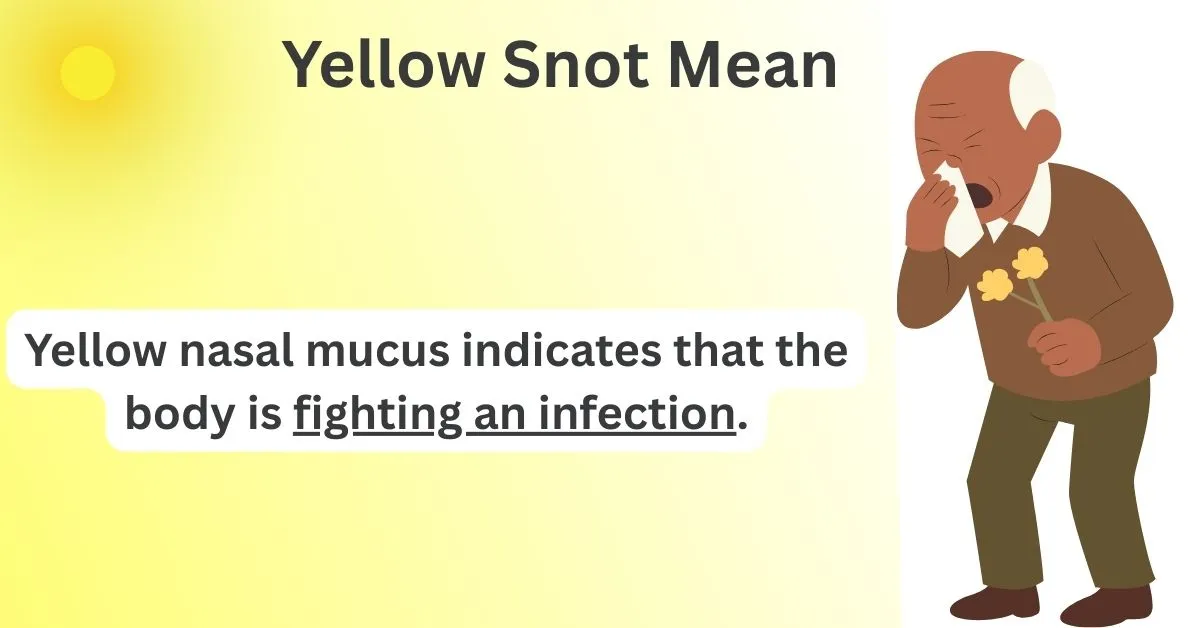
Noticing yellow snot can be surprising, a little gross, and sometimes worrying—but it’s usually your body sending a signal.
Mucus, commonly known as snot, plays an important role in keeping your nasal passages clear and protecting your body from dust, germs, and allergens.
Its color can change depending on what’s happening inside your body, and yellow mucus often sparks questions: Is it just a cold, or something more serious?
While seeing yellow snot isn’t always alarming, understanding why it happens can help you decide whether you need home care or a doctor’s visit.
In this article, we’ll explore the possible causes of yellow mucus, how to interpret it, the symptoms that matter, and ways to treat or prevent it. By the end, you’ll have a clear picture of what your yellow snot might be trying to tell you.
Understanding Mucus
Mucus, often called snot, is more than just a sticky nuisance—it’s a vital part of your body’s defense system. Produced by the lining of your nose and sinuses, mucus is mostly water but also contains proteins, antibodies, and special cells that help trap dust, bacteria, viruses, and other irritants before they reach your lungs. Think of it as your body’s natural air filter, constantly working to keep you healthy.
The color of your mucus can reveal a lot about what’s going on inside your body. Clear mucus is normal and usually indicates that your nasal passages are healthy and well-hydrated. White mucus can appear when you’re dehydrated or fighting off the early stages of an infection. Yellow mucus is often a sign that your immune system is hard at work—white blood cells are responding to invaders, and the resulting byproducts give mucus its yellow tint.
While yellow mucus is commonly associated with colds and mild infections, it can also appear in other situations, such as allergies, exposure to irritants like smoke or dust, or even dehydration. Understanding the role of mucus and the meaning behind its color is the first step in interpreting your body’s signals, helping you decide whether simple home care is enough or if you should seek medical advice.
Causes of Yellow Snot
Yellow snot usually indicates that your immune system is actively fighting something, but the exact cause can vary. One of the most common reasons is a viral infection, such as the common cold. When a cold virus infects your nasal passages, your body sends white blood cells to fight it. These cells, along with the trapped viruses and debris, can give your mucus a yellowish hue. Typically, this type of yellow snot is temporary and gradually clears as your body recovers.
Another cause is a bacterial infection, most often a sinus infection (sinusitis). Unlike a viral cold, bacterial infections can last longer, and yellow mucus may become thick, cloudy, or even greenish. Other symptoms, such as facial pain, fever, and persistent congestion, often accompany bacterial infections, signaling that medical attention might be necessary.
Allergies and irritants can also lead to yellow snot. Prolonged exposure to dust, pollen, smoke, or pollution can trigger inflammation in your nasal passages, producing mucus that changes color as your immune system responds.
Other contributing factors include dehydration, which can make mucus thicker and darker, and certain medications that dry out nasal passages. Understanding these causes can help you interpret yellow snot correctly, distinguishing between something minor and a sign that requires care.
How to Interpret Yellow Snot
Yellow snot can be confusing because it may indicate a normal bodily response or a potential health issue. The key to interpretation lies in context, consistency, and accompanying symptoms. Often, short-term yellow mucus is completely normal. For example, during the early stages of a cold, your snot may turn yellow as your body fights off the virus. This type of yellow mucus is usually thin, changes color over time, and improves within a few days.
However, there are times when yellow snot may signal something more serious. Persistent yellow mucus lasting longer than 10 days, or mucus accompanied by facial pain, pressure, or fever, could indicate a bacterial sinus infection. In these cases, medical evaluation is recommended, as antibiotics or other treatments may be necessary.
Comparing mucus colors can also help with interpretation. While yellow snot indicates immune activity, green mucus often suggests a higher concentration of white blood cells, and may appear later in the course of an infection. Brown or red mucus may result from dried blood or nasal irritation.
Environmental factors and personal habits matter too. Allergies, smoke exposure, and dehydration can also influence mucus color. By paying attention to symptoms, duration, and lifestyle factors, you can better determine whether yellow snot is simply a sign of your body working hard or a signal to seek medical care.
Symptoms to Watch For
While yellow snot is often harmless, certain accompanying symptoms can signal that something more serious may be happening. It’s important to pay attention not just to the color of your mucus, but also to how your body feels overall.
One key symptom to watch is fever. A mild temperature may occur with a common cold, but a persistent or high fever could indicate a bacterial infection requiring medical attention. Similarly, facial pain or pressure, especially around the sinuses, nose, or forehead, can suggest sinusitis. Swelling or tenderness in these areas is another warning sign.
Thick or foul-smelling mucus is another indicator. If yellow snot becomes dense, has an unusual odor, or turns green, it may be a sign of bacterial buildup rather than a viral cold. Post-nasal drip, where mucus runs down the back of the throat, can also cause throat irritation or a persistent cough.
Other symptoms that shouldn’t be ignored include difficulty breathing, persistent headaches, severe fatigue, or pain in the ears or teeth. For people with chronic conditions or weakened immune systems, even mild symptoms should be monitored carefully.
By paying close attention to these warning signs alongside the color of your snot, you can better determine whether home remedies are sufficient or if you need to consult a healthcare professional. Remember, yellow snot alone is often harmless, but when combined with these symptoms, it’s worth taking seriously.
Treatment and Home Care
In most cases, yellow snot can be managed at home with simple care strategies, especially when it’s caused by a mild viral infection or allergies. Hydration is one of the easiest and most effective remedies. Drinking plenty of water helps thin mucus, making it easier to drain and reducing nasal congestion. Warm fluids, like teas or broths, can also soothe irritated nasal passages and help clear mucus.
Nasal irrigation is another highly effective method. Using a saline spray or a neti pot can flush out irritants, allergens, and excess mucus from your sinuses. Steam inhalation—like breathing in the vapors from a hot shower or a bowl of hot water—can also loosen thick mucus and relieve congestion. Applying a warm compress over the nose and forehead may reduce sinus pressure and discomfort.
Over-the-counter remedies such as decongestants or antihistamines can provide temporary relief, especially if allergies or nasal swelling contribute to yellow mucus. Pain relievers like acetaminophen or ibuprofen can help ease accompanying headaches or sinus pain.
It’s important to avoid unnecessary antibiotics, as most yellow snot is caused by viruses, which antibiotics cannot treat. Rest and good nutrition support the immune system and speed up recovery.
If symptoms persist for more than 10 days, worsen, or are accompanied by severe pain, fever, or difficulty breathing, it’s crucial to consult a healthcare professional. Most yellow snot cases resolve naturally, but proper care and attention to warning signs ensure safe and effective recovery.
Prevention and Healthy Habits
Preventing yellow snot often comes down to maintaining good nasal health and supporting your immune system. One of the most effective strategies is hand hygiene. Frequent handwashing, especially after touching shared surfaces or being in public spaces, reduces the spread of viruses and bacteria that can lead to infections. Avoid touching your face, nose, or mouth with unwashed hands, as this is a common way germs enter your body.
Avoiding irritants is another key habit. Smoke, dust, strong chemicals, and air pollution can inflame nasal passages, triggering excess mucus production that may turn yellow. Using air purifiers, keeping living spaces clean, and limiting exposure to cigarette smoke can help protect your nasal health.
Supporting your immune system is equally important. A balanced diet, rich in fruits, vegetables, and lean proteins, provides essential vitamins and minerals that help fight infections. Adequate sleep and regular exercise also strengthen immunity, making your body less susceptible to colds and sinus infections.
For those with allergies, proactive management can prevent yellow mucus from developing. Taking allergy medications as prescribed, avoiding triggers, and using saline sprays or nasal irrigation during allergy season can keep mucus thin and clear.
Finally, staying hydrated ensures your mucus remains thin and able to drain effectively. Simple habits like drinking water throughout the day, maintaining proper humidity in your home, and practicing general wellness can reduce the frequency and severity of yellow snot episodes, keeping your nasal passages healthy and comfortable.
When to See a Doctor
While yellow snot is often harmless and resolves on its own, there are situations where it may signal a more serious condition, requiring medical attention. One key indicator is persistence: if yellow mucus lasts more than 10 days without improvement, it could suggest a bacterial sinus infection rather than a simple cold.
Severe or worsening symptoms are also warning signs. Facial pain or pressure around the sinuses, forehead, or teeth that intensifies over time may indicate an infection needing professional treatment. A high fever, especially one above 101°F (38.3°C), combined with yellow or green mucus, is another reason to see a doctor promptly.
Other concerning symptoms include difficulty breathing, persistent headaches, ear pain, or swelling in the face. For individuals with weakened immune systems, chronic illnesses, or respiratory conditions, even mild yellow snot should not be ignored.
Medical evaluation may include a physical exam, nasal endoscopy, or imaging studies to identify sinus blockages or infections. In some cases, a doctor may prescribe antibiotics if a bacterial infection is confirmed, or recommend other treatments to reduce inflammation and improve sinus drainage.
Ultimately, paying attention to the duration, severity, and accompanying symptoms of yellow snot helps determine when home care is sufficient and when professional care is necessary. While most cases are mild, seeking timely medical advice ensures proper treatment and prevents complications.
FAQs About Yellow Snot
Many people wonder about yellow snot and what it really means. Here are some frequently asked questions to help clarify common concerns:
1. Can yellow snot be contagious?
Yes, if the yellow mucus is caused by a viral infection like a cold, it can be contagious through coughing, sneezing, or close contact. Bacterial infections are less easily spread but still require caution.
2. How long does yellow snot usually last?
If it’s caused by a viral cold, yellow mucus often lasts a few days to a week. Bacterial infections may cause yellow or green mucus for 10 days or longer, sometimes requiring medical treatment.
3. Can allergies cause yellow mucus?
Yes, chronic exposure to allergens such as dust, pollen, or smoke can trigger yellow mucus. It usually appears alongside other allergy symptoms like sneezing, itchy eyes, or congestion.
4. Is green mucus worse than yellow?
Green mucus often indicates a higher concentration of white blood cells, meaning your immune system is actively fighting an infection. Both yellow and green mucus are typically part of the body’s natural defense, but persistent green mucus may need medical attention.
5. How can I get rid of yellow snot quickly?
Staying hydrated, using saline sprays or nasal irrigation, inhaling steam, and resting can help clear yellow mucus faster. Over-the-counter decongestants or antihistamines may provide relief if caused by allergies or congestion.
Answering these common questions can help you understand your body’s signals better. Yellow snot is usually not a cause for panic, but knowing the facts helps you respond appropriately and take action when necessary.
Conclusion
Yellow snot is a common experience that often signals your body is working to fight off infections or respond to irritants. In many cases, it is completely normal and temporary, especially during a mild cold or seasonal allergies.
Understanding what your mucus color means, alongside other symptoms, helps you determine whether simple home care is sufficient or whether you need professional medical attention.
Pay attention to warning signs such as persistent yellow or green mucus, high fever, severe facial pain, difficulty breathing, or swelling, as these may indicate a bacterial infection or other underlying issues requiring a doctor’s evaluation.
At the same time, don’t overlook simple remedies for relief: staying hydrated, using saline sprays or steam inhalation, and getting plenty of rest can significantly speed up recovery and ease discomfort.
Prevention is equally important. Practicing good hand hygiene, avoiding irritants, managing allergies, and maintaining a healthy lifestyle can reduce the likelihood of developing yellow snot in the first place.
Ultimately, yellow snot is usually a natural sign of your immune system at work.
By understanding the causes, interpreting accompanying symptoms, and practicing proper care and prevention, you can confidently manage yellow mucus and maintain nasal health.

Rafael Domínguez Gamas (born February 14, 1883 in Cárdenas, Tabasco; died January 23, 1959 in Veracruz) was a prominent Mexican lawyer, educator, journalist, writer, and academic. He studied law at the Instituto Juárez and also worked as a professor there. Early in his career he directed schools in various towns in Tabasco and contributed frequently to publications such as Alba, El Renacimiento, and El Eco de Tabasco. In 1914 he moved to Veracruz, where he worked with the journal El Dictamen. He was later elected a corresponding member of the Academia Mexicana de la Lengua for his contributions to Mexican literature and language studies. Domínguez authored numerous books and essays including Azul como tus ojos (1925) and Diccionario general de gentilicios (1948).