

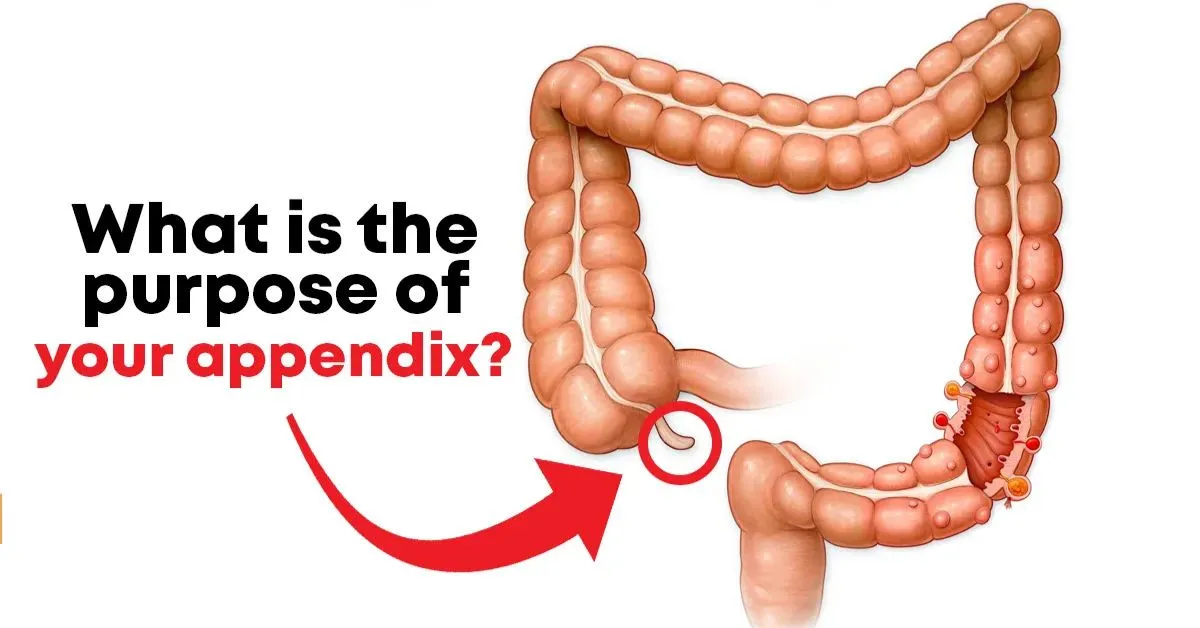
When most people think of the appendix, they imagine a useless organ that serves no purpose something doctors remove without hesitation.
But science tells a more fascinating story. Far from being just a leftover from evolution, the appendix plays important roles in our body, particularly in immunity and gut health.
This small, tube-like organ, located at the junction of the small and large intestines, has often been misunderstood and overlooked, yet research is uncovering surprising insights into its functions.
From supporting beneficial gut bacteria to assisting the immune system in detecting pathogens, the appendix may be quietly helping your body stay healthy.
In this article, we’ll explore what the appendix really does, debunk common myths, examine its evolutionary significance, and explain what happens if it becomes inflamed or needs to be removed.
By the end, you’ll see that this tiny organ is far more than just a “useless” vestige.
Anatomy of the Appendix
The appendix is a small, finger-shaped pouch that extends from the cecum, the first part of the large intestine, located in the lower right abdomen. On average, it measures about 3 to 4 inches (7 to 10 centimeters) in length, though its size and exact shape can vary from person to person. Despite its modest size, the appendix contains lymphoid tissue, which is rich in immune cells that help the body recognize and fight harmful pathogens.
Structurally, the appendix is a hollow tube lined with mucosa, similar to the rest of the intestines, and it connects to the cecum through a narrow opening. This small connection allows the appendix to communicate with the gut, giving it access to beneficial bacteria and intestinal contents. While its shape is generally tubular, some people may have curved, twisted, or even slightly coiled appendices.
Historically, the appendix was considered a vestigial organ a remnant of evolution with no function. However, modern research has shown that its lymphoid tissue and ability to harbor gut flora give it potential health roles beyond what was once believed. Its location near the junction of the small and large intestines also positions it perfectly to influence digestion and immunity subtly. Understanding the anatomy of the appendix is the first step toward appreciating why this small organ might be more important than previously thought.
Evolutionary Background
The appendix has long been labeled a “vestigial organ,” meaning it was thought to be a leftover from human evolution with no modern function. Early scientists believed it was once part of the digestive system of our herbivorous ancestors, helping them digest tough plant material. In those days, a larger cecum and appendix were essential for breaking down cellulose-rich diets. As humans evolved and our diets changed to include more cooked and easily digestible foods, the appendix gradually shrank, leading many to assume it had lost its purpose entirely.
However, recent research challenges this long-held belief. Scientists now suggest that the appendix may have been repurposed rather than becoming obsolete. Its lymphoid tissue and ability to house beneficial gut bacteria point to a role in immunity and microbiome support, rather than digestion alone. Comparative anatomy also shows that some mammals still retain a well-developed appendix, suggesting that the organ provides evolutionary advantages, particularly for maintaining healthy gut flora.
Interestingly, the appendix appears to have evolved independently in multiple mammalian lineages, which indicates that it offers some functional benefit, rather than being purely vestigial. While our ancestors may have relied on it for digesting fibrous plants, modern humans seem to benefit from its immune and microbiome-supporting roles. Understanding the appendix’s evolutionary history helps explain why this small organ, once considered useless, may still play a subtle yet important part in human health today.
The Function of the Appendix
For many years, the appendix was thought to be useless, but modern science reveals that it has several important functions in the human body. One of its primary roles is supporting the immune system. The appendix contains lymphoid tissue, which produces white blood cells and antibodies that help the body detect and fight infections. This makes the appendix a small but active participant in the body’s immune defense.
Another vital function is its role in maintaining gut health. The appendix acts as a “safe house” for beneficial gut bacteria. During illnesses that flush out bacteria from the intestines, the appendix can help repopulate the gut with these helpful microbes, supporting digestion and overall immunity. This function is especially important in balancing the gut microbiome, which is increasingly recognized as essential for physical and even mental health.
The appendix may also serve as an evolutionary backup system. While humans no longer rely on it to digest tough plant fibers like our ancestors did, it still contributes to the body’s resilience against infections and gut disturbances. In addition, research suggests that the appendix can influence immune signaling, helping the body respond appropriately to pathogens.
In short, the appendix is far from a useless organ. Its immune and gut-supporting roles make it a small but significant contributor to overall health, quietly working behind the scenes to keep the digestive and immune systems balanced.
Common Myths About the Appendix
The appendix has been surrounded by myths for centuries, largely because its true function was misunderstood. One of the most common myths is that the appendix is completely useless. While early scientists labeled it a vestigial organ with no purpose, modern research has shown that it plays a role in immunity and maintaining beneficial gut bacteria. Far from being irrelevant, the appendix contributes to keeping the digestive and immune systems healthy.
Another widespread misconception is that removing the appendix has no long-term effects. While people can live without it, the organ’s absence may slightly reduce the gut’s ability to restore healthy bacteria after infections. Studies suggest that individuals without an appendix may have minor differences in their gut microbiome, which could affect digestion and immune responses. This shows that while removal is often necessary during appendicitis, the organ does serve a subtle but meaningful purpose when present.
A third myth is that the appendix only causes problems. Many people associate it exclusively with appendicitis, believing it is a dangerous organ with no benefits. In reality, inflammation is just one potential issue, and most of the time, the appendix functions without causing any health problems.
By understanding these myths, it becomes clear that the appendix is more than a “useless” remnant of evolution. Its roles in immune defense and gut health highlight that this small organ deserves more recognition than it often receives.
Health Issues Related to the Appendix
Although the appendix can support immunity and gut health, it is also prone to certain health problems, the most common being appendicitis. Appendicitis occurs when the appendix becomes inflamed, often due to a blockage from stool, mucus, or infection. This can lead to severe abdominal pain, usually starting near the navel and then shifting to the lower right abdomen. Other symptoms include nausea, vomiting, fever, and loss of appetite. If left untreated, an inflamed appendix can burst, causing a potentially life-threatening infection called peritonitis, which requires immediate medical attention.
The standard treatment for appendicitis is surgical removal, known as an appendectomy. However, the appendix’s removal does mean losing its supportive role in gut health. While most people experience no major complications, some studies suggest that the gut may take slightly longer to restore healthy bacterial populations after gastrointestinal infections without the appendix’s “safe house” function.
Rarely, the appendix can develop other issues, such as tumors or chronic inflammation, but these are much less common than appendicitis. Preventing appendix-related problems is difficult, as the exact causes of appendicitis are not fully understood. Nonetheless, being aware of early symptoms and seeking prompt medical care is crucial to prevent serious complications.
Understanding both the benefits and vulnerabilities of the appendix highlights why this small organ, while sometimes problematic, plays an important role in overall health.
Signs You Should Be Concerned About Your Appendix
The appendix usually functions quietly in the body, but problems can arise, most notably appendicitis, which requires urgent medical attention. Recognizing the warning signs early can prevent serious complications. One of the most common indicators is abdominal pain, which often begins near the navel and gradually shifts to the lower right side of the abdomen. The pain typically intensifies over several hours and may worsen with movement, coughing, or pressing on the area.
Other symptoms often accompany this pain. Nausea, vomiting, and loss of appetite are frequent early warning signs, along with mild fever. Some people may experience bloating, constipation, or diarrhea, but these are less consistent indicators.
It’s important to remember that not all cases follow the classic pattern, especially in children, older adults, or pregnant individuals. In these populations, symptoms may be more subtle or appear in different areas of the abdomen.
If you experience a combination of severe abdominal pain, nausea, vomiting, fever, or other unusual digestive symptoms, it’s crucial to seek immediate medical attention. Early diagnosis and treatment of appendicitis usually through an appendectomy significantly reduce the risk of complications like a ruptured appendix or peritonitis.
Being alert to these warning signs ensures that you can protect your health and respond promptly if your appendix becomes inflamed, rather than assuming that abdominal discomfort is minor or temporary.
Fun Facts About the Appendix
Despite being small and often overlooked, the appendix has some surprising and fascinating aspects that many people don’t know. For starters, the appendix isn’t unique to humans it’s present in many other mammals, including some primates, rabbits, and even koalas. While the size and shape may vary, its presence across species suggests that it serves an evolutionary purpose, even if humans no longer rely on it for digestion.
Another fun fact is that the appendix can act as a “safe house” for beneficial bacteria. During illnesses that flush out gut microbes, the appendix can help restore healthy bacteria, essentially acting as a backup system for the digestive system. This role may have been critical for our ancestors, helping them recover from infections that disrupted digestion.
Interestingly, the appendix has appeared in human culture and language in unexpected ways. Yet modern science has slowly challenged that notion, showing that it has subtle but important functions.
Finally, not everyone has an appendix of the same size or shape. Some people have curved, coiled, or even slightly longer appendices, and its position can vary slightly within the lower abdomen. Despite these differences, it generally performs the same immune and gut-supporting functions.
These fun facts highlight that the appendix is more than just a tiny organ in your abdomen it’s a remarkable example of evolution, adaptation, and the hidden ways our bodies work to maintain health.
FAQs About the Appendix
1. What does the appendix do in humans?
The appendix supports the immune system and acts as a “safe house” for beneficial gut bacteria, helping maintain a healthy microbiome.
2. Can you live without your appendix?
Yes, people can live without it. Removal does not usually cause major health issues, but the gut loses its backup source of beneficial bacteria.
3. What happens if your appendix bursts?
A ruptured appendix can cause peritonitis, a life-threatening infection in the abdominal cavity. Immediate medical care and surgery are required.
4. Is the appendix really useless?
No. While it is smaller and less critical than other organs, it plays subtle but important roles in immunity and gut health.
5. What are the symptoms of appendicitis?
Common signs include abdominal pain (starting near the navel and moving to the lower right abdomen), nausea, vomiting, fever, and loss of appetite.
6. How long does it take to recover from an appendix removal?
Recovery from an appendectomy usually takes 1–3 weeks, depending on the procedure (laparoscopic or open surgery) and individual health.
7. Does appendix removal affect digestion or immunity?
Most people do not experience major problems after removal, but the gut may have a slightly reduced ability to quickly restore beneficial bacteria after infections.
These frequently asked questions help clarify the role, importance, and potential issues of the appendix.
Conclusion
While small and easily overlooked, this finger-shaped pouch in the lower right abdomen plays important roles in immunity and gut health.
Its lymphoid tissue helps detect pathogens and contributes to the body’s immune responses, while its unique ability to harbor beneficial gut bacteria makes it a backup system for maintaining a healthy microbiome.
Even though humans no longer rely on the appendix to digest fibrous plants like our ancestors did, it continues to serve subtle yet meaningful functions.
Appendicitis remains the primary health concern associated with the appendix, making awareness of symptoms such as abdominal pain, nausea, and fever crucial.
Removal of the appendix through an appendectomy is generally safe, and most people recover fully.
However, its absence does reduce the body’s ability to quickly restore gut bacteria after illness, highlighting that even small organs have roles worth understanding.
By exploring the anatomy, function, evolutionary background, and myths surrounding the appendix, it becomes clear that this tiny organ is far from useless.
Respecting its role in immunity and gut health and responding promptly to warning signs can help protect overall wellness.
The appendix may be small, but its contribution to the body is bigger than most people realize.

Margaret Johnson was an American blues and early jazz vocalist and pianist active during the 1920s. She began her recording career in the early part of that decade, performing in vaudeville and jazz ensembles, and is best remembered for her work in blues music.