
Choosing the right bouncer for your baby can feel overwhelming, especially with safety as the top priority.
One of the most important factors parents often overlook is the weight limit of their baby’s bouncer. Exceeding this limit can compromise stability, affect the bouncer’s motion, and even put your little one at risk of injury.
With so many models on the market, it’s easy to get confused about which Baby Delight bouncer is suitable for your child and how long you can safely use it.
This guide will walk you through the official Baby Delight bouncer weight limits, explain why these limits matter, and help you identify the signs that your baby has outgrown the seat.
We’ll also cover model differences, safety tips, and alternatives for older babies, giving you a complete roadmap to keep your baby both safe and comfortable while enjoying their bouncer.
Baby Delight Bouncer Weight Limit Quick Answer
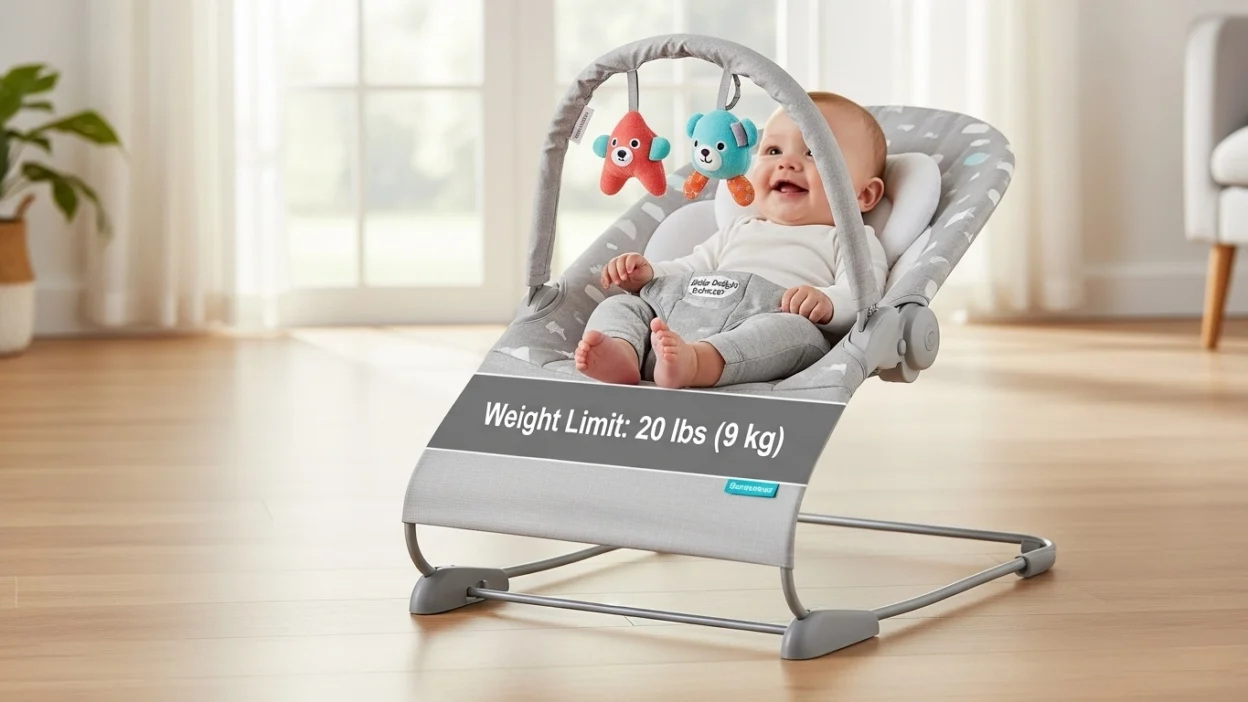
When it comes to Baby Delight bouncers, understanding the weight limit is crucial for your baby’s safety. Most Baby Delight bouncer models are designed to accommodate babies from newborn up to approximately 25 pounds (11.3 kg). This range is ideal for infants until they are around 6–12 months old, depending on the baby’s growth rate. Exceeding this weight can cause the bouncer to become unstable, affect the bouncing motion, or even increase the risk of tipping over.
Different models may have slight variations in weight limits. For instance, the Baby Delight Simple Fold Bouncer generally supports up to 25 pounds, while some deluxe or portable versions may handle slightly higher or lower limits. Always check the specific model’s manual for the exact weight recommendation before using it.
It’s also important to pair the weight limit with age and developmental stage. Even if a baby is under 25 pounds, they may need more head or neck support, or may be starting to sit up independently, which can affect safety.
In short, the safe weight range for most Baby Delight bouncers is 0–25 pounds, but always consult your bouncer’s manual. Following this guideline ensures your baby enjoys the bouncer safely, while giving you peace of mind as a parent.
Why Weight Limits Are Important
Weight limits on baby bouncers are not arbitrary—they exist for a very important reason: your baby’s safety. Every bouncer is designed to support a specific weight range, ensuring the seat remains stable and the bouncing mechanism functions correctly. When a baby exceeds this limit, the risk of tipping, falling, or malfunctioning increases significantly. Even a slight overage can cause the straps to fail or the frame to wobble, putting your little one in danger.
Beyond physical safety, following the weight limit also ensures proper support for your baby’s growing body. Babies’ muscles, necks, and spines are still developing, and a bouncer that’s too small or overstressed may not provide adequate head, neck, and back support. This can lead to discomfort or even minor injuries over time.
Additionally, adhering to weight guidelines helps preserve the longevity and effectiveness of the bouncer itself. Overloading the product can cause wear and tear on the frame, springs, and fabric, which may shorten its lifespan.
Finally, most baby bouncer manufacturers, including Baby Delight, design their products according to strict safety regulations. Ignoring weight limits not only compromises your baby’s safety but also voids warranties and may go against recommended usage instructions.
In summary, understanding and following your bouncer’s weight limit is essential for safety, comfort, and durability. It ensures your baby enjoys the bouncer safely while protecting both your child and your investment.
Baby Delight Bouncer Models and Their Weight Limits
Baby Delight offers a variety of bouncer models, each designed with safety, comfort, and convenience in mind. While most share a similar weight limit of up to 25 pounds, small differences exist depending on the model and features. Knowing the exact weight limits for each model helps parents choose the right bouncer for their baby’s size and developmental stage.
- Baby Delight Simple Fold Bouncer – This is one of the most popular models due to its portability and foldable design. It typically supports babies from newborn to 25 pounds, making it suitable for the first several months. Its simple frame and soft padding make it lightweight and easy to move around the house.
- Baby Delight Comfort & Harmony Bouncer – With extra padding and gentle rocking motion, this model also supports up to 25 pounds. It is ideal for parents looking for added comfort and a more relaxed bouncing experience for their baby.
- Baby Delight Deluxe Portable Bouncer – This model often supports a slightly higher range in some variations, around 25–28 pounds, depending on the specific design. It is great for parents who need a portable bouncer for travel or multi-room use.
- Other Specialty Models – Some specialty or activity-focused bouncers may have slightly lower limits, usually around 22–24 pounds, due to additional attachments or features. Always check the manual for the exact weight recommendation.
A simple comparison table can help visualize the differences:
| Model | Weight Limit | Age Range | Features |
|---|---|---|---|
| Simple Fold | 25 lbs | 0–12 months | Lightweight, foldable |
| Comfort & Harmony | 25 lbs | 0–12 months | Extra padding, gentle rocking |
| Deluxe Portable | 25–28 lbs | 0–12 months | Portable, travel-friendly |
Understanding these limits ensures your baby enjoys the bouncer safely while giving you peace of mind.
Signs Your Baby Has Outgrown the Bouncer
Even if your baby hasn’t yet reached the official weight limit, there are several signs that indicate it may be time to transition out of the bouncer. Recognizing these signals is important to ensure your child’s safety and comfort.
1. Physical Signs:
- Your baby’s legs may start kicking out of the bouncer, making it difficult to sit comfortably.
- The head may extend beyond the support, especially if your baby can now sit up or control their neck.
- Slipping through the straps or feeling cramped in the seat is a clear indicator that the bouncer is too small.
2. Behavioral Signs:
- Your baby becomes fussy, restless, or uncomfortable while in the bouncer.
- Attempts to climb or move out of the bouncer show they need more freedom to explore.
- Reduced enjoyment of the bouncing motion may indicate they are ready for a new stage of activity.
3. Developmental Milestones:
- Once your baby can sit up independently, the bouncer may no longer provide proper support.
- Babies who roll over frequently may be at risk if left in a bouncer for extended periods.
4. Transition Recommendations:
- Consider moving your baby to a toddler activity chair, floor play mat, or stationary swing.
- Ensure any new seat offers proper support for head, neck, and spine.
By paying attention to these physical, behavioral, and developmental cues, you can safely transition your baby out of the bouncer before reaching the weight limit, keeping playtime both fun and safe.
Safety Tips for Using a Baby Delight Bouncer
Ensuring your baby’s safety while using a bouncer is just as important as knowing the weight limit. Even within the recommended range, improper use can lead to accidents or discomfort. Here are some essential safety tips to follow:
1. Always Use the Harness:
The straps and harness are designed to keep your baby securely in place. Make sure the harness fits snugly around your baby’s chest and shoulders without being too tight. Never place your baby in the bouncer without securing the straps.
2. Supervise at All Times:
Never leave your baby unattended, even for a few minutes. Babies can shift unexpectedly, and a quick glance away could result in a fall or tip-over.
3. Place on a Flat Surface:
Always use the bouncer on a stable, flat floor. Avoid placing it on beds, couches, or elevated surfaces, as these increase the risk of tipping.
4. Check the Weight Limit:
Ensure your baby has not exceeded the bouncer’s weight limit. Regularly monitor growth and adjust usage accordingly.
5. Avoid Loose Objects Nearby:
Keep toys, blankets, and other objects away from the bouncer that your baby could pull on, which might destabilize the seat.
6. Inspect the Bouncer Regularly:
Check for loose screws, worn fabric, or damaged springs before each use. Early detection prevents accidents.
7. Limit Time in the Bouncer:
Prolonged use can strain your baby’s muscles and spine. Rotate with floor play or supervised tummy time for a balanced routine.
Pros and Cons of Baby Delight Bouncers
Baby Delight bouncers are a popular choice among parents for their convenience, portability, and comfort. However, like any baby product, they come with both advantages and limitations. Understanding these can help parents make an informed decision.
Pros:
- Lightweight and Portable – Most Baby Delight bouncers are easy to fold and carry, making them perfect for moving around the house or traveling.
- Comfortable Design – Soft padding and gentle bouncing motions help soothe babies and provide a cozy space for rest or play.
- Suitable for Newborns – Designed with proper head and neck support, many models are safe for newborn use.
- Affordable – Compared to high-end bouncers, Baby Delight models offer excellent quality at a reasonable price.
- Variety of Models – Options like Simple Fold, Comfort & Harmony, and Deluxe Portable cater to different parent needs, whether for home or travel.
Cons:
- Limited Weight Range – Most bouncers support up to 25 pounds, which means babies outgrow them relatively quickly.
- Not Ideal for Long-Term Use – As your baby grows, they may need more upright seating, making the bouncer a temporary solution.
- Basic Features – Some models lack advanced features like vibration settings, music, or reclining adjustments found in pricier alternatives.
- Requires Supervision – Bouncers are safe when used correctly, but constant supervision is necessary, especially for active babies.
In summary, Baby Delight bouncers offer a safe, portable, and affordable solution for infants, but parents should be aware of weight limits and time restrictions to ensure continued safety and comfort.
Alternatives if Your Baby Exceeds the Weight Limit
Once your baby surpasses the weight limit of a Baby Delight bouncer, it’s important to transition to a safer alternative. Continuing to use a bouncer beyond its recommended weight can compromise safety and stability. Fortunately, there are several options designed for older infants and toddlers.
1. Larger Bouncers or Activity Chairs:
Some brands offer bouncers or activity chairs that support higher weight limits, often up to 35–40 pounds. These seats provide additional support and are built to accommodate more active or older babies. Look for models with reinforced frames and adjustable harnesses.
2. Stationary Baby Swings:
Stationary swings are ideal for babies who enjoy gentle rocking but have outgrown the standard bouncer. Many swings support babies up to 30 pounds or more and offer features like reclining seats, vibration, and soothing sounds.
3. Floor Play Mats and Activity Gyms:
For babies who are very active or learning to sit, floor play mats or activity gyms provide a safe, open space for movement. They encourage crawling, stretching, and play without weight restrictions.
4. Convertible Infant Seats:
Convertible seats can serve multiple purposes, from infant bouncer to toddler seat, often supporting higher weight ranges and extended use. These are ideal for parents looking for a long-term investment.
Tips for Choosing an Alternative:
- Check the weight and age limits before purchase.
- Ensure the seat offers adequate head, neck, and back support.
- Look for durable materials that can handle active babies safely.
Switching to these alternatives keeps your baby safe, comfortable, and engaged while providing peace of mind for parents as your child grows.
FAQs:
1. Can a newborn safely use a Baby Delight bouncer?
Yes, most Baby Delight bouncers are designed for newborns, providing proper head, neck, and back support. Always use the harness and follow the weight recommendations.
2. What happens if my baby slightly exceeds the weight limit?
Even a small excess can compromise stability and strain the frame or straps. It’s best to transition to a larger bouncer or alternative seat once your baby approaches the limit.
3. How long can a Baby Delight bouncer typically be used?
Most babies use these bouncers safely until they reach 25 pounds or begin sitting up independently, usually between 6–12 months. Growth rate and activity level may vary, so monitor your baby regularly.
4. Are all Baby Delight bouncers the same in weight limits?
No, weight limits can slightly vary depending on the model. Check the product manual for the exact limit of your specific bouncer. Most models range from 25–28 pounds.
5. How should I maintain my bouncer for safety?
Regularly inspect for loose screws, worn fabric, or damaged springs. Keep the seat clean, dry, and free of objects that may interfere with stability.
6. Can the bouncer be used on elevated surfaces like beds?
No, always place the bouncer on a flat, stable floor. Elevated surfaces increase the risk of tipping or falling.
Conclusion
Understanding the Baby Delight bouncer weight limit is essential for keeping your baby safe, comfortable, and happy.
Following the recommended limits ensures that the bouncer remains stable and provides proper support for your baby’s head, neck, and spine.
Even before reaching the maximum weight, it’s important to watch for physical, behavioral, and developmental signs that indicate your baby may have outgrown the seat.
By paying attention to these cues, parents can smoothly transition to larger bouncers, activity chairs, or floor play mats when needed.
Additionally, following safety tips such as using the harness, placing the bouncer on a flat surface, and supervising your baby at all times can prevent accidents and maximize comfort.

Fyodor Dostoevsky (1821–1881) was a renowned Russian novelist, short story writer, essayist, and philosopher whose works explore human psychology, morality, and existential dilemmas. Best known for classics like Crime and Punishment, The Brothers Karamazov, and The Idiot, Dostoevsky’s writing has influenced literature, psychology, and philosophy worldwide.