

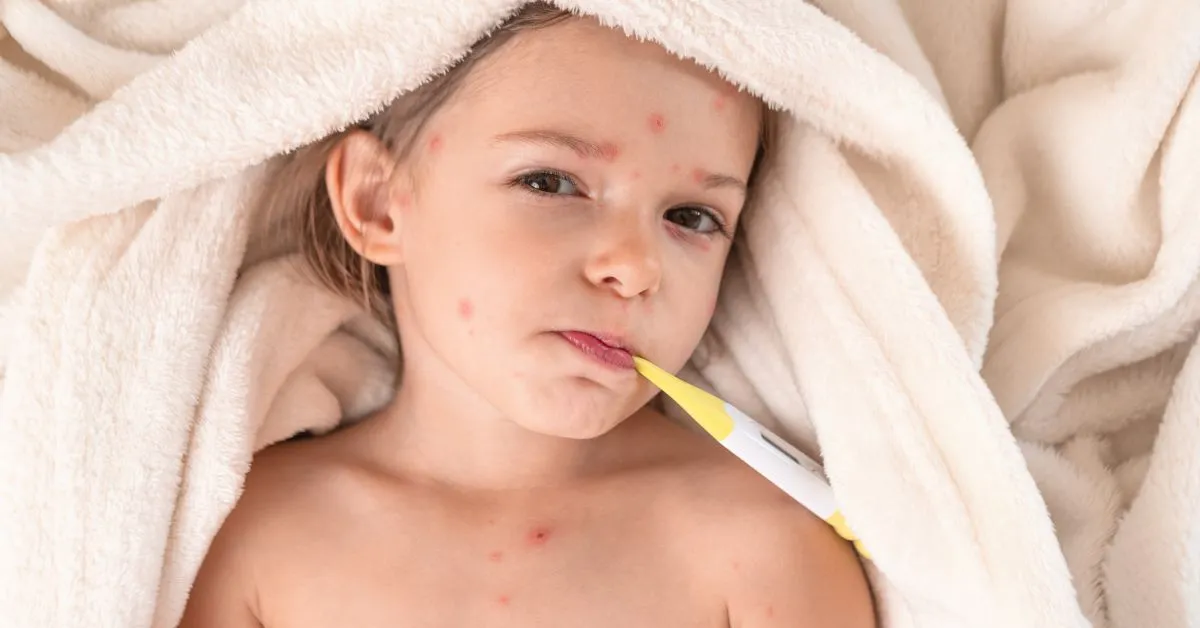
Chicken pox, medically known as varicella, is a highly contagious viral infection that primarily affects children but can also occur in adults.
One of the most recognizable signs of chicken pox is its distinctive skin rash, which evolves through multiple stages from small red spots to fluid-filled blisters and eventually scabs.
Understanding what chicken pox looks like can help parents, caregivers, and adults identify the infection early, manage symptoms effectively, and prevent spreading it to others.
While chicken pox is often mild in children, adults may experience more severe symptoms and complications, making early recognition crucial.
In this comprehensive guide, we’ll take you through the visual stages of chicken pox, explain how it appears on different parts of the body, highlight differences between children and adults, and offer tips for managing the rash.
By the end, you’ll know exactly what chicken pox looks like and how to respond safely.
What Is Chicken Pox?
Chicken pox is an infectious disease caused by the varicella-zoster virus, a member of the herpesvirus family. It is most commonly seen in children under the age of 12, although adults who have never had the infection or the vaccine can also contract it. The disease spreads easily from person to person through airborne droplets when an infected person coughs or sneezes, or through direct contact with the fluid from chicken pox blisters. Because of its highly contagious nature, it is not uncommon for entire families or classrooms to be affected during an outbreak.
The incubation period, which is the time between exposure to the virus and the appearance of symptoms, typically lasts 10 to 21 days. Early symptoms often resemble a mild flu, including fever, fatigue, headache, and loss of appetite, which can appear a few days before the rash becomes visible.
The hallmark of chicken pox is the itchy, red skin rash that progresses through several stages, from small spots to raised bumps, fluid-filled blisters, and eventually crusted scabs. While chicken pox is usually mild in children, adults may experience more intense symptoms and are at higher risk of complications such as pneumonia, bacterial infections of the skin, or inflammation of internal organs.
Vaccination is the most effective way to prevent chicken pox, significantly reducing the severity of the disease and the risk of complications. Understanding what chicken pox looks like at different stages helps in early identification and proper care for both children and adults.
What Does Chicken Pox Look Like at the Beginning?
The first signs of chicken pox often appear before the rash, making early detection tricky. Most people experience flu-like symptoms such as mild fever, fatigue, headache, and a general feeling of being unwell. These early warning signs can appear 1 to 2 days before the rash, and some individuals may also lose their appetite or feel irritable. Recognizing these initial symptoms is important, especially for parents, as they can indicate the onset of chicken pox before visible skin changes occur.
When the rash begins, it usually starts as tiny red spots known as macules. These spots often appear first on the face, chest, and back, gradually spreading to the arms, legs, and sometimes the scalp. At this stage, the spots may resemble small pimples, insect bites, or even an allergic rash, making them easy to miss. The number of spots can vary depending on the person’s age and the severity of the infection.
Within a few hours to a day, the red spots become slightly raised bumps called papules, which are more noticeable and may start to itch. Some children may scratch them without realizing, which can increase the risk of infection and scarring. Early recognition of these initial spots allows for better symptom management, isolation to prevent spreading the virus, and timely consultation with a healthcare provider if needed.
By understanding what chicken pox looks like at the beginning, parents and caregivers can act quickly, helping reduce discomfort and preventing complications.
Stages of Chicken Pox Rash (Visual Progression)
The chicken pox rash is the most recognizable feature of the infection and progresses through distinct stages over several days. Understanding these stages helps in identifying the illness and managing symptoms effectively.
Stage 1: Red Spots (Macules)
The rash begins with flat red spots, often small and scattered. These macules usually appear first on the face, chest, and back before spreading to other parts of the body. At this stage, the spots are typically mild, and itching may be minimal.
Stage 2: Raised Bumps (Papules)
Within hours to a day, the red spots become raised bumps, called papules. These bumps are slightly inflamed and may feel tender or warm to the touch. Mild itching usually begins here, and new spots may continue to appear as the virus spreads beneath the skin.
Stage 3: Fluid-Filled Blisters (Vesicles)
The papules soon develop into small, fluid-filled blisters. These vesicles are clear at first but may become cloudy over time. This is the most contagious stage, as the fluid contains the varicella virus. The blisters are often extremely itchy, and scratching can increase the risk of infection and scarring.
Stage 4: Open Sores and Oozing
Some blisters may break open, forming shallow sores that can ooze fluid. These areas are vulnerable to bacterial infections, so it’s important to keep them clean and avoid scratching.
Stage 5: Scabbing and Healing
Finally, the blisters dry out and form brown or reddish scabs, signaling the healing process. Over 1 2 weeks, these scabs fall off, often without leaving marks if scratching is avoided.
By recognizing each stage, parents and caregivers can monitor the infection, manage itching, and prevent complications effectively.
What Does Chicken Pox Look Like Day by Day?
Chicken pox develops over a series of days, and the appearance of the rash changes noticeably during this time. Understanding the day-by-day progression can help parents and caregivers identify the infection early and provide proper care.
Day 1 2: Early Red Spots
The first visible signs of chicken pox are tiny red spots (macules), often appearing on the face, chest, and back. These spots may resemble insect bites or mild rashes and are usually accompanied by low-grade fever, fatigue, and headache. New spots may continue to appear for several days.
Day 3 5: Raised Bumps and Blisters
Red spots develop into raised bumps (papules) and then into fluid-filled blisters (vesicles). At this stage, the rash spreads to the arms, legs, and sometimes the scalp. The blisters are itchy, and scratching should be avoided to prevent scarring or infection. This is the most contagious period, as the blisters contain the active virus.
Day 6 10: Blisters Burst and Begin Scabbing
Some blisters may break open, oozing fluid, which can increase the risk of secondary bacterial infections. Over these days, the blisters begin to dry out and form scabs, and new spots gradually stop appearing. Fever and other early symptoms usually start to subside.
Day 10 14: Healing Stage
By the second week, most blisters have scabbed over, and the skin begins to heal. The scabs eventually fall off, often without leaving permanent marks if the rash was not scratched.
Knowing this daily progression helps caregivers track the infection, manage symptoms, and prevent the spread of chicken pox effectively.
What Does Chicken Pox Look Like on Different Body Parts?
Chicken pox can appear on nearly any part of the body, and the rash may look slightly different depending on the area. Recognizing how it manifests across the body can help in identifying the infection early and managing symptoms effectively.
Face and Scalp
On the face, chicken pox usually starts as small red spots that may rapidly progress to raised bumps and blisters. The rash often spreads to the scalp, where it can be harder to notice under hair. Blisters in these areas are sensitive and may cause discomfort when touched.
Chest, Back, and Abdomen
These areas are typically the most affected. The rash often appears in clusters, beginning with flat red spots, which quickly become raised, itchy bumps and then fluid-filled blisters. The spread is often symmetrical, covering large portions of the torso.
Arms, Legs, Hands, and Feet
The rash can extend to the limbs, often appearing later than on the trunk. Blisters on the hands and feet may be smaller but just as itchy.
Inside the Mouth and Throat
In some cases, chicken pox can cause painful sores in the mouth or throat, making eating and drinking uncomfortable.
Genital Area and Eyelids
Although less common, blisters may appear in the genital region or near the eyes. These areas are more delicate, and care should be taken to avoid scratching or infection.
By observing where the rash appears and how it progresses on different body parts, parents and caregivers can better understand the severity of the infection and take appropriate steps to manage it safely.
What Does Chicken Pox Look Like in Children vs Adults?
Chicken pox can affect both children and adults, but the appearance and severity of the rash often differ between the two groups. Understanding these differences helps in monitoring the infection and providing appropriate care.
In Children
Children usually experience milder symptoms. The rash may appear as small red spots that quickly develop into itchy, fluid-filled blisters. The blisters often occur in clusters, mainly on the face, chest, and back, and spread gradually to the limbs. Most children have fewer blisters, and the scabbing stage occurs faster. Fever and other systemic symptoms like fatigue or headache are generally mild. Itching can still be uncomfortable, but with proper care, children typically recover without complications or lasting marks.
In Adults
Adults, on the other hand, often experience a more severe rash with larger and more numerous blisters. The spots may be deeper and more inflamed, sometimes causing pain in addition to intense itching. Adults are also more likely to develop complications, such as bacterial infections of the blisters, pneumonia, or inflammation of internal organs. Fever tends to be higher and may last longer. Because the rash can be more widespread, adults may notice blisters appearing in less common areas, including the mouth, scalp, or genital region.
While the visual stages of chicken pox red spots, raised bumps, blisters, and scabs are similar in children and adults, adults generally experience more intense symptoms and slower healing. Early recognition and proper care are particularly important in adults to prevent complications and minimize discomfort.
Chicken Pox vs Other Similar Rashes
Chicken pox can sometimes be confused with other skin conditions that cause rashes, making proper identification important for effective treatment and prevention. Knowing the differences helps distinguish chicken pox from other illnesses.
Chicken Pox vs Measles
Measles typically starts with a high fever, cough, and runny nose, followed by a red rash that begins on the face and spreads downward. Unlike chicken pox, measles spots are flat and merge together, and blisters do not form. Chicken pox, in contrast, presents with raised, fluid-filled blisters that appear in clusters at different stages.
Chicken Pox vs Hand-Foot-Mouth Disease
Hand-foot-mouth disease mostly affects children and causes sores in the mouth and red spots on hands and feet, sometimes with small blisters. Chicken pox, however, spreads over the trunk, face, and limbs and usually involves more numerous blisters.
Chicken Pox vs Shingles
Shingles is caused by the reactivation of the varicella-zoster virus in adults and appears as a painful, localized rash, often in a single band on one side of the body. Chicken pox, in contrast, is widespread and occurs primarily in children, with blisters in multiple areas.
Chicken Pox vs Allergic Rash
Allergic rashes are often flat, red, and itchy, but they do not progress to fluid-filled blisters. They can appear suddenly after exposure to allergens and usually resolve quickly once the trigger is removed.
By understanding these differences, caregivers and adults can more confidently identify chicken pox, prevent unnecessary panic, and seek medical care when needed. Recognizing the unique blistering pattern and stage progression is key to distinguishing chicken pox from other rashes.
Is Chicken Pox Always Itchy?
One of the most well-known symptoms of chicken pox is itching, but it’s important to understand that the intensity and presence of itchiness can vary depending on age, severity, and individual sensitivity. Most people experience moderate to intense itching, especially during the blister stage, but some mild cases may cause only minor discomfort.
The itchiness begins when the red spots and raised bumps form on the skin, often worsening as the blisters fill with fluid. This is due to the body’s immune response to the varicella virus, which triggers inflammation and irritation in the affected areas. Scratching is a natural reaction, but it can be harmful. Excessive scratching can lead to infection and increase the likelihood of permanent scarring, especially in children who may have trouble controlling the urge to scratch.
There are several ways to manage itching safely. Using cool compresses on affected areas can relieve discomfort, while calamine lotion or oatmeal baths can soothe irritated skin. It’s also helpful to keep fingernails short and consider wearing soft, breathable clothing to reduce friction on the blisters.
It’s worth noting that not all blisters itch equally some may be more tender or painful than itchy, particularly in adults, where the rash can be more severe. By understanding that itching is common but not universal, caregivers can monitor symptoms carefully, provide relief safely, and prevent complications. Recognizing and managing itchiness is a crucial part of caring for someone with chicken pox.
Does Chicken Pox Leave Scars?
Chicken pox can sometimes leave scars, but whether scarring occurs depends largely on how the blisters are treated and the severity of the rash. Most cases, especially in children, heal without permanent marks if the blisters are left intact and scratching is avoided. The natural healing process involves blisters drying out, forming scabs, and gradually falling off, leaving the skin underneath restored.
Scarring is more likely to occur in cases where the blisters are scratched or picked at, as this can cause secondary bacterial infections. Open sores are vulnerable, and infections can deepen the wound, leading to permanent pockmarks or dark spots. Severe cases with numerous blisters or those affecting adults are also at higher risk of scarring because the skin may take longer to heal and be more prone to damage.
Certain preventive measures can significantly reduce the risk of scars. Keeping fingernails short, wearing soft, breathable clothing, and applying soothing lotions like calamine can help minimize irritation and scratching. For children, distractions such as toys or gentle supervision can prevent inadvertent scratching during sleep.
Even if minor scars do develop, they often fade over time, and in most cases, they are not highly noticeable. For adults or those concerned about long-term skin appearance, consulting a dermatologist for topical treatments or scar reduction therapies may be helpful. Proper care during the rash stage is the key to preventing permanent marks and ensuring smooth healing.
How Long Does Chicken Pox Last?
The duration of chicken pox can vary depending on age, severity, and overall health, but the infection generally lasts about 7 to 14 days from the appearance of the first symptoms. Understanding the timeline helps caregivers monitor the illness and know what to expect at each stage.
Incubation Period: After exposure to the varicella virus, there is typically an incubation period of 10 to 21 days, during which the virus multiplies in the body without visible symptoms. During this time, the infected person may feel well and may not realize they are contagious.
Early Symptoms (1 2 Days): The first signs often include mild fever, fatigue, headache, and loss of appetite, occurring a day or two before the rash appears.
Rash Development (Days 3 7): Small red spots appear and quickly progress to raised bumps and fluid-filled blisters. New spots may continue to form for several days, and itching is typically most intense during this period.
Blister Healing (Days 7 10): Blisters begin to dry out and form scabs, reducing itchiness and signaling the start of recovery.
Full Recovery (Days 10 14): Most blisters have scabbed over and started to fall off naturally. Fever and other systemic symptoms usually resolve, and the person is no longer contagious once all blisters have crusted.
While the typical course is 1 2 weeks, adults or individuals with weakened immune systems may experience a longer recovery period. Proper care, including rest, hydration, and preventing scratching, ensures a smoother recovery and reduces the risk of complications.
When Is Chicken Pox Contagious?
Chicken pox is highly contagious, and understanding when an infected person can spread the virus is crucial to prevent outbreaks. The varicella-zoster virus, which causes chicken pox, spreads through airborne droplets from coughing or sneezing, as well as direct contact with the fluid inside the blisters.
A person with chicken pox is generally contagious 1 to 2 days before the rash appears, even before any visible signs are present. This early contagious period can make it easy for the virus to spread unknowingly, especially in households, schools, or daycare settings.
Once the rash develops, contagiousness peaks during the blister stage, when the raised, fluid-filled vesicles contain active virus particles. At this stage, anyone who comes into contact with the blisters or inhales droplets from an infected person can contract chicken pox. This is why isolation and minimizing close contact during the blister phase are essential.
Contagiousness continues until all blisters have crusted over and no new spots are forming. Typically, this occurs 5 to 7 days after the rash first appears, depending on the severity of the infection. Children often stop being contagious slightly earlier, while adults with severe cases may remain contagious a little longer.
Preventing the spread also involves good hygiene practices, including frequent handwashing, avoiding scratching, and keeping blisters clean. Vaccination is the most effective long-term prevention, as it not only reduces the risk of infection but also limits contagiousness in breakthrough cases.
When Should You See a Doctor?
While chicken pox is usually a mild illness in children, there are circumstances when medical attention is necessary. Knowing when to seek help ensures complications are prevented and proper care is given.
High Fever or Severe Symptoms: If a child or adult develops a high fever (above 102°F or 39°C), severe fatigue, or persistent headache, it may indicate a more serious reaction to the infection. Adults are more prone to severe symptoms and should contact a doctor early.
Infected Blisters: Scratched or open blisters can become bacterial infections, resulting in redness, swelling, pus, or pain. Medical evaluation may be needed for treatment with antibiotics or other interventions.
Complications in Adults: Adults are at higher risk of complications such as pneumonia, hepatitis, or encephalitis. If adults notice shortness of breath, chest pain, or unusual confusion, they should seek immediate medical care.
Special Populations:
- Pregnant women: Chicken pox can harm both mother and baby. Prompt medical attention is essential.
- Infants or newborns: They are more vulnerable to severe illness.
- Immunocompromised individuals: People with weakened immune systems, including those on chemotherapy or steroids, are at high risk for complications.
Persistent Symptoms: If blisters continue to appear after a week or if fever does not subside, consulting a healthcare provider is recommended.
Timely medical care can prevent complications, reduce discomfort, and support recovery. Even for mild cases, contacting a doctor for guidance ensures that the infection is managed safely and effectively, particularly for adults, infants, or individuals with underlying health concerns.
Prevention and Vaccination Overview
Preventing chicken pox is far easier than treating it, and vaccination is the most effective way to protect against the disease. The varicella vaccine is a safe and widely recommended immunization that significantly reduces the risk of infection, severity of symptoms, and complications. Children typically receive two doses: the first at 12 15 months of age and the second at 4 6 years. Adults who have never had chicken pox or the vaccine can also get vaccinated to prevent infection.
In addition to vaccination, there are practical preventive measures that help limit the spread of chicken pox. Since the virus is highly contagious, individuals with chicken pox should avoid close contact with unvaccinated people, pregnant women, newborns, and those with weakened immune systems. Frequent handwashing, covering the mouth and nose when coughing or sneezing, and keeping blisters clean can further reduce transmission.
For households with infected individuals, maintaining clean surfaces and bedding is essential, as the virus can survive on objects for short periods. Wearing soft, breathable clothing helps prevent scratching, which can not only worsen the rash but also contribute to the spread of the virus.
Even with vaccination, breakthrough cases can occur, but these are generally milder and shorter in duration, often with fewer blisters and less itching. By combining vaccination, hygiene practices, and careful isolation during contagious stages, the spread of chicken pox can be effectively controlled, protecting both the infected individual and those around them.
Frequently Asked Questions (FAQs) About Chicken Pox Appearance
1. What does chicken pox look like on day one?
On the first day, chicken pox typically begins as small red spots (macules), often on the face, chest, or back. These spots may be few in number and resemble insect bites or mild rashes, sometimes accompanied by mild fever and fatigue.
2. Can chicken pox be mistaken for acne?
Yes, early chicken pox spots can resemble acne or pimples, especially in adolescents and adults. However, chicken pox blisters progress to fluid-filled vesicles and eventually scab, which is not characteristic of acne.
3. Can adults get chicken pox?
Adults who have never had chicken pox or the vaccine can contract it. In adults, the rash tends to be more severe, with larger and more numerous blisters, higher fever, and a greater risk of complications.
4. Can chicken pox appear without fever?
In some mild cases, particularly in children, chicken pox may appear with minimal or no fever. However, the characteristic itchy rash and blisters are still present.
5. Is chicken pox dangerous?
For most healthy children, chicken pox is mild and resolves without complications. Adults, infants, pregnant women, and immunocompromised individuals are at higher risk for severe illness and should seek medical guidance.
6. How long does the rash last?
The rash generally lasts 7 14 days, progressing from red spots to raised bumps, fluid-filled blisters, and finally scabs. Complete recovery usually occurs within two weeks.
These FAQs address common concerns, helping parents, caregivers, and adults quickly identify chicken pox, manage symptoms, and seek medical advice when necessary.
Conclusion
Chicken pox is a common viral infection that can affect both children and adults, and its most recognizable feature is the distinctive itchy rash that progresses through several stages.
From the first appearance of red spots, to raised bumps, fluid-filled blisters, and finally scabbed areas, knowing what chicken pox looks like is essential for early recognition and proper care.
Understanding the day-by-day progression and how the rash appears on different parts of the body helps parents, caregivers, and adults monitor the infection and prevent complications.
While chicken pox is usually mild in children, adults may experience more severe symptoms and a higher risk of complications, making early detection even more important.
Preventive measures, including vaccination, good hygiene, and isolation during contagious periods, play a critical role in stopping the spread of the virus.
Managing symptoms like itching and discomfort, keeping the blisters clean, and avoiding scratching are also crucial to prevent infection and scarring.
Recognizing the differences between chicken pox and other similar rashes, such as measles, shingles, or allergic reactions, can help ensure that medical attention is sought when necessary.
For anyone who is pregnant, immunocompromised, or an adult without prior immunity, consulting a healthcare professional is strongly recommended.
By understanding the visual stages, typical symptoms, and preventive measures, caregivers and individuals can confidently identify chicken pox, provide effective care, and support a smooth recovery.
With awareness and proper management, chicken pox can be navigated safely, minimizing discomfort and protecting both the affected person and those around them.

Amina Khalid is a registered clinical psychologist and certified Behaviour Support Practitioner based in Brisbane, Australia. With a Doctorate in Clinical Psychology and more than a decade of experience supporting families, caregivers, and individuals with complex behavioural needs, she is known for her compassionate approach and evidence‑based practice. Amina also lectures in clinical and counselling psychology and specializes in psychometric assessment and capacity‑building interventions for children and adults.