

Gout is often described as one of the most painful forms of arthritis but what does gout actually feel like? For many people, the first gout attack comes as a shock.
One moment you feel fine, and the next you’re dealing with intense joint pain that can make even the light touch of a bedsheet unbearable.
The pain usually strikes suddenly, often at night, and commonly affects the big toe, though other joints can be involved too.
Understanding what gout feels like is important because its symptoms are very distinct from regular joint pain or injuries.
Gout pain is often accompanied by swelling, redness, heat, and extreme tenderness in the affected joint.
These sensations can severely limit movement and disrupt daily life. In this article, we’ll break down exactly how gout pain feels, how it develops, how long it lasts, and when it’s time to see a doctor so you can recognize the signs early and take action.
What Is Gout? (Quick Medical Overview)
Gout is a form of inflammatory arthritis caused by a buildup of uric acid in the blood. When uric acid levels become too high, sharp, needle-like crystals can form and settle in the joints. These crystals trigger intense inflammation, which is what causes the sudden, severe pain gout is known for. Unlike general wear-and-tear arthritis, gout is driven by a chemical imbalance in the body rather than joint aging alone.
Uric acid is a natural waste product created when the body breaks down substances called purines. Purines are found naturally in the body and in certain foods like red meat, organ meats, seafood, and alcohol. Normally, uric acid dissolves in the blood and leaves the body through urine. Gout develops when the body produces too much uric acid or the kidneys can’t remove enough of it.
There are two main phases of gout. Acute gout refers to sudden flare-ups where pain, swelling, and redness appear rapidly in one joint. These attacks can last from a few days to several weeks. Chronic gout occurs when uric acid levels remain high over time, leading to frequent flare-ups, persistent discomfort, and potential joint damage.
What makes gout different from other types of arthritis is how abruptly it begins and how extreme the pain can be. Many people with gout feel completely normal between attacks, which can delay diagnosis. Understanding what gout is and how it develops helps explain why the pain feels so intense and why early treatment is crucial to prevent long-term complications.
What Does Gout Feel Like? (Core Sensations)
Experiencing a gout attack is often described as feeling sudden, sharp, and intense pain in a joint, most commonly the big toe. Many people report that the pain comes on quickly, often overnight, and escalates within hours. Unlike the slow, aching pain of other forms of arthritis, gout pain is abrupt, making it feel almost unbearable. The joint may feel hot, swollen, and extremely tender, to the point that even the lightest touch like a bedsheet brushing against it can cause severe discomfort.
Gout pain is frequently described using terms like throbbing, stabbing, or burning. Some people experience a constant, sharp ache, while others notice waves of intense pain that seem to come and go. The affected area often feels tight or “pressurized” due to swelling, adding to the discomfort. Because gout attacks typically occur at night, the pain can disrupt sleep, leaving sufferers exhausted and stressed.
The severity of gout pain varies depending on the individual and whether it is a first attack or a recurring flare. For many, the initial attack is the most painful, while subsequent episodes may feel slightly less intense but still debilitating. The combination of sudden onset, extreme intensity, and swelling makes gout one of the most distinctive and recognizable forms of joint pain. Understanding these sensations helps people identify gout early and seek treatment before it becomes chronic or leads to permanent joint damage.
Early Symptoms: What Gout Feels Like at the Beginning
Before a full-blown gout attack occurs, many people experience subtle early warning signs that can hint at the condition. These initial sensations are often mild and easy to overlook, but recognizing them can help prevent a more severe flare-up. One of the earliest indicators is tingling or discomfort in the joint, usually in the big toe, foot, or ankle. Some describe this as a feeling of heaviness, stiffness, or slight soreness that comes and goes.
Another early symptom is joint stiffness, especially after periods of rest or in the morning. Unlike general stiffness from fatigue or overuse, this stiffness may be accompanied by minor swelling or warmth, signaling that uric acid crystals are starting to accumulate. People may also notice a mild burning or aching sensation, which can be easily mistaken for fatigue or minor injury.
Early gout pain often progresses slowly at first but can intensify quickly if ignored. Many patients report that the joint feels slightly “off” or sensitive before a severe flare begins. This pre-attack phase can last hours or even days, giving a window of opportunity for lifestyle adjustments like reducing purine-rich foods or increasing hydration that may help minimize the severity of an upcoming attack.
Recognizing these early symptoms is crucial because early intervention can prevent extreme pain and joint damage. By understanding how gout feels in its initial stages, individuals can take proactive steps, monitor their uric acid levels, and consult a healthcare provider before the pain escalates into a full-blown attack. This awareness is the first line of defense against the debilitating effects of gout.
What Does a Gout Attack Feel Like?
A gout attack is often described as one of the most intense types of joint pain a person can experience. Unlike slow-developing aches from other forms of arthritis, a gout attack comes on suddenly, usually at night, and can escalate from mild discomfort to severe pain within hours. The pain is often sharp, stabbing, or throbbing, making it difficult to walk, stand, or even touch the affected joint. Many people report that even the slightest pressure such as a bedsheet brushing against the toe feels excruciating.
The attack usually begins in a single joint, most commonly the big toe, a condition medically known as podagra. Other joints like the ankles, knees, fingers, and wrists can also be affected. Along with intense pain, the joint often becomes swollen, red, and hot, giving it a fiery appearance. The swelling can make the joint feel stiff and tight, further limiting movement and making everyday tasks challenging.
The duration of a gout attack can vary. A first-time attack often lasts between three to ten days, while recurring attacks may last longer or shorter depending on lifestyle factors and treatment. The intensity tends to peak within the first 24 hours and gradually decreases as inflammation subsides. Some people may experience lingering tenderness or stiffness even after the attack ends.
Understanding what a gout attack feels like helps individuals recognize symptoms early and seek timely medical care. Prompt treatment with anti-inflammatory medications, lifestyle adjustments, and proper hydration can significantly reduce the severity and frequency of attacks, preventing long-term joint damage.
Common Areas Affected by Gout Pain
Gout pain doesn’t affect all joints equally some areas are far more prone to attacks, and the sensations can vary depending on the joint involved. The big toe is the most commonly affected area, a condition called podagra, and is often the first sign of gout for many people. Pain in the big toe is typically sudden and severe, described as sharp, throbbing, or burning. Even light pressure from a shoe or bedsheet can feel unbearable, making walking or standing extremely difficult.
Beyond the big toe, ankles, knees, and feet are frequent targets of gout attacks. Pain in these joints tends to follow the same pattern: sudden onset, intense swelling, redness, and heat. People often notice stiffness and limited mobility, which can make daily activities challenging. For example, an ankle attack may make climbing stairs or standing for long periods nearly impossible.
Gout can also affect fingers, wrists, and elbows, though these locations are less common. Pain in smaller joints may feel more concentrated, with sharp, stabbing sensations that interfere with tasks like typing, gripping objects, or lifting. Swelling in these areas can make the joints feel tight or “locked,” further contributing to discomfort.
Interestingly, gout often affects one joint at a time, though multiple joints can be involved in severe or chronic cases. Recognizing which areas are most commonly affected helps differentiate gout from other conditions like arthritis, bursitis, or tendonitis. Understanding these patterns allows individuals to identify early symptoms, monitor flare-ups, and seek treatment quickly, reducing pain intensity and preventing long-term joint damage.
What Does Gout Swelling Feel Like?
Swelling is one of the hallmark features of a gout attack, and it contributes significantly to the pain and discomfort associated with the condition. When uric acid crystals accumulate in a joint, they trigger an intense inflammatory response, causing the surrounding tissues to swell. This swelling makes the joint feel tight, heavy, and sometimes even “full”, as if it is under pressure from the inside. Many people notice that their shoes suddenly feel tight or that bending the joint becomes difficult.
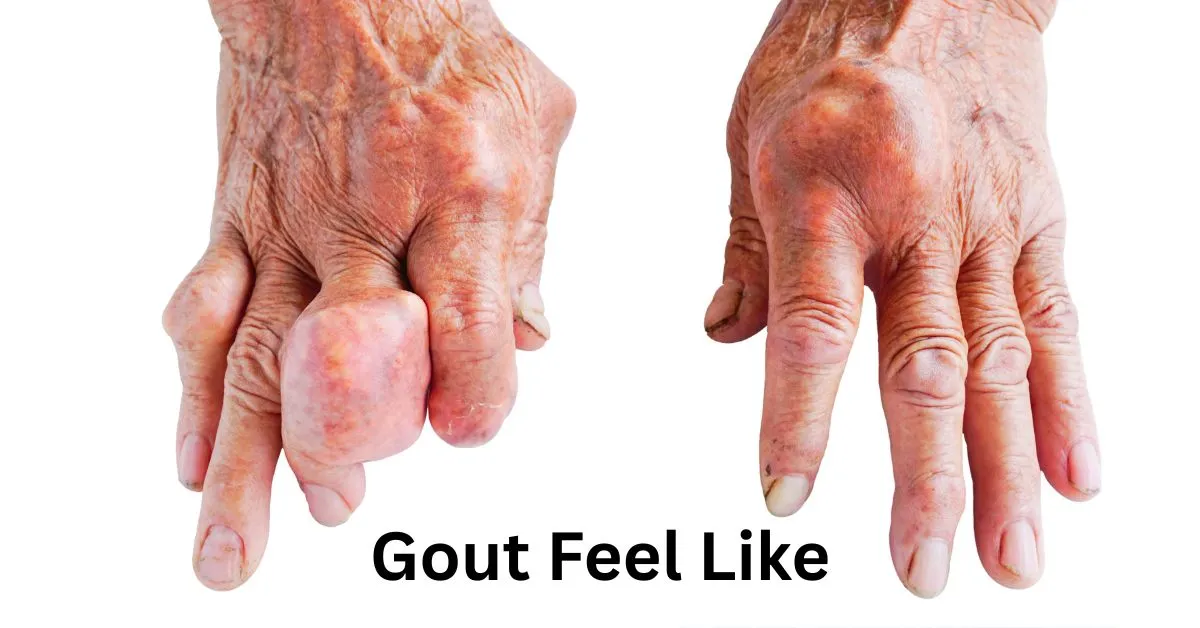
The affected joint often appears visibly enlarged, with the skin stretched and shiny. This physical change is accompanied by a sensation of warmth or heat, which is the result of increased blood flow to the inflamed area. The combination of swelling and heat makes the joint highly sensitive, so even light touches or accidental bumps can be extremely painful. Some people describe the feeling as if the joint is “on fire” or “pulsing” with pressure.
Swelling is not only uncomfortable but can also limit mobility. Walking, gripping objects, or moving the affected joint can become challenging, depending on which joint is involved. For example, swelling in the big toe may make standing or walking painful, while swelling in the finger or wrist can interfere with everyday tasks like typing or holding objects.
The intensity of swelling often peaks within the first 24 to 48 hours of a gout attack and gradually subsides as the inflammation decreases. However, lingering puffiness and tenderness can persist for several days after the main pain has eased, serving as a reminder of the recent flare. Recognizing the sensation of gout-related swelling is crucial for distinguishing it from other types of joint discomfort and for seeking timely treatment to reduce both pain and the risk of long-term joint damage.
What Does Gout Redness and Heat Feel Like?
Another defining feature of a gout attack is redness and heat in the affected joint. As uric acid crystals accumulate, they trigger inflammation, which increases blood flow to the area. This causes the skin over the joint to appear bright red or purplish and feel warm or hot to the touch. Many people describe this sensation as if the joint is “burning from the inside,” adding to the already intense pain of the attack.
The combination of heat, redness, and swelling makes the joint extremely sensitive. Even minimal pressure like resting a foot on a blanket or wearing a sock can provoke sharp, stabbing pain. This heightened sensitivity often discourages movement, leaving people with gout feeling immobilized or cautious about using the affected limb. The heat from inflammation also contributes to the throbbing, pulsating feeling that is characteristic of gout pain.
Redness and heat are typically most noticeable during the peak of an attack, often within the first 24 hours. They may fade slightly as the attack progresses, but the joint can remain tender for several days afterward. These visual and tactile cues are not only uncomfortable but also serve as important signals that the body is experiencing a serious inflammatory response.
Understanding the sensations of redness and heat can help distinguish gout from other joint issues, such as sprains or infections. While swelling alone can occur in multiple conditions, the combination of sudden intense pain, heat, and bright red skin is highly indicative of a gout attack. Recognizing these signs early allows for faster intervention, helping to reduce pain, inflammation, and the risk of recurrent flare-ups.
How Long Does Gout Pain Last?
The duration of gout pain can vary widely depending on whether it is a first-time attack, a recurring flare, or part of chronic gout. For many people experiencing their first gout attack, the pain typically peaks within 24 hours and can remain intense for three to ten days. During this period, the affected joint often feels hot, swollen, and extremely tender, making even simple movements difficult. Early treatment with anti-inflammatory medications can significantly reduce both the intensity and duration of the pain.
Recurring gout attacks may last shorter or longer, depending on factors such as uric acid levels, diet, hydration, and overall health. Some people notice that subsequent attacks are slightly less intense, but they still bring sharp, throbbing pain and swelling. In chronic gout, the attacks may occur more frequently, sometimes affecting multiple joints, and the joints may feel stiff or achy even between flare-ups. This lingering discomfort can interfere with daily activities and reduce overall mobility.
Pain from a gout attack typically subsides gradually as inflammation decreases, but residual tenderness, swelling, or stiffness can persist for days afterward. Many people describe this lingering sensation as a dull ache or pressure in the joint, which serves as a reminder of the recent flare.
Understanding how long gout pain lasts helps sufferers plan treatment, adjust daily activities, and manage expectations during an attack. Prompt recognition and intervention can shorten the duration of pain, reduce inflammation, and help prevent long-term joint damage, making it easier to maintain an active, pain-free lifestyle despite recurring gout episodes.
What Does Chronic Gout Feel Like Over Time?
While a single gout attack can be intense, chronic gout presents a different set of sensations and challenges. Chronic gout develops when uric acid levels remain consistently high, leading to frequent flare-ups and gradual joint damage. Unlike acute attacks, which come on suddenly, chronic gout often causes persistent discomfort, stiffness, and reduced mobility, even between flare-ups. Many people describe this as a constant dull ache or pressure in affected joints, which can make routine movements uncomfortable.
Over time, repeated attacks can lead to the formation of tophi hard, uric acid deposits under the skin. Tophi can appear on the fingers, toes, elbows, or ears and may feel firm or lumpy. While not always painful, they can increase joint sensitivity and contribute to a feeling of heaviness or tightness. In advanced cases, chronic gout may cause permanent joint deformities, further limiting movement and making everyday tasks more difficult.
People with chronic gout may also experience emotional and mental strain due to ongoing pain and the unpredictability of flare-ups. Activities like walking, climbing stairs, or even typing can become challenging, leading to frustration and lifestyle adjustments. Additionally, swelling, heat, and redness may still accompany attacks, but the pain between episodes stiffness, soreness, or minor aches becomes a new normal for sufferers.
Understanding the sensations of chronic gout is crucial for long-term management. Maintaining low uric acid levels through diet, medication, and lifestyle changes can reduce flare frequency, minimize joint damage, and improve quality of life. Early intervention and consistent care are key to preventing chronic discomfort from becoming debilitating over time.
What Does Gout Pain Feel Like Compared to Other Conditions?
Gout pain is often described as intense and distinct, setting it apart from other types of joint pain or medical conditions. One of the most common comparisons is with arthritis. While arthritis pain such as osteoarthritis or rheumatoid arthritis usually develops gradually over months or years, gout pain appears suddenly and sharply, often overnight. Unlike the dull, aching soreness of arthritis, gout pain is stabbing, throbbing, and excruciating, making even minor contact with the joint extremely uncomfortable.
Gout pain is also sometimes compared to injury-related pain, like a sprain or fracture. The key difference is the onset and location: gout attacks strike without trauma, usually in smaller joints such as the big toe, whereas injuries typically follow an identifiable impact or movement. Additionally, gout often causes swelling, redness, and heat, which may not always accompany a minor joint injury.
Another comparison frequently made is with kidney stone pain, which is also caused by uric acid crystals. While kidney stone pain is severe and usually felt in the lower back or abdomen, gout pain is localized to the joint and combined with noticeable swelling, warmth, and tenderness. The pain from gout is unique because it combines sudden onset, extreme intensity, and sensitivity to touch in one localized joint, which is rarely experienced in other conditions.
Recognizing how gout pain differs from arthritis, injuries, or kidney stones is important for early diagnosis and treatment. The combination of acute onset, sharp stabbing sensations, swelling, heat, and extreme tenderness creates a distinctive pain profile that can help sufferers and healthcare providers identify gout accurately and take action quickly.
What Triggers Gout Pain?
Gout pain doesn’t occur randomly it is often triggered by lifestyle factors, diet, and certain health conditions that increase uric acid levels in the blood. One of the most common triggers is dietary choices, particularly foods high in purines. Purine-rich foods, such as red meat, organ meats, shellfish, and certain types of seafood, can lead to a sudden spike in uric acid, precipitating a gout attack. Alcohol, especially beer and spirits, is another frequent trigger because it interferes with uric acid elimination and can dehydrate the body, making crystals more likely to form.
Dehydration itself is a significant contributor to gout flare-ups. When the body lacks adequate fluids, uric acid becomes more concentrated in the blood, increasing the risk of crystal formation in the joints. Similarly, sudden weight gain, rapid dieting, or fasting can trigger an attack by affecting uric acid levels.
Certain medical conditions and medications also play a role. High blood pressure, kidney disease, and metabolic syndrome can reduce the body’s ability to remove uric acid efficiently. Medications such as diuretics, low-dose aspirin, and some immunosuppressants may also increase uric acid levels, making gout attacks more likely.
Stress and illness are additional triggers, as they can cause changes in metabolism and circulation that encourage uric acid buildup. The key takeaway is that gout pain is often preventable or manageable by understanding and avoiding these triggers. By monitoring diet, staying hydrated, managing stress, and following medical advice, individuals can reduce the frequency and intensity of painful gout attacks.
How Does Gout Pain Affect Daily Life?
Gout pain can have a significant impact on daily life, often more than people expect from a joint condition. During an acute attack, the intense pain, swelling, and heat in the affected joint make simple tasks difficult or even impossible. Walking, standing, or climbing stairs can become excruciating when the big toe or ankle is involved, while wrist or finger attacks can interfere with typing, cooking, or holding objects. Even sleeping can be disrupted, as gout attacks frequently occur at night, leaving sufferers exhausted and frustrated.
The unpredictable nature of gout flare-ups also adds an emotional burden. Many individuals experience anxiety or stress over when the next attack might strike, leading to limitations in work, social activities, or travel. Daily routines may need adjustments, such as wearing loose-fitting shoes, avoiding certain foods, or planning tasks around periods of pain and recovery.
Chronic gout can exacerbate these challenges. Persistent stiffness, mild pain between attacks, or the presence of tophi (hard uric acid deposits) can reduce mobility and make everyday activities more difficult over time. This can impact not only physical health but also mental well-being, as sufferers may feel frustrated or isolated due to their condition.
Understanding the effects of gout on daily life highlights the importance of early recognition, treatment, and prevention strategies. Maintaining proper hydration, following a gout-friendly diet, and taking medications as prescribed can help reduce the frequency and severity of attacks, allowing individuals to maintain a more active, comfortable, and independent lifestyle despite living with gout.
When to See a Doctor for Gout Pain
Knowing when to seek medical attention for gout pain is crucial because early intervention can prevent severe discomfort, recurrent attacks, and long-term joint damage. If you experience a sudden, intense joint pain, especially in the big toe, ankle, or knee, it’s a strong indicator that you may be having a gout attack. Gout pain often appears rapidly and can feel sharp, throbbing, or burning, making even light touch unbearable. Delaying treatment can prolong the attack and increase the risk of complications.
You should see a doctor if the pain is persistent or unusually severe, lasts more than a few days, or is accompanied by significant swelling, redness, or heat. While over-the-counter pain relievers may help with mild discomfort, they typically do not address the underlying inflammation or uric acid buildup. A healthcare provider can confirm whether your symptoms are due to gout, rule out other joint conditions like arthritis or infection, and recommend appropriate treatment, including prescription medications to reduce uric acid levels.
Red flags that require urgent attention include fever, chills, or sudden worsening of joint pain, as these may indicate an infection or a more serious condition. Early medical care also allows for guidance on lifestyle adjustments, dietary changes, and preventive strategies, helping to reduce the frequency and severity of future attacks.
Recognizing when to see a doctor empowers individuals to manage gout effectively. Prompt treatment not only alleviates immediate pain but also protects joints, improves mobility, and minimizes the long-term impact of this highly painful and often disruptive condition.
Can Gout Pain Be Prevented or Reduced?
While gout attacks can be extremely painful, many strategies can help prevent or reduce the severity of gout pain. One of the most effective approaches is managing uric acid levels. Medications such as allopurinol or febuxostat can lower uric acid in the blood, preventing crystal formation and reducing the frequency of attacks. For those already experiencing gout, anti-inflammatory medications like NSAIDs, colchicine, or corticosteroids can provide rapid pain relief during flare-ups.
Lifestyle and dietary changes also play a significant role in prevention. Avoiding purine-rich foods such as red meat, organ meats, certain seafood, and alcohol can lower uric acid levels and reduce flare-ups. Staying well-hydrated is equally important, as drinking plenty of water helps flush uric acid from the body. Maintaining a healthy weight through balanced nutrition and regular exercise can reduce stress on the joints and lower the risk of gout attacks.
Other helpful strategies include monitoring triggers such as dehydration, stress, or illness. Being proactive about managing underlying health conditions like high blood pressure, kidney disease, or metabolic syndrome can also decrease the likelihood of severe attacks.
Even small preventive measures, like wearing comfortable shoes to reduce pressure on affected joints or adjusting activity during flare-ups, can improve comfort and mobility. By combining medical treatment with lifestyle adjustments, individuals with gout can significantly reduce pain, prevent frequent attacks, and maintain a higher quality of life. Early intervention and consistent management are key to controlling gout and avoiding long-term joint damage.
FAQs About What Gout Feels Like
People often have many questions about what gout feels like, how it develops, and how it differs from other joint conditions. Addressing these questions helps sufferers recognize symptoms early and manage their condition effectively.
Does gout pain come suddenly?
Yes. One of the hallmark features of gout is the sudden onset of intense pain, often at night. The pain can escalate quickly, turning a previously normal joint into one that feels hot, swollen, and extremely tender.
Is gout pain constant or intermittent?
Gout pain is usually intermittent, occurring in flare-ups. Between attacks, joints may feel normal, although chronic gout can cause lingering stiffness or mild discomfort.
Can gout feel mild?
While the first attack or recurring flare-ups are often severe, early symptoms such as tingling, stiffness, or mild soreness may precede intense pain. Recognizing these subtle signs can help prevent severe attacks.
Does gout pain go away on its own?
Gout pain often subsides gradually over several days to weeks, even without treatment. However, untreated attacks can recur more frequently, and repeated inflammation can damage joints over time.
What does gout feel like in different joints?
The big toe is the most commonly affected joint, often described as throbbing, stabbing, or burning. Other joints like the ankle, knee, wrist, or fingers can also be affected, producing similar intense pain, swelling, redness, and heat.
How can I reduce gout pain during an attack?
Resting the affected joint, applying ice, staying hydrated, and taking prescribed anti-inflammatory medications can help reduce pain and swelling. Avoiding triggers like alcohol or purine-rich foods may also shorten the attack.
Conclusion:
Gout is a uniquely painful condition that can dramatically affect a person’s daily life, but understanding its sensations and progression is key to managing it effectively.
From the sudden, stabbing pain of an acute attack to the lingering discomfort of chronic gout, each stage brings distinct symptoms such as swelling, redness, heat, and tenderness.
These sensations often begin in the big toe but can affect ankles, knees, fingers, and wrists, making movement and daily tasks challenging.
Recognizing early warning signs like tingling, mild stiffness, or subtle discomfort can help individuals take preventive steps before pain escalates.
Awareness of triggers such as purine-rich foods, alcohol, dehydration, and stress can also reduce the frequency and intensity of attacks.
For recurring or chronic gout, understanding the development of tophi and joint damage emphasizes the importance of long-term management and lifestyle adjustments.
Treatment options, including medications to lower uric acid and reduce inflammation, combined with lifestyle strategies, can significantly improve quality of life.
Prompt medical attention is crucial when pain is severe, persistent, or accompanied by unusual symptoms.
Ultimately, knowing what gout feels like empowers sufferers to identify attacks early, seek appropriate care, and take preventive measures, reducing both immediate pain and long-term joint damage.
With awareness, proper treatment, and lifestyle adjustments, it is possible to manage gout effectively, maintain mobility, and minimize the impact of this often debilitating condition on daily life.

Daniel Johansson is an acclaimed Swedish operatic tenor, celebrated internationally for his powerful voice, dramatic presence, and versatile repertoire spanning from Puccini to Wagner. Born in Småland, Sweden, he trained at the University College of Opera in Stockholm, where he laid the foundation for a distinguished career in classical music and opera performance.