

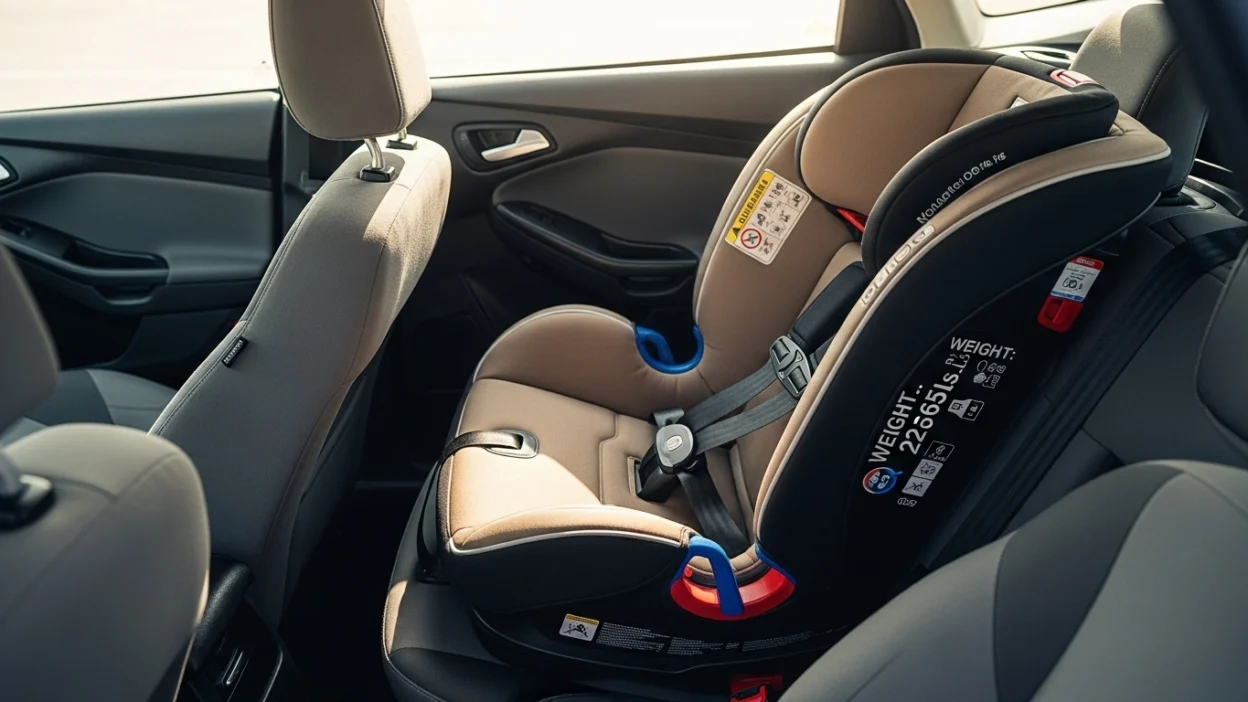
When it comes to child safety in vehicles, one of the most common questions parents ask is: “When can my child switch to a front-facing car seat?”
Understanding the front facing car seat weight is crucial because it ensures your child is secure and protected during every ride. Many caregivers get confused between weight, height, and age limits, which can sometimes lead to unsafe transitions.
While some children may be ready for a front-facing seat at age 2, others may need to stay rear-facing longer depending on their size.
Choosing the right moment isn’t just about following age guidelines—it’s about adhering to the manufacturer’s weight and height recommendations.
In this guide, we’ll break down everything you need to know: typical weight ranges for front-facing seats, when it’s safe to make the switch, common mistakes to avoid, and expert tips to keep your child safe and comfortable.
Front Facing Car Seat Weight Quick Answer
The front-facing car seat weight is one of the most important factors to consider when transitioning a child from rear-facing. Most convertible car seats have a front-facing weight range of 20 to 65 pounds, though this can vary depending on the brand and model. Some high-end seats even support up to 80 pounds in forward-facing mode. It’s essential to always follow the manufacturer’s guidelines, as exceeding these limits can compromise safety during a crash.
Weight limits are paired with height restrictions—your child’s head should not extend above the top of the car seat. Convertible seats are designed to grow with your child, allowing a smooth transition from rear-facing to front-facing without needing a new seat immediately. Combination seats, which later convert to boosters, often have slightly higher weight limits in forward-facing mode, usually 40–100 pounds, giving more flexibility for taller or heavier children.
For example, a Graco convertible car seat may support 22–65 pounds front-facing, while a Britax model can support 25–65 pounds. Parents should also check for the harness limits, ensuring the harness fits snugly at or above the child’s shoulders. By keeping within these weight limits, you reduce the risk of injury and ensure your child stays secure and comfortable during every ride.
Why Weight Limits Matter for Safety
Understanding front-facing car seat weight limits isn’t just a recommendation—it’s a critical safety measure. Car seats are specifically tested and engineered to protect children within a certain weight range. When a child exceeds the seat’s weight limit, the harness system may fail to restrain them properly during a collision, increasing the risk of serious injury. Even a small misfit can reduce the effectiveness of the seat in absorbing crash forces.
Weight limits also ensure that the harness and chest clip are positioned correctly. For a child who is too heavy for the seat, the harness may sit too low, leaving the upper body unprotected. Additionally, exceeding the limit can cause the seat to shift or loosen during everyday driving, not just accidents, which compromises safety over time.
Experts, including the American Academy of Pediatrics (AAP) and the National Highway Traffic Safety Administration (NHTSA), recommend keeping children in a rear-facing seat as long as possible and only switching to a front-facing seat once the weight and height limits are reached. Studies consistently show that children restrained within manufacturer guidelines have a significantly lower risk of injury in crashes.
By respecting the weight limits, parents ensure that their child is properly supported, the harness functions correctly, and the car seat provides maximum protection. Safety isn’t just about following rules—it’s about reducing risk and giving your child the best protection on the road.
Transitioning from Rear Facing to Front Facing
Knowing when to switch your child from rear-facing to front-facing is crucial for safety. The transition should never be based on age alone; instead, it depends on weight, height, and overall development. Most children can safely switch to a front-facing car seat once they reach the rear-facing seat’s maximum weight or height limit, which is often between 30–50 pounds for convertible seats.
Signs that your child is ready for a front-facing seat include the ability to sit upright comfortably, proper head and neck control, and legs long enough that they aren’t overly cramped in rear-facing mode. Even if your child is past their second birthday, it’s safest to keep them rear-facing until these criteria are met.
To make the transition safely, follow these steps:
- Read the car seat manual carefully. Every seat has specific weight and harness instructions for front-facing mode.
- Install the seat correctly in the forward-facing position using the LATCH system or seat belt.
- Adjust the harness straps so they sit at or above your child’s shoulders and ensure the chest clip is at armpit level.
- Check for snugness: you should not be able to pinch any excess strap material at the shoulder.
- Monitor your child’s comfort during the first few rides, adjusting as necessary.
By following these steps, you ensure a smooth and safe transition while maximizing protection. Remember, moving too early or ignoring weight limits can compromise safety, so always err on the side of caution.
Different Types of Front Facing Car Seats and Weight Limits
Front-facing car seats come in different types, each with its own weight and height limits, making it important for parents to choose the right seat for their child’s size and growth.
1. Convertible Car Seats
These seats are versatile, allowing children to ride rear-facing first and then switch to front-facing. Most convertible seats support a front-facing weight range of 20–65 pounds, although some models go up to 80 pounds. The harness height is adjustable, accommodating growing children while maintaining safety. Popular brands like Graco, Britax, and Chicco offer models with high weight limits to extend usage.
2. Combination Seats
Also called forward-facing to booster seats, combination seats start with a five-point harness for front-facing use and later convert to a booster. Weight limits for the front-facing harness mode are usually 40–100 pounds, providing more room for taller or heavier children. This type is ideal for parents who want a long-lasting seat without buying multiple products.
3. Booster Seats
Booster seats are designed for children who have outgrown the harness system but are still too small for seat belts alone. Weight limits vary depending on high-back or backless models, typically ranging from 40–120 pounds. Boosters help position the vehicle seat belt correctly across the shoulder and lap.
Installation Guidelines for Front Facing Car Seats
Proper installation of a front-facing car seat is essential to maximize safety. Even the safest seat cannot protect a child if it is installed incorrectly. Parents should always follow both the car seat manual and the vehicle’s instructions.
1. Choosing the Right Spot:
The middle of the back seat is generally the safest location, as it is farthest from potential side-impact collisions. If that is not possible, either side of the rear seat is acceptable, but always avoid the front passenger seat, especially in vehicles with airbags.
2. LATCH vs. Seat Belt Installation:
Most modern car seats can be installed using either the LATCH system (Lower Anchors and Tethers for Children) or a seat belt. LATCH is often easier for correct installation, but seat belts are just as safe when installed tightly. The car seat should not move more than an inch from side to side or front to back once secured.
3. Adjusting the Harness:
The harness should be at or above your child’s shoulders in forward-facing mode. Ensure the straps are snug enough that you cannot pinch any excess webbing. The chest clip should sit at armpit level, keeping the harness properly positioned over the child’s chest.
4. Final Checks:
Double-check that the seat is stable, the harness is snug, and the tether is attached. Even a small shift can reduce protection in a collision.
Common Mistakes Parents Make
Even well-intentioned parents can make errors when using front-facing car seats, and these mistakes can significantly reduce child safety. Being aware of them is the first step in preventing accidents.
1. Moving to Front-Facing Too Early
Many parents switch their child to a front-facing seat as soon as they reach age two. While age is a guideline, the weight and height limits of the rear-facing seat should take priority. Moving too early can increase the risk of injury in a collision.
2. Loose or Improper Harnessing
A common error is leaving the harness straps too loose or misaligned. Straps should be snug, with no slack, and the chest clip must sit at armpit level. Loose harnesses fail to properly restrain the child during sudden stops or crashes.
3. Ignoring Manufacturer Limits
Some parents overlook the weight and height limits of their car seat. Exceeding these limits can compromise the seat’s protective capabilities. Always check the manual for specific recommendations for forward-facing use.
4. Installing Incorrectly
Improper installation is another frequent mistake. Seats that move more than an inch from side to side or front to back are not secure. Whether using LATCH or seat belts, installation must be tight and stable.
5. Using Unsafe Accessories
Aftermarket products like seat cushions or harness covers not approved by the manufacturer can interfere with the harness system. Only use accessories included or approved by the car seat brand.
Tips for Maximizing Front Facing Car Seat Safety
Ensuring your child is safe in a front-facing car seat requires more than just following weight limits. Here are some essential tips to maximize protection on every ride.
1. Keep Your Child in the Seat as Long as Possible
Even after reaching the minimum age, it’s safest to remain in a harnessed car seat until your child exceeds the seat’s weight or height limits. The longer a child stays in a properly fitted front-facing seat, the better the protection during crashes.
2. Proper Harness Use
Always check that the harness straps are snug and positioned at or above the shoulders. The chest clip should be at armpit level to keep the child securely restrained. Avoid twisting straps and ensure no slack remains.
3. Correct Seat Placement
The rear middle seat is the safest spot, but if that isn’t possible, either side of the back seat is acceptable. Avoid the front passenger seat due to airbag risks.
4. Secure Installation
If using LATCH or a seat belt, make sure the car seat doesn’t move more than an inch from side to side or front to back. A stable seat is crucial for proper crash protection.
5. Regular Checks and Maintenance
Check your car seat for recalls, expiration dates, and wear and tear. Ensure all components, including the harness, buckles, and base, are functioning correctly.
FAQs:
1. When can my child switch to a booster?
Children should move to a booster seat only after outgrowing the forward-facing harness limits, which is usually around 40–65 pounds depending on the seat. Boosters help position the vehicle seat belt correctly across the shoulder and lap.
2. Can a 5-year-old still use a front-facing car seat?
Yes. Many 5-year-olds are still within the weight and height limits for front-facing seats. Age alone isn’t the deciding factor—always follow the seat’s specific guidelines.
3. What if my child exceeds the weight limit before age 4?
If your child surpasses the weight limit of a rear-facing seat early, it’s essential to switch to a front-facing seat immediately, ensuring the harness fits snugly and the seat is installed correctly.
4. Do all car seats have the same weight limits?
No. Weight limits vary by brand and model. For example, some Graco convertible seats support up to 65 pounds front-facing, while some Britax models allow the same or slightly higher. Always check your car seat manual.
5. How do I know the harness is tight enough?
A proper harness should be snug enough that you cannot pinch any excess strap at the shoulder. The chest clip should sit at armpit level.
Conclusion
Understanding front-facing car seat weight is essential for keeping your child safe on every ride.
Weight limits are not just numbers they determine whether the harness and seat will properly protect your child in the event of a crash.
By following manufacturer guidelines, parents can ensure that the transition from rear-facing to front-facing happens safely, at the right time, and in the correct way.
Proper installation, correct harness use, and careful seat placement all work together to maximize safety.
Avoiding common mistakes—like moving a child too early, leaving harnesses loose, or ignoring weight limits can significantly reduce the risk of injury.
Additionally, regular checks for recalls, expiration dates, and wear ensure the car seat continues to perform effectively.

Elena Moretti is a highly accomplished Italian business executive and Country Business Unit Head for Building Products at Siemens S.p.A., known for her expertise in leadership, digital transformation, smart buildings, and strategic business growth. With a degree in Business Administration from Bocconi University, Moretti has built a distinguished career spanning finance, operations, and executive management in complex engineering‑driven industries.