

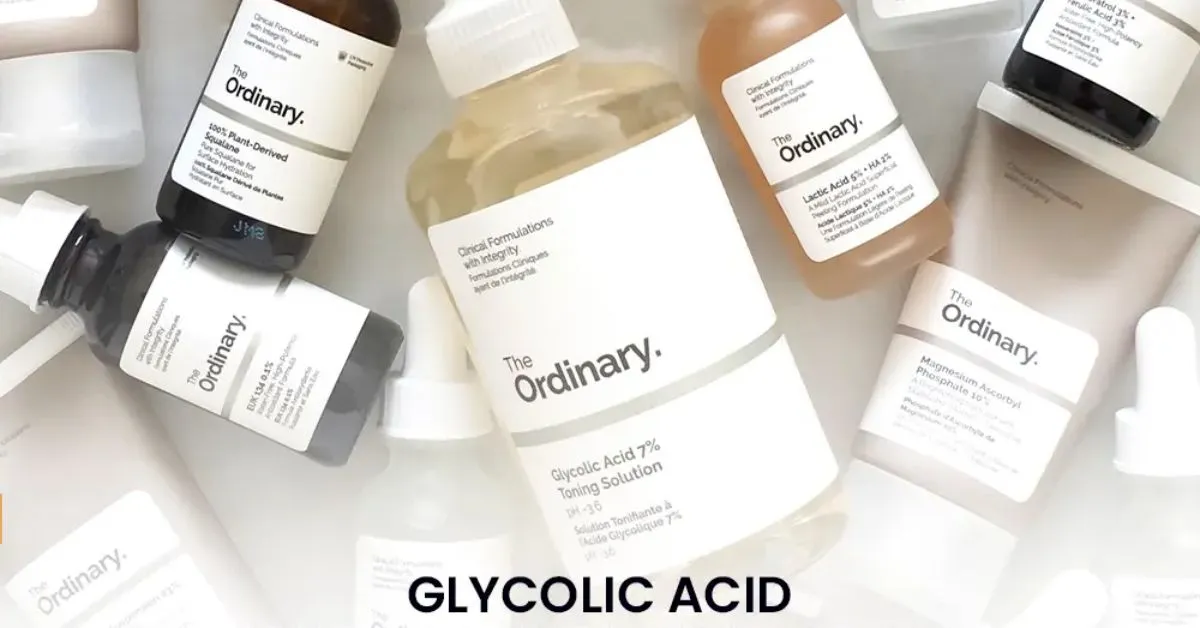
Glycolic acid is one of the most popular ingredients in modern skincare but what does glycolic acid actually do? If you’ve seen it listed in toners, serums, or chemical peels, you might wonder whether it’s worth adding to your routine.
Glycolic acid belongs to a group of exfoliating acids called alpha hydroxy acids (AHAs). It is derived from sugarcane and is known for its small molecular size, which allows it to penetrate the skin effectively.
So, what does glycolic acid do for your skin? In simple terms, it helps remove dead skin cells, boost cell turnover, unclog pores, and improve overall skin texture. Many people use it to target acne, dark spots, dullness, and even fine lines. However, like any active ingredient, it must be used correctly to avoid irritation.
In this guide, we’ll explore the benefits, side effects, and the safest ways to use glycolic acid for healthier-looking skin.
What Is Glycolic Acid?
Glycolic acid is a type of alpha hydroxy acid (AHA), a group of water-soluble acids commonly used in skincare for exfoliation. It is naturally derived from sugarcane, although many cosmetic formulations use lab-created versions for stability and consistency. Among all AHAs, glycolic acid has the smallest molecular size, which allows it to penetrate the skin more deeply and work more effectively than other similar acids.
As a chemical exfoliant, glycolic acid works differently from physical scrubs. Instead of manually scrubbing away dead skin cells with abrasive particles, it gently dissolves the bonds that hold dead skin cells together on the surface of the skin. This process encourages the old, dull layer of skin to shed, revealing fresher and smoother skin underneath.
Because of its ability to accelerate skin cell turnover, glycolic acid is commonly found in toners, serums, masks, cleansers, and professional chemical peels. It is often used to improve uneven skin tone, rough texture, clogged pores, and early signs of aging.
However, due to its strength and penetration ability, glycolic acid can sometimes cause irritation, especially for beginners or those with sensitive skin. That’s why understanding how it works and choosing the right concentration is essential before adding it to your skincare routine.
How Does Glycolic Acid Work on the Skin?
Glycolic acid works primarily through chemical exfoliation, which means it removes dead skin cells without the need for scrubbing or abrasive action. It breaks down the bonds, called desmosomes, that hold dead skin cells together on the surface. Once these bonds are loosened, the old, dull layer of skin sheds naturally, revealing newer, smoother skin beneath. This process is known as accelerated skin cell turnover, and it is one of the main reasons glycolic acid is so effective for a wide range of skin concerns.
Another key benefit of glycolic acid is its ability to stimulate collagen production. Collagen is the protein responsible for skin’s firmness and elasticity. By promoting collagen synthesis, glycolic acid can gradually improve skin texture, reduce fine lines, and give the skin a more youthful appearance.
Glycolic acid also unclogs pores, making it highly effective for acne-prone skin. By dissolving excess sebum and dead skin cells that can block pores, it reduces the likelihood of breakouts and blackheads.
Additionally, glycolic acid can even out skin tone and improve hyperpigmentation. It helps fade dark spots, acne scars, and sun damage by promoting the renewal of skin cells and preventing melanin from accumulating on the surface.
While glycolic acid offers multiple benefits, its effects depend on the concentration used and the frequency of application. Starting with a lower percentage and gradually increasing usage allows the skin to adapt and minimizes the risk of irritation or over-exfoliation.
Benefits of Glycolic Acid for Skin
Glycolic acid offers a wide range of benefits for the skin, making it one of the most versatile ingredients in modern skincare. One of its most well-known advantages is acne prevention. By exfoliating dead skin cells and unclogging pores, glycolic acid reduces the buildup of sebum and impurities that cause breakouts. It can also help fade post-acne marks over time, leaving the skin looking clearer and more even.
Another major benefit is its ability to improve skin texture and tone. Regular use of glycolic acid can smooth rough patches, reduce bumps, and restore a natural glow. It is particularly effective for tackling dull skin, as it removes the outer layer of dead skin cells that can make the complexion appear tired or uneven.
Glycolic acid is also known for its anti-aging properties. By stimulating collagen production, it helps reduce the appearance of fine lines and wrinkles, and can improve skin elasticity. This makes it a popular ingredient in products aimed at mature or sun-damaged skin.
For those dealing with hyperpigmentation or dark spots, glycolic acid can be highly effective. It promotes the shedding of pigmented skin cells, helping to fade sun spots, acne scars, and uneven patches over time.
Finally, glycolic acid supports overall skin renewal, giving the complexion a fresh, healthy look. While its benefits are extensive, it is important to use glycolic acid safely and gradually, as overuse or high concentrations can lead to irritation. When incorporated properly into a skincare routine, glycolic acid can transform skin texture, clarity, and radiance.
Who Should Use Glycolic Acid?
Glycolic acid is suitable for a wide variety of skin types, but it works best for people looking to improve skin texture, treat acne, or address signs of aging. One of the most common groups who benefit from glycolic acid are individuals with oily or combination skin. Its ability to exfoliate dead skin cells and unclog pores helps prevent breakouts and blackheads, making it an essential step in acne-prone skincare routines.
People with dull or uneven skin tone can also benefit from glycolic acid. By accelerating cell turnover, it removes the outer layer of dead, lifeless skin and reveals a fresher, more radiant complexion. Those dealing with hyperpigmentation, sun damage, or dark spots may notice a gradual fading of discoloration when using glycolic acid consistently.
For individuals concerned with early signs of aging, glycolic acid can be a powerful ally. It promotes collagen production, which helps reduce the appearance of fine lines and improves skin elasticity. This makes it a popular ingredient in anti-aging serums and chemical peels.
Even dry or sensitive skin types can use glycolic acid, but with caution. Lower concentrations (around 5%) and less frequent application are recommended to minimize irritation.
It’s important to note that while glycolic acid can benefit many, proper usage is key. Beginners should start with lower concentrations and gradually increase frequency to allow the skin to adjust. When incorporated correctly, glycolic acid can be a highly effective tool for achieving smoother, brighter, and healthier-looking skin.
Who Should Avoid Glycolic Acid?
While glycolic acid is beneficial for many skin types, it is not suitable for everyone. Certain individuals should avoid using it or proceed with caution to prevent irritation or adverse reactions. People with extremely sensitive skin may experience redness, burning, or stinging, even at low concentrations. For these individuals, gentler exfoliants like lactic acid or enzyme-based products may be a safer alternative.
Those with rosacea or eczema should also avoid glycolic acid, as it can worsen inflammation and trigger flare-ups. Similarly, anyone with a compromised skin barrier for example, due to over-exfoliation, harsh treatments, or certain medical conditions may find that glycolic acid irritates or damages the skin further.
Pregnant or breastfeeding individuals should consult a dermatologist before using glycolic acid, particularly higher concentrations or professional peels, as safety during pregnancy is not fully established.
Additionally, people who are currently using strong prescription retinoids or other potent chemical exfoliants need to be careful. Combining glycolic acid with these products can increase the risk of irritation, dryness, and over-exfoliation.
It’s also important to avoid glycolic acid immediately after procedures like laser treatments or microdermabrasion, as the skin will be more sensitive and prone to damage.
For anyone unsure about their skin’s tolerance, starting with low concentrations (around 5%) and performing a patch test is recommended. Consulting a dermatologist before introducing glycolic acid can prevent unwanted side effects and ensure safe, effective use. By knowing who should avoid it, you can enjoy the benefits of glycolic acid while minimizing risks.
How to Use Glycolic Acid Safely
Using glycolic acid correctly is essential to enjoy its benefits while minimizing the risk of irritation. The first step is to choose the right concentration. For beginners, products containing 5–10% glycolic acid are ideal. These lower-strength formulations allow the skin to adjust gradually. More experienced users can use 10–20% concentrations, while professional chemical peels can go much higher, but should only be applied by trained dermatologists.
Frequency of use is equally important. Beginners should start 1–2 times per week, gradually increasing to every other day or daily as tolerated. Overuse can lead to redness, peeling, and a weakened skin barrier.
Timing also matters. Glycolic acid is best applied at night, as it can increase skin’s sensitivity to sunlight. Morning use is possible, but it must be followed by broad-spectrum sunscreen of SPF 30 or higher to prevent sun damage.
A simple step-by-step routine might look like this: first, cleanse the face gently; then apply the glycolic acid product; follow with a soothing moisturizer; and in the morning, always finish with sunscreen. Avoid combining glycolic acid with other strong actives like retinoids or vitamin C at the same time, as this can increase irritation.
Finally, always perform a patch test before first use, especially if you have sensitive skin. By starting slow, using appropriate concentrations, and following a consistent routine, glycolic acid can safely transform skin texture, tone, and radiance without causing unwanted side effects.
Glycolic Acid Side Effects
While glycolic acid is highly effective, it is also a powerful active ingredient, and improper use can lead to side effects. One of the most common reactions is redness and irritation, especially in people with sensitive skin or those new to chemical exfoliants. This can appear as mild flushing or stinging immediately after application.
Peeling and dryness are also common, particularly when higher concentrations are used or the acid is applied too frequently. These effects occur because glycolic acid accelerates the shedding of the outer skin layer, which can temporarily leave skin feeling raw or tight.
Some users may experience a burning or tingling sensation, which is usually mild. However, prolonged burning or discomfort indicates overuse or a reaction, and the product should be removed immediately.
Another important consideration is increased sun sensitivity. Glycolic acid thins the outer layer of dead skin cells, which normally provides some protection from UV rays. Without proper sun protection, the skin becomes more prone to sunburn, hyperpigmentation, and long-term damage. Daily application of broad-spectrum sunscreen with SPF 30 or higher is essential.
Over-exfoliation can also weaken the skin barrier, leading to breakouts, inflammation, or rash. This is why starting with a low concentration and gradually increasing frequency is crucial.
In rare cases, allergic reactions can occur, causing swelling, severe redness, or hives. If this happens, discontinue use and consult a dermatologist.
By understanding these side effects and using glycolic acid carefully, you can maximize its benefits while keeping your skin healthy, smooth, and radiant.
Glycolic Acid vs Other Acids
Glycolic acid is one of many acids used in skincare, but it has unique properties that distinguish it from others. Understanding these differences can help you choose the right acid for your skin type and concerns.
Glycolic Acid vs Salicylic Acid
Glycolic acid is an AHA (alpha hydroxy acid) that works on the skin’s surface to exfoliate dead skin cells and improve texture. Salicylic acid, on the other hand, is a BHA (beta hydroxy acid) that is oil-soluble, allowing it to penetrate pores more deeply. This makes salicylic acid particularly effective for acne-prone and oily skin, while glycolic acid is better for brightening, smoothing, and anti-aging purposes.
Glycolic Acid vs Lactic Acid
Both glycolic and lactic acids are AHAs, but lactic acid is milder and slightly larger in molecular size. This makes it more suitable for sensitive skin or those new to chemical exfoliants. While glycolic acid offers faster and stronger exfoliation, lactic acid provides gentle renewal with less risk of irritation.
Glycolic Acid vs Hyaluronic Acid
Hyaluronic acid is not an exfoliant but a hydrating ingredient that attracts and retains moisture in the skin. While glycolic acid exfoliates and renews, hyaluronic acid soothes and hydrates. Many skincare routines combine the two for smooth, plump, and radiant skin.
Glycolic Acid vs Retinol
Retinol accelerates cell turnover similar to glycolic acid but works deeper in the skin to reduce fine lines and pigmentation. Combining both can be effective but may increase irritation, so it’s best to alternate or consult a dermatologist.
Understanding these differences allows you to choose the acid that matches your skin goals, whether it’s exfoliation, acne treatment, anti-aging, or hydration.
Can You Combine Glycolic Acid With Other Ingredients?
Glycolic acid can be combined with certain skincare ingredients to enhance results, but it requires careful planning to avoid irritation. One of the safest combinations is with hydrating ingredients such as hyaluronic acid or glycerin. Since glycolic acid exfoliates and can cause dryness, pairing it with a moisturizer or serum that attracts and retains moisture helps maintain a healthy skin barrier.
Niacinamide is another compatible ingredient. It can reduce inflammation and strengthen the skin barrier, making it a good partner for glycolic acid, especially for those with sensitive or acne-prone skin. Using glycolic acid first, followed by a niacinamide serum, can improve skin texture while calming potential irritation.
Vitamin C is effective for brightening, but combining it directly with glycolic acid can sometimes irritate the skin because both are acids. If you want to use both, it’s better to alternate them, using vitamin C in the morning and glycolic acid at night, or on different days.
Retinol and other strong chemical exfoliants should generally not be used at the same time as glycolic acid, as this can lead to over-exfoliation, redness, and peeling. Alternating days or using glycolic acid in the evenings and retinol on separate nights is safer.
Avoid layering glycolic acid with other AHAs or strong acids in the same routine unless guided by a dermatologist.
By carefully choosing complementary ingredients and adjusting the timing of application, glycolic acid can be safely integrated into a multi-step skincare routine, maximizing benefits like exfoliation, brightening, and improved texture without causing irritation.
Results Timeline – How Long Does Glycolic Acid Take to Work?
The effects of glycolic acid vary depending on the concentration, frequency of use, and individual skin type. Many people notice an immediate improvement in skin texture and glow after the first application, as dead skin cells are removed and the surface appears smoother. However, more significant changes, such as acne reduction, fading dark spots, or fine line improvement, take longer to appear.
For acne-prone skin, consistent use of glycolic acid typically shows results within 2–4 weeks. By unclogging pores and preventing buildup, breakouts are reduced, and post-acne marks begin to fade. For those using glycolic acid to address hyperpigmentation or dark spots, noticeable changes often appear after 4–8 weeks of regular use. This gradual improvement occurs as old, pigmented skin cells are shed and replaced by fresher skin.
Anti-aging benefits, such as reduced fine lines and improved skin firmness, generally require longer-term use. Collagen production stimulated by glycolic acid takes time, so visible improvements may take 8–12 weeks or more.
Consistency is key. Using glycolic acid too sporadically or at the wrong concentration can delay results, while overuse may cause irritation without additional benefits. Combining glycolic acid with proper hydration, sunscreen, and complementary ingredients like niacinamide can accelerate results safely.
By understanding the timeline, users can set realistic expectations, maintain patience, and achieve smoother, brighter, and healthier-looking skin without risking over-exfoliation or sensitivity.
Common Mistakes When Using Glycolic Acid
Even though glycolic acid is highly effective, improper use can lead to irritation, slow results, or even skin damage. One of the most common mistakes is using it too frequently. Beginners often want quick results and may apply glycolic acid daily or multiple times per day. Overuse can cause redness, peeling, dryness, and a compromised skin barrier. Starting slowly 1–2 times per week and gradually increasing frequency is the safest approach.
Another frequent error is skipping sunscreen. Glycolic acid exfoliates the outer layer of dead skin cells, leaving skin more sensitive to UV rays. Without broad-spectrum sunscreen, users risk sunburn, hyperpigmentation, and long-term sun damage. Daily SPF 30 or higher is essential.
Choosing too high a concentration too soon is also a common pitfall. Beginners should start with 5–10% glycolic acid and allow the skin to adjust. Using stronger formulations without experience increases the likelihood of irritation and peeling.
Many users also make the mistake of layering glycolic acid with other strong actives, such as retinol, vitamin C, or other acids, in the same routine. This can over-stimulate the skin and lead to inflammation. It’s safer to alternate these ingredients or use them at different times of the day.
Finally, some people expect immediate dramatic results. While glycolic acid does improve skin texture quickly, fading dark spots, acne scars, and fine lines takes weeks of consistent use. Patience and proper routine adherence are key to enjoying long-term benefits without harming the skin.
Dermatologist Insights
Dermatologists widely recommend glycolic acid for its versatility and effectiveness, but they emphasize proper use to maximize benefits and minimize risks. According to experts, glycolic acid is one of the most reliable chemical exfoliants for improving skin texture, reducing fine lines, and fading pigmentation. Its small molecular size allows it to penetrate deeply, making it more effective than other AHAs for many skin concerns.
Professionals often advise starting with lower concentrations (5–10%) for home use. This allows the skin to gradually adapt and reduces the risk of irritation, especially for beginners or those with sensitive skin. Higher concentrations, ranging from 20% to 70%, are usually reserved for professional chemical peels performed in clinics, as they can deliver faster results but carry a higher risk of side effects if used incorrectly.
Dermatologists also stress the importance of sun protection. Because glycolic acid accelerates cell turnover and exfoliates the outer skin layer, it increases sun sensitivity. Daily application of broad-spectrum sunscreen with SPF 30 or higher is essential to prevent burns, pigmentation, and long-term damage.
Many dermatologists recommend pairing glycolic acid with hydrating and barrier-strengthening ingredients, such as hyaluronic acid or niacinamide, to reduce dryness and irritation. They caution against combining glycolic acid with strong retinoids or other acids in the same routine unless carefully monitored.
Finally, dermatologists note that while glycolic acid is effective for most skin types, individuals with rosacea, eczema, or extremely sensitive skin should consult a professional before use. When used correctly, glycolic acid can transform skin texture, tone, and radiance safely and effectively.
Frequently Asked Questions (FAQ)
1. Can I use glycolic acid every day?
Daily use is possible but only with low concentrations (around 5–10%) once your skin has adjusted. Overuse can lead to irritation, redness, and peeling, so beginners should start 1–2 times per week and gradually increase frequency.
2. Is glycolic acid good for sensitive skin?
Sensitive skin types can use glycolic acid, but they should choose lower concentrations and monitor for irritation. Combining it with soothing ingredients like niacinamide or hyaluronic acid can reduce discomfort.
3. Can I use glycolic acid with retinol?
Combining glycolic acid with retinol in the same routine is not recommended for beginners, as both increase cell turnover and can cause irritation. It’s safer to alternate nights or use one in the morning and the other at night.
4. Does glycolic acid thin the skin?
No, glycolic acid does not permanently thin the skin. It exfoliates the surface layer of dead skin cells, which can temporarily make the skin more sensitive. Long-term, it stimulates collagen production, improving thickness and firmness.
5. Can I use glycolic acid during pregnancy?
Low-concentration glycolic acid is generally considered safe during pregnancy, but it’s best to consult a dermatologist before use, especially for stronger peels or higher concentrations.
6. What happens if I overuse glycolic acid?
Overuse can lead to redness, burning, peeling, dryness, and a weakened skin barrier. It may also increase the risk of sun damage, so moderation and sunscreen are critical.
By understanding these FAQs, users can confidently incorporate glycolic acid into their skincare routine while avoiding common mistakes and maximizing benefits.
Final Verdict
Glycolic acid has earned its reputation as one of the most effective skincare ingredients, thanks to its ability to exfoliate, brighten, and rejuvenate the skin.
By gently removing dead skin cells, it promotes a smoother texture, reduces dullness, and enhances overall radiance.
Its role in stimulating collagen production also makes it a valuable tool for addressing early signs of aging, including fine lines and mild wrinkles.
For those dealing with acne or clogged pores, glycolic acid can help prevent breakouts and gradually fade post-acne marks.
Individuals with hyperpigmentation or dark spots may notice improvements over several weeks as new, fresh skin replaces pigmented layers.
These wide-ranging benefits make glycolic acid a versatile addition to many skincare routines.
However, its effectiveness depends heavily on proper use and patience.
Beginners should start with low concentrations and gradually increase frequency to avoid irritation, while always pairing it with sunscreen to protect sensitive, newly exfoliated skin.
Those with extremely sensitive skin or conditions like rosacea should consult a dermatologist before use.
Overall, when incorporated correctly, glycolic acid delivers noticeable improvements in texture, tone, and clarity without invasive procedures.
Its combination of exfoliation, anti-aging, and brightening effects makes it worth including in most skincare routines, particularly for individuals seeking smoother, healthier, and more radiant skin.
With careful application and consistency, glycolic acid can transform the complexion safely and effectively, proving itself as a must-have ingredient in modern skincare.

Fyodor Dostoevsky (1821–1881) was a renowned Russian novelist, short story writer, essayist, and philosopher whose works explore human psychology, morality, and existential dilemmas. Best known for classics like Crime and Punishment, The Brothers Karamazov, and The Idiot, Dostoevsky’s writing has influenced literature, psychology, and philosophy worldwide.