
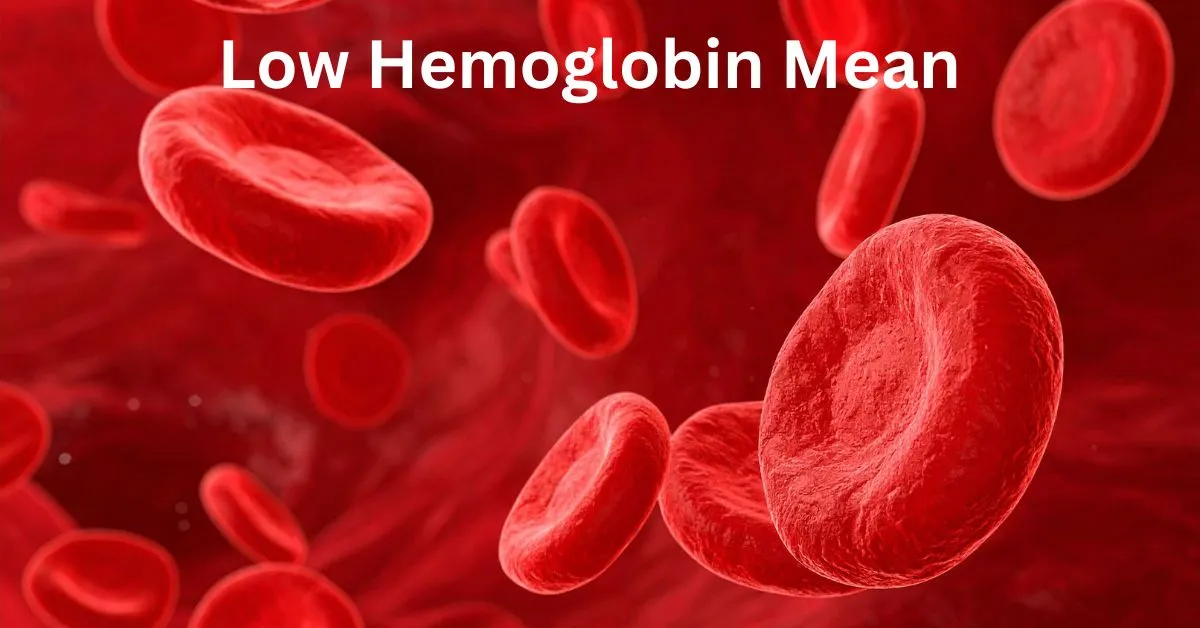
Low hemoglobin is a common finding on blood test reports, yet many people are unsure what it actually means for their health.
Hemoglobin is a protein found in red blood cells that carries oxygen from the lungs to the rest of the body.
When hemoglobin levels drop below the normal range, the body may not receive enough oxygen to function properly.
This condition is often linked to anemia but can also be caused by nutritional deficiencies, blood loss, chronic illness, or other underlying health issues.
Low hemoglobin can lead to symptoms such as fatigue, weakness, dizziness, and shortness of breath, though mild cases may go unnoticed.
Understanding what low hemoglobin means is important because early detection and proper treatment can prevent complications and improve overall well-being.
In this article, we’ll explain what low hemoglobin is, what causes it, how it affects your body, and the best ways to manage and improve hemoglobin levels safely.
What Is Hemoglobin and Why Is It Important?
Hemoglobin is a vital protein found inside red blood cells that plays a key role in keeping the body functioning properly. Its primary job is to transport oxygen from the lungs to tissues and organs throughout the body and to carry carbon dioxide back to the lungs for removal. Without enough hemoglobin, cells do not receive the oxygen they need to produce energy, which can lead to widespread fatigue and organ stress.
Each hemoglobin molecule contains iron, which allows it to bind with oxygen efficiently. This is why iron levels are closely linked to hemoglobin production. When iron or other essential nutrients such as vitamin B12 and folate are lacking, the body may struggle to make healthy red blood cells, resulting in lower hemoglobin levels.
Hemoglobin is especially important for high-energy organs like the heart, brain, and muscles. Adequate levels support physical endurance, mental focus, and overall stamina. When hemoglobin levels fall, even simple daily activities can feel exhausting, and the heart may work harder to compensate for reduced oxygen delivery.
Doctors often evaluate hemoglobin as part of a complete blood count (CBC) to assess overall blood health. Abnormal levels can signal underlying problems such as nutritional deficiencies, chronic disease, or blood disorders. Understanding the role of hemoglobin helps explain why low levels can affect so many aspects of health and why maintaining normal hemoglobin levels is essential for long-term well-being.
What Is Considered a Normal Hemoglobin Level?
Hemoglobin levels can vary based on age, sex, and certain physiological conditions, so understanding what is considered “normal” is important when interpreting blood test results. For healthy adults, the typical range is approximately 13.8–17.2 g/dL for men and 12.1–15.1 g/dL for women. Children and infants have slightly different ranges, reflecting their rapid growth and higher oxygen demands. For example, infants may have hemoglobin levels between 10.0–17.0 g/dL, while older children usually range from 11.5–15.5 g/dL.
Pregnancy also affects hemoglobin levels, as blood volume increases to support the developing baby. Levels below these ranges are usually classified as low and may indicate anemia or other health issues.
Hemoglobin levels are measured through a complete blood count (CBC), a routine blood test that evaluates the quantity and quality of red blood cells. It is measured in grams per deciliter (g/dL). Factors such as dehydration, high altitude, or smoking can temporarily influence hemoglobin readings, so doctors often interpret results alongside other tests like hematocrit, iron studies, and ferritin levels to get a complete picture.
Understanding what is normal helps identify potential problems early. Low hemoglobin may signal nutrient deficiencies, chronic illness, or blood loss. Monitoring these levels ensures timely treatment, preventing complications and supporting overall health.
What Does Low Hemoglobin Mean?
Low hemoglobin, often referred to as anemia, occurs when the concentration of hemoglobin in the blood falls below the normal range. Hemoglobin’s primary role is to transport oxygen from the lungs to the body’s tissues. When there isn’t enough hemoglobin, organs and muscles may not receive sufficient oxygen, which can affect energy levels, cognitive function, and overall well-being. In other words, low hemoglobin means your body is not efficiently delivering oxygen where it is needed most.
The severity of low hemoglobin can vary. Mild cases may produce no noticeable symptoms, and many people only discover the condition during routine blood tests. Moderate to severe low hemoglobin can lead to fatigue, weakness, shortness of breath, dizziness, and paleness. In extreme cases, low hemoglobin may put stress on the heart, causing rapid heartbeat or chest discomfort, because the body is trying to compensate for reduced oxygen levels.
Low hemoglobin can result from several underlying causes, including nutritional deficiencies, chronic diseases, blood loss, or genetic disorders. Identifying the cause is critical, as treatment depends on addressing the underlying issue. For example, iron deficiency anemia requires iron supplementation, whereas anemia caused by chronic kidney disease may need medical therapies such as erythropoietin injections or specialized care.
In essence, low hemoglobin is more than a number on a lab report it reflects your body’s ability to function properly. Recognizing and treating low hemoglobin early can prevent complications and improve energy, focus, and overall health. Regular monitoring and medical guidance are key to managing this condition effectively.
Common Causes of Low Hemoglobin
Low hemoglobin can occur for a variety of reasons, ranging from dietary deficiencies to chronic health conditions. One of the most common causes is nutritional deficiency. Iron, vitamin B12, and folate are essential nutrients for producing healthy red blood cells. A lack of these nutrients can directly reduce hemoglobin levels, leading to anemia. Iron deficiency anemia, in particular, is widespread and often results from insufficient iron intake or poor absorption.
Blood loss is another frequent cause. Menstrual bleeding in women, gastrointestinal bleeding, or injuries can reduce the number of red blood cells in circulation. Even small, chronic losses, like ulcers or hemorrhoids, may gradually lower hemoglobin over time without obvious symptoms.
Chronic medical conditions can also contribute. Diseases such as kidney disease, cancer, liver disorders, and inflammatory conditions can interfere with red blood cell production, reducing hemoglobin levels. In these cases, anemia is often a secondary effect of the underlying illness.
Genetic disorders like thalassemia and sickle cell disease affect hemoglobin structure or red blood cell lifespan, leading to chronic low hemoglobin. Additionally, certain medications, alcohol use, and lifestyle factors such as a poor diet or extreme physical stress can contribute to reduced hemoglobin.
Understanding the cause of low hemoglobin is crucial because it determines the appropriate treatment. While nutritional deficiencies can often be corrected with diet and supplements, chronic diseases or genetic conditions may require ongoing medical management. Early detection helps prevent complications and supports overall health.
Symptoms of Low Hemoglobin
Low hemoglobin often develops gradually, and its symptoms can range from subtle to severe depending on the degree of deficiency. In mild cases, many people may not notice any symptoms at all, and the condition is often discovered during routine blood tests. When symptoms do appear, they commonly include fatigue, weakness, and paleness of the skin, which occur because the body’s tissues are receiving less oxygen than normal.
As hemoglobin levels drop further, moderate to severe low hemoglobin can lead to more noticeable signs. Individuals may experience shortness of breath, especially during physical activity, as the body attempts to compensate for reduced oxygen transport. Dizziness, headaches, and a rapid or irregular heartbeat are also common, as the heart works harder to supply oxygen to vital organs. Cold hands and feet or brittle nails can also indicate low hemoglobin over time.
Low hemoglobin can also affect mental function. People may notice difficulty concentrating, decreased alertness, or a feeling of mental fog.
Because symptoms can be vague and overlap with other conditions, it’s important not to ignore persistent signs of fatigue or weakness. Even mild symptoms should prompt a discussion with a healthcare provider, as early detection and treatment of low hemoglobin can prevent complications and improve overall energy and well-being.
Health Risks and Complications of Low Hemoglobin
Low hemoglobin is more than just a number on a lab report it can have significant health consequences if left untreated. Since hemoglobin carries oxygen to tissues and organs, reduced levels can impair the body’s ability to function efficiently. Over time, this oxygen deficit can place extra stress on the heart, forcing it to pump harder to circulate enough blood. In severe cases, this can lead to heart palpitations, irregular heartbeat, or even heart failure in individuals with preexisting heart conditions.
Low hemoglobin also affects the brain and cognitive function. Inadequate oxygen delivery can cause difficulty concentrating, memory problems, dizziness, and headaches. Chronic low hemoglobin may reduce overall mental alertness and productivity, affecting daily life.
The immune system can also be compromised. Red blood cells play a role in supporting overall immunity, and low hemoglobin may make the body more susceptible to infections. Children with low hemoglobin may experience delayed growth, learning difficulties, and fatigue, which can impact development and school performance.
In addition, persistent low hemoglobin can worsen existing chronic conditions such as kidney disease or diabetes, as the body struggles to maintain adequate oxygen levels. Even mild anemia, if left unaddressed, can progress to more serious health problems. Early detection and treatment are therefore essential, not only to relieve symptoms but also to prevent long-term complications and maintain overall health and quality of life.
How Low Hemoglobin Is Diagnosed
Diagnosing low hemoglobin typically begins with a routine blood test called a Complete Blood Count (CBC). This test measures the levels of hemoglobin and other components of the blood, such as red blood cell count and hematocrit. Hematocrit indicates the percentage of blood volume made up of red blood cells, which, together with hemoglobin, provides a clear picture of oxygen-carrying capacity. A result below the normal range usually signals low hemoglobin and warrants further investigation.
Doctors often consider several factors when interpreting hemoglobin results, including age, sex, and pregnancy status, as normal ranges vary for each group. Temporary fluctuations can also occur due to dehydration, recent illness, or living at high altitudes, so doctors may repeat tests to confirm the diagnosis.
Once low hemoglobin is confirmed, additional tests may be recommended to determine the underlying cause. These can include iron studies, such as serum ferritin and transferrin saturation, to evaluate iron stores; vitamin B12 and folate levels to detect nutritional deficiencies; and tests for chronic diseases that affect red blood cell production. In some cases, a bone marrow biopsy may be performed if blood disorders or genetic conditions are suspected.
Early diagnosis is crucial because the treatment for low hemoglobin depends on its cause. Identifying whether the deficiency is due to nutrition, blood loss, or a medical condition allows healthcare providers to create an effective treatment plan, improving oxygen delivery, energy levels, and overall health.
Treatment Options for Low Hemoglobin
The treatment for low hemoglobin depends largely on the underlying cause. If the condition is due to a nutritional deficiency, such as iron, vitamin B12, or folate deficiency, supplementation is often the first step. Alongside supplements, doctors usually suggest dietary changes to include iron-rich foods, leafy greens, lean meats, and fortified cereals to support hemoglobin production.
For cases caused by blood loss, treatment focuses on stopping or managing the source of bleeding. This may involve medical procedures to treat ulcers, hemorrhoids, or other conditions causing internal bleeding. In more severe situations, a blood transfusion may be necessary to quickly restore hemoglobin levels and oxygen-carrying capacity.
For example, patients with kidney-related anemia may receive erythropoietin injections, a hormone that stimulates red blood cell production. Managing the underlying disease is essential to prevent ongoing hemoglobin reduction.
Lifestyle factors, such as limiting alcohol intake and maintaining a balanced diet, also play a role in supporting healthy hemoglobin levels. Early intervention is key, as prompt treatment not only alleviates symptoms like fatigue and dizziness but also reduces the risk of complications such as heart strain, poor immunity, or developmental delays in children.
How to Increase Hemoglobin Naturally
Increasing hemoglobin naturally involves a combination of dietary adjustments, lifestyle changes, and proper supplementation. Since hemoglobin production relies on nutrients such as iron, vitamin B12, folate, and vitamin C, consuming foods rich in these nutrients is essential. Iron-rich foods include lean meats, poultry, fish, beans, lentils, tofu, spinach, and fortified cereals. Pairing iron-rich foods with vitamin C sources like citrus fruits, tomatoes, or bell peppers can enhance iron absorption and improve hemoglobin levels more effectively.
Vitamin B12 and folate are also crucial. Foods such as eggs, dairy products, fish, leafy greens, and legumes provide these nutrients, supporting red blood cell production. For vegetarians or individuals with absorption issues, supplements may be necessary under a doctor’s guidance.
Lifestyle adjustments can further support hemoglobin production. Avoiding excessive alcohol and limiting caffeine intake can help prevent interference with nutrient absorption. Regular moderate exercise improves circulation and stimulates red blood cell production, which indirectly benefits hemoglobin levels.
Hydration is another important factor. Proper water intake ensures optimal blood volume, making oxygen delivery more efficient. Additionally, avoiding foods or habits that inhibit iron absorption, such as overconsumption of tea, coffee, or highly processed foods, can enhance natural hemoglobin production.
While these natural strategies are effective for mild to moderate low hemoglobin, severe cases may require medical intervention. Combining a nutrient-rich diet with healthy lifestyle habits can gradually improve hemoglobin levels, boost energy, and support overall health.
Low Hemoglobin in Special Groups
Low hemoglobin can affect people differently depending on age, sex, and life stage. Certain groups are more susceptible and require closer monitoring to prevent complications.
Women
Women are particularly prone to low hemoglobin due to menstrual blood loss and increased iron demands during pregnancy. Untreated low hemoglobin during pregnancy can increase the risk of preterm birth, low birth weight, and maternal fatigue, highlighting the importance of routine prenatal screenings and iron supplementation when needed.
Men
While men are less likely to develop low hemoglobin from menstrual loss, they can still be affected by nutritional deficiencies, chronic diseases, or internal bleeding. Men should be aware of subtle symptoms like fatigue, dizziness, or shortness of breath and seek medical advice if these occur, as early detection can prevent heart-related complications and other health risks.
Children
Children are particularly sensitive to low hemoglobin because it can affect growth, cognitive development, and school performance. Nutritional deficiencies, rapid growth phases, or chronic illnesses can cause low hemoglobin in children. Parents should monitor signs such as paleness, fatigue, poor appetite, and decreased attention span, and ensure a diet rich in iron, B12, and folate.
Understanding these differences allows healthcare providers to tailor treatment and preventive strategies for each group. Regular checkups, blood tests, and a nutrient-rich diet are essential in maintaining healthy hemoglobin levels across all age groups.
When to See a Doctor
It is important to recognize when low hemoglobin requires professional medical attention. While mild cases may go unnoticed, persistent symptoms such as fatigue, weakness, dizziness, shortness of breath, or rapid heartbeat should prompt a consultation with a healthcare provider. Early evaluation can identify underlying causes and prevent complications such as heart strain, immune system weakness, or developmental issues in children.
Certain situations require urgent medical attention. If low hemoglobin is accompanied by chest pain, severe shortness of breath, fainting, or unexplained bleeding, it may indicate a serious condition, and immediate care is necessary. These symptoms suggest that the body is struggling to deliver sufficient oxygen, which can put the heart and other vital organs at risk.
Blood tests can help track hemoglobin levels over time and detect early deficiencies before symptoms become severe. Your doctor may also recommend additional tests, such as iron studies, vitamin B12 and folate levels, or evaluations for underlying blood disorders.
Even if symptoms are mild, consulting a healthcare professional is beneficial for creating a personalized treatment plan.
Frequently Asked Questions (FAQs)
1. Is low hemoglobin dangerous?
Low hemoglobin can be serious if left untreated. Early detection and treatment usually prevent serious outcomes.
2. Can low hemoglobin cause fatigue and weakness?
Yes. Hemoglobin carries oxygen to the body’s cells. When levels are low, cells receive less oxygen, leading to common symptoms like tiredness, weakness, shortness of breath, and pale skin.
3. How long does it take to raise hemoglobin levels?
The timeline depends on the cause. Nutritional deficiencies can improve within a few weeks to a couple of months with proper supplementation and diet. Cases caused by chronic illnesses may take longer, and treatment must address the underlying condition.
4. Can diet alone fix low hemoglobin?
For mild deficiencies caused by poor nutrition, a diet rich in iron, folate, and vitamin B12, along with vitamin C for better absorption, may be sufficient. However, more severe cases or those caused by chronic conditions often require medical treatment in addition to dietary changes.
5. Is low hemoglobin the same as anemia?
Low hemoglobin is a key feature of anemia, but anemia is a broader term that includes other blood disorders affecting red blood cells. Not all cases of low hemoglobin indicate anemia, but most require investigation to determine the cause.
Conclusion
Low hemoglobin is a common yet important health indicator that reflects the body’s ability to transport oxygen effectively.
Understanding what low hemoglobin means, its causes, symptoms, and potential risks is essential for maintaining overall health and preventing long-term issues.
Early detection through routine blood tests, particularly a complete blood count (CBC), allows for timely intervention.
The treatment of low hemoglobin depends on its cause nutritional deficiencies can often be corrected with diet, supplements, and lifestyle changes, while underlying medical conditions may require specialized medical therapies.
Additionally, adopting a diet rich in iron, vitamin B12, folate, and vitamin C, combined with proper hydration and moderate exercise, can naturally support healthy hemoglobin levels and overall blood health.
Monitoring hemoglobin levels regularly and recognizing warning signs such as unusual fatigue, paleness, shortness of breath, or dizziness is crucial.
Consulting a healthcare provider ensures accurate diagnosis, personalized treatment, and prevention of complications.
With the right approach, low hemoglobin can be effectively managed, helping individuals regain energy, improve physical and mental performance, and maintain a healthier, more active lifestyle.
Staying informed and proactive is the key to keeping hemoglobin levels within a healthy range and supporting long-term well-being.

Amina Khalid is a registered clinical psychologist and certified Behaviour Support Practitioner based in Brisbane, Australia. With a Doctorate in Clinical Psychology and more than a decade of experience supporting families, caregivers, and individuals with complex behavioural needs, she is known for her compassionate approach and evidence‑based practice. Amina also lectures in clinical and counselling psychology and specializes in psychometric assessment and capacity‑building interventions for children and adults.