
The word organic appears everywhere today from grocery store shelves and skincare labels to clothing brands and lifestyle trends.
Yet despite its popularity, many people are still unsure what organic really means. Is organic simply another word for natural?
Does it guarantee healthier food, safer products, or a more eco-friendly choice? The answer depends largely on how and where the term is used.
However, the meaning of organic can change depending on whether it applies to food, farming, science, or consumer goods.
Understanding these differences is essential for making informed decisions and avoiding misleading marketing claims.
In this guide, we’ll break down the true meaning of organic, explain how it applies across different industries, and help you decide whether organic products are worth choosing in your everyday life.
What Does Organic Mean? (Simple Definition)
The term organic has a straightforward dictionary meaning, but its practical application can vary widely depending on context.
In everyday usage, when someone says a food, product, or ingredient is organic, they usually mean it was produced without synthetic chemicals, pesticides, or artificial additives. Organic methods often focus on maintaining the natural balance of the environment, preserving soil quality, and avoiding genetically modified organisms (GMOs).
It’s important to note that the term organic can also appear in science, particularly in chemistry, where it describes compounds that contain carbon. While this scientific usage is unrelated to food or lifestyle, it’s another example of the word’s broader meaning.
Ultimately, understanding the simple definition of organic is the first step toward making informed choices. Recognizing that organic emphasizes natural processes, minimal chemical interference, and sustainability helps consumers differentiate truly organic products from marketing claims.
Origin and History of the Term “Organic”
The word organic has a rich history that dates back centuries, evolving from a scientific term to a modern concept in food, farming, and consumer products. Its origin comes from the Latin word “organicus,” meaning “of or pertaining to an organ,” reflecting the idea of something being natural, living, or connected to life itself. Early usage of the term appeared in biology and philosophy to describe living systems and natural processes.
Pioneering thinkers in farming and soil science, such as Sir Albert Howard in the early 1900s, emphasized the importance of maintaining healthy soil, natural fertilizers, and ecological balance. These ideas laid the foundation for what we now call organic farming, focusing on sustainability and reducing reliance on chemical inputs.
The modern interpretation of organic, particularly in food and consumer goods, began to take shape in the mid-20th century, as industrial farming and processed products became widespread. Consumers and activists started demanding foods produced with minimal synthetic chemicals and pesticides, and this led to the creation of formal organic standards and certification systems in the 1970s and 1980s, such as the USDA Organic label in the United States.
Understanding the origin and history of the term helps explain why organic has become more than just a label.
What Does Organic Mean in Food?
When most people hear the term organic, they immediately think of food. In the context of food, organic refers to products grown and processed using natural methods that minimize synthetic inputs. Organic foods are produced with a focus on environmental sustainability, soil health, and the absence of harmful chemicals, such as synthetic fertilizers, pesticides, or genetically modified organisms (GMOs).
Organic food production follows strict guidelines. For crops, this means using natural fertilizers like compost or manure, rotating crops to maintain soil fertility, and employing biological methods for pest control instead of chemical sprays. For animal products, organic standards typically require that animals are raised humanely, fed organic feed, and not given antibiotics or growth hormones. These methods aim to ensure that the food is as close to its natural state as possible while also protecting the environment.
It’s important to note that the term organic food is legally regulated in many countries. Certification programs, such as the USDA Organic label in the United States or the EU Organic logo in Europe, ensure that foods meet defined standards before being marketed as organic. Without certification, a product cannot officially claim to be organic.
Ultimately, understanding what organic means in food helps consumers make informed choices about what they eat. While organic foods are often associated with better quality and fewer chemicals, the main takeaway is that organic production emphasizes natural methods, sustainability, and animal welfare, rather than simply being a marketing label.
Organic Farming Explained
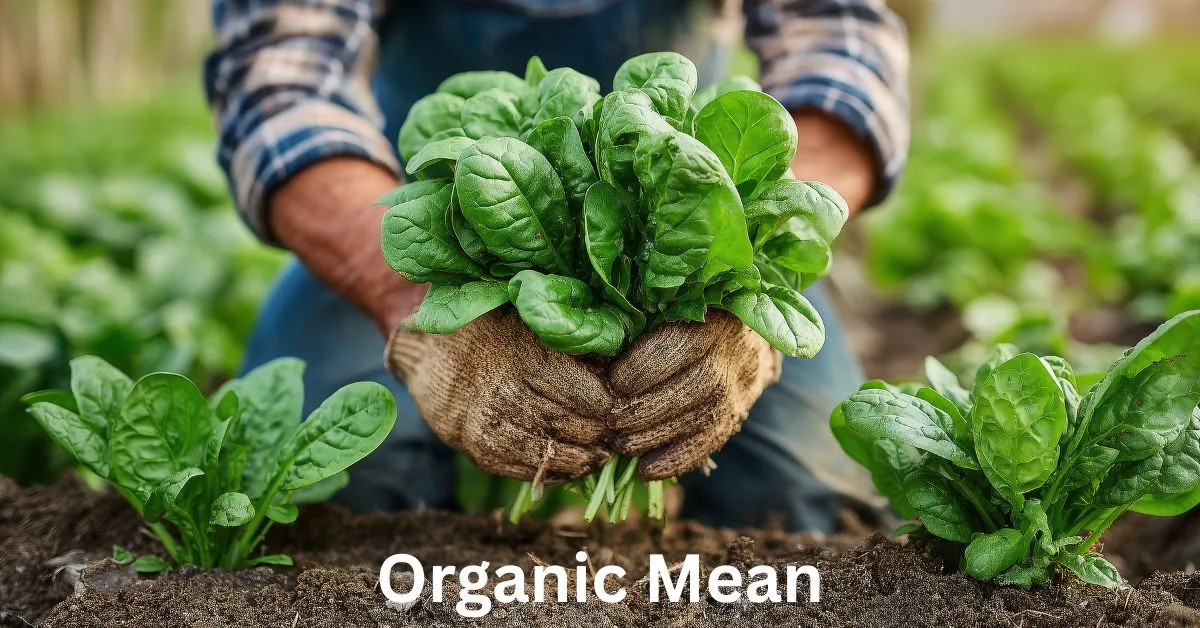
Organic farming is the backbone of organic food production, focusing on natural processes, sustainability, and ecosystem balance. Unlike conventional farming, which often relies on synthetic fertilizers, pesticides, and genetically modified seeds, organic farming prioritizes methods that work with nature rather than against it.
One of the key principles of organic farming is soil health. Healthy soil is rich in nutrients and microorganisms, which naturally support plant growth. Farmers achieve this through composting, crop rotation, and cover cropping, which replenish the soil and reduce the need for chemical fertilizers. These practices also help prevent soil erosion, retain water, and maintain a balanced ecosystem.
Pest and weed management in organic farming avoids synthetic chemicals. Instead, farmers use biological controls, such as beneficial insects, natural predators, and organic-approved sprays, to protect crops. Companion planting growing certain plants together to deter pests is another common strategy.
Organic farming also emphasizes biodiversity. Maintaining a variety of crops and habitats supports pollinators, beneficial insects, and wildlife, contributing to a healthier environment. For livestock, organic farming ensures animals are raised in humane conditions, given organic feed, and not treated with unnecessary antibiotics or hormones.
While organic farming often requires more labor and careful planning than conventional methods, it produces food in a way that is environmentally responsible, safer for consumers, and aligned with long-term sustainability goals. Understanding these principles helps consumers appreciate why organic products may cost more and why their production matters for both human health and the planet.
What Is Organic Certification?
Organic certification is a formal process that ensures a product meets strict standards for organic production. Simply labeling something as “organic” is not enough certification verifies that the food, ingredient, or product has been produced according to recognized guidelines and is free from prohibited synthetic chemicals, pesticides, and genetically modified organisms (GMOs).
In the United States, the USDA Organic certification is the most widely recognized. To earn this label, farms and producers must follow regulations that cover soil management, crop production, animal welfare, and processing methods. For example, crops must be grown without synthetic fertilizers or pesticides, while livestock must be fed organic feed and have access to the outdoors. Producers must maintain detailed records and undergo regular inspections to maintain certification.
Other countries have their own standards. In Europe, the EU Organic logo indicates compliance with European regulations, which emphasize sustainability, biodiversity, and minimal chemical use. Similarly, many countries have recognized third-party certifications that validate organic claims, ensuring consumers are protected from misleading marketing.
Certification also distinguishes levels of organic content. For example, a product labeled “100% organic” contains only certified organic ingredients, while “organic” products must have at least 95% organic ingredients. Items “made with organic ingredients” must contain at least 70% organic components.
Ultimately, organic certification gives consumers confidence and transparency, confirming that the products they purchase adhere to rigorous natural and ethical standards. Without certification, a product’s claim of being organic cannot be trusted.
Organic vs Non-Organic Foods
One of the most common questions consumers ask is how organic foods differ from non-organic foods. While both types can be nutritious, the differences lie primarily in farming methods, chemical use, and environmental impact.
Farming Methods: Organic foods are grown using natural techniques such as composting, crop rotation, and biological pest control. Non-organic (conventional) foods often rely on synthetic fertilizers, chemical pesticides, and herbicides to increase yields and control pests. These chemicals can remain on crops and enter the food chain, although residues are typically regulated.
Animal Products: Organic meat, dairy, and eggs come from animals raised on organic feed, without antibiotics or growth hormones, and are usually provided outdoor access. Conventional livestock may be given hormones, antibiotics, and confined to smaller spaces to maximize production.
Genetically Modified Organisms (GMOs): Organic standards strictly prohibit GMOs, whereas non-organic foods may include genetically engineered crops designed for pest resistance or higher yield.
Environmental Impact: Organic farming emphasizes soil health, water conservation, and biodiversity, reducing chemical runoff and pollution. Non-organic farming can be more efficient in production but may negatively affect ecosystems over time.
Labeling and Certification: Organic foods are verified through certifications such as USDA Organic or EU Organic. Non-organic foods do not require these certifications and may not follow the same stringent guidelines.
Understanding these differences allows consumers to make informed choices. While organic foods often cost more, they provide a more natural, environmentally friendly, and ethically produced alternative to conventional options, making them appealing for those prioritizing health and sustainability.
What Does Organic Mean for Fruits and Vegetables?
When it comes to fruits and vegetables, the term organic refers to produce that is grown using natural methods without synthetic chemicals, pesticides, or genetically modified seeds. Organic fruits and vegetables rely on compost, manure, and crop rotation to maintain soil fertility and plant health, rather than artificial fertilizers. This approach not only supports the natural ecosystem but also reduces the risk of chemical residues on the produce.
Pesticide use is one of the most significant differences between organic and conventional produce. These methods aim to reduce environmental harm while keeping crops healthy.
Organic fruits and vegetables are also often seasonal and locally sourced, which can mean fresher produce with potentially higher nutrient retention. However, organic does not automatically guarantee higher nutrient content research shows mixed results but it does generally mean less exposure to synthetic chemicals.
Certification ensures that produce labeled as organic meets defined standards. For instance, in the United States, the USDA Organic label confirms that the fruit or vegetable was grown under strict organic farming practices.
For consumers, choosing organic fruits and vegetables is a way to support healthier farming practices, reduce chemical exposure, and encourage sustainable agriculture. While it may be more expensive, the benefits to both personal health and the environment make organic produce a meaningful choice for many families.
Organic Meat, Dairy, and Eggs
Organic standards extend beyond fruits and vegetables to meat, dairy, and eggs, emphasizing animal welfare, natural feeding practices, and the absence of synthetic chemicals. For consumers, choosing organic animal products means supporting farming methods that prioritize healthier animals and sustainable practices.
Animals are generally provided with outdoor access and adequate space, allowing them to exhibit natural behaviors something that conventional farming often limits.
Organic meat, dairy, and eggs may cost more than conventional products due to the higher costs of organic feed, more spacious housing, and certification requirements. However, these practices aim to create a more ethical, environmentally conscious, and chemical-free food supply.
By choosing organic animal products, consumers support sustainable farming, animal welfare, and reduced chemical exposure, making it a thoughtful choice for both personal health and environmental impact. Understanding these standards helps buyers make informed decisions when selecting organic meats, dairy, and eggs for their households.
Organic Processed Foods
To qualify as organic, processed foods must comply with the same regulations as raw organic products. In the United States, the USDA Organic label ensures that at least 95% of the ingredients are organic. Products labeled as “made with organic ingredients” must contain at least 70% organic content, while fully organic items contain 100% organic ingredients.
This makes them a healthier alternative for those looking to reduce chemical intake. However, organic processed does not automatically mean low in sugar, fat, or calories. Consumers still need to check nutritional labels to make informed choices.
The rise of organic processed foods reflects growing consumer demand for convenience without compromising natural standards. From granola bars to pasta sauces, these products offer a middle ground between convenience and organic integrity. Understanding labeling rules and ingredient lists helps buyers identify truly organic processed foods and avoid misleading marketing claims.
Organic vs Natural: What’s the Difference?
The terms organic and natural are often used interchangeably in marketing, but they have very different meanings and standards. Understanding the distinction is essential for consumers who want to make informed choices about the products they buy.
Organic is a legally regulated term. In most countries, products labeled organic must meet strict standards verified by certification bodies. For foods, this includes growing crops without synthetic fertilizers, pesticides, or genetically modified organisms (GMOs), and raising animals without hormones or unnecessary antibiotics. Organic products also follow specific processing rules that minimize chemical additives. Certification ensures that claims like “organic” are verified, consistent, and trustworthy.
Natural, on the other hand, is not strictly regulated. The term generally means that a product is minimally processed or free from artificial ingredients, but it does not guarantee organic farming methods or chemical-free production. A “natural” label does not require third-party verification, which can make it a marketing term rather than a guarantee of quality or sustainability.
This difference is particularly important when shopping for food, skincare, or household products. Organic labeling provides transparency and accountability, while natural products may not follow the same rigorous standards. Consumers should carefully read ingredient lists and certifications to ensure they are purchasing what aligns with their values.
In short, while both terms suggest a healthier or more wholesome option, organic guarantees adherence to strict production standards, whereas natural is more subjective and loosely defined. Recognizing this distinction helps buyers make better choices and avoid misleading marketing claims.
Health Benefits of Organic Foods
Many people choose organic foods with the belief that they are healthier than conventional options, and there is evidence to support some of these benefits. Lower exposure to these chemicals may reduce health risks, particularly for children, pregnant people, and people with sensitivities.
Organic animal products, such as meat, dairy, and eggs, also contain no growth hormones or unnecessary antibiotics. Consuming these products can minimize the intake of substances that may affect human health or contribute to antibiotic resistance. Additionally, organic dairy and meat often come from animals raised on natural feed and pasture, which can result in slightly higher levels of beneficial nutrients, such as omega-3 fatty acids in meat and milk.
It is important to remember that organic does not automatically mean “nutritionally superior” in all cases, and a balanced diet of fresh fruits, vegetables, whole grains, and proteins whether organic or conventional remains the most important factor for health. Choosing organic can be a proactive step toward safer, cleaner, and more environmentally conscious eating, supporting both personal wellness and sustainable farming practices.
Environmental Benefits of Organic Farming
Organic farming offers significant benefits not only for consumers but also for the environment. By prioritizing natural methods and avoiding synthetic chemicals, organic farming helps protect ecosystems, conserve resources, and promote biodiversity.
One of the most important benefits is soil health. Organic practices, such as composting, crop rotation, and cover cropping, replenish nutrients and maintain soil structure. Healthy soil retains water more effectively, reduces erosion, and supports the growth of microorganisms essential for plant life. Over time, this creates a more resilient and sustainable agricultural system compared to conventional methods that rely heavily on chemical fertilizers.
Organic farming also reduces chemical runoff into waterways, which is common in conventional farming. Pesticides, herbicides, and fertilizers can contaminate rivers, lakes, and groundwater, harming aquatic life and affecting water quality. By avoiding synthetic chemicals, organic farms help maintain cleaner water sources and a safer environment for both humans and wildlife.
Biodiversity is another key advantage. Organic farms often plant multiple crops and maintain natural habitats, which attract beneficial insects, pollinators like bees, and other wildlife. This promotes a balanced ecosystem and strengthens resilience against pests and diseases naturally.
Finally, organic farming contributes to lower greenhouse gas emissions in some cases, as it avoids energy-intensive synthetic fertilizers and supports carbon sequestration in healthy soil.
In short, organic farming is environmentally friendly, sustainable, and supportive of long-term ecological balance, making it a choice that benefits not only human health but also the planet.
What Does Organic Mean in Skincare and Cosmetics
The term organic is widely used in skincare and cosmetic products, but its meaning is often misunderstood. In this context, organic refers to ingredients derived from plants or natural sources that are grown without synthetic pesticides, fertilizers, or genetically modified organisms (GMOs). Organic products aim to provide safer, cleaner alternatives for skin care and personal use, minimizing exposure to potentially harmful chemicals.
The processing of these ingredients also matters organic cosmetics avoid synthetic preservatives, artificial dyes, and fragrances, focusing on natural formulations.
Certification is key to distinguishing truly organic products from marketing claims. Organizations such as USDA Organic, COSMOS, and Ecocert provide guidelines and verify that a product contains a minimum percentage of certified organic ingredients. Labels such as “100% organic” or “organic” indicate verified content, while unregulated terms like “natural” or “eco-friendly” may not guarantee organic standards.
Consumers should also be aware that organic does not automatically mean hypoallergenic or safe for all skin types. Allergies to plant-based ingredients can occur, so it’s important to read labels carefully and patch-test new products.
Choosing organic skincare and cosmetics supports sustainable agriculture, reduces chemical exposure, and promotes environmentally responsible practices. By understanding what organic truly means, buyers can make informed decisions and distinguish high-quality products from marketing hype.
Organic Clothing and Textiles
The concept of organic extends beyond food and skincare into the fashion and textile industry. This approach promotes environmental sustainability and safer production practices.
One of the most common organic materials is organic cotton, which is grown without toxic pesticides or chemical fertilizers. Organic cotton farming focuses on soil health, water conservation, and biodiversity, ensuring that ecosystems remain balanced and chemicals do not contaminate nearby land or water. Other fibers, such as hemp, linen, and bamboo, may also be certified organic if they follow similar sustainable practices.
Certification is an important factor in organic textiles. This includes regulations for dyeing, finishing, and handling, ensuring minimal chemical exposure for both the environment and consumers.
Organic clothing also supports ethical practices in fashion, as many certified organic garments come from manufacturers committed to fair labor conditions and reduced environmental impact.
While organic textiles often cost more than conventional fabrics due to labor, certification, and sustainable farming practices, they provide a healthier, eco-friendly alternative. Choosing organic clothing allows consumers to support sustainable agriculture, reduce chemical exposure, and promote ethical production, making fashion choices that are responsible for both people and the planet.
What Does Organic Mean in Science and Chemistry
In science, particularly in chemistry, the term organic has a very different meaning from food, lifestyle, or skincare contexts. Organic chemistry is the branch of chemistry that focuses on compounds containing carbon, often in combination with hydrogen, oxygen, nitrogen, and other elements.
Organic compounds form the basis of all known life. They include essential molecules such as carbohydrates, proteins, lipids, and nucleic acids, which make up plants, animals, and humans.
The distinction between organic and inorganic compounds is fundamental in chemistry. Inorganic compounds, like salts, metals, and minerals, generally do not contain carbon-hydrogen bonds, whereas organic compounds do. This scientific definition often causes confusion, as people may assume “organic” always refers to natural or chemical-free substances.
While the chemical meaning of organic is unrelated to farming or food standards, understanding it highlights the breadth of the term and why context matters.
Recognizing this difference helps clarify conversations about organic products in everyday life versus scientific discussions, ensuring that people do not conflate organic in chemistry with organic in agriculture, food, or consumer goods.
Organic in Marketing and Lifestyle Branding
The term organic has become a powerful marketing tool, extending far beyond food and farming into lifestyle and consumer products. Companies often use the word to convey health, purity, and sustainability, appealing to consumers who prioritize wellness and environmentally friendly practices.
In marketing, organic branding often emphasizes natural ingredients, ethical production, and eco-conscious packaging. Skincare, cosmetics, clothing, and even cleaning products frequently use organic labeling to suggest safety, quality, and environmental responsibility. While many of these products are genuinely organic and certified, some rely solely on the term as a buzzword, without independent verification.
Certification plays a crucial role in distinguishing genuine organic products from marketing hype. Labels such as USDA Organic, EU Organic, or GOTS indicate that products have met rigorous standards, giving consumers confidence in their choices. Without certification, the word “organic” is often ambiguous and purely promotional.
Consumers should remain vigilant, reading ingredient lists, checking certifications, and researching brands before trusting claims. Understanding the difference between true organic products and marketing-driven labels allows buyers to make informed decisions and avoid paying premium prices for items that may not meet organic standards.
Ultimately, while organic branding can help promote sustainable and natural products, informed consumers need to look beyond the label to ensure the product truly aligns with organic principles. Awareness and education are key to navigating the increasingly crowded organic marketplace.
Common Myths About Organic Products
Despite the growing popularity of organic products, several myths and misconceptions continue to confuse consumers. Understanding the truth behind these myths is essential for making informed decisions.
Myth 1: Organic Means Pesticide-Free
Many people believe that organic foods are completely free of pesticides. While organic farming avoids most synthetic chemicals, it may still use natural pesticides and approved substances. The difference is that these substances are generally less harmful and degrade more quickly in the environment.
Myth 2: Organic Is Always Healthier
Organic foods often have lower chemical residues, but they are not automatically more nutritious. Research shows that nutrient content can vary depending on soil quality, season, and farming practices rather than organic status alone.
Myth 3: Organic Lasts Longer
Some consumers think organic products have a longer shelf life, but because they lack artificial preservatives, organic items may actually spoil faster than conventional products. Proper storage is still necessary to maintain freshness.
Myth 4: Organic Means Local
Organic certification focuses on production methods, not location.
Myth 5: Organic Is Always Expensive Without Reason
While organic products often cost more due to labor-intensive farming and certification processes, the price reflects sustainable practices and environmental benefits, not just marketing.
By separating facts from myths, consumers can better understand what organic truly represents. Recognizing these misconceptions helps people make smarter choices, focusing on verified standards and personal priorities rather than marketing claims or assumptions.
Is Organic Always Better?
While organic products offer many benefits, it’s important to recognize that organic is not always the best choice in every situation. Understanding the advantages and limitations helps consumers make balanced decisions.
One major benefit of organic products is the reduced exposure to synthetic chemicals, such as pesticides and fertilizers. Organic farming also supports animal welfare, sustainable practices, and environmental conservation. For many people, these factors make organic options preferable, especially for children, pregnant people, or those concerned about chemical residues.
However, organic foods are not automatically more nutritious than conventional options. Research shows mixed results regarding vitamin and mineral content, meaning that both organic and non-organic foods can contribute to a healthy diet. Additionally, organic items often come with a higher price tag, which may not fit every budget, particularly for families buying large quantities of food.
Practicality and availability also play a role. In some regions, organic products are harder to find, seasonal, or less fresh than conventional alternatives. In such cases, prioritizing a balanced diet rich in fruits, vegetables, whole grains, and proteins may be more important than exclusively choosing organic.
Ultimately, organic is better in certain contexts, particularly for those who value chemical-free production, environmental sustainability, and ethical treatment of animals. However, it is not universally superior. A flexible approach combining organic and conventional products based on cost, availability, and personal priorities often provides the best balance for health, sustainability, and practicality.
Why Is Organic Food More Expensive?
One of the most common questions about organic products is why they often cost significantly more than conventional alternatives. Several factors contribute to the higher price of organic food, reflecting both production costs and regulatory requirements.
First, organic farming is generally more labor-intensive. Instead of using chemical fertilizers, pesticides, or herbicides, organic farmers rely on manual methods, crop rotation, composting, and natural pest control. These techniques require more time, skill, and attention to maintain crop yields and soil health, which increases production costs.
Second, organic certification adds expenses. Farms and producers must follow strict regulations, maintain detailed records, and undergo regular inspections to ensure compliance. Certification fees, documentation, and audits all contribute to the final cost of organic products.
Third, organic farming often results in lower yields compared to conventional methods. Avoiding synthetic chemicals and GMOs can limit crop output, meaning farmers produce less per acre, which raises the price per unit of food.
Additionally, transportation and handling costs can be higher. Organic products may need separate processing, storage, and distribution channels to prevent contamination with conventional foods, which adds logistical expenses.
While the price may be higher, it reflects the effort, standards, and environmental benefits associated with organic farming. Understanding these factors helps consumers see that the cost of organic food is not arbitrary but tied to quality, sustainability, and ethical production practices.
How to Identify Truly Organic Products
With the rise in popularity of organic products, it’s easy for consumers to be misled by marketing claims. Learning how to identify truly organic products ensures that purchases align with both health and environmental goals.
The first step is to look for certification labels. In the United States, the USDA Organic seal indicates that the product meets strict federal standards for organic production. In Europe, the EU Organic logo guarantees compliance with European regulations. Other certifications, such as GOTS for textiles or COSMOS for cosmetics, verify that materials and ingredients meet recognized organic standards. These labels provide confidence that the product has been independently verified.
Next, read the ingredient list carefully. Truly organic foods should contain primarily certified organic ingredients, with minimal additives or synthetic chemicals. Processed foods labeled “made with organic ingredients” must contain at least 70% organic components, while products labeled “organic” or “100% organic” have stricter requirements.
Consumers should also beware of vague marketing claims such as “all-natural,” “eco-friendly,” or “chemical-free.” While appealing, these terms are not regulated and do not guarantee organic practices. Researching brands and their sourcing methods can help separate genuine organic products from greenwashing.
Finally, consider price and source. Organic products often cost more due to higher labor, certification, and farming standards, but extremely cheap “organic” items may not meet proper standards. By checking certification, ingredients, and brand reputation, consumers can confidently choose truly organic products that align with health, ethical, and environmental values.
Pros and Cons of Organic Products
Organic products have gained widespread popularity for their perceived health, environmental, and ethical benefits, but they also come with some limitations. Understanding both sides helps consumers make informed choices.
Pros of Organic Products:
- Reduced Chemical Exposure: Organic foods and products are grown or made without synthetic pesticides, fertilizers, or additives, which may reduce exposure to potentially harmful chemicals.
- Environmental Benefits: Organic farming emphasizes soil health, biodiversity, and water conservation, helping to protect ecosystems and reduce pollution.
- Animal Welfare: Organic animal products come from animals raised under humane conditions, with access to natural feed and minimal use of antibiotics or hormones.
- Sustainability: Organic practices promote long-term environmental sustainability, ensuring resources like soil and water are preserved for future generations.
- Healthier Choice Perception: Many consumers feel more confident choosing organic due to its natural and minimally processed characteristics.
Cons of Organic Products:
- Higher Cost: Organic products are often more expensive due to labor-intensive farming, certification fees, and lower yields.
- Limited Availability: Organic options may not be available in all areas, making it harder to access fresh produce or specialty items.
- Shelf Life: Many organic foods lack preservatives, which can result in a shorter shelf life compared to conventional products.
- Nutritional Variability: Organic does not always guarantee higher nutrient content; nutrient levels depend on multiple factors, including soil quality and season.
In conclusion, while organic products offer significant benefits for health, the environment, and ethical considerations, they may not always be the most practical or necessary choice. A balanced approach mixing organic and conventional products based on budget, availability, and priorities often works best for most consumers.
Frequently Asked Questions (FAQs)
As organic products grow in popularity, many consumers have questions about what organic really means. Here are some of the most common FAQs:
1. Is organic food completely chemical-free?
No. While organic food avoids most synthetic pesticides and fertilizers, it may still use natural or approved substances to protect crops. Organic does reduce chemical exposure but does not guarantee total absence of chemicals.
2. Are organic foods healthier than conventional foods?
Organic foods generally have lower pesticide residues and may sometimes contain higher levels of certain antioxidants. However, research shows mixed results regarding nutrient content. Both organic and conventional foods can support a healthy diet.
3. Can organic food be genetically modified?
No. Organic standards strictly prohibit the use of GMOs.
4. Is local food the same as organic?
Not necessarily. Local produce may or may not meet organic standards.
5. Does organic mean more expensive for no reason?
Organic products cost more because of labor-intensive farming, certification fees, and sustainable practices, not marketing alone. The higher price reflects stricter production standards and environmental benefits.
6. How can I trust that a product is truly organic?
Look for certification labels like USDA Organic, EU Organic, or GOTS for textiles. Reading ingredient lists and researching brands also helps ensure authenticity.
Understanding these FAQs helps consumers make informed decisions, distinguishing marketing claims from verified organic standards and choosing products that align with health, ethical, and environmental priorities.
Final Thoughts: What Does Organic Really Mean Today?
The term organic has evolved from its scientific origins to a modern concept that spans food, farming, cosmetics, textiles, and lifestyle products.
While the core idea emphasizes natural processes, minimal chemical use, and sustainability, its application varies across industries, which can create confusion for consumers.
Today, organic represents more than a label it reflects a commitment to environmental stewardship, animal welfare, and healthier production practices.
Skincare, cosmetics, and textiles labeled organic prioritize chemical-free ingredients, sustainable sourcing, and ethical standards.
Certification programs like USDA Organic, EU Organic, GOTS, and COSMOS ensure that products meet strict, verifiable standards, protecting consumers from misleading marketing claims.
However, organic is not universally superior in all aspects. While it often reduces chemical exposure and supports sustainability, organic products may cost more, have shorter shelf lives, and do not automatically guarantee higher nutrient content.
Consumers must weigh these factors against personal priorities, budget, and availability.
Ultimately, understanding what organic truly means empowers consumers to make informed choices that align with their values.
Whether selecting food, clothing, or personal care items, looking for certified labels, reading ingredients, and researching brands ensures that purchases are genuinely organic.
In today’s marketplace, organic is not just a trend it is a thoughtful approach to healthier living, ethical consumption, and environmental responsibility.

Margaret Johnson was an American blues and early jazz vocalist and pianist active during the 1920s. She began her recording career in the early part of that decade, performing in vaudeville and jazz ensembles, and is best remembered for her work in blues music.