

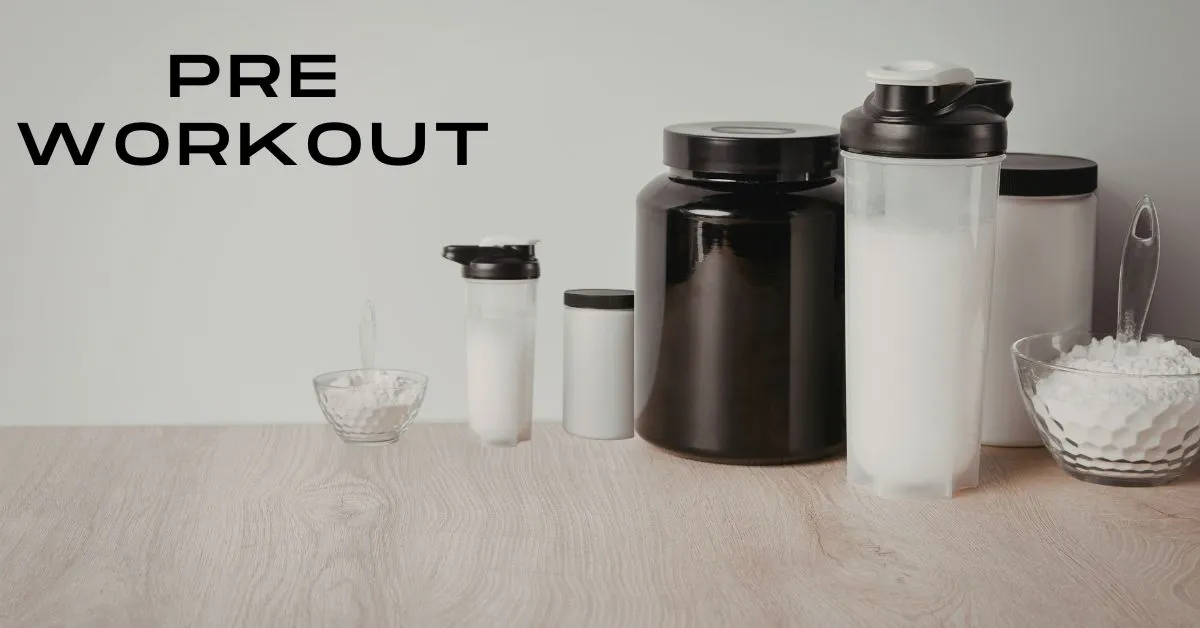
Pre workout supplements have become a staple in gyms around the world, promising explosive energy, intense focus, and better performance during training.
From beginners lifting for the first time to experienced athletes pushing their limits, many people rely on pre workout to get the most out of every session.
But what does pre workout actually do, and is it really necessary for better results?
At its core, pre workout is designed to enhance both physical and mental performance before exercise.
It works by increasing energy levels, improving blood flow to the muscles, delaying fatigue, and sharpening focus—helping you train harder and longer.
However, not all pre workouts are the same, and their effects can vary depending on ingredients, dosage, and individual tolerance.
Understanding how pre workout works, what’s inside it, and how it affects your body is essential for using it safely and effectively.
In this guide, we’ll break down the science, benefits, risks, and best practices so you can decide if pre workout is right for you.
What Is Pre Workout?
Pre workout is a type of dietary supplement designed to be taken shortly before exercise to enhance workout performance. Its primary goal is to prepare the body and mind for physical activity by increasing energy, focus, endurance, and strength. Pre workout supplements are most commonly used by gym goers, bodybuilders, endurance athletes, and anyone engaging in high intensity training.
Most pre workouts come in powdered form and are mixed with water, although ready to drink options, capsules, and stimulant free formulas are also available. Regardless of the format, the purpose remains the same: to improve how you feel and perform during your workout. Unlike protein powders or recovery supplements, pre workout is not meant to build muscle directly but to improve training quality, which can lead to better results over time.
Pre workout formulas typically contain a combination of stimulants, performance enhancing compounds, and blood flow–boosting ingredients. Caffeine is often the main component, providing a noticeable increase in alertness and energy. Other ingredients work behind the scenes to delay muscle fatigue, improve oxygen delivery, and support sustained effort throughout a workout.
It’s also important to understand that not all pre workouts are created equal. Some focus heavily on stimulants for a strong energy boost, while others emphasize muscle pumps, endurance, or mental focus. Ingredient dosages, personal tolerance, and fitness goals all influence how effective a pre workout will be. Knowing what pre workout is—and what it isn’t—helps set realistic expectations and allows you to choose a supplement that aligns with your training needs.
What Does Pre Workout Do in the Body?
Pre workout supplements affect the body through a combination of neurological, muscular, and circulatory responses. Once consumed, the active ingredients are absorbed into the bloodstream and begin working within 20 to 45 minutes, depending on the formula and your metabolism. The most immediate effect comes from stimulants like caffeine, which activate the central nervous system. This increases alertness, reduces perceived effort, and helps you feel more energized and motivated to train.
Beyond energy, pre workout also enhances physical performance at the muscular level. Ingredients such as beta alanine help buffer acid buildup in the muscles, which can delay fatigue during high repetition or high intensity exercises. This allows you to push through longer sets or maintain intensity for a greater portion of your workout. Creatine, when included, supports rapid energy production, helping improve strength and power output.
Another key function of pre workout is improving blood flow. Compounds like citrulline malate increase nitric oxide levels, causing blood vessels to widen. This leads to better delivery of oxygen and nutrients to working muscles, often experienced as a muscle “pump.” Improved circulation can enhance endurance and overall workout efficiency.
Pre workout also influences mental focus. Certain ingredients support concentration and mind muscle connection, helping you stay locked in during demanding sessions. Together, these effects don’t magically build muscle or burn fat, but they can significantly improve workout quality—making your training sessions more productive and effective over time.
Key Pre Workout Ingredients and What They Do
The effectiveness of a pre workout supplement depends largely on its ingredients and how they work together. While formulas vary, most pre workouts contain a core group of compounds designed to boost energy, performance, and focus.
Caffeine is the most common and powerful ingredient found in pre workout. It stimulates the central nervous system, increases alertness, and reduces the perception of fatigue, allowing you to train harder for longer periods. Some formulas use natural caffeine sources, such as green tea or coffee bean extract, while others use synthetic caffeine for a faster and stronger effect.
Beta alanine is another popular ingredient known for causing a tingling sensation in the skin. This compound helps reduce acid buildup in muscles during intense exercise, which can improve endurance and delay fatigue. Creatine is often included to support strength and power by helping muscles produce energy more efficiently during short, explosive movements.
For improved blood flow and muscle pumps, pre workouts often include citrulline malate or arginine. These ingredients increase nitric oxide production, leading to better circulation, enhanced muscle fullness, and improved oxygen delivery. Amino acids such as BCAAs or taurine may also be added to support muscle function and hydration.
Many formulas also include vitamins, electrolytes, or focus enhancing compounds to support overall performance. Understanding these ingredients helps you choose a pre workout that matches your goals, tolerance, and training style.
Benefits of Pre Workout Supplements
Pre workout supplements offer several benefits that can improve the overall quality of your training sessions. One of the most noticeable advantages is increased energy. By stimulating the nervous system, pre workout helps you feel more awake and motivated, especially during early morning workouts or after a long, tiring day. This energy boost can make it easier to start and sustain intense exercise.
Another key benefit is improved strength and endurance. Ingredients like creatine and beta alanine support better performance by helping muscles produce energy more efficiently and resist fatigue. This can allow you to lift heavier weights, perform more repetitions, or maintain higher intensity throughout your workout. Over time, these performance improvements may contribute to better muscle growth and strength gains.
Pre workout also enhances blood flow, leading to improved muscle pumps. Increased circulation helps deliver oxygen and nutrients to working muscles, which can support endurance and make workouts feel smoother and more efficient. While the pump itself doesn’t build muscle, it often improves training motivation and mind muscle connection.
Mental focus is another major benefit. Many pre workouts contain ingredients that sharpen concentration, reduce distractions, and help you stay locked in during demanding sessions. This can be especially useful for complex lifts or long workouts requiring sustained attention.
It’s important to note that pre workout doesn’t replace proper nutrition, sleep, or training consistency. Instead, it acts as a performance tool that can enhance workout quality when used correctly. For many people, these benefits make pre workout a useful addition to their fitness routine.
Side Effects and Risks of Pre Workout
While pre workout supplements can enhance performance, they are not without potential side effects. Most issues arise from high stimulant content, particularly caffeine. Common side effects include jitteriness, restlessness, increased heart rate, and feelings of anxiety. These effects are more likely if you are sensitive to caffeine or consume other stimulants throughout the day.
Another frequent reaction is a tingling or itching sensation on the skin, often felt on the face, neck, or arms. This is caused by beta alanine and is generally harmless, but it can be uncomfortable for some users. Digestive discomfort, such as nausea or bloating, may also occur, especially if pre workout is taken on an empty stomach or in large doses.
More serious risks can occur with overuse or excessive dosing. High stimulant intake may raise blood pressure, disrupt sleep patterns, and place added stress on the cardiovascular system. Taking pre workout late in the day can interfere with sleep, which negatively impacts recovery and overall fitness progress. Over time, frequent use may also lead to stimulant tolerance, reducing effectiveness and encouraging higher doses.
Certain individuals should be especially cautious. People with heart conditions, high blood pressure, or anxiety disorders may experience worsened symptoms. Pre workout can also interact with medications, making it important to consult a healthcare professional if you have underlying health concerns.
Using pre workout responsibly—by starting with a low dose, reading labels carefully, and avoiding excessive caffeine—can help minimize risks while still benefiting from improved workout performance.
Who Should Use Pre Workout (And Who Shouldn’t)
Pre workout supplements can be beneficial for certain individuals, but they are not suitable for everyone. People who train at high intensity—such as strength athletes, bodybuilders, or those performing demanding workouts—may benefit the most. Pre workout can be especially useful during early morning sessions, long training days, or periods of low motivation, as it helps increase energy, focus, and overall workout intensity.
Individuals who already have a solid foundation of proper nutrition, hydration, and sleep may also find pre workout more effective. When the basics are in place, pre workout can act as an extra performance boost rather than a crutch. Experienced gym goers who understand their caffeine tolerance and training needs are often better equipped to use pre workout responsibly.
On the other hand, pre workout may not be ideal for everyone. Beginners who are new to exercise may not need supplements to perform well, as initial progress often comes quickly through consistent training alone. People who are sensitive to caffeine may experience unpleasant side effects such as anxiety, rapid heartbeat, or digestive discomfort. In these cases, stimulant free or low stimulant options may be safer alternatives.
Those with medical conditions—such as heart problems, high blood pressure, or sleep disorders—should be cautious or avoid pre workout altogether unless approved by a healthcare professional. Pregnant or breastfeeding individuals should also avoid pre workout supplements due to their stimulant content and lack of safety research.
Ultimately, pre workout is a tool, not a necessity. Knowing your body, health status, and fitness goals is key to deciding whether pre workout is right for you.
How to Use Pre Workout Safely and Effectively
Using pre workout correctly is essential to maximize its benefits while minimizing potential side effects. One of the most important factors is dosage. Many pre workout supplements contain high levels of stimulants, so starting with a half scoop is recommended, especially if you’re new or sensitive to caffeine. This allows you to assess your tolerance before increasing the amount.
Timing also plays a key role in effectiveness. Pre workout is typically taken 20 to 40 minutes before exercise, giving the ingredients enough time to be absorbed and start working. Taking it too close to your workout may reduce its effects, while taking it too early can cause energy to peak before training begins. For evening workouts, choosing a low stimulant or stimulant free formula can help prevent sleep disruption.
Hydration is another critical factor. Pre workout supplements can increase sweating and body temperature, so drinking enough water before and during your workout is important. Some people also find it helpful to take pre workout with a small meal or snack to reduce the risk of digestive discomfort.
To avoid stimulant tolerance, it’s best not to rely on pre workout every day. Cycling off periodically—such as taking a few days or a week off—can help maintain its effectiveness. Paying attention to total daily caffeine intake from all sources, including coffee and energy drinks, is also essential.
When used responsibly, pre workout can be a valuable performance tool. However, it should support your training, not replace proper sleep, nutrition, and consistent exercise habits.
Pre Workout vs Natural Alternatives
While pre workout supplements can provide a convenient boost, many people wonder whether natural alternatives can achieve similar results. One of the most common natural options is coffee. Like pre workout, coffee contains caffeine, which stimulates the central nervous system, increases alertness, and reduces perceived effort during exercise. A strong cup of coffee before training can mimic many of the energy boosting effects of pre workout supplements at a lower cost and with fewer added ingredients.
Whole foods can also serve as natural pre workouts. Consuming a small meal or snack rich in carbohydrates and moderate protein about 60–90 minutes before training can provide a steady supply of energy for muscles. Bananas, oatmeal, yogurt, or a peanut butter sandwich are popular choices. These foods release glucose gradually, supporting endurance and focus without the potential jitters associated with high stimulant pre workouts.
Hydration is another key natural strategy. Drinking water or electrolyte beverages ensures that muscles and the nervous system function optimally during workouts, which can enhance performance without any supplements. Some athletes also use beetroot juice or foods high in nitrates to naturally improve blood flow and endurance, similar to certain pre workout ingredients.
Ultimately, natural alternatives may be sufficient for many individuals, especially beginners or those sensitive to stimulants. Pre workout supplements are tools designed to maximize performance and convenience, but a well timed coffee, balanced snack, and proper hydration can provide similar benefits for energy, focus, and endurance. Choosing between supplements and natural methods depends on personal goals, tolerance, and training intensity.
Myths and Misconceptions About Pre Workout
Pre workout supplements are often misunderstood, and many myths circulate in the fitness community. One common misconception is that pre workout directly builds muscle. While pre workout can improve energy, focus, and performance, it does not contain magic muscle building compounds. Muscle growth primarily depends on consistent resistance training, adequate nutrition, and proper recovery. Pre workout only enhances the quality of your workouts, which may indirectly support muscle gains over time.
Another widespread myth is that taking more scoops leads to better results. In reality, exceeding the recommended dosage increases the risk of side effects such as jitters, rapid heartbeat, and digestive discomfort without providing proportional performance gains. Following the dosage instructions on the label is crucial for safety and effectiveness.
Some believe all pre workouts are the same, but formulas vary significantly. Stimulant heavy pre workouts focus on energy, while stimulant free formulas may emphasize endurance, pumps, or mental focus. Choosing a product that aligns with your goals and tolerance is essential.
Lastly, there is a misconception that pre workout is necessary for effective training. Beginners, casual exercisers, or those sensitive to stimulants can achieve excellent results without supplements. Pre workout is a performance enhancing tool, not a requirement.
Understanding these myths helps you set realistic expectations and use pre workout wisely. By separating fact from fiction, you can safely harness the benefits of pre workout while avoiding unnecessary risks or disappointment.
Does Pre Workout Actually Work? (Scientific Evidence)
Pre workout supplements are popular, but many people wonder if they truly deliver on their promises. Research shows that certain ingredients in pre workout formulas can have measurable effects on physical performance and mental focus, though results vary depending on dosage, composition, and individual response.
Caffeine, the most common pre workout ingredient, is well supported by scientific studies. Research consistently shows that caffeine improves endurance, strength, and reaction time while reducing perceived effort. This makes workouts feel easier and allows individuals to train longer or at higher intensity. Beta alanine, another frequently used ingredient, has been shown to buffer lactic acid in muscles, delaying fatigue during high intensity exercises. Similarly, creatine enhances short term power output and strength, making it one of the most effective supplements for resistance training.
Other ingredients, such as citrulline malate, can improve blood flow and muscle pumps, although evidence for endurance enhancement is mixed. Amino acids like BCAAs may support recovery but are less critical if overall protein intake is sufficient. Vitamins, electrolytes, and adaptogens provide minor support, especially for hydration and stress management, but are not performance game changers on their own.
While pre workouts can enhance energy, focus, and workout performance, they do not replace the fundamentals of training. Consistency, nutrition, sleep, and progressive overload remain the primary drivers of results. Pre workout works best as a tool to improve workout quality, making it easier to push harder and achieve long term fitness goals.
Frequently Asked Questions (FAQ) About Pre Workout
Many people have questions about pre workout supplements, especially regarding safety, effectiveness, and usage. Here are some of the most common questions answered:
1. Is pre workout bad for your heart?
For most healthy individuals, moderate use of pre workout is generally safe. However, those with heart conditions, high blood pressure, or stimulant sensitivity should consult a doctor before use, as high caffeine and other stimulants can increase heart rate and blood pressure.
2. Can beginners take pre workout?
Beginners can use pre workout, but it is not necessary. Early progress often comes from consistent training and proper nutrition. If a beginner chooses to try it, starting with a half dose is recommended to assess tolerance.
3. Can you take pre workout every day?
Daily use is possible but not ideal, especially with stimulant heavy formulas. Continuous use can lead to tolerance, reducing effectiveness and increasing the likelihood of side effects. Cycling off for a few days each week helps maintain performance benefits.
4. Does pre workout help with weight loss?
Pre workout does not directly burn fat, but it can indirectly support weight loss by increasing energy and motivation, allowing for longer, more intense workouts that burn more calories.
5. How long does pre workout last?
Most pre workouts last 2–4 hours, depending on the ingredients and dosage. Stimulants like caffeine may linger longer, potentially affecting sleep if taken late in the day.
By understanding these common questions, you can use pre workout more safely and effectively to enhance your training experience.
Final Verdict: Is Pre Workout Worth It?
Pre workout supplements can be a valuable tool for enhancing energy, focus, and workout performance, but they are not magic solutions.
For individuals who train intensely, struggle with motivation, or want an extra boost during demanding sessions, pre workout can make workouts feel easier, longer, and more productive.
Ingredients like caffeine, beta alanine, creatine, and citrulline malate have scientific support for improving strength, endurance, and mental focus, helping you push harder and train smarter.
However, pre workout is not necessary for everyone. Beginners, casual exercisers, or people sensitive to stimulants may achieve excellent results without supplements by focusing on consistent training, proper nutrition, hydration, and adequate sleep.
Overreliance on pre workout can lead to side effects such as jitteriness, sleep disruption, or increased heart rate, especially if dosage guidelines are ignored.
The key to maximizing benefits while minimizing risks is informed and responsible use. Start with a low dose to assess tolerance, choose a formula aligned with your fitness goals, and avoid excessive stimulant intake. Cycling pre workout periodically helps maintain effectiveness and reduces dependency.
Ultimately, pre workout works best as a performance enhancing tool, not a replacement for fundamentals.
When used wisely, it can improve workout quality, boost motivation, and help you achieve long term fitness goals.
Whether pre workout is “worth it” depends on your individual goals, tolerance, and training intensity, but for many athletes and gym goers, it can be a highly effective supplement.

Daniel Johansson is an acclaimed Swedish operatic tenor, celebrated internationally for his powerful voice, dramatic presence, and versatile repertoire spanning from Puccini to Wagner. Born in Småland, Sweden, he trained at the University College of Opera in Stockholm, where he laid the foundation for a distinguished career in classical music and opera performance.